Advanced Jewelry Box Plans: Archival Woodworking & Hardware Guide
Master advanced jewelry box plans with archival woodworking techniques, anti-tarnish lining specs, and precision hardware for ultimate collection protection.

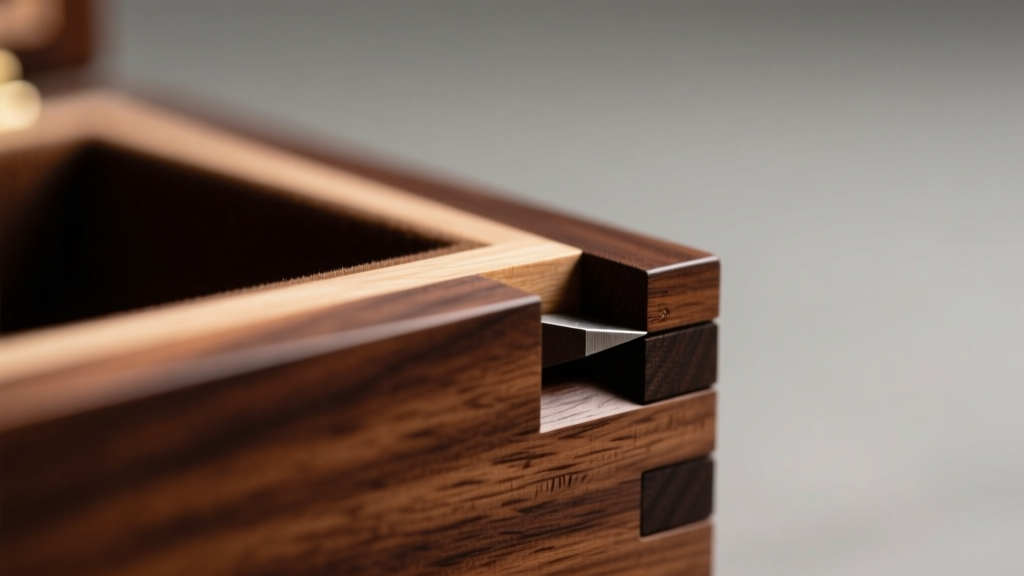
When most woodworkers search for jewelry box plans, they focus on ornate inlays, complex lid mechanisms, and exotic veneers. However, for serious collectors and horologists, aesthetics take a backseat to chemistry. A poorly designed box can actively destroy the pieces it holds through off-gassing, acidic contact, and sulfur-induced tarnishing. In 2026, archival-grade storage is the gold standard for high-value jewelry, requiring a synthesis of precision woodworking, material science, and conservation chemistry. This guide bypasses basic craft-store plans and dives into the technical specifications required to build an archival-safe, micro-climate jewelry vault.
The Chemistry of Archival Storage
Standard woodworking plans rarely address the chemical interaction between wood, finishes, and precious metals. The primary enemy of silver, copper, and low-karat gold is hydrogen sulfide (H2S) and sulfur dioxide (SO2), which cause rapid tarnishing. Furthermore, pearls and organic gems are highly susceptible to acidic environments. According to the Canadian Conservation Institute (CCI), wooden enclosures can emit trace organic acids and sulfur compounds, especially when sealed with standard commercial polyurethanes or stained with acid-based dyes. To build true archival jewelry box plans, you must eliminate these vectors at the material selection stage.
Dimensional Stability & Hardwood Selection
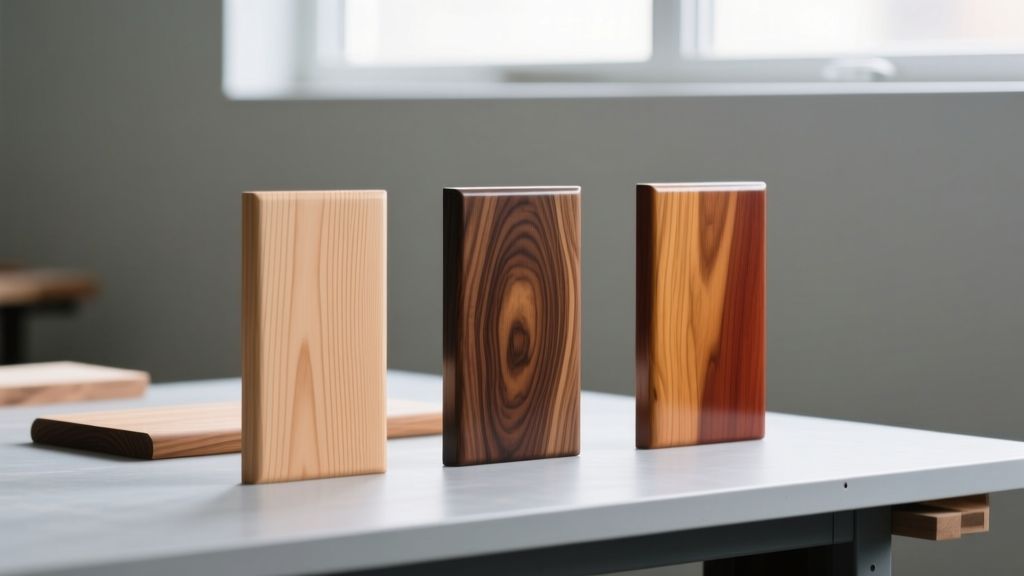
Choosing the right timber is about more than just grain figure; it requires analyzing dimensional stability and natural acidity. Woods with high tannic acid content, such as Red Oak or Sweet Chestnut, will cause severe corrosive pitting on silver and steel components over time. Conversely, highly resinous softwoods like Pine can exude sap, ruining delicate linings.
| Wood Species | Janka Hardness (lbf) | Tangential Shrinkage (%) | Archival Suitability |
|---|---|---|---|
| Hard Maple | 1,450 | 9.9% | Excellent (Neutral pH, tight grain) |
| Black Walnut | 1,010 | 13.0% | Very Good (Low acid, high stability) |
| Honduran Mahogany | 800 | 7.8% | Superior (Exceptional stability, neutral) |
| Red Oak | 1,290 | 15.1% | Poor (High tannic acid, open pores) |
For the ultimate archival carcase, Honduran Mahogany or quartersawn Hard Maple are the premier choices. Quartersawn lumber reduces the tangential shrinkage by nearly half, ensuring your box remains square and your lid seals tightly regardless of seasonal humidity fluctuations. The Wood Database remains an indispensable resource for verifying the exact volumetric shrinkage metrics of your chosen species before milling.
Precision Joinery for Micro-Climate Sealing
A jewelry box is essentially a micro-climate chamber. To slow the ingress of ambient humidity and airborne sulfur, the carcase must be hermetically sealed as much as wood allows. Standard butt joints reinforced with screws or nails will eventually loosen and create micro-fissures.
Instead, advanced jewelry box plans dictate the use of continuous spline miters or half-blind dovetails. Spline miters offer maximum long-grain glue surface area, creating an almost impenetrable barrier when paired with a high-quality PVA or hide glue. If using dovetails, ensure the pins and tails are cut to a 1:6 ratio for hardwoods, and pare the baselines perfectly flat. Any gap in the joinery compromises the internal micro-climate, forcing your anti-tarnish linings to work overtime.
Anti-Tarnish Linings & Archival Adhesives
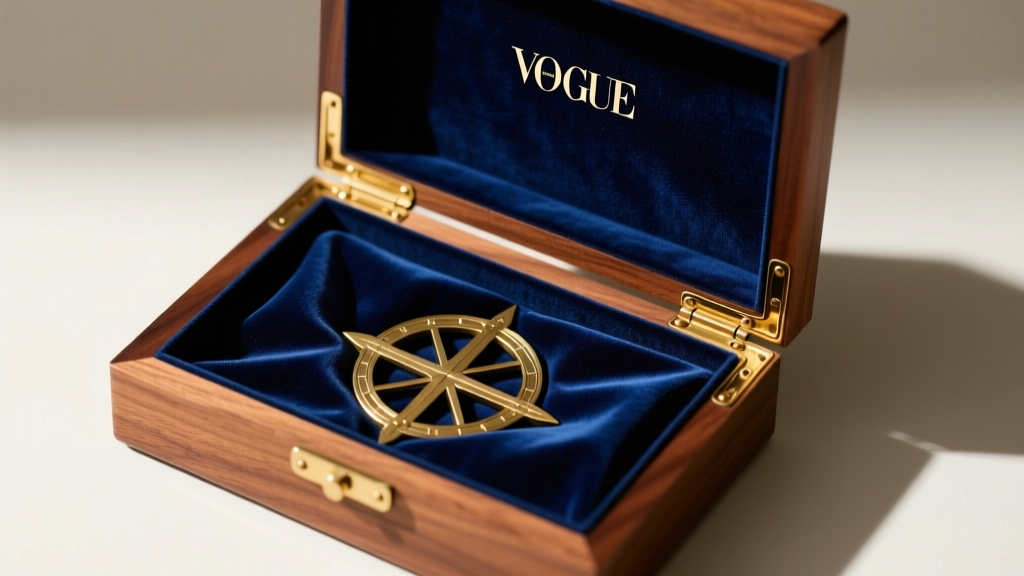
The interior lining is the final line of defense. Standard felt or velvet traps moisture and offers no chemical protection. The industry standard for archival storage is Pacific Silvercloth, a specialized flannel embedded with microscopic silver particles. These particles act as a sacrificial anode, intercepting and neutralizing sulfur gases before they reach your jewelry.
When adhering this lining, avoid standard contact cements or aerosol spray adhesives, which permanently off-gas volatile organic compounds (VOCs). Instead, use a neutral-pH archival adhesive like Lineco Neutral pH Adhesive, or stretch the fabric over acid-free museum board using double-sided archival tape, allowing you to replace the cloth every 5 to 7 years as the silver particles become fully saturated and turn dark brown.
Sourcing Precision Hardware & Hinges
Hardware selection dictates both the mechanical longevity and the chemical safety of the box. Plated steel hinges will eventually rust and off-gas corrosive chlorides. Always specify solid brass or marine-grade 316 stainless steel.
For the lid, quadrant hinges or brass piano hinges with a 95-degree positive stop are mandatory. A positive stop prevents the lid from over-traveling, which places catastrophic sheer stress on the rear joinery and can crack the carcase over time. When installing quadrant hinges, use a precision router template to ensure the mortises are perfectly aligned; even a 0.5mm misalignment will cause the hinge to bind, stripping the brass screws. Use steel screws for the initial thread-cutting, then swap to the solid brass screws for the final assembly to prevent soft brass heads from shearing off.
Archival-Safe Finishes: Shellac and Wax
The exterior finish must seal the wood without introducing harmful chemicals to the interior. Standard oil-based polyurethanes and catalyzed lacquers can take months to fully cure and stop off-gassing, trapping harmful vapors inside the closed box.
The safest, most historically proven finish for archival jewelry box plans is dewaxed shellac, followed by a microcrystalline wax. Shellac is a natural resin secreted by the lac bug; it is entirely non-toxic, seals wood pores beautifully, and acts as a barrier against residual wood acids. Apply three coats of a 1.5-pound cut dewaxed shellac, sanding lightly with 400-grit paper between coats. Finish the exterior with Renaissance Wax, a microcrystalline wax developed by the British Museum specifically for the conservation of metals and organic artifacts. It provides a hard, moisture-resistant shell without the silicone or petroleum distillates found in commercial furniture polishes.
Conclusion
Building an archival jewelry box is an exercise in preventive conservation. By selecting dimensionally stable, low-acid hardwoods, employing airtight joinery, integrating sacrificial anti-tarnish linings, and finishing with chemically inert natural resins, you elevate a simple woodworking project into a museum-grade vault. When drafting your own jewelry box plans, prioritize the chemical safety and mechanical precision outlined above, ensuring your collection remains pristine for generations. For further reading on the care of precious metals and gems, consult the Gemological Institute of America (GIA) guidelines on long-term storage environments.


