Coraline Jewelry Box Materials: Resin vs Wood vs Glass
Compare cold cast resin, carved wood, and fused glass for your Coraline jewelry box. Learn which material prevents tarnish and suits dark aesthetics.

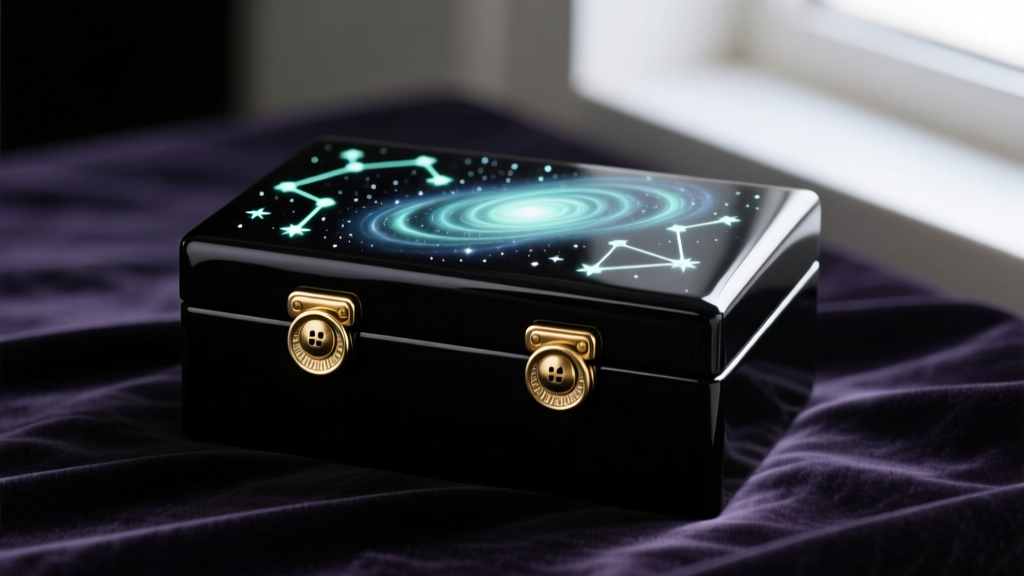
The Dark Fantasy Aesthetic in Modern Jewelry Storage
As we navigate the jewelry storage trends of 2026, the whimsical gothic and dark cottagecore aesthetics continue to dominate collector preferences. The "Coraline" style—characterized by starry night motifs, button-eye clasps, twisted branch silhouettes, and vintage skeleton keys—offers a magical, slightly macabre home for fine jewelry. However, the intricate shapes required for this aesthetic demand specific manufacturing materials. While a handmade Coraline jewelry box might look stunning on a vanity, the chemical properties of its base material can either preserve your precious metals or accelerate catastrophic tarnishing.
In enclosed microclimates, volatile organic compounds (VOCs) and acidic off-gassing can accelerate silver sulfide formation by up to 40%. To help you protect your collection, we are conducting a deep-dive material comparison of the three most common substrates used in dark fantasy jewelry storage: cold-cast resin, carved hardwoods, and fused glass.
Material 1: Cold-Cast Resin and Polyurethane
Cold-cast resin is the most popular medium for mass-produced and artisan Coraline-style boxes. It involves mixing liquid resin with metallic powders (like bronze, pewter, or copper) to achieve a heavy, antique-metal appearance without the cost of solid casting. This material excels at capturing hyper-detailed molds, such as intricate spiderweb lattices or the textured fabric of a sculpted button eye.
The Archival Safety and Off-Gassing Problem
Not all resins are created equal. The two primary types used in jewelry box manufacturing are epoxy and polyurethane. Epoxy resins (specifically bisphenol-A based) are generally more UV-stable and less prone to yellowing, making them ideal for boxes featuring translucent "starry night" dome lids. However, if an epoxy resin is improperly mixed or under-cured, the unreacted amines will off-gas into the enclosed box. According to the Gemological Institute of America (GIA), sulfur-bearing gases and certain chemical vapors are the primary catalysts for rapid sterling silver tarnish.
Polyurethane resins, while cheaper and highly detailed, are notorious for releasing VOCs long after they feel dry to the touch. If you purchase a polyurethane Coraline jewelry box from an independent marketplace, always request proof that the piece has been sealed with an archival-grade acrylic barrier, such as Paraloid B-72, to trap residual gases away from your jewelry.
Material 2: Carved Hardwoods (Basswood vs. Oak)
For artisans who prefer traditional woodworking, a hand-carved wooden Coraline jewelry box offers unmatched warmth and tactile satisfaction. Wood is excellent for creating structural elements like hidden drawers, secret compartments, and winding staircases. However, the botanical classification of the wood dictates its archival safety.
The Acidic Wood Dilemma
Many amateur woodworkers default to oak or walnut for their dark, rich grain patterns. This is a critical error for jewelry storage. Oak contains high levels of tannic acid and continuously off-gasses acetic acid. In a sealed environment, these acids will actively corrode silver, copper, and even degrade the nacre of freshwater pearls. The Canadian Conservation Institute (CCI) explicitly warns against using unsealed oak and walnut for artifact storage due to these corrosive vapor profiles.
The gold standard for carving whimsical, intricate dark fantasy shapes is American Basswood (Tilia americana). Basswood features a tight, uniform grain that holds delicate details (like tiny carved button eyes or skeletal hands) without splintering. More importantly, it is chemically neutral and lacks the aggressive acidic off-gassing of oak. To ensure absolute safety, the interior of a basswood box should be sealed with a water-based polyurethane or lined with an inert barrier.
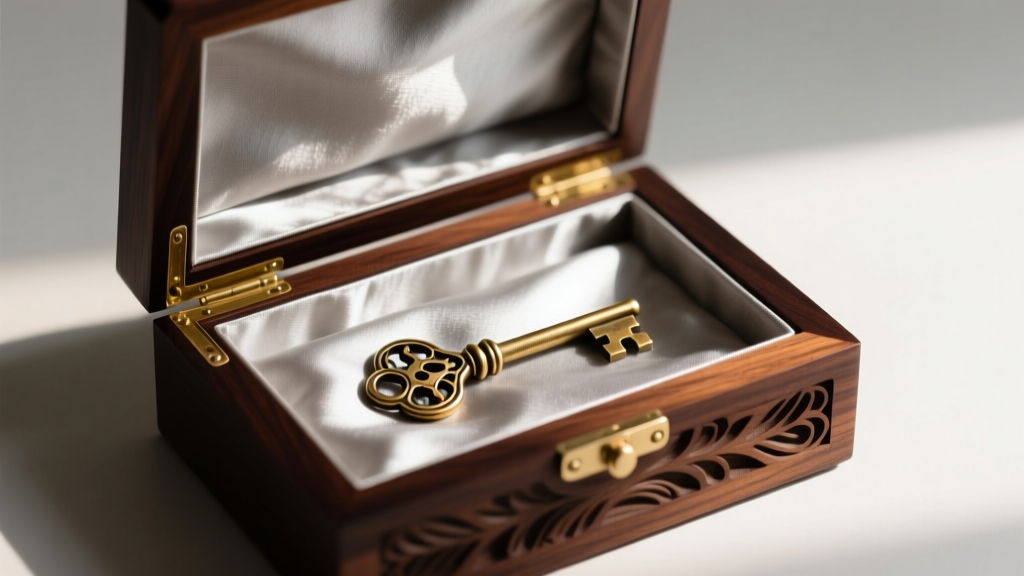
Material 3: Fused and Stained Glass
Glass is the ultimate inert material. A fused glass Coraline jewelry box—perhaps featuring dichroic glass panels that shift between deep purples and midnight blues to mimic a ghostly, starry sky—is completely non-reactive. Soda-lime glass and borosilicate glass will never off-gas, ensuring that your gold, silver, and platinum remain pristine indefinitely.
The primary drawbacks of glass are weight and fragility. A multi-tiered glass organizer with brass hinges requires heavy-duty hardware to prevent structural sagging over time. Furthermore, glass lacks the natural acoustic dampening of wood or resin; jewelry placed inside a glass box will clink and scratch against the hard surfaces unless specialized soft inserts are utilized.
Comparative Analysis: Preservation vs. Aesthetics
When selecting your storage solution, you must balance the desired aesthetic with the chemical reality of the materials. Below is a structured breakdown of how these three materials perform in a 2026 collector's environment.
| Material | Tarnish Risk | Detail Resolution | Weight & Durability | Avg. Price Range (2026) |
|---|---|---|---|---|
| Cold-Cast Epoxy Resin | Low (if fully cured & sealed) | Exceptional (mold-cast) | Medium / Shatter-resistant | $85 - $250 |
| Polyurethane Resin | High (prone to VOC off-gassing) | Exceptional (mold-cast) | Light / Can degrade in UV | $40 - $120 |
| Carved Basswood | Very Low (chemically neutral) | High (hand-carved limits) | Light / Susceptible to humidity | $150 - $400+ |
| Carved Oak / Walnut | Severe (acetic acid off-gassing) | High (hand-carved limits) | Heavy / Extremely durable | $120 - $350 |
| Fused Dichroic Glass | None (completely inert) | Medium (geometric/fused) | Heavy / Highly fragile | $200 - $600+ |
Interior Linings: The Hidden Tarnish Culprit
Even if you select a chemically inert basswood or glass Coraline jewelry box, the interior lining can ruin your collection. Many budget manufacturers use synthetic velvets or dyed felts that contain sulfur-based dyes or acidic adhesives. When trapped in a closed box, these linings create a micro-environment that actively tarnishes metals.
For high-end dark fantasy storage, demand Pacific Silvercloth or specialized anti-tarnish flannel linings. Pacific Silvercloth is embedded with microscopic silver particles that act as a sacrificial anode, capturing and neutralizing sulfur gases before they can reach your jewelry. If your artisan uses standard velvet for aesthetic reasons, ensure it is certified Oeko-Tex Standard 100, which guarantees the fabric is free from harmful levels of toxic substances and acidic dyes.
Final Verdict for the Whimsical Collector
If your priority is hyper-detailed, mass-produced gothic whimsy, a cold-cast epoxy resin Coraline jewelry box is your best option, provided you verify the curing and sealing process with the manufacturer. For collectors who value heirloom-quality craftsmanship and absolute chemical safety, a hand-carved basswood box lined with Pacific Silvercloth offers the perfect intersection of dark fantasy artistry and archival preservation. Avoid oak and polyurethane at all costs, and reserve fused glass for display pieces where weight and fragility are not primary concerns. By understanding the material science behind the magic, you can ensure your jewelry survives as long as the stories that inspired its storage.


