Troubleshooting Your Anastasia Movie Jewelry Box Mechanism
Learn how to fix, restore, and protect your Anastasia movie jewelry box. Expert troubleshooting for music mechanisms, velvet lining, and tarnish.

The Nostalgia and Reality of 1990s Replica Boxes
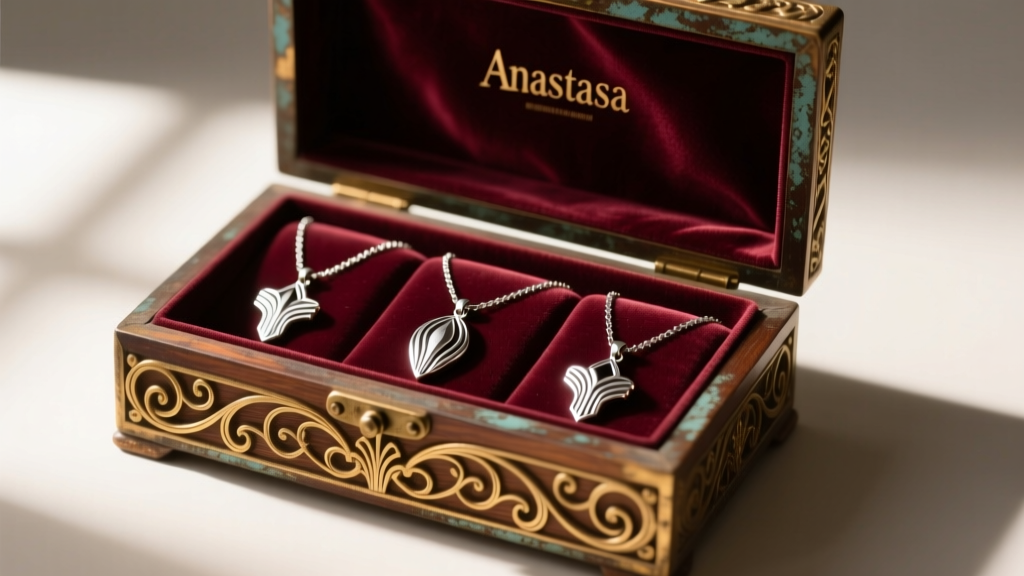
For many jewelry enthusiasts and collectors of cinematic memorabilia, the Anastasia movie jewelry box is a cherished keepsake. Inspired by the iconic 1997 animated film, these music boxes—often playing a delicate, tinkling rendition of "Once Upon a December"—hold immense sentimental value. However, the reality of mass-produced replica boxes from the late 1990s and early 2000s is that they were rarely built for archival longevity. Constructed from medium-density fiberboard (MDF), cast resin, and inexpensive synthetic velvets, these boxes are highly prone to mechanical failure, structural degradation, and severe jewelry tarnishing.
As a jewelry storage specialist, I frequently see these beloved boxes arrive in my studio with jammed music mechanisms, peeling faux-gold filigree, and interiors that actively accelerate silver oxidation. If your cherished replica is failing, do not discard it. With the right conservation techniques, you can troubleshoot and restore your Anastasia music box to its former glory while making it a safe environment for your fine jewelry.
Diagnosing and Repairing the Music Box Mechanism
The heart of your Anastasia movie jewelry box is typically an 18-note Sankyo or Yunsheng clockwork movement. These are wind-up mechanical assemblies featuring a brass cylinder studded with microscopic pins that pluck a tuned steel comb. When the mechanism fails, it usually manifests in one of three ways.
1. The Governor Fan Jam (Song Plays Too Fast or Stops)
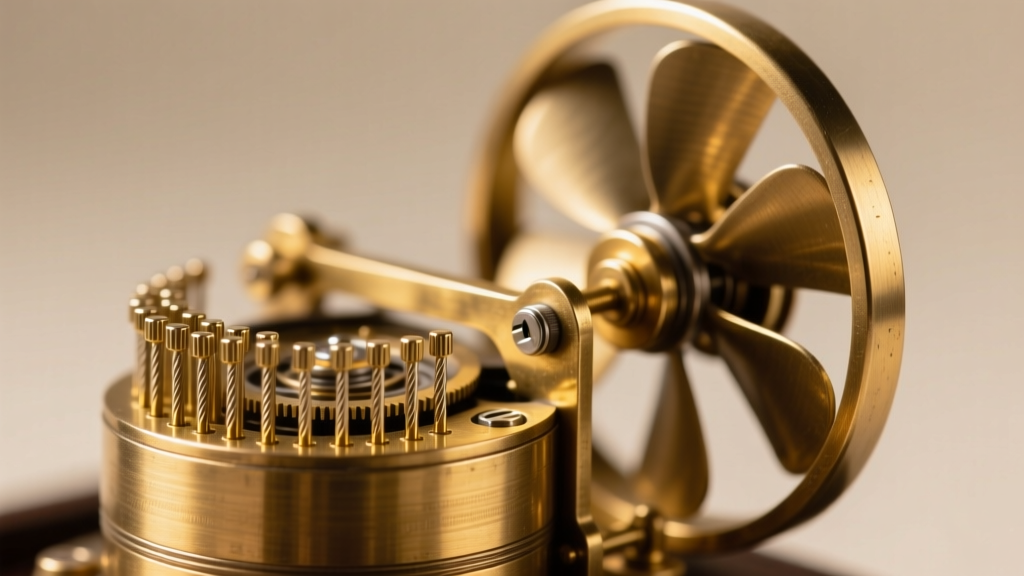
If the song plays at a frantic, demonic speed, or if the cylinder stops entirely mid-note, the issue lies in the governor—a tiny fan blade that uses air resistance to regulate the mainspring's release. Over decades, dust accumulates on the fan's worm gear, or the original factory lubricant turns into a sticky resin.
- The Fix: Never use WD-40 or standard oils, as they will attract more dust and eventually seize the gears. Use a micro-brush dipped in VM&P Naphtha to gently dissolve the old, gummy lubricant on the brass gears. Once dry, apply a microscopic drop of synthetic clock oil (like Moebius 9010) to the pivot points using a 0.5mm oiler pin.
2. Cylinder Pin Snagging (Tinkling or Missing Notes)
If specific notes fail to play or produce a harsh metallic scraping sound, a pin on the brass cylinder may be slightly bent, catching the steel tooth of the comb.
- The Fix: According to guidelines from the Musical Box Society International, attempting to bend the pins back into place with tweezers often results in snapping them off entirely. Instead, use a piece of stiff, smooth paper (like a business card) to gently slide between the comb and the cylinder while slowly winding the key backward to free the snag without applying lateral pressure to the pin.
3. Winding Key Slippage
If the key spins freely without tensioning the mainspring, the square shaft connecting the key to the internal barrel has likely stripped the soft pot-metal coupling. You can reinforce this by wrapping a single layer of PTFE (plumber's) tape around the male shaft before reattaching the key, creating a custom friction fit.
Restoring Faux-Gold Filigree and Resin Exteriors
Many Anastasia replica boxes feature ornate, Imperial Russian-inspired crests and borders. These are rarely real metal; they are typically painted resin or MDF coated with a metallic mica powder sealed in a nitrocellulose lacquer. Using standard brass polish (like Brasso) will instantly strip this lacquer, leaving you with dull, gray plastic.
To safely clean and restore the exterior luster without damaging the painted finish, use a mild, non-ionic surfactant. Orvus WA Paste (a conservation-grade cleaner used by quilt and antique restorers) diluted in distilled water is ideal. Apply it with a soft goat-hair brush to lift grime from the intricate crevices of the filigree, then wipe away with a barely damp microfiber cloth. If the lacquer has chipped, you can carefully touch up the gold leaf effect using a water-based acrylic gold paint (such as Golden Fluid Acrylics in Iridescent Gold) applied with a 10/0 spotter brush.
Replacing the Lining: Adhesives and Archival Materials
The original lining in these boxes is usually a polyester-rayon blend adhered with acidic hot-melt glues. Over time, this fabric degrades, releases sulfur compounds, and causes the underlying MDF to warp. Replacing the lining is critical for both aesthetics and jewelry safety.
When selecting a replacement fabric, you must use acid-free, un-dyed cotton velvet or archival-grade flannel. Synthetic velvets generate static electricity, which attracts dust to your gemstones, while dyed fabrics can bleed onto porous gems like pearls and turquoise in high humidity.
Choosing the Right Adhesive
The adhesive you choose must not off-gas volatile organic compounds (VOCs) that cause metal tarnish. Below is a troubleshooting chart for common adhesives used in jewelry box restoration.
| Adhesive Type | Chemical Base | Off-Gassing Risk | Verdict for Jewelry Boxes |
|---|---|---|---|
| Cyanoacrylate (Super Glue) | Acrylic Resin | High (Fumes cause instant silver tarnish) | Avoid - Will blacken silver upon closure. |
| Jade 403 PVA | Polyvinyl Acetate | None (Once fully cured) | Excellent - Archival, flexible, and safe. |
| Hot Melt Glue | Ethylene Vinyl Acetate | Low | Poor - Too thick, creates lumps under velvet. |
| BEVA 371 | Ethylene Vinyl Acetate / Resin | None | Excellent - Professional conservation standard. |
For DIY restorers, Jade 403 PVA is the most accessible and safest choice. Apply it thinly to the MDF using a foam brush, wait three minutes for it to become tacky, and carefully press your archival velvet into place, using a bone folder to smooth out air bubbles.
Troubleshooting Severe Tarnish and Off-Gassing
If your silver jewelry is turning black within days of being stored in your Anastasia movie jewelry box, the box itself is the culprit. The MDF wood and the urea-formaldehyde resins used to bind the wood fibers continuously off-gas sulfur and acidic compounds. Furthermore, the mirrors often glued to the inside of the lid contain silver-nitrate backings that can react with ambient humidity to create a corrosive microclimate.
To neutralize this hostile environment without completely rebuilding the box from solid hardwood, you must introduce passive chemical scavengers.
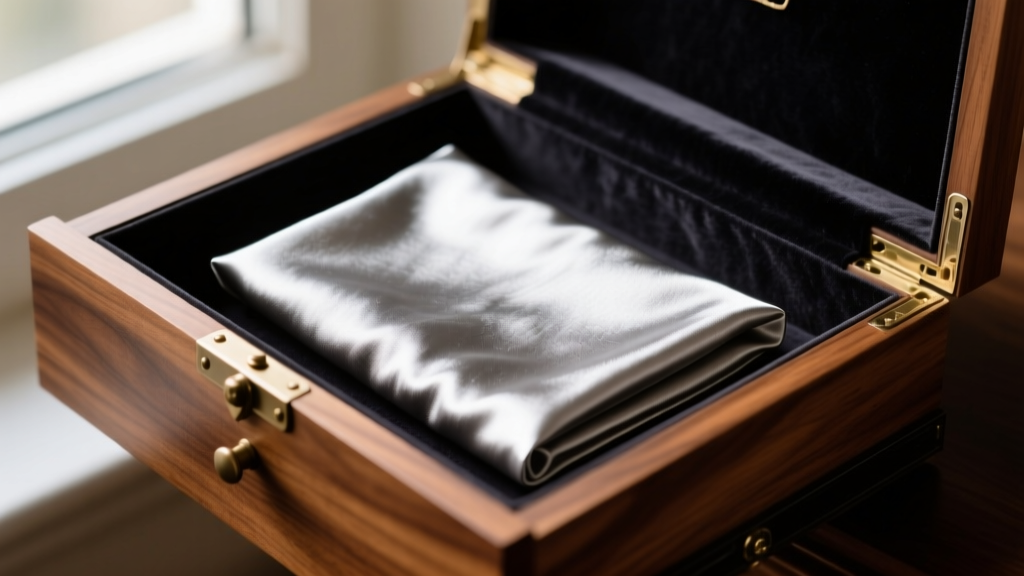
- Pacific Silvercloth Lining: Line the underside of the lid and the bottom of the main compartment with Pacific Silvercloth. This specialized cotton flannel is embedded with microscopic silver particles that act as a sacrificial anode, absorbing hydrogen sulfide gases before they reach your jewelry.
- Activated Charcoal Sachets: Place two small, breathable muslin bags filled with activated bamboo charcoal in the lower drawers. Charcoal acts as a desiccant and a chemical adsorbent, trapping formaldehyde and sulfur molecules. Replace these sachets every six months.
- 3M Anti-Tarnish Strips: Tuck a 3M copper-based anti-tarnish strip into the hinge gap of the lid. These strips intercept airborne sulfides and are proven by the American Institute for Conservation to be highly effective in enclosed microenvironments.
Stabilizing Stripped Hinges in Particle Board
The final, and perhaps most common, structural failure in these vintage movie replicas is the tearing of the brass lid hinges. Because the boxes are made of MDF, the original wood screws easily strip out the soft fibers, causing the heavy lid to sag, misalign the music box trigger, and eventually snap the hinge pins.
Do not simply force a larger screw into the hole; this will split the MDF casing. Instead, use the conservation-grade "epoxy-dowel" method:
- Clear out the stripped screw hole using a 2mm drill bit.
- Fill the void with a two-part clear epoxy (such as JB Weld Clear) mixed with fine wood dust.
- Insert a tightly fitting bamboo skewer or hardwood dowel into the epoxy and let it cure for 24 hours.
- Once hardened, snap the dowel flush with the surface, drill a new 1.5mm pilot hole, and reattach the original brass screw. The epoxy-impregnated bamboo provides a structural grip far stronger than the original MDF, ensuring the lid will safely trigger the music mechanism for decades to come.
Restoring an Anastasia movie jewelry box requires patience and a departure from standard household fixes. By understanding the specific material science of 1990s replica manufacturing—from the delicate brass governors of the music movement to the sulfur-laden MDF interiors—you can preserve both the magic of the melody and the pristine condition of the jewelry stored within.


