Antique Black Lacquer Jewelry Box: 2026 Trend Guide
Discover why the antique black lacquer jewelry box is the ultimate 2026 storage trend. Learn authentication, anti-tarnish science, and styling tips.

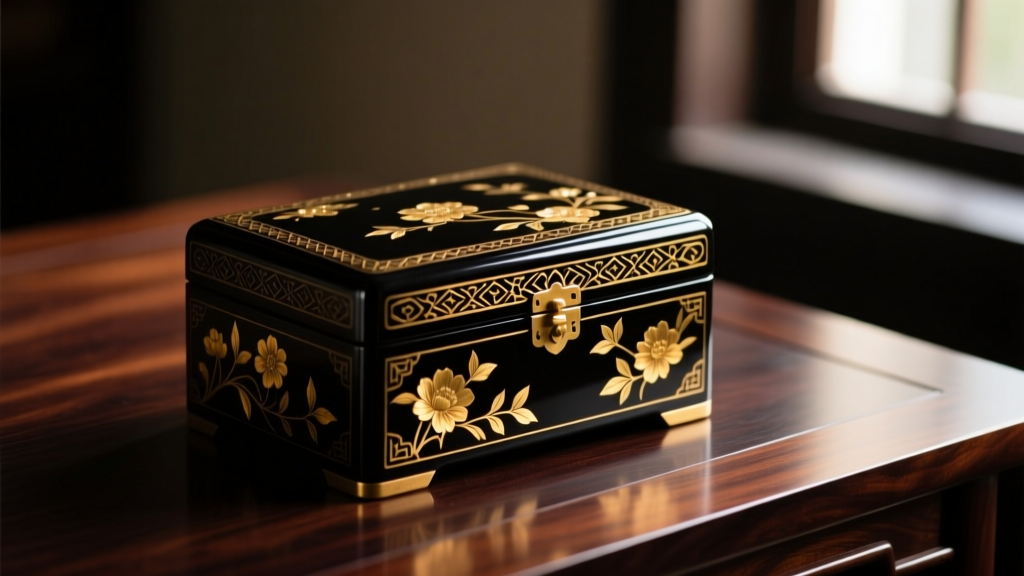
In 2026, the jewelry storage landscape has decisively pivoted away from sterile, mass-produced acrylic organizers. Today’s collectors and style enthusiasts are embracing 'heirloom maximalism' and dark academia aesthetics, driving a massive resurgence in the antique black lacquer jewelry box. Far more than a mere decorative vessel, these historical pieces represent a masterclass in material science, offering unparalleled anti-tarnish properties while serving as striking sculptural anchors in modern dressing rooms.
This comprehensive guide explores the craftsmanship, functional benefits, and authentication frameworks you need to navigate the booming market for antique lacquered storage.
The Dark Academia Revival: Why Black Lacquer is Dominating 2026 Interiors
The contemporary design forecast for 2026 heavily favors moody, narrative-driven interiors. The antique black lacquer jewelry box fits perfectly into this zeitgeist. Unlike modern velvet-lined boxes that can off-gas synthetic dyes and accelerate metal oxidation, antique lacquer provides a brooding, sophisticated silhouette that contrasts beautifully with the brilliant sparkle of diamonds, gold, and polished silver.
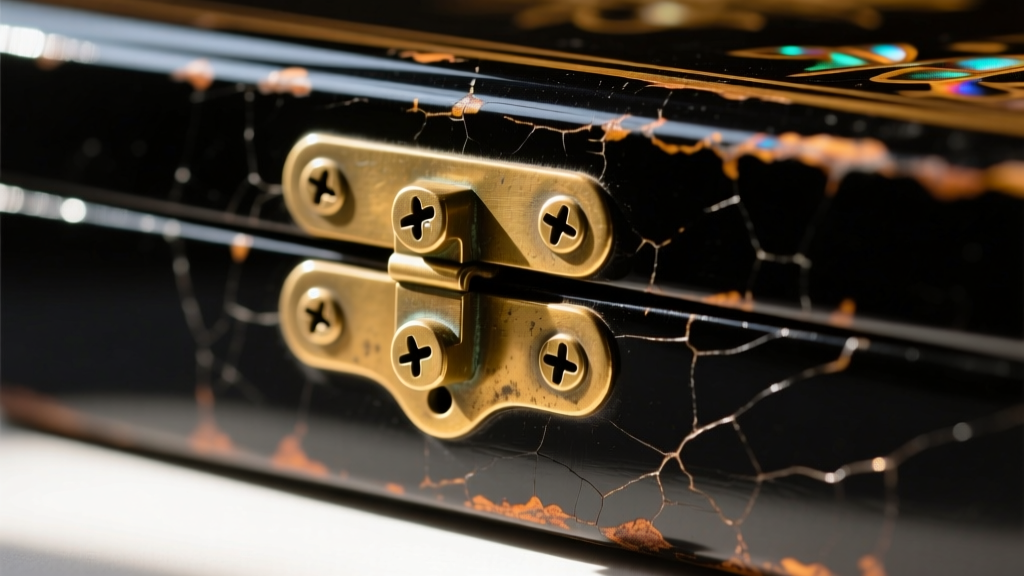
Collectors are specifically seeking out pieces that show honest wear—subtle crazing in the finish, worn brass escutcheons, and faded interior silk linings. These imperfections are no longer viewed as damage; they are prized markers of provenance. Integrating a 19th-century lacquered casket onto a modern marble vanity creates a tactile tension that defines current luxury styling.
Decoding the Craft: Urushi, Coromandel, and Japanning
To the untrained eye, all black lacquer looks identical. However, an expert collector must distinguish between three vastly different historical techniques, each with unique implications for jewelry preservation and valuation.
| Technique | Origin | Base Material | Est. Antique Price Range | Tarnish Resistance |
|---|---|---|---|---|
| Urushi (True Lacquer) | Japan | Keyaki or Hinoki Wood | $800 - $3,500+ | Exceptional (Non-porous) |
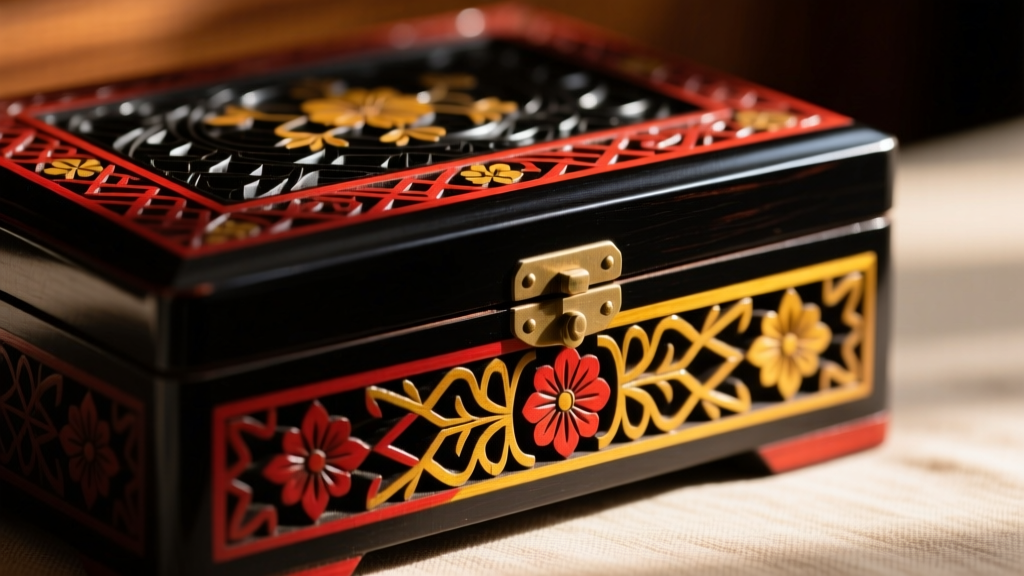
| Coromandel (Carved) | China | Camphor or Pine | $400 - $2,500 | High (Sealed layers) |
| Japanning (Imitation) | Europe | Pine or Oak | $150 - $600 | Moderate (Prone to flaking) |
True Asian lacquer is not a resin but the toxic sap of the Toxicodendron vernicifluum tree. According to the Metropolitan Museum of Art, this sap requires high humidity to cure, polymerizing into a plastic-like finish that is entirely impervious to water, acids, and atmospheric pollutants. European 'Japanning,' developed in the 17th century to mimic Asian imports, relied on asphaltum and shellac. While beautiful, Japanning remains slightly porous and is highly susceptible to chipping and solvent damage.
Functional Elegance: The Anti-Tarnish Science of Lacquered Wood
Silver and copper alloys tarnish when exposed to hydrogen sulfide and moisture in the ambient air. The primary advantage of storing precious metals in an antique black lacquer jewelry box lies in the microscopic seal created by the lacquer.
'A fully cured, authentic urushi or multi-layered Coromandel finish acts as an impermeable barrier. Unlike modern MDF boxes lined with acidic glues that outgas sulfur compounds, a properly sealed antique wooden casket creates a stable microclimate, drastically slowing the formation of silver sulfide.'
Substrate Matters: The Camphor Wood Advantage
Many high-quality Chinese Coromandel boxes were constructed using camphor wood (Cinnamomum camphora). Beyond its structural stability, camphor wood naturally exudes aromatic oils that act as a potent moth and insect repellent. This is crucial for protecting natural pearl strands, silk bead cords, and organic gemstones like coral and amber from insect damage over decades of storage.
Authentication Framework: Spotting True Antiques vs. Modern Reproductions
The market is flooded with 1970s revival pieces and modern distress-fake reproductions. Use this structural checklist to authenticate a genuine 19th-century or early 20th-century piece:
- Craquelure (Alligatoring): Authentic age-related cracking follows a random, organic pattern, often pooling in the recesses of carvings. Faux crackle applied by modern manufacturers looks uniform and often sits on top of the gold leaf rather than beneath it.
- Joinery: Inspect the interior corners. True antiques will feature hand-cut dovetail joints or traditional wooden peg joinery. The presence of modern staples, Phillips-head screws, or machine-cut uniform dovetails immediately dates the box to post-1950.
- Hardware Patina: Original brass hinges and clasps should exhibit a deep, uneven patina. Look closely at the screws securing the hinges; antique hand-cut screws feature off-center slots and slightly irregular threads.
- Weight and Resonance: Authentic lacquer requires a thick, heavy wood substrate and dozens of base coats. A genuine piece will feel surprisingly dense and emit a dull, solid thud when tapped, whereas modern resin-coated MDF will sound hollow.
Conservation and Maintenance for the Modern Collector
Owning an antique black lacquer jewelry box requires specific conservation practices to preserve both the exterior finish and the interior jewelry environment. Never use modern furniture polishes, silicone-based sprays, or water on antique lacquer. Silicone can penetrate micro-cracks and permanently cloud the finish.
Instead, conservation experts recommend the application of a high-grade microcrystalline wax, such as Renaissance Wax. Originally developed by the British Museum, this wax is pH-neutral and provides a stable, non-yellowing barrier that enhances the depth of the black lacquer without trapping moisture. Apply a microscopic amount with a lint-free cotton cloth, let it haze for ten minutes, and buff gently.
Sourcing and Pricing Guide
When hunting for the perfect piece, reputable antique platforms like 1stDibs, Ruby Lane, and specialized auction houses remain the safest avenues. Expect to pay between $300 and $800 for a standard, well-preserved 19th-century Chinese Coromandel box with minor interior wear. Imperial Japanese Urushi boxes featuring maki-e (sprinkled gold dust) landscapes command premium prices, frequently exceeding $2,500.
For European Japanning pieces, the Victoria and Albert Museum notes that condition is paramount, as the asphaltum-based layers are notoriously difficult to restore once flaked. Budget $150 to $400 for these pieces, but ensure the structural wood has not warped, which causes the rigid Japanning to shatter.
Integrating Heritage Storage into Modern Collections
The antique black lacquer jewelry box is more than a fleeting 2026 trend; it is a return to functional art. By understanding the material science of true lacquer, the historical context of camphor wood substrates, and the rigorous authentication markers of antique hardware, collectors can secure pieces that protect their most valuable gems while anchoring their interior design with centuries of undeniable elegance.


