Book Jewelry Box Care: Cleaning and Maintenance Guide
Learn how to properly clean, maintain, and protect your book jewelry box interior and exterior to prevent tarnish and extend its lifespan.

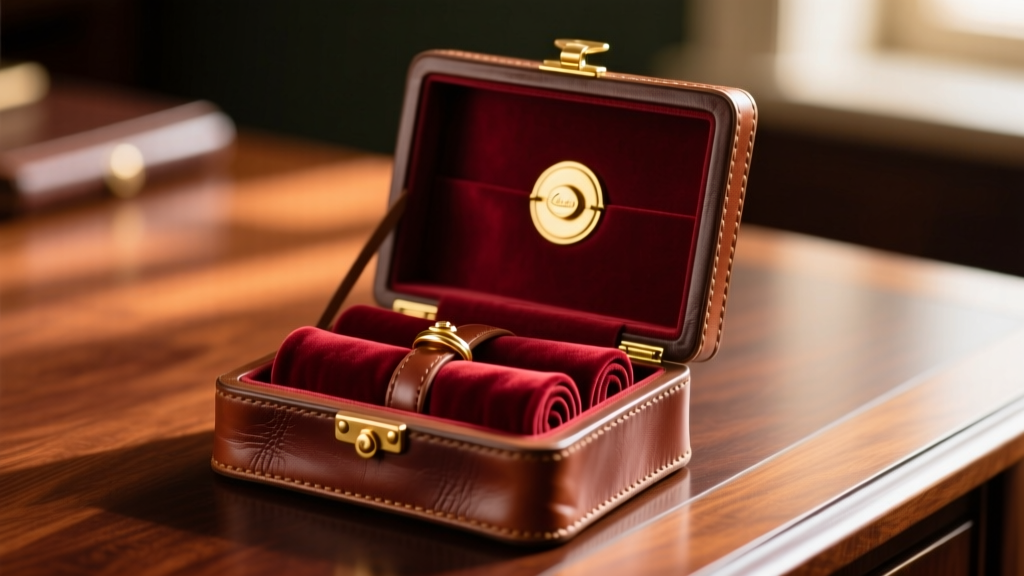
The Unique Anatomy of a Book Jewelry Box
A book jewelry box offers a brilliant fusion of discrete aesthetics and functional organization. Designed to mimic hardcover literature, these storage solutions often feature complex mixed-material constructions: a rigid cardboard or wood-paste spine, an exterior wrapped in polyurethane (PU) leather, genuine top-grain leather, or linen canvas, and an interior lined with velvet, suede, or microfiber. While they look stunning on a vanity or bookshelf, their intricate hinges, glued bindings, and plush interiors require a highly specific maintenance regimen. Neglecting a book jewelry box can lead to crushed velvet piles, tarnished silver, seized metal hinges, and delaminating covers.
This comprehensive guide provides expert-level care, maintenance, and cleaning protocols to ensure your book-style organizer remains in pristine condition while keeping your precious metals and gemstones safe from environmental degradation.
Material Breakdown: What You Are Working With
Before applying any cleaner, you must identify the specific materials used in your box. Using an alcohol-based cleaner on a PU leather cover will cause irreversible clouding, while over-wetting a linen binding can warp the internal cardboard armature.
| Component | Common Materials | Approved Cleaning Agents | Strictly Avoid |
|---|---|---|---|
| Exterior Cover | PU Leather, Genuine Leather, Linen | Mild saddle soap, microfiber, upholstery foam | Alcohol, bleach, ammonia, soaking water |
| Interior Lining | Velvet, Suede, Felt, Microfiber | Lint rollers, soft-bristle brushes, steam | Liquid stain removers, harsh detergents |
| Hardware | Brass, Zinc Alloy, Steel Hinges | Dry PTFE lubricant, jewelry polishing cloth | WD-40, wet oils, abrasive pastes |
| Adhesives | PVA (Polyvinyl Acetate), Hide Glue | Flexible craft glues for repairs | Cyanoacrylate (Super Glue), hot glue |
Exterior Care: Dusting, Leather, and Fabric Bindings
The exterior of your book jewelry box acts as the first line of defense against dust and UV damage. Because these boxes are often stored on open shelves, they accumulate particulate matter that can scratch the finish when opened and closed.
Faux and Genuine Leather Covers
For PU (vegan) leather, a simple wipe-down with a slightly damp microfiber cloth is usually sufficient. However, if your book jewelry box is wrapped in genuine top-grain or full-grain leather, it requires periodic conditioning to prevent the cover from cracking along the 'spine' hinge. According to the Library of Congress Preservation Guidelines, leather should be kept away from direct heat and treated sparingly with specialized conditioners. Apply a pea-sized amount of a high-quality leather conditioner (such as Chamberlain's Leather Milk or Lexol) to a soft cloth, rub it into the cover in circular motions, and let it absorb for 15 minutes before buffing off the excess. Never apply conditioner directly to the box, as it can seep into the interior lining.
Linen and Canvas Bindings
Linen-wrapped book boxes are highly susceptible to water spots and oil stains from hands. To clean a linen exterior, use a dry, soft-bristled horsehair brush to gently flick dust out of the woven fibers. For localized stains, use a dry-cleaning upholstery sponge (often called a 'soot sponge') which lifts oils without introducing moisture that could warp the underlying cardboard structure.
Interior Maintenance: Velvet Linings and Anti-Tarnish Tech
The interior environment of a book jewelry box is a microclimate. When closed, air circulation halts, which can trap humidity and accelerate tarnishing if the box is not properly maintained.
Reviving Crushed Velvet and Suede
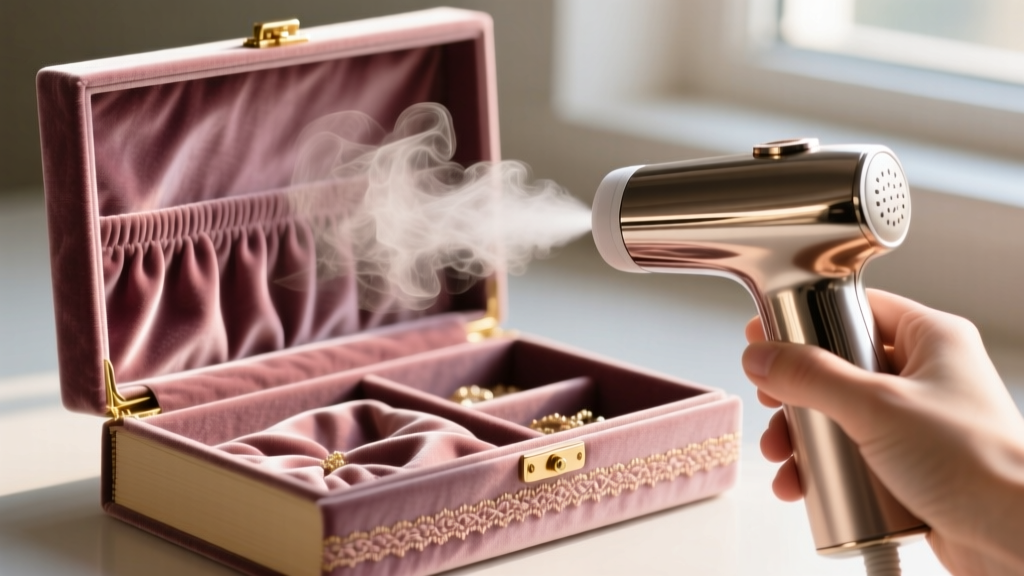
Over time, the weight of heavy jewelry (like chunky silver cuffs or stacked rings) will crush the velvet pile, leaving permanent-looking indentations that trap dust and dead skin cells. To revive the velvet, do not use a wet cloth. Instead, use a handheld garment steamer. Hold the steamer nozzle at least 6 to 8 inches away from the velvet lining and apply short, one-second bursts of steam. The gentle heat and moisture will cause the crushed synthetic or cotton fibers to swell and stand back up. Immediately follow this by gently brushing the velvet in one direction with a soft-bristled suede brush or a clean, dry makeup blending brush.
Managing Anti-Tarnish Environments
Silver and copper alloys react with hydrogen sulfide in the air to form tarnish. While a closed book jewelry box limits airflow, it does not eliminate it. Many premium book-style organizers include hidden pockets for anti-tarnish strips. According to the Gemological Institute of America (GIA), controlling the environment is the most effective way to prevent silver sulfide formation. If your box utilizes 3M or Intercept Technology anti-tarnish strips, you must replace them every 6 to 12 months. Once the copper-treated polymer turns dark gray or black, it is fully saturated and will no longer protect your jewelry. Keep a pack of replacement strips in your vanity drawer and set a bi-annual calendar reminder to swap them out.
Hardware and Hinge Lubrication
The most common mechanical failure in a book jewelry box occurs at the metal hinges connecting the heavy 'cover' to the base. Because these hinges are often small and bear disproportionate weight, they can seize or begin to squeak.
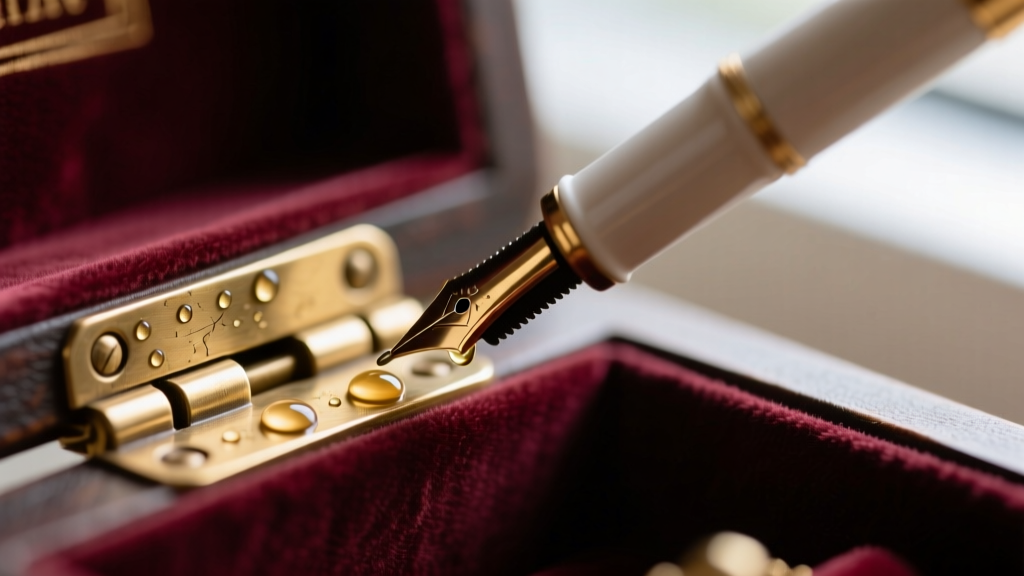
Never use standard WD-40 or wet oils. Wet lubricants will inevitably wick into the surrounding velvet or suede via capillary action, leaving a permanent, rancid-smelling grease stain. Furthermore, wet oils attract dust, creating an abrasive paste that will eventually grind the hinge to a halt. Instead, use a dry PTFE (Teflon) lubricant with a precision applicator pen. Apply a microscopic drop directly to the hinge knuckle, open and close the box a few times to work it in, and wipe away any excess with a cotton swab. The PTFE dries instantly, leaving a slick, dust-repellent film that protects the metal without threatening the fabric.
Troubleshooting Common Book Jewelry Box Issues
Even with meticulous care, environmental factors and daily use can cause specific issues. Use this expert troubleshooting framework to address them safely:
Issue: The box interior smells musty or sour.
Solution: Do not spray Febreze or liquid deodorizers inside, as the moisture will ruin the velvet and rust the hinges. Instead, place a small, breathable muslin bag filled with activated bamboo charcoal inside the closed box for 48 hours. The charcoal will safely absorb odor-causing volatile organic compounds (VOCs) and excess moisture without leaving a chemical residue.
Issue: The exterior 'spine' is peeling or delaminating.
Solution: If the leather or PU cover is pulling away from the cardboard spine, do not use cyanoacrylate (Super Glue), which dries hard, brittle, and can melt synthetic leathers. Use a flexible PVA (Polyvinyl Acetate) craft glue or specialized bookbinding glue. Apply a thin layer with a toothpick, press the material down, and use a low-tack painter's tape to hold it in place while it cures for 24 hours.
Best Practices for Storing Jewelry Inside
Proper maintenance of the box itself is only half the battle; how you load the box dictates its longevity. Always ensure jewelry is completely dry and free of lotions, perfumes, or sweat before placing it inside the book jewelry box. Trapped cosmetics will degrade the velvet lining and accelerate the oxidation of the metal hardware. For heavy items like gemstone-encrusted bangles, store them in the lower, wider compartments rather than hanging them on the interior 'door' or lid, which places undue lateral stress on the spine hinges and can cause the book structure to warp over time.


