Custom Jewelry Box Blueprints: 2026 DIY Storage Trends
Discover the top 2026 trends in custom jewelry box blueprints. Learn about archival linings, premium hardwoods, and exact dimensions for DIY storage.

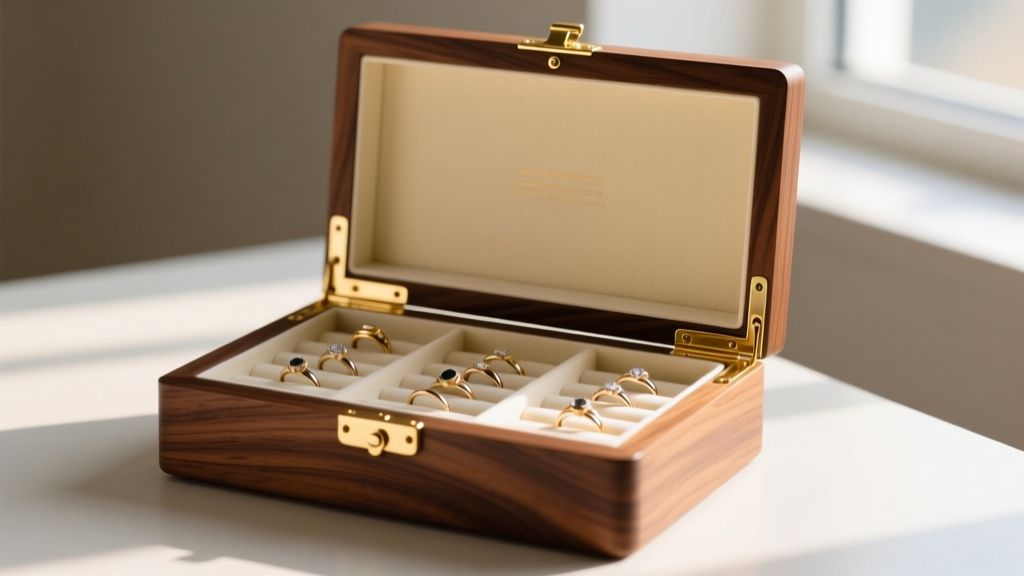
The search for premium jewelry box blueprints has surged as collectors and crafters alike reject mass-produced, chemically unstable storage in favor of bespoke, heirloom-quality alternatives. As we navigate the design landscape of 2026, the maker movement has shifted its focus toward archival-grade preservation. Building your own jewelry box is no longer just a woodworking exercise; it is an act of conservation. Whether you are protecting a vintage Cartier collection or everyday artisan silver, the blueprint you choose dictates the longevity of your pieces.
The Renaissance of Bespoke Storage
Mass-market jewelry organizers are frequently constructed from medium-density fiberboard (MDF) and lined with polyvinyl chloride (PVC) or synthetic suedes. These materials off-gas volatile organic compounds (VOCs) and acidic plasticizers that accelerate silver tarnishing and degrade the nacre of natural pearls. Custom jewelry box blueprints empower woodworkers to bypass these toxic shortcuts. By selecting stable hardwoods and museum-grade linings, DIY builders are creating microclimates that actively protect high-value assets. The modern blueprint prioritizes structural integrity, precise internal geometry, and chemical neutrality.
Analyzing 2026 Blueprint Trends: Form Meets Archival Function
This year’s most sought-after plans emphasize a marriage of mid-century modern aesthetics with rigorous conservation science. The trend is moving away from overly ornate, Victorian-style carving and toward clean, minimalist carcases that let the natural grain of the wood and the brilliance of the hardware take center stage.
Material Science: Selecting the Right Hardwoods
A common mistake in amateur blueprints is the use of aromatic woods like Spanish Cedar or Eastern Red Cedar for the interior. While these woods resist insects, their acidic oils and volatile terpenes will permanently etch silver and destroy the delicate luster of pearls and opals. The 2026 standard for premium boxes relies on Juglans nigra (Black Walnut) or Acer saccharum (Hard Maple) for the carcase, prized for their dimensional stability. According to Fine Woodworking, ensuring your lumber is acclimated to an Equilibrium Moisture Content (EMC) of 6-8% is critical before milling. This prevents the carcase from warping and binding the delicate internal drawers over time.
The Integration of Archival Linings
Top-tier blueprints now include specific recess depths to accommodate multi-layer lining systems. The gold standard is Pacific Silvercloth, a cotton flannel embedded with microscopic silver particles that intercept and trap hydrogen sulfide (H2S) gases before they can reach your jewelry. For gemstone compartments, acid-free Jade velvet or unbleached, washed cotton linen are the preferred substrates. The Gemological Institute of America (GIA) specifically notes that organic gems like pearls require a slightly humid environment and should never be stored in airtight plastic or dry, acidic synthetic fabrics, making breathable, archival cloth linings essential.
Deconstructing a Master Blueprint: Key Dimensions & Joinery
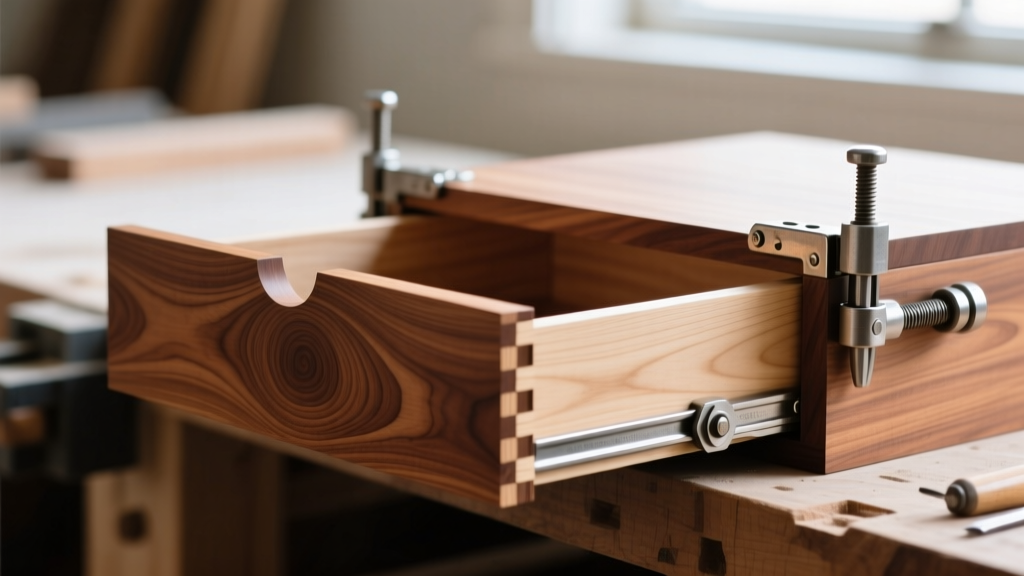
A flawless exterior means nothing if the internal geometry fails to accommodate modern jewelry proportions. Contemporary blueprints must account for oversized statement rings, multi-strand chain necklaces, and heavy automatic watches. The joinery must also withstand the repetitive stress of daily use. Spline miters or half-blind dovetails are the standard for the main carcase, while internal dividers utilize precise dado and rabbet joints cut to tolerances of 1/64th of an inch.
| Component | Ideal Dimension | Tolerance | Design Notes |
|---|---|---|---|
| Ring Roll Diameter | 1.25" - 1.50" | +/- 1/16" | Accommodates wide bands and heavy signet rings without crushing the velvet. |
| Necklace Drop Zone | 14.0" - 18.0" | +/- 1/4" | Prevents tangling of standard 16" chains; requires padded lateral dividers. |
| Watch Pillow | 2.5" x 2.0" | +/- 1/8" | Sized for standard 42mm watch cases; must use non-silicone stuffing to prevent moisture trapping. |
| Lid Clearance | 3.5" minimum | N/A | Allows vertical clearance for tall gemstone settings and tiara-style pieces. |
Hardware & Hinges: The Unsung Heroes
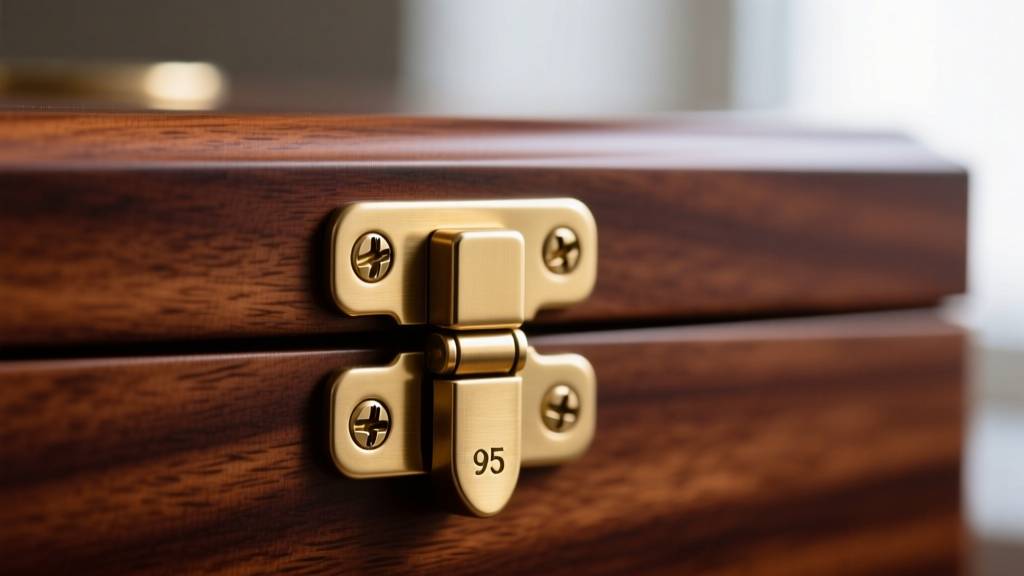
The most frequent point of failure in DIY jewelry boxes is the hinge hardware. Standard steel butt hinges will eventually rust, sag, and stain the surrounding wood and fabric. The 2026 blueprint consensus mandates the use of solid brass, machined stop hinges. Brands like Brusso have become the undisputed industry standard for high-end box making. Their 95-degree stop hinges feature a built-in mechanical stop that prevents the lid from hyper-extending and snapping backward, which protects both the hinge screws and the delicate internal lining. When installing these, woodworkers are advised to use quadrex or Robertson drive screws to prevent cam-out and avoid stripping the soft brass screw heads.
Sourcing Premium Blueprints and Plans
Finding reliable, conservation-focused plans requires looking beyond basic craft blogs. The best resources offer full CAD drawings, cut lists, and hardware sourcing guides. Platforms like Lee Valley Tools often provide free, highly detailed schematics when you purchase their premium hardware kits. Additionally, specialized woodworking guilds and digital marketplaces like Etsy have seen a rise in master woodworkers selling comprehensive, multi-page PDF blueprints that include step-by-step instructions for cutting complex compound angles for hidden compartments and secret drawers.
"A jewelry box is not merely a container; it is a microclimate. The materials you choose, from the moisture content of the walnut to the chemical composition of the glue, dictate the chemical fate of the metals and gems inside."
Final Thoughts on the Custom Storage Movement
The evolution of jewelry box blueprints reflects a broader cultural shift toward sustainability, craftsmanship, and the preservation of personal history. By understanding the material science of wood movement, the chemistry of tarnish, and the precise geometry required for modern jewelry, DIY builders are creating functional heirlooms. Whether you are a seasoned woodworker or an ambitious beginner, investing time in a high-quality, archival-focused blueprint will ensure your collection remains pristine for generations to come.


