How to Fix or Replace a Juicy Couture Jewelry Box Charm
Troubleshoot broken, lost, or snagging zipper pulls with our expert guide to fixing or replacing a Juicy Couture jewelry box charm.

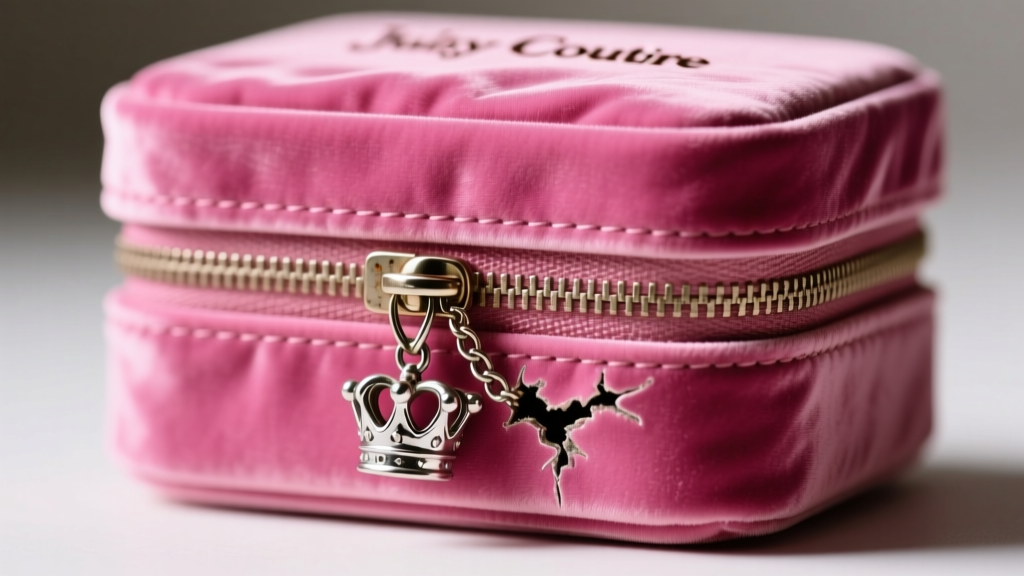
The Anatomy of a Juicy Couture Zipper Charm
The iconic Y2K-era Juicy Couture jewelry box is a staple for many collectors and vintage fashion enthusiasts. Known for their plush velvet exteriors, satin linings, and heavy, ornate zipper pulls, these boxes are as much a display piece as they are a functional storage solution. However, the very hardware that makes them iconic is often their weakest point. If you are dealing with a broken, lost, or snagging Juicy Couture jewelry box charm, understanding the anatomy of the assembly is the first step toward a lasting repair.
Most of these boxes utilize a standard YKK #3 or #4 nylon coil zipper. The zipper slider features a small, flat metal loop (the pull tab). Attached to this tab is a lightweight steel split ring, which in turn holds the decorative charm. The charms themselves—often shaped like crowns, hearts, padlocks, or the signature 'J' logo—are typically die-cast from Zamak (a zinc-aluminum-magnesium-copper alloy) and finished with a thin electroplated layer of nickel, silver, or gold-tone paint. Because the charm is disproportionately heavy compared to the delicate split ring and aluminum slider, mechanical failure is incredibly common.
Troubleshooting Common Charm Failures
Before attempting a repair, you must accurately diagnose the failure point. Replacing the wrong component can lead to recurring damage or, worse, damage to the zipper teeth and the velvet exterior. Below is a diagnostic framework for the most frequent issues encountered with these specific boxes.
| Symptom | Root Cause | Diagnostic Check | Repair Strategy |
|---|---|---|---|
| Charm completely detached | Split ring fatigue or metal snap | Inspect the slider loop for deformation | Upgrade to a 2mm brass split ring |
| Zipper snags when opening | Charm swinging into nylon coil teeth | Check charm weight and ring diameter | Add a stabilizing jump ring or shorten the drop |
| Charm surface is pitted or crumbling | Zamak oxidation (zinc rot) | Look for white, powdery residue under plating | Seal with microcrystalline wax or replace charm |
| Slider pull tab snapped off | Lateral torque from heavy charm | Check if the slider body is still intact | Replace the entire zipper slider or use a lobster clasp |
Issue 1: The Split Ring Detachment
The most frequent point of failure is the factory-installed split ring. Manufacturers often use 1.0mm or 1.2mm gauge plated steel rings to cut costs. Over time, the repetitive lateral stress of opening and closing the box causes metal fatigue, and the ring snaps. To permanently fix this, you need to upgrade the finding. According to hardware specialists at Rio Grande Jewelry Supply, moving to a higher gauge and a more resilient metal is critical for load-bearing connections.
Source a 10mm to 12mm diameter split ring made from 18-gauge (approx. 1.0mm - 1.2mm wire thickness) solid brass or 316L stainless steel. Do not use standard jewelry jump rings (which are not split and will easily pull open under the weight of a heavy Zamak charm). To install the new split ring without bending it out of shape, use a dedicated split ring plier (such as those made by Beadalon or Xuron). The plier's micro-beak will cleanly separate the coils of the ring, allowing you to slide it through the zipper's pull tab and the charm's top loop seamlessly.
Issue 2: Zinc Alloy Oxidation and Pitting
If your Juicy Couture jewelry box charm looks like it is 'melting,' flaking, or developing a white, chalky crust, it is suffering from zinc rot. Zamak is highly susceptible to galvanic corrosion and oxidation when exposed to high humidity or the acidic oils from human hands. Once the electroplating wears thin, moisture penetrates the alloy, causing it to expand and crumble from the inside out.
If the structural integrity of the charm is still intact, you can halt the degradation. First, gently brush away any loose, powdery residue with a soft-bristled fiberglass scratch pen or a dry toothbrush. Next, apply a thin, even coat of Renaissance Wax (a microcrystalline wax used by museum conservators) using a lint-free cotton cloth. Buff it gently after 10 minutes. This creates an oxygen and moisture barrier that will preserve the charm in its current state, preventing further pitting. The Gemological Institute of America (GIA) frequently recommends microcrystalline waxes for stabilizing vulnerable antique and vintage metalwork without altering its patina.

How to Source Authentic Replacement Charms
If your charm is entirely missing or too degraded to save, sourcing an exact OEM (Original Equipment Manufacturer) replacement is challenging, as Juicy Couture does not sell replacement hardware for their legacy storage lines. However, as of 2026, the secondary market for Y2K fashion artifacts is robust.
- Etsy and eBay: Search for 'vintage Y2K replacement charms' or 'donor Juicy Couture box.' Many sellers part out damaged boxes, selling the pristine hardware separately.
- Custom Resin Casting: If you have a friend with a similar box, you can use a two-part silicone mold-making compound (like OOMOO 30) to cast a perfect negative of the original charm, then fill it with a high-density polyurethane resin. Paint it with metallic acrylics and seal it with a UV-resistant clear coat.
- Weight Matching: When selecting a generic replacement charm (such as a vintage brass heart or crown), weigh it on a digital jewelry scale. Keep the replacement under 18 grams. Anything heavier will put excessive torque on the #3 nylon coil zipper, eventually causing the slider to derail or the fabric tape to tear away from the velvet shell.
Upgrading to Heavy-Duty Hardware
If the flat metal pull tab on the zipper slider itself has snapped off, you cannot simply tie a new charm to the slider body. You must improvise a new attachment point that maintains the functionality of the zipper. Here is a step-by-step framework for a heavy-duty hardware upgrade:
- Remove the Slider Stop: Use flush cutters to carefully remove the metal top stop on the zipper tape. Slide the zipper slider completely off the track.
- Drill a Micro-Pilot Hole: Using a Dremel with a 0.8mm diamond burr bit, carefully drill a tiny hole through the thick metal 'nose' of the zipper slider body. Ensure you do not drill through the internal cavity where the zipper teeth feed.
- Attach a Lobster Clasp: Thread a 12mm heavy-duty stainless steel lobster clasp through the newly drilled hole. Secure it with a 1.5mm brass jump ring, ensuring the jump ring is closed flush with chain-nose pliers.
- Re-thread and Secure: Slide the modified zipper back onto the nylon coil teeth and crimp a new metal top stop in place to prevent the slider from sliding off the track in the future.
- Hang the Charm: Clip your Juicy Couture jewelry box charm directly onto the lobster clasp. This not only looks highly intentional and industrial-chic but also allows you to easily remove the charm when traveling to prevent it from crushing against other items.
Storage Best Practices to Prevent Charm Damage
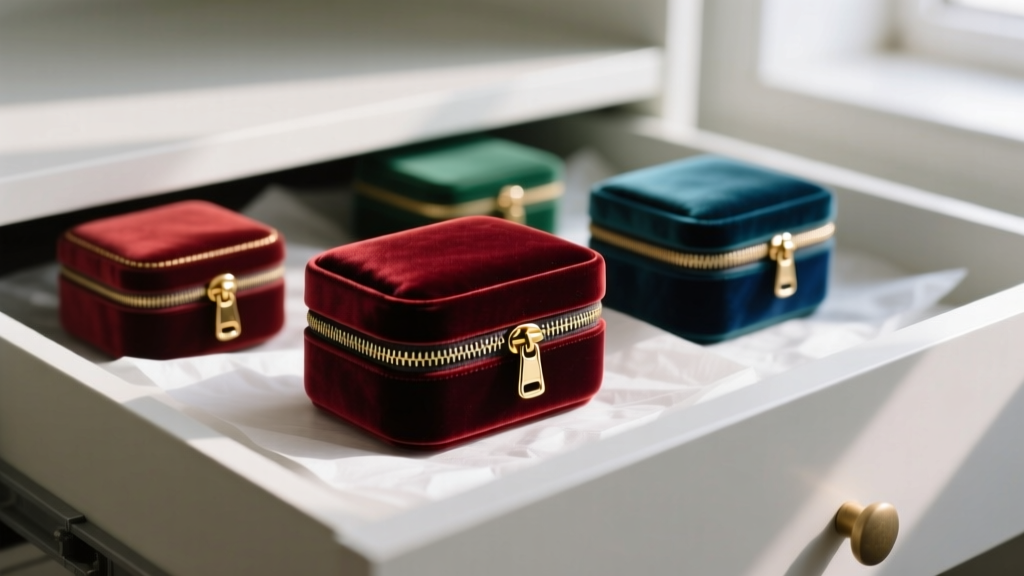
How you store these specific boxes is just as critical as how you repair them. The heavy metal charms are notorious for causing 'crush marks' in the plush velvet pile of the box beneath them, and the sharp edges of the zinc alloy can easily scratch PU leather or PVC finishes. To maintain your collection in pristine condition, follow these archival storage protocols:
First, never stack Juicy Couture boxes directly on top of one another in a drawer or on a shelf. If vertical stacking is necessary due to space constraints, you must interleave a layer of protection. According to preservation guidelines from Archival Methods, using unbuffered, acid-free tissue paper or 2mm polyethylene foam sheets between boxes will distribute the weight of the metal charm and prevent the velvet from becoming permanently matted.
Second, control the ambient humidity. Because the charms are prone to zinc rot, storing these boxes in a damp environment (like a bathroom vanity or an uninsulated basement) will accelerate metal degradation. Keep the storage area between 40% and 50% relative humidity. Toss a few silica gel desiccant packets (specifically indicating silica that changes color when saturated, so you know when to recharge them in the oven) into the drawer or shelf where the boxes reside.
Finally, if the box is being placed into long-term storage or a display case, tuck the charm inside the box itself. Zip the box shut, wrap the charm in a small square of anti-tarnish treated flannel (such as Pacific Silvercloth), and place it inside the satin-lined interior. This completely removes the mechanical stress from the zipper slider, prevents the charm from scratching the exterior, and protects the plating from airborne sulfur compounds that cause tarnishing.
Conclusion
Troubleshooting a broken Juicy Couture jewelry box charm requires a blend of jewelry repair techniques and archival preservation knowledge. By upgrading cheap factory split rings to solid brass, stabilizing oxidizing Zamak with microcrystalline wax, and implementing proper stacking protocols, you can ensure these iconic Y2K storage pieces remain both functional and beautiful for decades to come. Treat the hardware with the same respect you would give to fine jewelry, and your storage collection will stand the test of time.


