Best Materials for a Unique Jewelry Holder: A Preservation Guide
Discover how material properties impact jewelry preservation. Compare wood, acrylic, concrete, and brass to find the perfect unique jewelry holder.

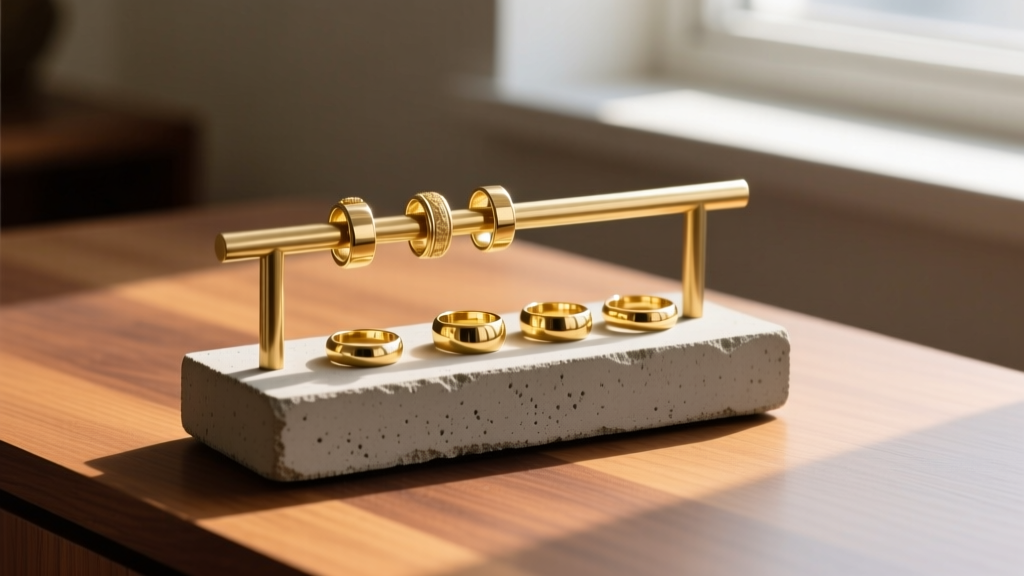
When collectors and enthusiasts search for a unique jewelry holder, aesthetics and spatial design usually drive the decision. However, from a materials science perspective, a jewelry holder is a micro-environment that can either preserve or actively degrade your collection. The interaction between storage materials and precious metals, pearls, or porous gemstones is governed by off-gassing, moisture retention, and galvanic reactions. A visually striking organizer might inadvertently be destroying your heirloom pieces through microscopic chemical warfare.
In this comprehensive guide, we analyze the physical and chemical properties of popular materials used in high-end and artisanal jewelry storage. By understanding Mohs hardness, pH levels, and volatile organic compound (VOC) off-gassing, you can select a unique jewelry holder that serves as an archival-grade vault for your most prized possessions.
The Hidden Chemistry of Jewelry Storage
Before evaluating specific materials, it is crucial to understand the primary enemies of jewelry preservation: hydrogen sulfide (H2S), ambient moisture, and acetic acid. Silver tarnishes when it reacts with H2S in the air, forming silver sulfide. Copper and brass develop verdigris when exposed to moisture and chlorides. Pearls and opals, which contain structural water, can crack or lose their luster in environments with extreme humidity fluctuations.
According to the American Institute for Conservation, materials used in archival storage must ideally pass the Oddy Test—a standardized accelerated aging test that detects harmful off-gassing. Many artisanal materials fail this test spectacularly, releasing acids that accelerate tarnishing. When choosing a unique jewelry holder, you must look beyond the surface finish and consider the material's inherent chemical stability.
Material Deep-Dive: Pros, Cons, and Preservation Grades
1. Architectural Concrete & Resin Composites
Concrete jewelry trays and brutalist-style holders have surged in popularity due to their striking, minimalist aesthetic. However, raw concrete is highly alkaline, typically boasting a pH between 11 and 13. If unsealed, this alkalinity can react with the copper alloys found in rose gold and sterling silver, leading to rapid surface degradation and discoloration.
The Fix: If you opt for a concrete unique jewelry holder, ensure it has been sealed with a high-grade, non-yellowing epoxy or water-based polyurethane. This creates an inert barrier between the alkaline substrate and your metals. Avoid holders sealed with cheap oil-based waxes, which can melt in warm rooms and transfer oily residues to porous gemstones like turquoise or malachite.
2. Reclaimed Hardwoods (Walnut & Oak)
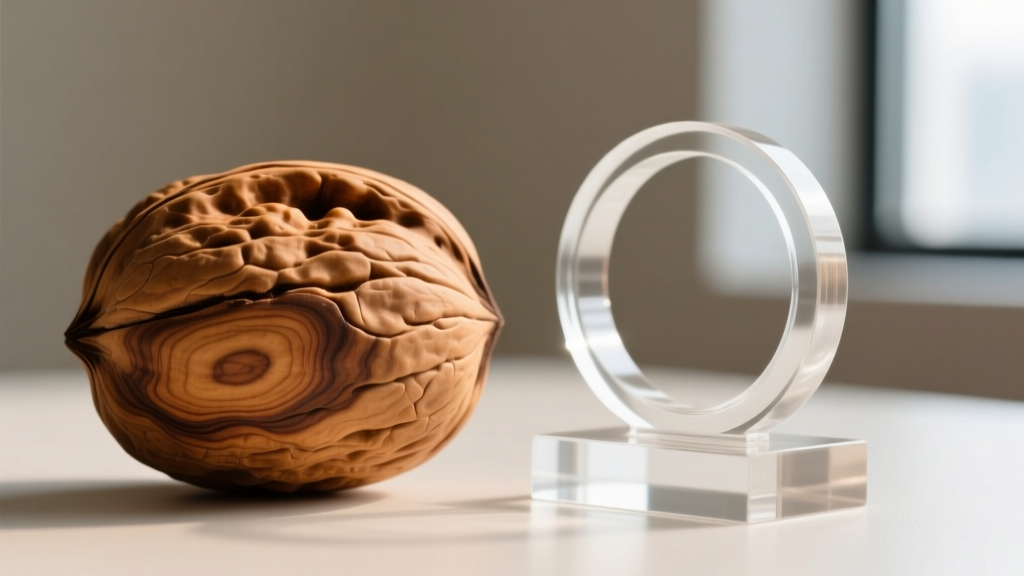
Wood is a classic choice, but not all woods are created equal. Oak, while beautiful and durable, contains high levels of tannins and naturally off-gasses acetic acid. In an enclosed jewelry box, this acetic acid builds up and causes severe tarnishing on silver and lead-based alloys. Walnut, on the other hand, is significantly more stable and emits far fewer corrosive vapors.
When evaluating a wooden unique jewelry holder, inspect the finish. Oil finishes (like linseed or tung oil) never fully cure and can remain tacky, attracting dust and potentially interacting with soft metals. A catalyzed lacquer or water-based polyurethane is vastly superior for sealing the wood's pores and trapping any residual VOCs. The National Park Service Museum Handbook strictly advises against using raw oak for long-term metals storage, a rule that applies equally to your home vanity.
3. Cast Brass and Unlacquered Metals
Brass and copper display stands offer a warm, vintage appeal, but they introduce the risk of galvanic corrosion. When two dissimilar metals (like a sterling silver ring and a brass holder) touch in the presence of ambient moisture, an electrochemical reaction occurs. The more anodic metal corrodes, and the silver can develop permanent pitting or dark transfer marks.
Furthermore, unlacquered brass requires frequent polishing. If you use a brass holder, ensure the contact points are lined with an inert material, or opt for brass that has been treated with a clear, baked-on ceramic nano-coating to render it completely inert and prevent galvanic transfer.
4. Museum-Grade Acrylic & Polycarbonate
For a modern, floating display, acrylic is unparalleled. However, standard acrylic can have a Mohs hardness of 3 to 4, which is actually harder than pure 24k gold (Mohs 2.5) and high-karat alloys. Sliding a soft gold band across an acrylic ring cone can result in micro-abrasions over time.
When purchasing an acrylic unique jewelry holder, look for archival-grade cast acrylic (such as Plexiglas G or Optium). These materials are chemically inert, do not off-gas, and are often treated with anti-static coatings that repel dust. To prevent scratching, the acrylic should ideally be lined with a soft, non-abrasive textile at the points of contact.
The Tarnish & Scratch Matrix: Material Comparison Table
To help you make an informed decision, we have compiled a matrix comparing the physical and chemical properties of common jewelry holder materials. This data is critical for matching the holder to your specific collection.
| Material | Mohs Hardness | Off-Gassing Risk | Moisture Retention | Best Suited For |
|---|---|---|---|---|
| Sealed Concrete | 6.0 - 7.0 | None (if epoxy sealed) | Very Low | Diamonds, hard gemstones, stainless steel |
| Raw Oak Wood | 2.5 - 3.5 | High (Acetic Acid) | High | Costume jewelry, glass beads (Avoid for silver) |
| Sealed Walnut | 2.5 - 3.0 | Low | Moderate | Gold, platinum, everyday wear pieces |
| Unlacquered Brass | 3.0 - 4.0 | Moderate | Low | Display-only pieces (requires physical separation) |
| Archival Acrylic | 3.0 - 4.0 | None | None | High-end gems, pearls (requires soft lining) |
Lining Matters: What Touches Your Metals
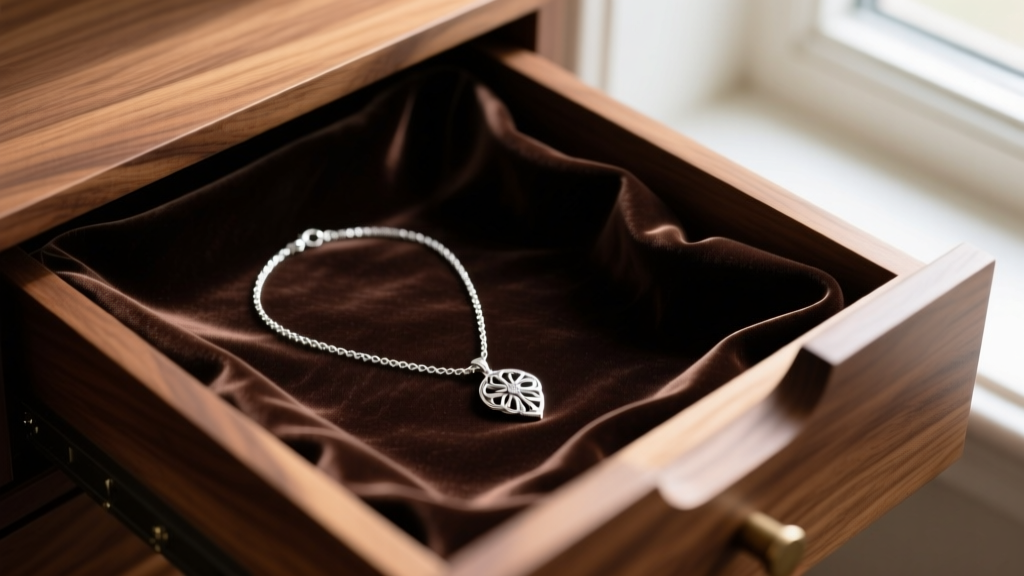
The structural material of a unique jewelry holder is only half the equation; the interior lining is the primary point of contact. Standard felt, often used in budget organizers, is frequently manufactured with synthetic dyes and sulfur-based adhesives that actively accelerate silver tarnish. Velvet is better, but standard cotton velvet can trap moisture against the metal.
Pacific Silvercloth vs. Standard Felt
For ultimate preservation, the gold standard is Pacific Silvercloth. This specialized material consists of 100% cotton flannel embedded with microscopic particles of fine silver. These silver particles act as a sacrificial anode, intercepting and reacting with hydrogen sulfide gas before it can reach your jewelry. According to the Gemological Institute of America, proper storage environments are critical for maintaining the optical properties of sensitive gems and the luster of precious metals. Wrapping your silver in Pacific Silvercloth, or lining the drawers of your unique jewelry holder with it, can extend the time between necessary polishes from a few weeks to several years.
Anti-Tarnish Strips and Silica Gel
If your preferred holder lacks a specialized lining, you can retrofit it. Place 3M anti-tarnish strips in the corners of the drawers or compartments. These strips absorb airborne sulfur compounds. Additionally, for holders made of moisture-retaining materials like wood or concrete, include small packets of indicating silica gel (which changes color when saturated) to maintain a stable relative humidity of around 45%, preventing both pearl desiccation and metal corrosion.
Final Verdict: Matching Material to Your Collection
Finding the right unique jewelry holder requires balancing your aesthetic preferences with the chemical needs of your collection. If your collection consists primarily of diamonds, sapphires, and platinum, you have the freedom to choose striking, heavy materials like sealed architectural concrete or raw brass, as these stones and metals are highly resistant to environmental degradation.
However, if you collect antique silver, high-karat gold, or porous organic gems like pearls and coral, you must prioritize chemical inertness. Opt for sealed walnut or archival-grade acrylic, and always ensure the contact points are lined with Pacific Silvercloth or unbleached, acid-free cotton. By respecting the material properties of your storage solutions, you ensure that your jewelry remains as pristine as the day it was crafted, turning your storage into a true preservation vault.


