The Beauty and the Beast Jewelry Box: Technical Storage Review
An expert technical review of the Beauty and the Beast jewelry box, analyzing material safety, anti-tarnish linings, and preservation for fine collectors.

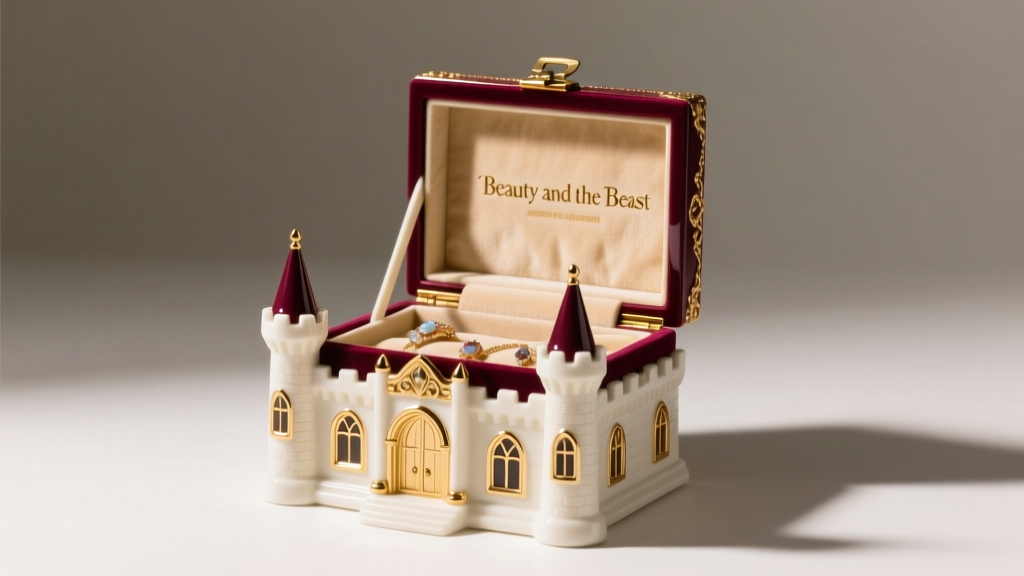
The Allure and the Acid: Material Analysis of Themed Storage
The intersection of pop culture fandom and fine jewelry storage creates a unique conservation challenge. When collectors invest in a Beauty and the Beast jewelry box, they are often prioritizing aesthetic nostalgia over material science. While these themed storage solutions range from mass-market plastic trinkets to high-end artisan wooden replicas, the internal microclimates they create can be highly detrimental to precious metals and porous gemstones. As a jewelry storage specialist, I frequently see severe tarnishing and gemstone degradation caused by the very boxes designed to protect them. This deep dive examines the chemical realities of novelty jewelry storage and provides actionable frameworks for preserving your collection inside themed enclosures.
The primary issue with most licensed novelty boxes is the use of off-gassing materials. Medium-density fiberboard (MDF), commonly used in premium wooden replica boxes, relies on urea-formaldehyde resins for binding. Over time, especially in fluctuating temperatures, MDF releases formaldehyde gas. When trapped inside a closed jewelry box, this gas accelerates the corrosion of copper alloys and can cause irreversible clouding on the surface of pearls and opals. Similarly, mass-market polyresin and ABS plastic variants often utilize sulfur-based vulcanizing agents or cheap rubberized adhesives that emit sulfur dioxide, directly catalyzing the formation of silver sulfide (Ag2S)—the black tarnish that plagues sterling silver collectors.
Mass-Market vs. Artisan Replicas: A Technical Comparison
To understand the preservation risks, we must categorize the Beauty and the Beast jewelry box market into three distinct manufacturing tiers. Each tier presents unique chemical profiles and structural vulnerabilities.
| Variant Tier | Primary Material | Standard Lining | Off-Gassing Risk | Avg. Price Range |
|---|---|---|---|---|
| Mass-Market (Plastic) | Injection-Molded ABS | Polyurethane Foam | Moderate (Adhesives) | $25 - $45 |
| Premium Artisan (Wood) | MDF / Plywood Veneer | Synthetic Suede | High (Formaldehyde) | $120 - $250 |
| Glass Dome (Enchanted Rose) | Borosilicate Glass / Brass | None / Velvet Base | Low (Humidity Trap) | $80 - $180 |
The Lining Trap: Polyurethane vs. Acid-Free Suede
The interior lining of a jewelry box is the most critical point of contact for your collection. In mass-market plastic versions, manufacturers typically use polyurethane (PU) foam or low-grade EVA foam padded with synthetic velvet. According to conservation standards outlined by the Getty Conservation Institute, polyurethane foam is inherently unstable. As it degrades, it releases acidic byproducts and peroxides that can pit the surface of soft metals like gold and silver, and cause severe yellowing in diamonds and porous stones.
Furthermore, the adhesives used to bind the synthetic velvet to the plastic or MDF shell are rarely archival-grade. Rubber-based contact cements contain volatile organic compounds (VOCs) that remain active for years. In the closed environment of a jewelry box drawer, these VOCs concentrate, creating a highly corrosive microclimate. To determine if a specific lining is safe, museum conservators use the Oddy test—a standardized accelerated aging test that exposes metal coupons to the material in question. Unfortunately, 95% of novelty boxes on the market would fail the Oddy test for silver and copper.
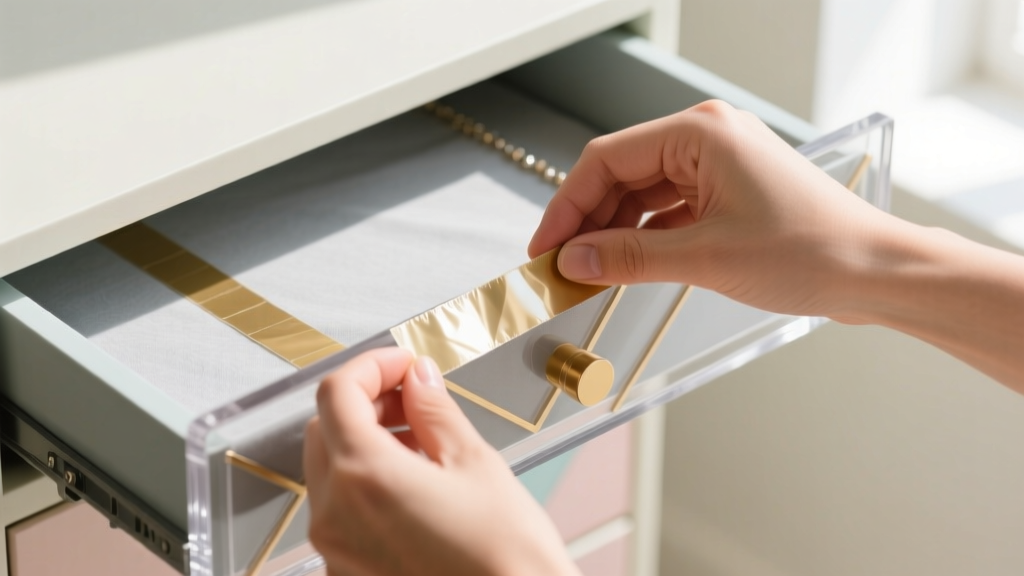
Retrofitting Your Enchanted Box
If you own a Beauty and the Beast jewelry box and wish to use it for functional storage of fine jewelry, you must isolate your pieces from the factory lining. Here is a professional retrofitting protocol:
- Step 1: Barrier Creation. Do not simply place jewelry on top of the existing fabric. Use a 3M 467MP double-sided archival tape (which utilizes a stable acrylic adhesive) to affix a barrier layer to the interior walls and drawer bottoms.
- Step 2: Active Tarnish Prevention. Apply Pacific Silvercloth over the barrier. This specific fabric is embedded with microscopic silver particles that act as a sacrificial anode, absorbing sulfur and halogens before they can reach your actual jewelry.
- Step 3: Gemstone Separation. For porous gems like pearls, turquoise, and opals, avoid direct contact with the Silvercloth. Instead, create individual pouches using 100% unbleached cotton muslin, washed in Orvus Paste (a pH-neutral conservation detergent) to remove factory sizing and optical brighteners.
Climate Control and the Glass Dome Dilemma
One of the most popular iterations of the Beauty and the Beast jewelry box is the "Enchanted Rose" glass dome display. While glass is chemically inert and poses zero off-gassing risks, it creates a severe microclimate challenge. Glass domes are essentially terrariums; they trap ambient humidity at the exact level present when the dome was sealed.
The Gemological Institute of America (GIA) notes that organic gemstones (pearls, amber, coral) require a relative humidity (RH) of around 45-55% to prevent desiccation and cracking. Conversely, sterling silver and copper alloys tarnish exponentially faster when RH exceeds 40%. If you live in a humid climate and seal your silver rings and pearl earrings inside a glass dome without climate control, you are guaranteeing rapid tarnish on the metals and potential mold growth on any organic materials.
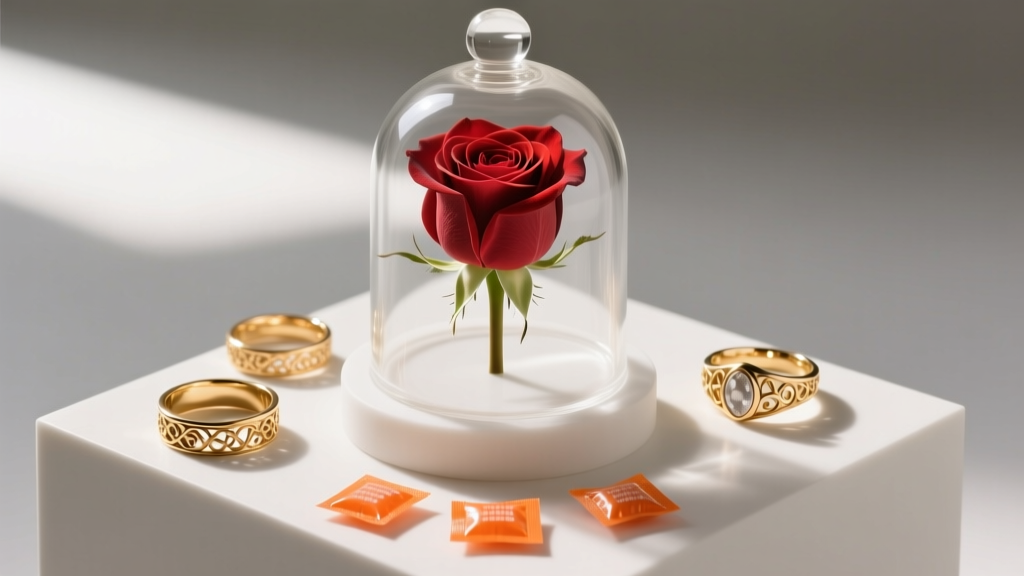
The Silica Gel Solution: To engineer a safe microclimate inside a glass dome, you must introduce a desiccant buffer. Avoid standard white silica gel packets, which offer no visual indication of saturation. Instead, purchase indicating silica gel beads (cobalt-free, transitioning from orange to green when saturated). Place 20-30 grams of these beads in a discreet, breathable mesh pouch at the base of the dome, hidden beneath the rose stem or jewelry display tier. This will artificially suppress the internal RH to approximately 30-35%, effectively halting silver sulfide formation while remaining safe for short-term display of most faceted gemstones. Remember to recharge the beads in a low-heat oven every 3 to 4 months.
Verdict: Display Piece or Functional Vault?
Ultimately, a Beauty and the Beast jewelry box should be viewed primarily as a decorative display piece rather than a long-term preservation vault. The manufacturing realities of licensed novelty goods prioritize visual fidelity and cost-efficiency over archival material science. However, by understanding the chemical vulnerabilities of MDF, polyurethane, and rubberized adhesives, collectors can successfully retrofit these beloved pieces. Whether you are lining a plastic castle replica with Pacific Silvercloth or engineering a dry microclimate inside an Enchanted Rose glass dome, applying conservation-grade techniques ensures that your fine jewelry remains as timeless as the tale as old as time.


