Beginner's Guide to Choosing and Styling a Boho Jewelry Box
Discover how to choose, style, and maintain a boho jewelry box. Learn about rattan, carved wood, and anti-tarnish linings for your favorite pieces.

The Appeal of the Bohemian Aesthetic in Jewelry Storage
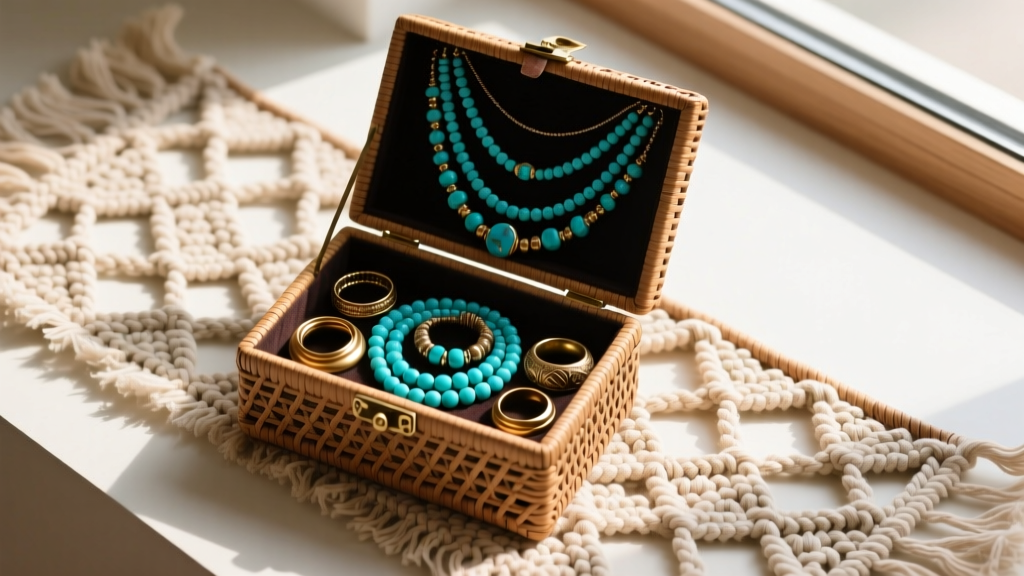
The bohemian aesthetic has long been a staple in fashion and interior design, celebrated for its free-spirited, eclectic, and nature-inspired elements. As we move through 2026, the shift toward sustainable, artisan-crafted home goods has only amplified the popularity of the boho jewelry box. Unlike sterile acrylic organizers or mass-produced faux-leather cases, a true bohemian storage solution incorporates natural textures like woven rattan, hand-carved mango wood, raw linen, and macrame accents.
However, storing bohemian jewelry—which often features heavy brass layers, porous gemstones, and intricate beadwork—requires more than just a visually pleasing exterior. Natural materials behave differently than synthetic ones, and without the right interior environment, your favorite turquoise pendants and silver stackable rings can quickly succumb to tarnish, moisture damage, or scratching. This beginner-friendly guide will walk you through the material science, organizational strategies, and maintenance routines required to keep both your boho jewelry box and its contents in pristine condition.
Material Breakdown: What Makes It Truly 'Boho'?
When shopping for a boho jewelry box, the exterior material dictates not only the visual impact but also the structural longevity and environmental impact of the piece. Here is a deep dive into the most common materials used in bohemian jewelry storage today.
Woven Rattan and Wicker
Rattan is a fast-growing, sustainable palm that is lightweight and highly breathable. A woven rattan boho jewelry box offers excellent air circulation, which can prevent the trapped moisture that leads to metal oxidation. However, the porous nature of unsealed wicker means it can easily trap dust and absorb ambient humidity if placed in a bathroom or coastal environment.
Hand-Carved Mango Wood
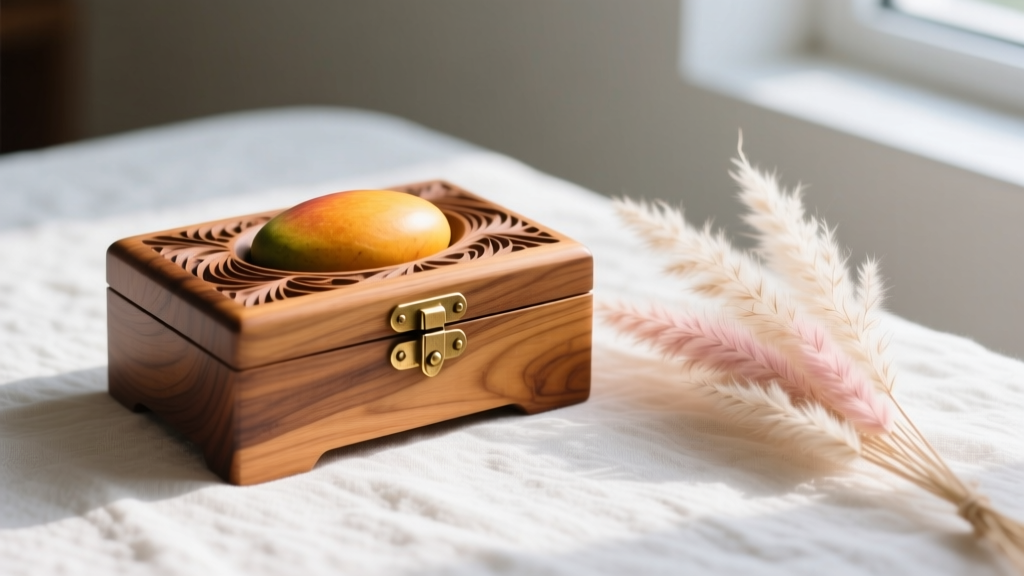
Mango wood has become the gold standard for sustainable wooden jewelry boxes. It is a byproduct of the fruit industry, making it an eco-friendly choice. It is dense, durable, and takes well to intricate mandala or floral carvings typical of boho decor. The critical factor here is the sealant; poorly sealed mango wood can off-gas natural acids that accelerate silver tarnish.
Canvas, Linen, and Leather Rolls
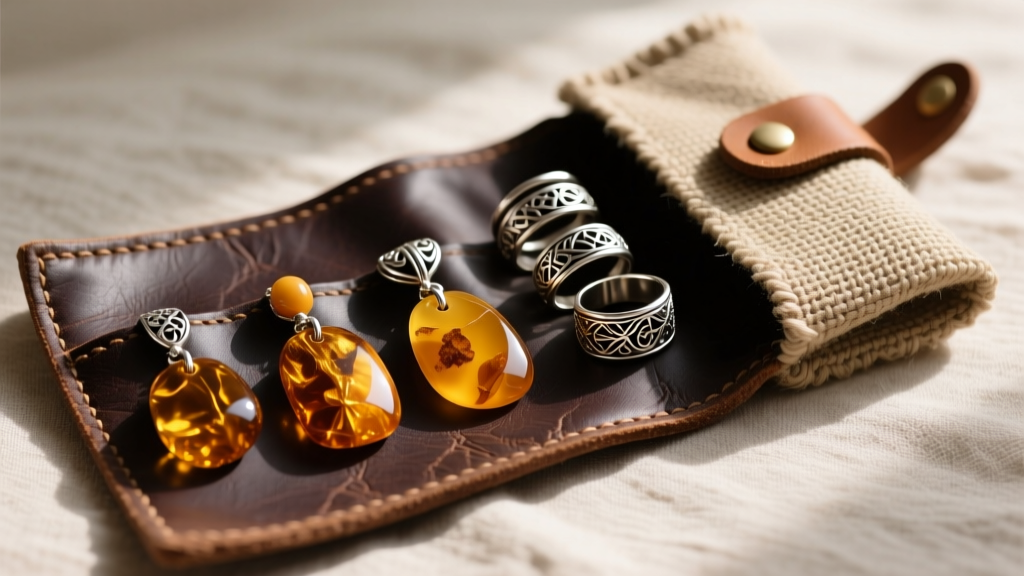
For the traveling bohemian, jewelry rolls made from heavy-duty canvas or vegetable-tanned leather are essential. While leather offers a luxurious, earthy patina over time, it is important to note that the natural oils and tanning chemicals in some leathers can react with soft metals like copper and brass, causing discoloration upon prolonged contact.
| Material | Durability | Anti-Tarnish Profile | Best For | Avg. Price Range |
|---|---|---|---|---|
| Woven Rattan | Medium | Poor (Traps dust/moisture) | Chunky beadwork, display | $35 - $65 |
| Mango Wood | High | Medium (Depends on sealant) | Heavy statement pieces | $50 - $120 |
| Canvas/Linen | Medium | Good (If lined properly) | Travel, layered chains | $25 - $45 |
| Vegetable-Tanned Leather | High | Poor (Oils react with brass) | Short-term travel storage | $60 - $150 |
The Hidden Danger: Humidity and Porous Gemstones
Bohemian jewelry heavily relies on natural, uncut, or cabochon gemstones like turquoise, malachite, opal, and moonstone. These stones are highly porous and sensitive to their storage environment. According to the Gemological Institute of America (GIA), turquoise is particularly vulnerable to chemicals, cosmetics, and prolonged exposure to high humidity, which can alter its color and structural integrity.
If your wooden or rattan boho jewelry box is stored in a humid bedroom or near an en-suite bathroom, the natural fibers will absorb moisture from the air and hold it against your porous stones. Over time, this can cause the copper backing on turquoise to oxidize and stain the stone from the inside out. To combat this, always store your boho jewelry box in a climate-controlled room with a consistent humidity level between 40% and 50%, and consider placing silica gel packets in the deeper compartments of wooden boxes.
Interior Linings: The Anti-Tarnish Heroes
The most common failure point in mass-market boho jewelry boxes is the interior lining. Many aesthetically pleasing boxes use cheap, unbleached cotton or raw wood interiors to maintain a 'rustic' look. Unfortunately, raw cotton holds moisture, and raw wood contains sulfur compounds and acids that cause sterling silver to turn black.
Pro Tip: Never compromise the interior for the sake of the exterior aesthetic. If you fall in love with a raw wood boho box, you must retrofit it to protect your metals.
The Jewelers of America recommends using specialized anti-tarnish materials for silver and copper storage. If your boho box lacks a proper lining, you can easily upgrade it by purchasing Pacific Silvercloth or 3M anti-tarnish strips. Cut the silvercloth to fit the bottom of your drawers or trays, and secure it with double-sided, acid-free scrapbooking tape. This simple retrofit neutralizes corrosive gases and keeps your brass and silver shining for months without polishing.
Organizing Layered and Statement Pieces
Standard jewelry boxes are designed for delicate, short chains and small stud earrings. Bohemian jewelry defies these dimensions. You are likely dealing with 24-to-30-inch lariat necklaces, heavy multi-strand beaded chokers, and wide, hammered copper cuffs. Attempting to force these into standard 4-inch ring rolls or shallow necklace hooks will result in tangled chains and crushed beads.
The Deep Drawer Strategy
When selecting a wooden boho jewelry box, look for designs that feature at least one deep, open 'valet' drawer rather than multiple segmented compartments. This allows you to coil long pendant necklaces in wide, overlapping circles without kinking the chains. Use small, natural stone or ceramic trinket dishes inside the open drawer to corral your stackable midi rings and raw brass ear cuffs, keeping them from sliding around and scratching softer gemstones.
The Open Display Approach
For the true bohemian spirit, consider an open-concept storage solution. A multi-tiered wooden valet stand or a woven rattan tray with divided sections allows you to display your jewelry as part of your room's decor. If you choose open display, ensure the piece is kept out of direct sunlight, as UV rays can fade dyed howlite, bleach natural wood beads, and dry out leather cords.
Maintenance and Care for Natural Materials
To ensure your boho jewelry box lasts for decades, it requires specific maintenance routines that differ from synthetic organizers.
- Cleaning Rattan and Wicker: Never use wet cloths or liquid cleaners on woven rattan, as this will cause the fibers to swell, warp, and eventually mold. Instead, use a soft-bristled makeup brush or a dry microfiber cloth to gently sweep dust out of the crevices every few weeks.
- Conditioning Mango Wood: Just like a wooden cutting board, a mango wood jewelry box can dry out and crack over time. Once a year, apply a thin coat of food-grade mineral oil or natural beeswax polish. Let it absorb for an hour, then buff it with a clean cotton cloth. This reseals the wood and prevents acid off-gassing.
- Caring for Leather Rolls: If your travel roll is made of vegetable-tanned leather, condition it every six months with a natural leather balm to prevent the edges from fraying and to maintain its water-resistant properties.
Where to Shop: Artisan vs. Mass Market
When sourcing your boho jewelry box, you generally have two routes. Mass-market retailers and fast-fashion home decor brands offer visually appealing rattan and canvas boxes in the $25 to $50 range. While budget-friendly, these often lack proper interior linings and use MDF (medium-density fiberboard) disguised with a wood veneer, which is highly prone to warping and off-gassing.
For a true investment piece, explore artisan marketplaces like Etsy or local craft guilds. Artisan woodworkers and weavers in regions like Bali, India, and Mexico create hand-carved, sustainably sourced mango wood and rattan boxes ranging from $80 to $250. These pieces are typically built with traditional joinery (no toxic glues), feature solid brass hinges, and are often lined with high-quality, anti-tarnish velvets or silks. Choosing an artisan box not only supports traditional craftsmanship but ensures your bohemian jewelry is stored in a safe, chemically neutral environment for years to come.


