How to Choose the Perfect Mannequin Jewelry Holder for Display
Learn how to choose, style, and maintain a mannequin jewelry holder. Discover the best materials, sizing tips, and anti-tarnish tricks for your collection.

Why Choose a Mannequin Jewelry Holder?
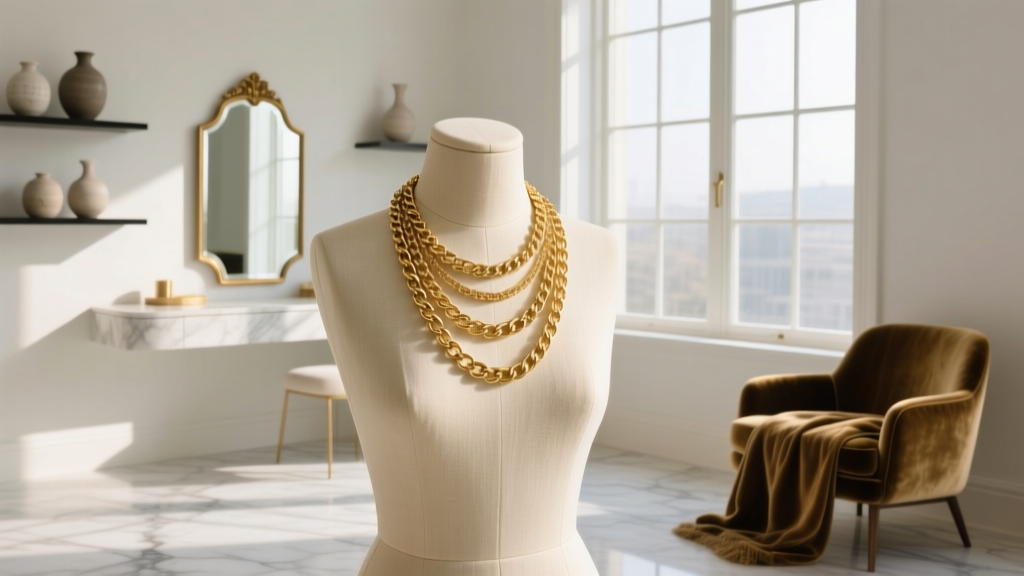
Transitioning your collection from flat drawer inserts to a three-dimensional display is one of the most impactful upgrades you can make for your jewelry organization. A mannequin jewelry holder does more than just look beautiful on your vanity; it serves a critical structural purpose for your accessories. Gravity is the enemy of tangled chains and kinked metals. When you lay an omega chain or a delicate box chain flat in a drawer, it can easily bend and suffer permanent structural damage. By draping these pieces over a contoured mannequin bust or neck form, you allow gravity to pull the links into their natural, relaxed alignment, significantly extending the lifespan of your jewelry.
For beginners looking to curate a boutique-style display at home, understanding the nuances of mannequin sizing, material composition, and weight distribution is essential. This guide will walk you through exactly how to select the right forms to protect and showcase your collection.
Types of Mannequin Displays: Head, Bust, and Hand
Not all jewelry is created equal, and neither are the forms used to display them. Choosing the correct anatomy for your specific pieces ensures they drape correctly and remain secure.
Necklace Busts and Torsos
Busts are the workhorses of jewelry organization. They are ideal for lariats, pendants, and layered chains. A standard bust provides a sloped shoulder line that prevents delicate clasps from slipping off the sides. For heavy statement necklaces, look for a bust with a wider, reinforced base to prevent tipping.
Earring and Hat Heads
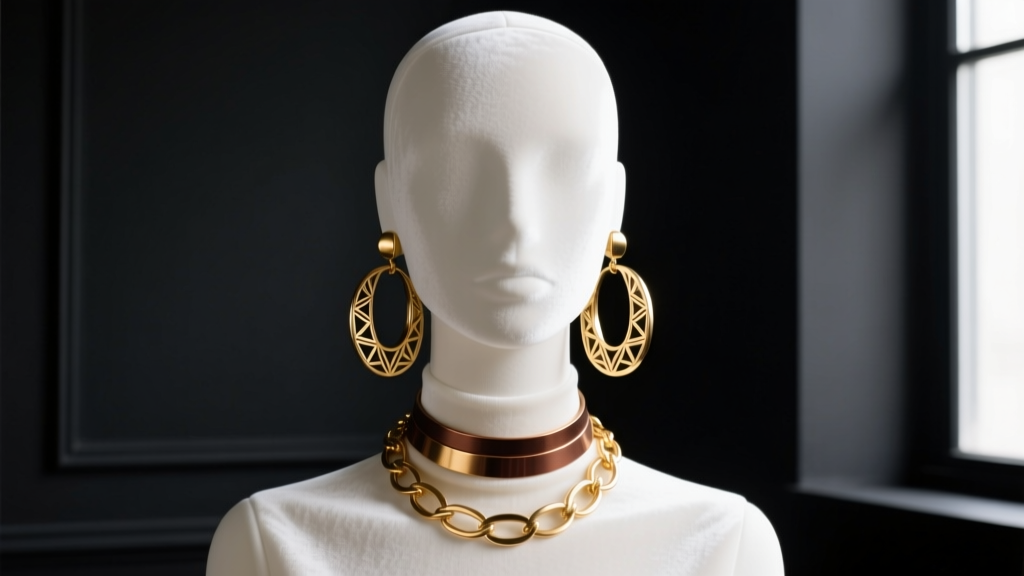
Full heads are perfect for chokers, collar necklaces, and statement earrings. However, beginners must be cautious about earlobe thickness. Many mass-produced mannequin heads feature exaggerated, thick earlobes that can stretch or damage the posts of fine 20-gauge or 22-gauge earrings. Look for heads with anatomically correct, slender earlobes, or opt for a "slotted" ear design where the earring simply rests in a groove rather than being forced through a tight fabric hole.
Ring and Bracelet Hands
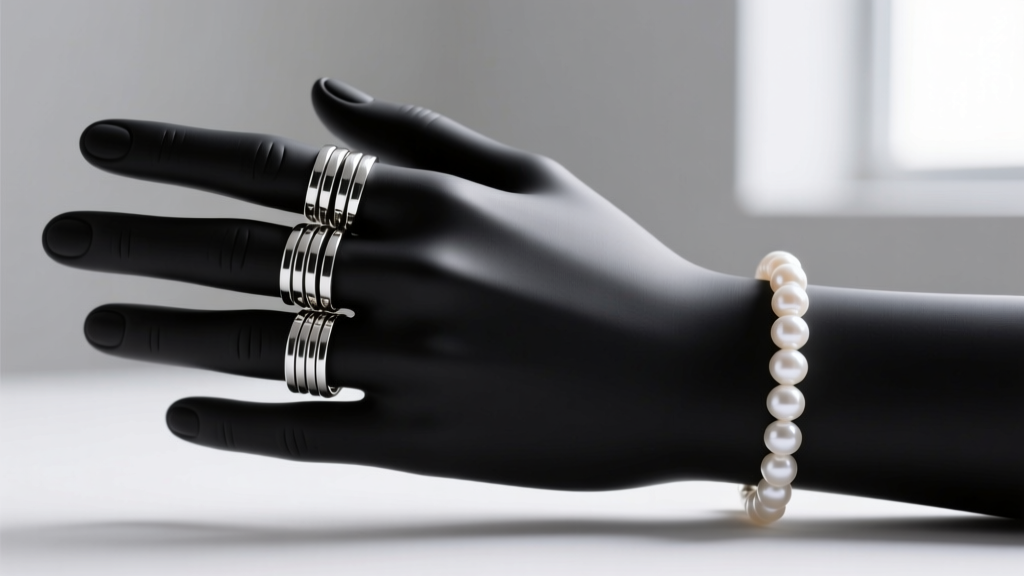
Mannequin hands are exceptional for displaying tennis bracelets, bangles, and cocktail rings. When selecting a hand form, pay attention to the finger circumference. A standard display hand usually mimics a US ring size 7 or 8. If you wear size 5 rings, they will slide right off a standard display hand. Many premium brands now offer adjustable silicone finger inserts or specifically scaled "petite" hands to accommodate smaller ring sizes securely.
Material Science: Velvet, Linen, and Silicone
The outer fabric of your mannequin jewelry holder interacts directly with your metals and gemstones. Choosing the wrong material can lead to snagged prongs or accelerated tarnishing. According to conservation guidelines from the American Institute for Conservation, the chemical off-gassing of certain synthetic fabrics and foams can cause rapid degradation of soft metals like silver and copper.
| Material | Pros | Cons | Best Used For | Tarnish Risk |
|---|---|---|---|---|
| Cotton Velvet | Soft, low-friction, luxurious aesthetic | Traps dust, can hold ambient humidity | Pearls, high-polish gold, delicate chains | Low (if kept dry) |
| Raw Linen | Highly breathable, modern look, durable | High friction, rough texture | Chunky resin jewelry, thick metal bangles | Very Low |
| Matte Silicone | High-grip, waterproof, easy to clean | Can attract lint, cheap versions off-gas | Stacking rings, tennis bracelets, wet environments | Medium (if low-grade) |
| Suede / Faux Leather | Excellent grip, masculine/boutique aesthetic | Can dry out and crack, difficult to clean | Watches, heavy leather-wrap bracelets | High (contains sulfur compounds) |
Expert Tip: Avoid mannequins wrapped in cheap faux leather or low-grade polyurethane. These materials often contain sulfur-based plasticizers that react with sterling silver, causing rapid blackening (silver sulfide formation). The Gemological Institute of America (GIA) frequently warns against storing or displaying silver in environments with sulfur-heavy compounds.
Sizing and Scale: Matching Jewelry to the Mannequin
One of the most common mistakes beginners make is buying a "mini bust" and expecting their 20-inch pendant necklace to drape elegantly. Mannequin sizing is highly specific, and understanding the scale will save you from frustrating returns.
- Mini Busts (10-12 inches tall): These have a neck circumference of roughly 10 to 12 inches. They are strictly designed for chokers (14-16 inches) and short collar necklaces. A standard 18-inch chain will look like a tight choker on a mini bust.
- Standard Medium Busts (14-16 inches tall): With a neck circumference of 14 to 15 inches, these are the most versatile. They perfectly display 18-inch princess necklaces and 20-inch matinee chains, allowing pendants to rest right at the collarbone or upper sternum.
- Full Torsos (20+ inches tall): Essential for opera-length necklaces (28-36 inches) and long lariats. The extended torso allows the jewelry to drape down the chest exactly as it would on a human body, giving you an accurate representation of the fit.
Preventing Tarnish and Structural Damage on Display Forms
Displaying your jewelry out in the open air exposes it to oxygen, humidity, and airborne pollutants. While a mannequin jewelry holder keeps pieces untangled, it does not offer the sealed protection of an anti-tarnish ziplock bag. To mitigate this, you must adopt a proactive maintenance routine.
The Pacific Silvercloth Trick
If you have invested in a beautiful linen or velvet bust but want to protect your sterling silver, you can create a custom "bib" using Pacific Silvercloth. This specialized fabric is embedded with microscopic silver particles that intercept and absorb tarnish-causing gases before they reach your jewelry. Simply drape a piece of this cloth over the mannequin's neck and shoulders before hanging your silver chains.
Weight Distribution for Heavy Earrings
Heavy brass or gemstone drop earrings can easily tear the fabric on a mannequin head's earlobes, eventually ruining the form. To prevent this, use clear silicone earring support discs on the back of the earring post before attaching the backing. This distributes the weight across a wider surface area on the mannequin's ear, preventing the metal post from slicing through the fabric over time.
Managing Sunlight and Heat
Never place your mannequin jewelry holder in direct, unfiltered sunlight. UV rays will quickly fade velvet and linen fabrics, but more importantly, the heat can weaken the adhesives used in costume jewelry, cause certain gemstones (like amethyst and kunzite) to lose their color, and dry out organic materials like pearls and tortoiseshell. Position your display in a well-lit but shaded area of your dressing room.
Final Thoughts on Curating Your Display
A mannequin jewelry holder is an investment in both the aesthetics of your space and the longevity of your collection. By carefully selecting the right anatomical shape, prioritizing breathable and chemically inert fabrics, and matching the scale of the bust to your specific necklace lengths, you create a functional, museum-quality display right in your bedroom. Start with one high-quality, versatile medium bust, and expand your collection to include hands and full heads as your jewelry wardrobe grows.


