The Best Way to Get Felt Out of a Jewelry Box: Expert Guide
Discover the best way to get felt out of a jewelry box without damaging wood. Expert tips on adhesive removal, cleaning, and prepping.

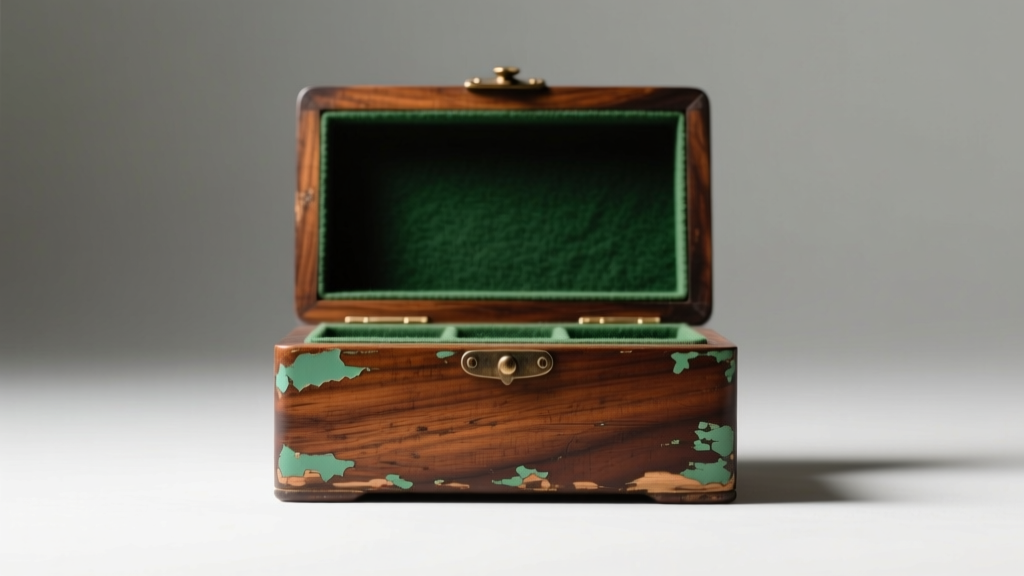
Over time, the plush interior of a cherished jewelry box can become its worst enemy. Felt lining degrades, pills, and harbors moisture, transforming a protective haven into a hazard for your most delicate pieces. Whether you are restoring an inherited antique armoire or refreshing a modern valet box, knowing the best way to get felt out of a jewelry box is critical to preserving both the container and the valuables it holds. In 2026, conservation standards emphasize chemical safety and material compatibility, moving away from harsh, abrasive stripping methods that damage wood veneers and antique finishes.
Why Old Felt Lining Becomes a Jewelry Hazard
Before diving into removal, it is essential to understand why degraded felt demands immediate attention. Historically, jewelry boxes were lined with wool-blend felts. While soft, wool is highly hygroscopic, meaning it absorbs and traps ambient humidity. According to the Gemological Institute of America (GIA), trapped moisture accelerates the chemical reaction between sulfur in the air and silver alloys, leading to rapid silver sulfide tarnishing.
Furthermore, modern synthetic felts are prone to 'pilling' as the binding agents break down over decades. These microscopic synthetic fibers act like nets, catching on the delicate prongs of micro-pavé settings and the mechanisms of lobster clasps. If you find tiny fibers wrapped around the base of your diamond melee stones, your felt lining has compromised its structural integrity and must be removed.
Essential Tools for Safe Felt Extraction
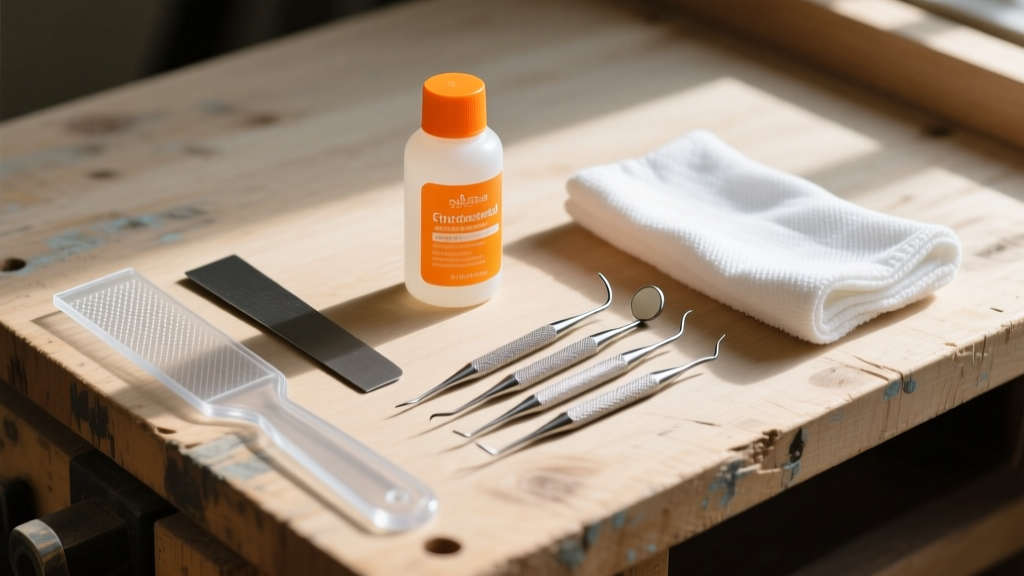
Removing felt is not just about pulling fabric; it is about managing the adhesive layer beneath it without scoring the wood substrate. Gather the following conservation-grade tools:
- Plastic Spudgers and Scrapers: Never use metal putty knives on antique veneers, which can be as thin as 0.5mm. High-density nylon scrapers prevent gouging.
- d-Limonene (Citrus-Based Solvent): A natural, low-toxicity adhesive softener that breaks down rubber-based contact cements without stripping polyurethane or shellac finishes.
- Utility Knife with Snap-Off Blades: For scoring the felt into manageable grid sections.
- Dental Picks and Wooden Skewers: For extracting fibrous residue from tight corners and hinge crevices.
- HEPA Micro-Vacuum: To capture degraded fibers and prevent them from settling into the wood grain.
Step-by-Step: The Best Way to Get Felt Out of a Jewelry Box
The secret to pristine removal lies in patience and controlled solvent application. Follow this methodology to ensure the underlying wood or cardboard substrate remains intact.
Step 1: Dry Extraction and Scoring
Begin by vacuuming the interior with a brush attachment to remove loose debris and oxidized fibers. Using your utility knife, lightly score the felt into a 2-inch grid pattern. Critical Warning: Apply only enough pressure to cut the fabric and the top layer of adhesive. If you feel the blade bite into the wood, you are pressing too hard and risk scoring the veneer.
Step 2: Controlled Solvent Application
Apply the d-Limonene solvent to a cotton pad and press it into one scored grid square. Allow a dwell time of exactly 5 to 7 minutes. This allows the citrus terpenes to penetrate the adhesive matrix and break the polymer chains. Do not flood the box; excess liquid can seep into wood joints and cause swelling or veneer delamination.
Step 3: The Low-Angle Lift
Insert your plastic spudger at a shallow 15-degree angle under the corner of the softened grid. Push forward gently rather than prying upward. The felt and adhesive should peel away in a cohesive sheet. If the felt tears and leaves the adhesive behind, apply a second micro-dose of solvent and wait another 5 minutes.
Step 4: Detail Work in Corners
Hinge areas and recessed ring rolls trap adhesive. Use a wooden skewer dipped lightly in solvent to roll over the stubborn residue. The wood-on-wood friction will ball up the degraded glue without scratching the finish.
Solvent Selection Guide for Antique and Modern Boxes
Choosing the wrong solvent can permanently cloud antique French polish or melt modern plastic inserts. Use this matrix to select the correct chemical agent based on your box's era and construction.
| Box Era / Material | Common Adhesive Used | Recommended Solvent | Solvents to Avoid |
|---|---|---|---|
| Pre-1940s Antique Wood | Hide Glue / Animal Glue | Warm Distilled Water (Damp Cloth) | Acetone, Alcohol (Strips Shellac) |
| 1950s-1980s Veneer | Rubber-Based Contact Cement | d-Limonene / Citrus Solvent | Mineral Spirits (Can stain veneer) |
| Modern MDF / Plastic | Acrylic Pressure-Sensitive | Isopropyl Alcohol (90%+) | Acetone (Melts plastic substrates) |
| Lacquered Asian Boxes | Urea-Formaldehyde | Mechanical Scraping Only | All Solvents (Clouds lacquer) |
Neutralizing Wood Acidity and Prepping the Surface
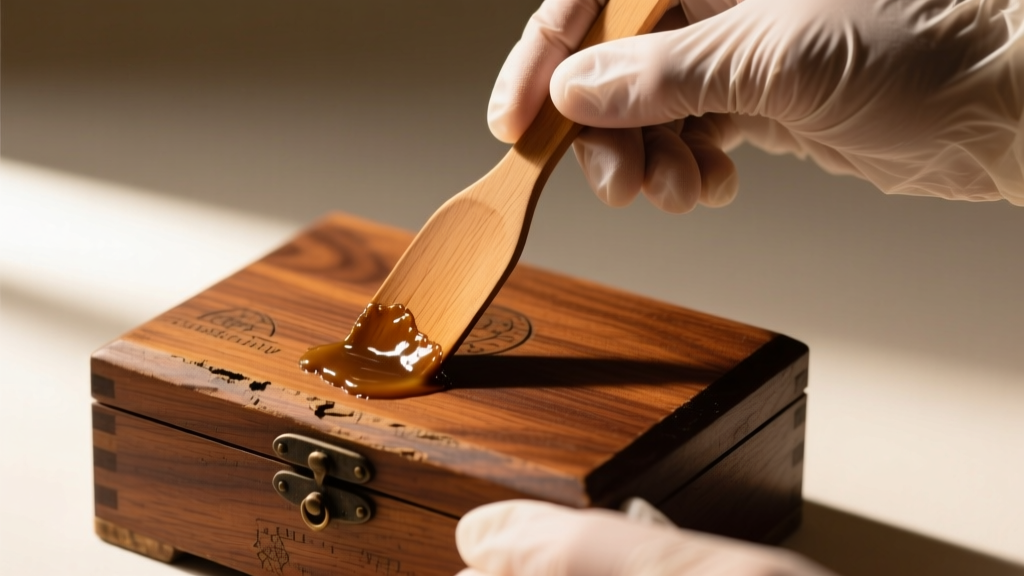
Once the felt and adhesive are removed, you are left with bare wood. This introduces a hidden danger: wood acidity. The Smithsonian Museum Conservation Institute notes that certain woods, particularly oak and walnut, emit acetic acid and formaldehyde as they age. In an enclosed jewelry box, these off-gassed acids will rapidly corrode silver, copper, and brass, and can even degrade the porous surface of pearls and coral.
The Archival Solution: Before installing a new lining, you must seal the bare wood. Lightly hand-sand the exposed areas with 400-grit silicon carbide paper to smooth any raised grain caused by solvent moisture. Wipe away dust with a tack cloth, then apply two thin coats of dewaxed shellac (such as Zinsser SealCoat). Shellac is a traditional, reversible barrier that completely locks in wood acids and prevents them from reaching your jewelry. Allow 24 hours for full curing before proceeding to re-line the box.
Modern Alternatives to Traditional Felt
If you are restoring the box in 2026, do not simply replace the old wool felt with new wool felt. Modern conservation standards offer vastly superior materials for jewelry storage:
- Polyethylene Foam (Ethafoam/Plastazote): Unlike felt, closed-cell polyethylene foam is chemically inert, acid-free, and does not off-gas. It is the standard for museum archival storage and can be easily slit with a scalpel to create custom ring and watch slots.
- Pacific Silvercloth: If you must use a fabric, line the box with this specialized material. It is embedded with microscopic silver particles that act as a sacrificial anode, absorbing sulfur and tarnish-causing gases before they reach your jewelry.
- Anti-Tarnish Microsuede: A synthetic, non-abrasive alternative to felt that repels moisture and will not pill or snag micro-pavé settings.
Expert Insight: Never use standard craft felt from a fabric store to line a jewelry box. Craft felt is often dyed with sulfur-based pigments and treated with acidic sizing agents that will guarantee the rapid tarnishing of your sterling silver and gold alloys.
Mastering the best way to get felt out of a jewelry box is a meticulous process, but the reward is a chemically safe, structurally sound environment for your most prized possessions. By respecting the wood substrate and utilizing targeted, conservation-grade solvents, you ensure your storage solutions protect rather than destroy.


