Air Dry Clay Jewelry Holder: The Ultimate Buying Guide
Discover what to look for when buying an air dry clay jewelry holder. Learn about sealants, weight ratios, and how to protect gems from tarnish.

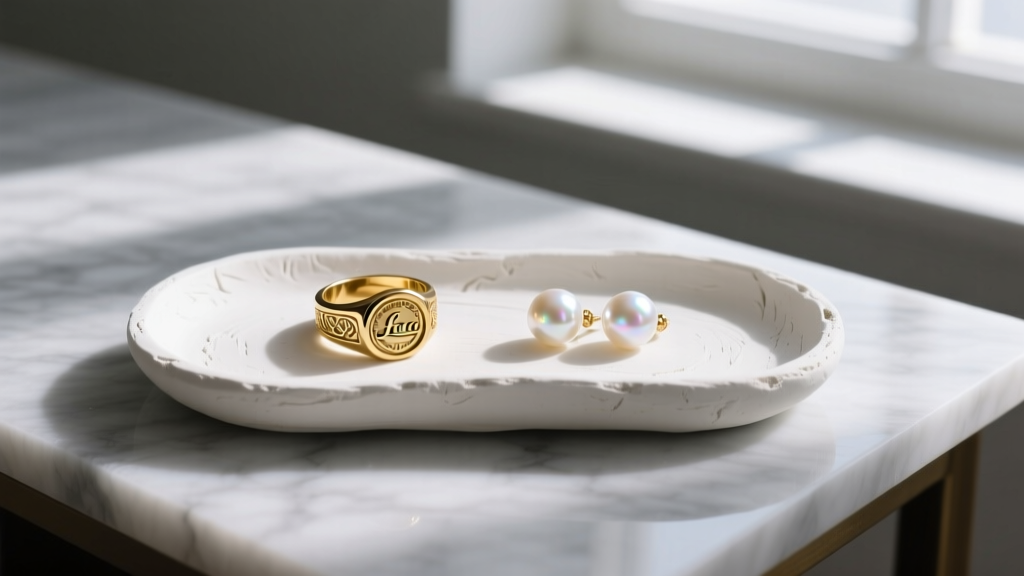
The Rise of Artisan Clay Storage
The aesthetic appeal of an air dry clay jewelry holder is undeniable. From organic, wavy trinket dishes to minimalist, geometric ring cones, these handcrafted storage solutions have taken the interior design and jewelry organization worlds by storm. Unlike mass-produced plastic or cold-cast resin, air-dry clay offers a tactile, earthy elegance that complements modern vanities. However, as beautiful as they are, clay is inherently porous and structurally distinct from traditional jewelry storage materials like velvet-lined wood or acrylic.
When shopping for an air dry clay jewelry holder, you are not just buying a decorative object; you are investing in a micro-environment for your precious metals and gemstones. Buying the wrong type of clay or an improperly sealed piece can lead to accelerated tarnishing, micro-scratches on soft gold, or even structural collapse under the weight of heavy chain necklaces. This comprehensive buying guide will walk you through the material science, structural requirements, and finishing techniques you must evaluate before making a purchase.
The Material Science: Why Clay Requires Special Attention
True air-dry clay (such as cellulose-based or earth-based clays like DAS or La Doll Premier) cures through the evaporation of water. Unlike polymer clay, which is essentially PVC plastic that cures via heat-induced polymerization, air-dry clay remains inherently hygroscopic even after it has fully hardened. This means it will continue to absorb and release ambient moisture from the air.
According to conservation experts and the Gemological Institute of America (GIA), fluctuating humidity and trapped moisture are primary catalysts for the oxidation of sterling silver and copper alloys. If you place a silver ring on an unsealed or poorly sealed clay dish in a humid bathroom, the clay will act as a moisture sponge, creating a localized humid microclimate that rapidly accelerates tarnish. Therefore, the most critical factor in your buying decision is the quality and type of the sealant applied to the clay.
The Critical Role of Sealants: Protecting Your Metals
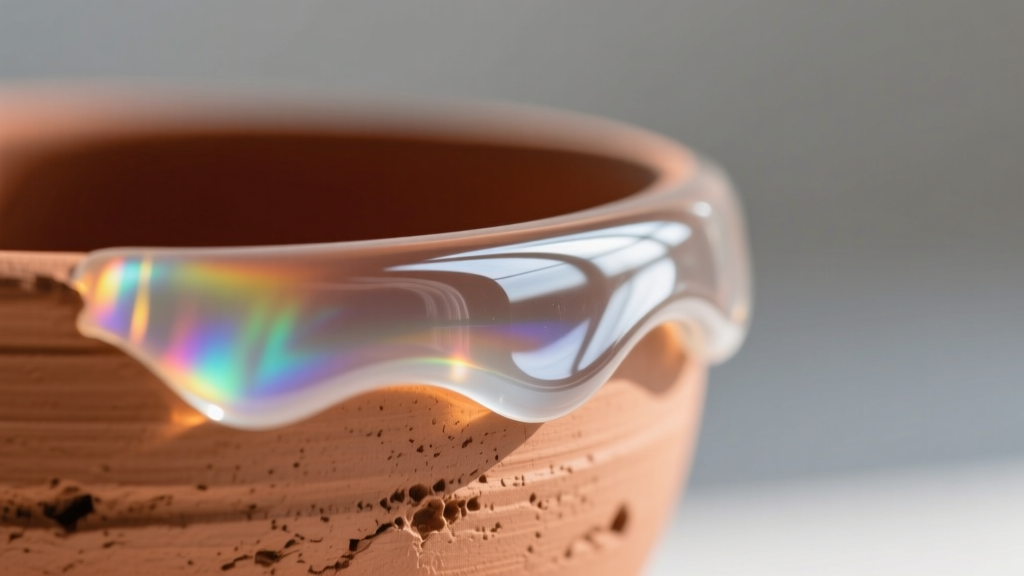
A high-quality artisan will never sell a raw, unsealed air dry clay jewelry holder for functional use. The sealant acts as a moisture barrier and provides a smooth, non-abrasive surface for your jewelry. When reading product descriptions or asking a maker about their process, look for these specific topcoats:
| Sealant Type | Moisture Resistance | Surface Feel | Longevity & UV Stability | Verdict for Jewelry |
|---|---|---|---|---|
| Two-Part Epoxy Resin | Excellent (100% Waterproof) | Glass-like, very smooth | High (Non-yellowing formulas) | Best Overall: Ideal for trays holding rings and earrings. |
| Water-Based Polyurethane | Very Good | Satin or Matte, slight grip | Medium (May require re-coating) | Great for Matte Finishes: Excellent for ring cones where grip prevents sliding. |
| Acrylic Varnish / Mod Podge | Poor to Fair | Can become tacky in humidity | Low (Degrades with moisture) | Avoid: Tacky surfaces can pull on delicate prongs and trap sulfur. |
Pro-Tip: If a product listing simply says "sealed with a protective coating" without specifying the chemical makeup, assume it is a basic acrylic spray. Always look for makers who explicitly state they use jewelry-safe epoxy resin or high-grade polyurethane.
Structural Integrity: Weight, Base, and Balance
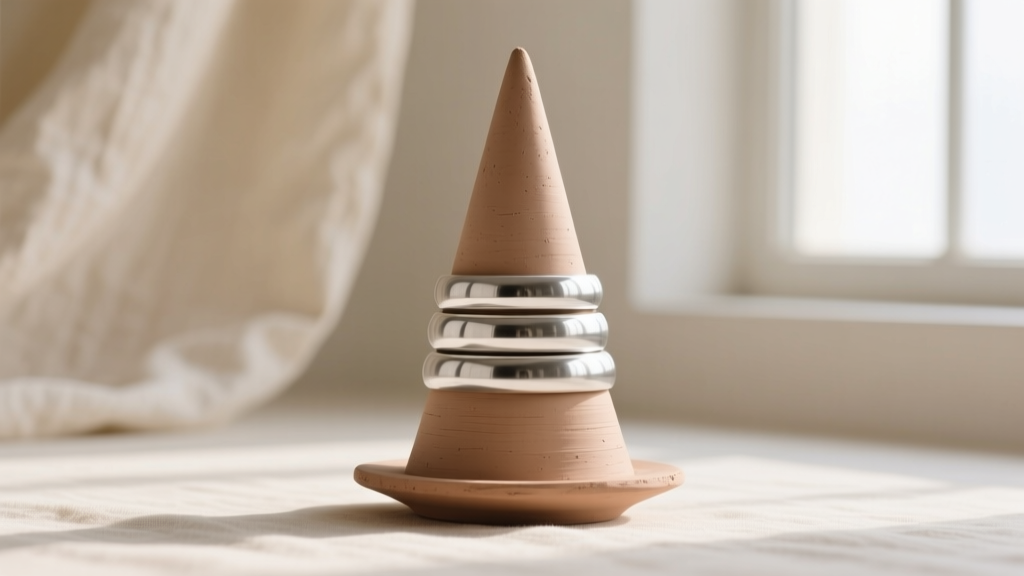
Air-dry clay is significantly lighter than ceramic or stoneware. While this makes the holders easy to move, it creates a severe tipping hazard, particularly for vertical storage pieces like ring cones, earring trees, or necklace busts. When evaluating the structural design of an air dry clay jewelry holder, you must apply the principles of physics to ensure your heavy jewelry won't topple the piece.
The 3:1 Base-to-Height Ratio Rule
For any vertical clay jewelry holder (such as a ring tree or bracelet stand), the diameter of the weighted base should be at least one-third the total height of the object. If a ring cone is 6 inches tall, the base must be at least 2 inches wide. Furthermore, premium makers will embed a hidden weight—such as a steel washer, copper coins, or a lead-free fishing weight—into the bottom of the clay base before it dries. This lowers the center of gravity. If you are buying online, check the product weight; a sturdy 6-inch ring cone should weigh no less than 4 to 6 ounces. Anything lighter will tip over when you slide a heavy gemstone cocktail ring onto the top peg.
Wall Thickness in Trinket Trays
For horizontal trinket dishes, look for a wall thickness of at least 4mm to 6mm. Air-dry clay is brittle and lacks the structural flexibility of polymer clay. Thin, delicate edges (under 2mm) are highly prone to chipping if accidentally bumped by a heavy metal bracelet or dropped on a hard tile floor.
Surface Texture and Tarnish Prevention
The physical texture of the clay holder directly impacts the safety of your jewelry. Soft metals, particularly 18k and 24k gold, as well as high-polish silver, are easily scratched by abrasive surfaces.
According to Rio Grande jewelry supply experts, storing polished metals against unglazed or improperly sanded porous materials can cause micro-abrasions over time. When shopping, scrutinize the macro photos of the holder. If the clay features deep, intentional grooves or a rough, sandy "grog" texture for aesthetic purposes, ensure that the areas where the jewelry actually rests are either sanded completely smooth, coated in a thick layer of self-leveling resin, or lined with a secondary material.
Many high-end artisan makers solve this by incorporating mixed media. They will sculpt the base and body out of air-dry clay but embed a brass rod for hanging necklaces, or glue a patch of vegan suede or velvet into the center of a clay trinket dish. This hybrid approach provides the organic beauty of clay with the protective, anti-tarnish properties of traditional jewelry box linings.
Red Flags: What to Avoid When Shopping
To protect your investment in both the storage piece and the jewelry it holds, avoid listings that exhibit the following red flags:
- Chalky Residue: If reviews mention a white, chalky dust transferring to their fingers or jewelry, the clay was not properly sealed, or the sealant has degraded. This dust can become trapped in the pavé settings of diamond rings.
- Strong Chemical Odors: While curing resin has a scent, a finished piece should be odorless. A lingering chemical smell indicates cheap, off-gassing acrylic sprays that can react negatively with porous gemstones like pearls, opals, and turquoise.
- Unsealed Bottoms: Makers sometimes forget to seal the bottom of the piece. An unsealed bottom will absorb moisture from wooden dressers or bathroom counters, eventually causing the clay to soften, warp, or grow mold.
- Sharp Pegs: On ring trees or earring stands, the tips of the clay pegs must be sanded completely round. A pointed clay tip can easily scratch the interior shank of a ring or chip a delicate enamel coating.
Final Verdict: Investing in Handcrafted Storage
An air dry clay jewelry holder is a beautiful, highly customizable addition to any vanity, but it requires a discerning eye to separate functional art from mere decoration. By prioritizing pieces sealed with two-part epoxy or high-grade polyurethane, verifying the base-to-height weight ratios, and ensuring smooth, non-abrasive contact points, you can safely store your most cherished accessories. For everyday wear items like wedding bands and stud earrings, a well-sealed clay trinket dish offers the perfect blend of accessibility and aesthetic charm. For heirloom pieces, however, always defer to traditional anti-tarnish lined boxes, and let your clay holders serve as the stunning display for your daily rotation.
For more insights on preserving your collection, consult resources from The Spruce Crafts regarding material longevity, and always match your storage environment to the specific metallurgical needs of your jewelry.


