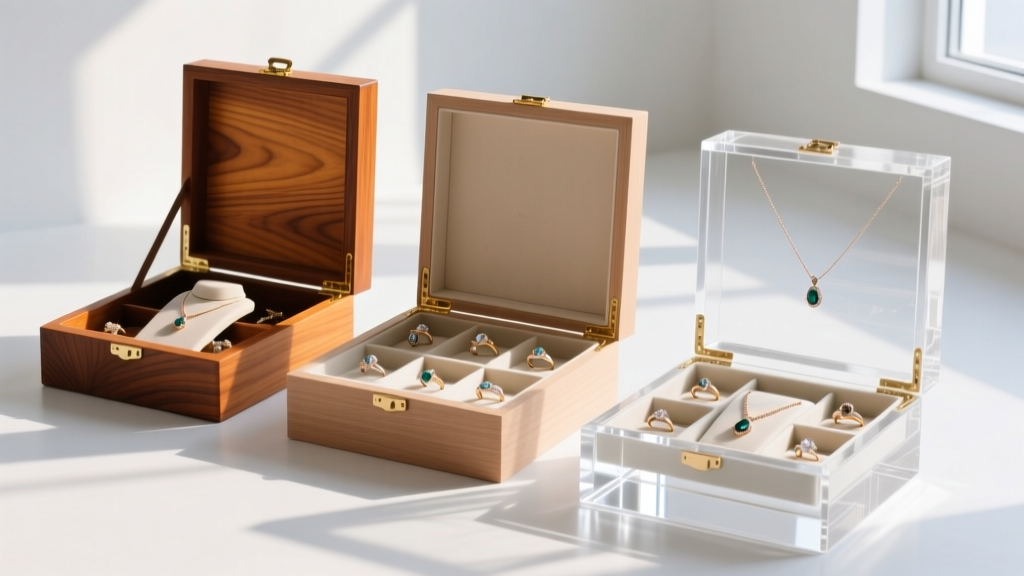
Cake Jewelry Box Materials: Acrylic vs Wood vs Glass
Compare acrylic, wood, and glass cake jewelry box materials. Discover which tiered organizer prevents tarnish and protects your collection best.

The Architecture of Tiered Storage: Why Material Science Matters
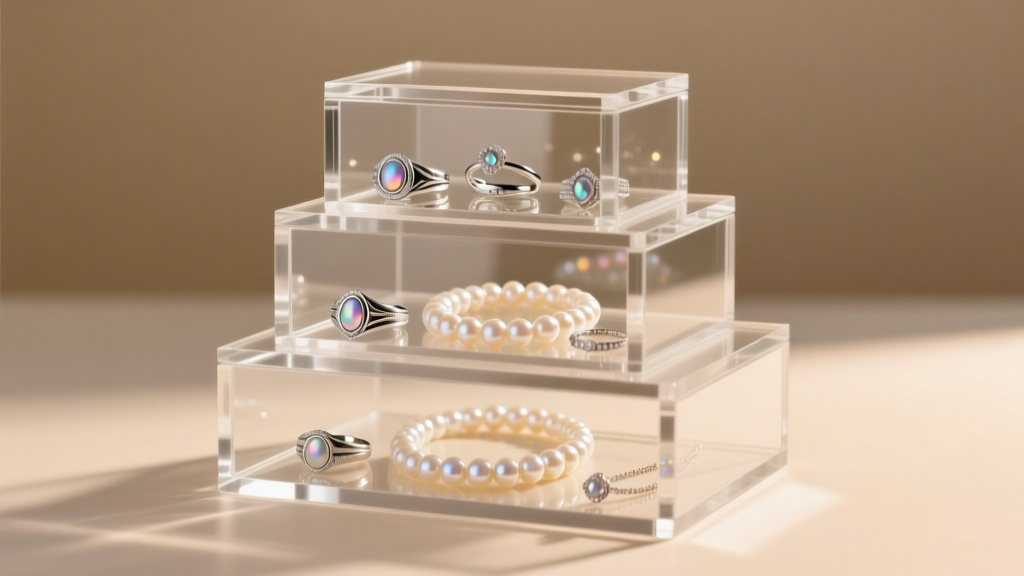
A cake jewelry box—characterized by its multi-tiered, often rotating or stacking design that mimics a traditional cake stand—is a masterpiece of spatial efficiency. However, the aesthetic appeal of a tiered organizer often masks critical material flaws that can degrade your most prized possessions. When evaluating a cake jewelry box, the structural material dictates not only the weight capacity of each tier but also the microclimate surrounding your metals and gemstones. According to the Gemological Institute of America (GIA), improper storage materials can accelerate silver sulfide formation (tarnish) and degrade delicate organic gems like pearls and opals through chemical off-gassing.
In this comprehensive material comparison, we dissect the physical and chemical properties of the three dominant materials used in cake jewelry boxes: cast acrylic, solid and engineered woods, and tempered glass with metal frameworks. By understanding the specific gravity, off-gassing profiles, and structural tolerances of these materials, you can select a tiered storage solution that preserves your collection for decades.
Acrylic Cake Boxes: Clarity, Weight, and Polymer Grades
Acrylic (Polymethyl methacrylate, or PMMA) is the most popular material for modern, minimalist cake jewelry boxes. Its transparency allows for immediate visual inventory, and its lightweight nature makes multi-tiered acrylic boxes easy to move. However, not all acrylic is manufactured equally, and the grade of PMMA directly impacts the longevity of the organizer.
Cast vs. Extruded Acrylic
High-end cake jewelry boxes utilize cast acrylic, which is poured into molds and cures slowly. This process creates a polymer with high molecular weight, resulting in superior structural integrity and exceptional resistance to yellowing from UV exposure. Conversely, budget-friendly tiered boxes often use extruded acrylic, which is continuously pushed through rollers. Extruded acrylic harbors internal stresses; under the sustained weight of heavy beaded necklaces or metallic bangles, extruded tiers are prone to micro-fractures and bowing over time.
Structural Tolerances and Thickness
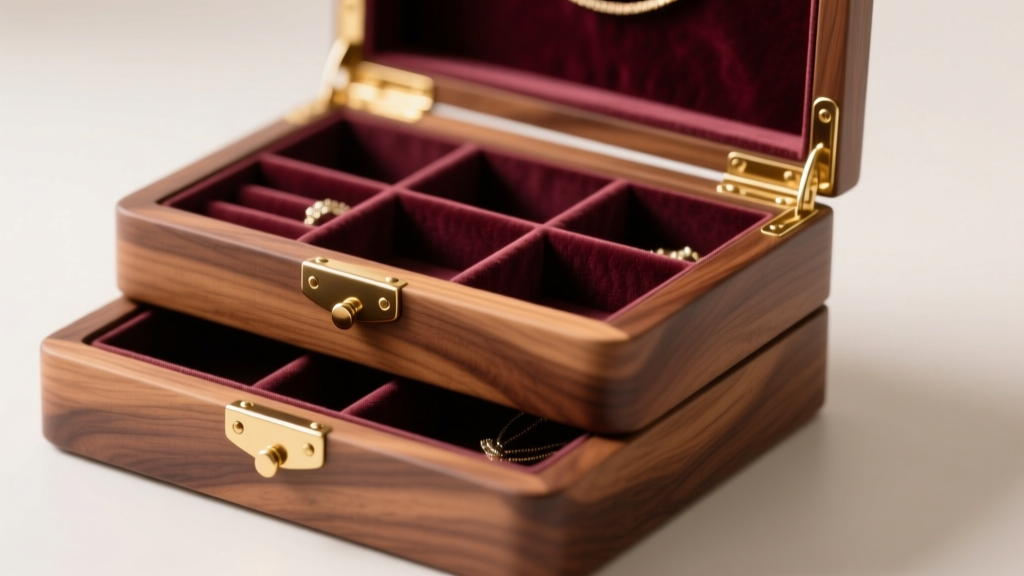
For a standard 12-inch wide tier in a cake jewelry box, the acrylic must be at least 4mm thick to prevent deflection. A 3mm tier will sag under a load exceeding 1.5 pounds, eventually warping the central rotating spindle. When shopping, check the product specifications for thickness and explicitly look for 'cast PMMA' to ensure the tiers will remain perfectly flat and optically clear for years.
Wood and Engineered MDF: The Hidden Tarnish Threat
Wooden cake jewelry boxes offer a classic, opulent aesthetic and provide excellent protection from light exposure, which can fade gemstones like amethyst and kunzite. However, the chemical composition of the wood—and the adhesives used in engineered alternatives—requires intense scrutiny.
The Danger of MDF and Off-Gassing
Many mid-tier rotating cake jewelry boxes are constructed from Medium-Density Fiberboard (MDF) wrapped in a veneer. MDF is manufactured using urea-formaldehyde resins. As National Park Service (NPS) conservation guidelines warn, formaldehyde and other volatile organic compounds (VOCs) off-gas from these engineered woods, creating an acidic microenvironment. This acidic vapor drastically accelerates the tarnishing of sterling silver and can corrode copper alloys like brass and bronze. If you purchase an MDF cake box, it must be sealed with a water-based polyurethane barrier and lined with an active anti-tarnish fabric to neutralize these emissions.
Solid Wood Alternatives: Walnut and Bamboo
For a safer wooden alternative, seek out solid hardwoods like walnut or oak, finished with natural oils or beeswax rather than synthetic lacquers. Bamboo is another popular choice due to its rapid renewability, but it is technically a grass with high silica content. Bamboo tiered boxes require specific, non-acidic adhesives during lamination. Always verify that the bamboo organizer uses formaldehyde-free glues to ensure a chemically inert storage environment for your precious metals.
Glass and Metal Frameworks: Elegance vs. Fragility
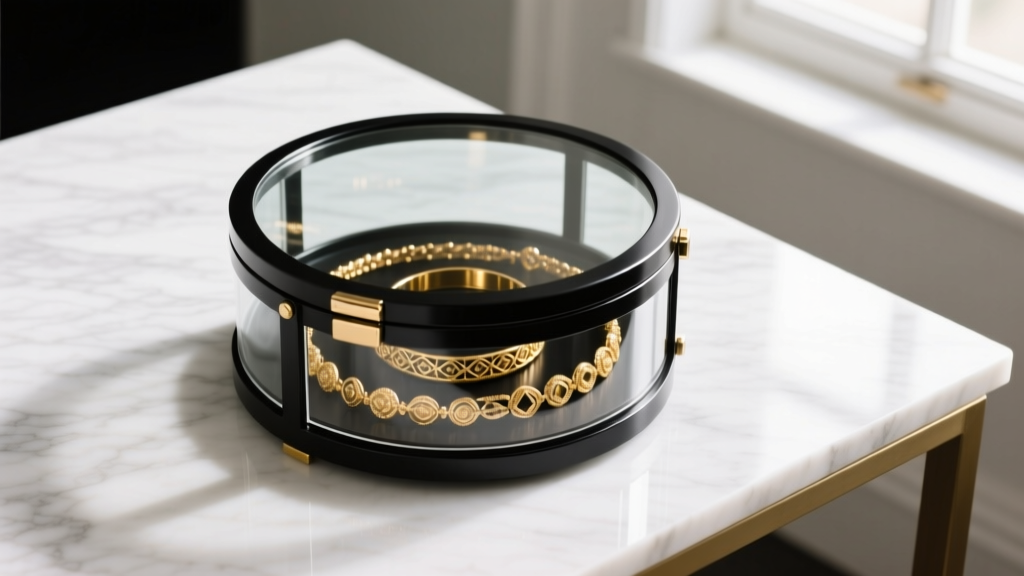
Glass cake jewelry boxes, typically featuring a tempered glass dome or tiered glass shelves supported by a metal spindle, offer a museum-quality display. Glass is entirely chemically inert; it will never off-gas, absorb moisture, or react with your jewelry. The Canadian Conservation Institute frequently recommends glass for long-term artifact storage due to its absolute stability.
Tempered Soda-Lime vs. Borosilicate
The tiers in these organizers should be made of tempered soda-lime glass, ideally 5mm thick. Tempering increases the impact resistance by up to four times compared to annealed glass, ensuring that if a heavy gold chain is dropped onto the tier, the glass will shatter into dull cubes rather than sharp shards. While borosilicate glass is more resistant to thermal shock, it is unnecessary for jewelry storage and only serves to inflate the price of the organizer.
The Metal Framework Vulnerability
The central spindle and tier supports are usually made of steel or zinc alloy. If the metal is merely painted rather than powder-coated or electroplated, ambient humidity can cause the internal framework to rust. This rust can transfer to your jewelry if it comes into contact with the spindle. Always inspect the metal components of a glass cake box for a high-quality powder-coated finish, which provides a non-porous, moisture-resistant barrier.
Material Comparison Matrix
To help you make an informed decision based on your specific collection, refer to the comparison table below detailing the core properties of each cake jewelry box material.
| Material | Tarnish Risk (Off-Gassing) | Weight Capacity (Per Tier) | Avg. Price Range | Best For |
|---|---|---|---|---|
| Cast Acrylic (4mm+) | None (Inert) | 3.0 - 5.0 lbs | $45 - $90 | Everyday wear, visual inventory, modern aesthetics |
| Extruded Acrylic | None (Inert) | 1.5 - 2.5 lbs | $20 - $40 | Lightweight pieces, budget-conscious buyers |
| Solid Hardwood | Low (If properly sealed) | 5.0 - 8.0 lbs | $80 - $150+ | Heavy statement pieces, light-sensitive gems |
| Engineered MDF | High (Formaldehyde) | 4.0 - 6.0 lbs | $30 - $70 | Costume jewelry (if lined properly) |
| Tempered Glass/Metal | None (Inert) | 4.0 - 7.0 lbs | $60 - $120 | High-end metals, museum-style display |
Anti-Tarnish Linings: The Crucial Interior Layer
Regardless of the exterior material you choose, the interior lining of your cake jewelry box is the final line of defense against environmental degradation. Standard polyester velvet is aesthetically pleasing but offers zero chemical protection. In fact, some synthetic dyes used in cheap velvets contain sulfur, which actively promotes silver tarnish.
For optimal preservation, seek out cake jewelry boxes lined with Pacific Silvercloth or a high-quality flannel embedded with silver nanoparticles. These specialized fabrics actively absorb hydrogen sulfide (H2S) from the air before it can react with your sterling silver. If your chosen cake box features standard velvet, you can easily retrofit it by purchasing anti-tarnish strips or treated flannel sheets and adhering them to the tiers using acid-free, double-sided archival tape.
Final Verdict: Matching Material to Your Collection
Selecting the ideal cake jewelry box requires aligning the material properties with the specific needs of your collection. If your rotation consists primarily of sterling silver and untreated copper, avoid MDF entirely and opt for the chemical inertness of cast acrylic or tempered glass. If you are storing heavy, oversized beaded necklaces or light-sensitive organic gems like coral and turquoise, a solid hardwood tiered box provides the necessary structural support and UV protection. By prioritizing material science over mere aesthetics, your tiered organizer will serve as a true preservation vault, keeping your jewelry pristine and perfectly displayed for years to come.