How to Clean and Restore Your Favorite Red Jewelry Box
Learn expert tips to clean, maintain, and restore your red jewelry box. Discover safe methods for velvet, leather, and lacquered wood finishes.

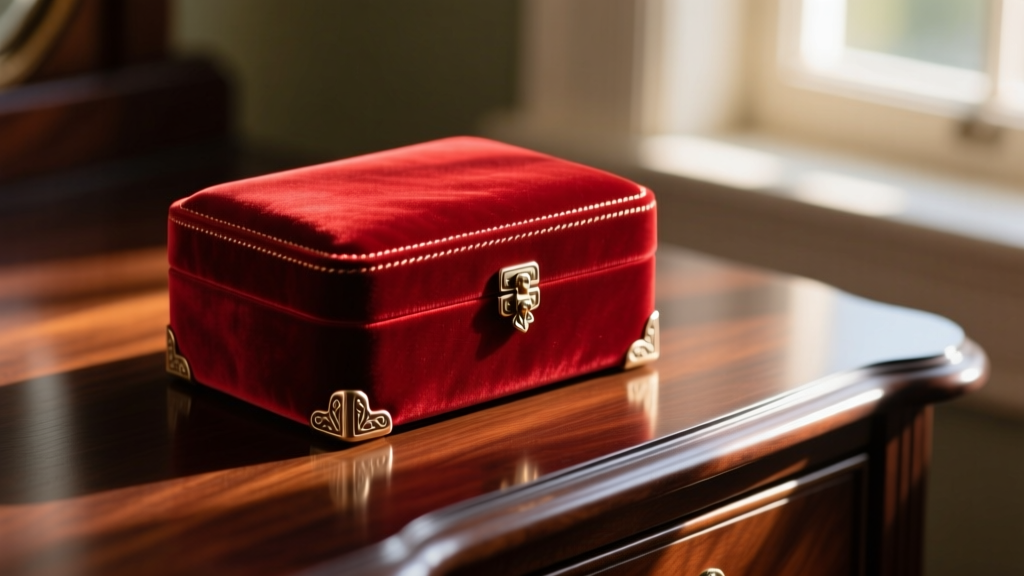
A red jewelry box is more than just a functional storage solution; it is a statement piece that adds warmth, elegance, and a touch of vintage glamour to any vanity. However, the rich pigments used to create crimson, burgundy, and ruby finishes are notoriously susceptible to fading, staining, and material degradation. Whether your box is wrapped in plush velvet, upholstered in fine leather, or finished with a high-gloss red lacquer, improper cleaning can permanently ruin the dye and structural integrity of the piece.
In this comprehensive guide, we break down the exact materials science behind red jewelry boxes and provide actionable, professional-grade maintenance routines to keep your storage looking pristine for decades.
The Anatomy of a Red Jewelry Box: Materials Matter
Before applying any cleaning agent, you must identify the specific materials used in your box's construction. As of 2026, manufacturers utilize a wide spectrum of dyes and finishes, each reacting differently to moisture and chemicals:
- Textile Linings (Velvet & Microfiber): Often dyed with acid dyes or reactive dyes. Standard velvet crushes easily, while modern 'crush-proof' velvet features a synthetic blend that resists matting but can melt under high heat or harsh solvents.
- Leather Exteriors: Aniline-dyed red leather is highly porous and will spot immediately if exposed to water. Semi-aniline or pigmented leather features a protective polyurethane topcoat that offers more resistance but requires specific pH-balanced conditioners to prevent cracking.
- Wood Finishes (Lacquer & Enamel): Red lacquered wood typically uses a nitrocellulose or catalyzed polyurethane finish over a red stain. Ammonia-based cleaners will strip the topcoat and cloud the red pigment beneath.
Step-by-Step Cleaning Guide by Material
1. Restoring Red Velvet and Microfiber Linings
Velvet interiors trap dust, skin oils, and makeup residue, which can transfer to your jewelry. Never use liquid carpet cleaners or standard upholstery sprays on a jewelry box lining, as the moisture will seep into the cardboard or wood substrate, causing warping and mold.
The Expert Method: Use a clean, dry horsehair detailing brush to gently agitate the velvet pile in one direction. This lifts embedded dust without crushing the fibers. For localized stains, use a specialized textile foam cleaner or a microscopic amount of Orvus WA Paste (a pH-neutral conservation soap used by museum textile experts) mixed with distilled water. Apply only the suds with a microfiber swab, blot immediately, and allow to air dry completely. According to the Victoria and Albert Museum's textile conservation guidelines, minimizing moisture exposure is critical to preventing dye bleed in vintage fabrics.
2. Conditioning Red Leather and Faux Leather
Red leather requires meticulous care to maintain its vibrant hue and supple texture. Over time, UV exposure and dry air cause the leather to lose its natural lipids, leading to micro-cracking along the seams and hinges.
The Expert Method: Wipe the exterior with a slightly damp microfiber cloth to remove surface dust. Apply a high-quality, pH-balanced leather conditioner (such as Chamberlain's Leather Milk or Bickmore Bick 4) using circular motions. Avoid conditioners containing neatsfoot oil or mink oil, as these can darken the red dye and leave a greasy residue that attracts dust. For faux leather (polyurethane), a simple wipe-down with a 50/50 mix of distilled water and white vinegar is sufficient; skip the heavy waxes, which will simply sit on the plastic surface and smear.
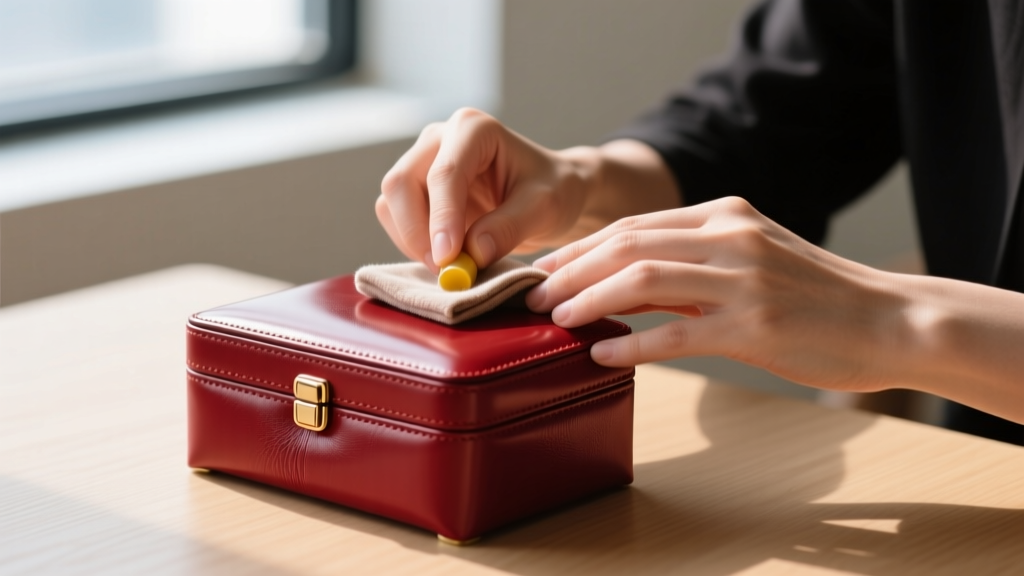
3. Polishing Lacquered Wood and Enamel Finishes
A high-gloss red lacquered box is stunning but shows fingerprints and smudges instantly. The biggest mistake owners make is using glass cleaners (which contain ammonia) or multi-surface sprays. These chemicals break down the plasticizers in the lacquer, leading to a cloudy, irreversible 'blush' effect.
The Expert Method: Dust with a clean feather duster or ultra-fine microfiber cloth. For deeper cleaning and nourishment, use a specialized wood polish like Howard Feed-N-Wax or a mild carnauba-based paste wax. Apply a thin layer, let it haze for five minutes, and buff to a mirror shine with a separate, dry cotton cloth. The Smithsonian Museum Conservation Institute strongly advises against silicone-based aerosol polishes, as they create a stubborn buildup that complicates future professional restorations.
Maintaining Anti-Tarnish Properties
Many premium red jewelry boxes feature anti-tarnish linings, such as Pacific Silvercloth or treated flannel. These fabrics are embedded with microscopic silver particles or zinc compounds that act as sacrificial anodes, absorbing hydrogen sulfide gas from the air before it can react with your sterling silver jewelry.
Critical Warning: Never wash, dry-clean, or apply liquid cleaners to anti-tarnish fabric. Washing strips the active tarnish-inhibiting compounds, rendering the lining completely useless. Instead, gently vacuum the lining using a brush attachment covered with a piece of nylon stocking to prevent snagging.
Cleaning Agents: What to Use and What to Avoid
Using the wrong chemical can permanently strip the red dye or damage the structural adhesives. Refer to this decision matrix before reaching for household cleaners:
| Material | Safe Cleaners & Tools | Strictly Avoid | Primary Risk |
|---|---|---|---|
| Red Velvet / Suede | Horsehair brush, Orvus WA Paste suds, dry microfiber | Liquid upholstery sprays, bleach, hot water | Dye bleeding, substrate warping, mold |
| Aniline Leather | pH-balanced leather milk, carnauba wax | Alcohol, baby wipes, saddle soap | Stripping natural oils, severe darkening |
| Lacquered Wood | Carnauba paste wax, distilled water damp cloth | Ammonia (Windex), silicone aerosols, acetone | Lacquer blushing, finish stripping |
| Brass Hardware | Simichrome polish, soft cotton swabs | Steel wool, abrasive baking soda pastes | Scratching, removing protective clear coat |
Restoring Hardware and Metal Hinges
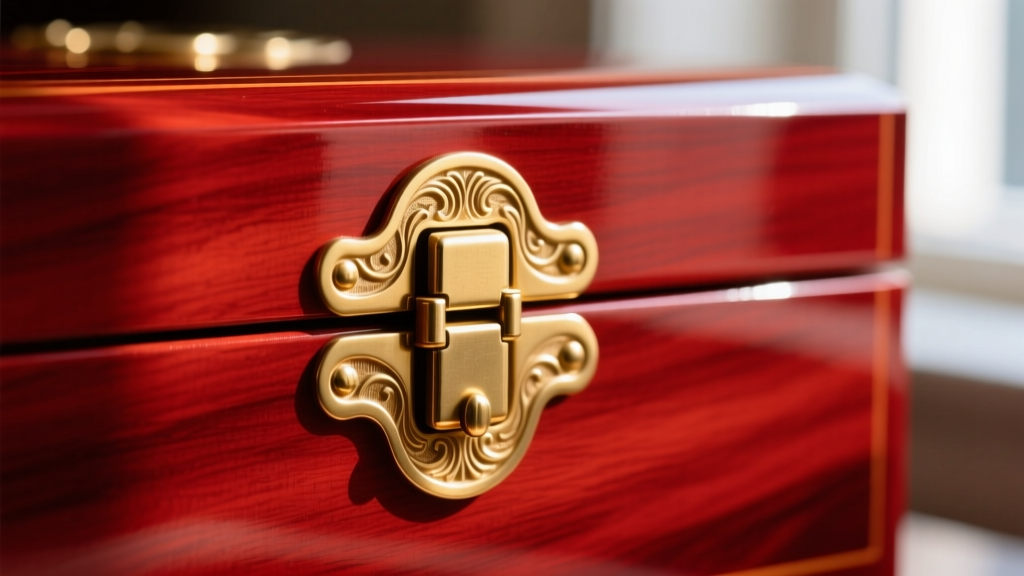
The hardware on a red jewelry box—often finished in antique brass, gold-tone, or nickel—provides a striking contrast to the red body. However, the chemicals used to clean the exterior can tarnish these metals.
If your box features solid brass hinges and clasps, use a high-grade metal polish like Simichrome. Apply it with a cotton swab to avoid getting the polish on the surrounding red leather or wood, which can cause dark, oily stains. If your hardware is zinc alloy with a thin gold plating (common in modern, mass-produced boxes), avoid abrasive polishes entirely. Instead, clean plated hardware with a mild solution of distilled water and a drop of dish soap, drying immediately to prevent water spots.
Deodorizing Musty Vintage Boxes
Vintage red jewelry boxes inherited from estate sales often carry a distinct musty or stale perfume odor. Because you cannot wash the interior lining, you must rely on passive odor absorption.
Place a small, breathable muslin bag filled with activated bamboo charcoal or pure baking soda inside the box. Close the lid and leave it in a dry, climate-controlled room for two to three weeks. The charcoal will absorb volatile organic compounds (VOCs) and moisture without introducing any new scents or liquid risks to the delicate red interior fabrics. Avoid using cedar blocks, as cedar oil can transfer to the fabric and cause yellowish-brown staining over time.
Long-Term Storage and Environmental Control
The greatest enemy of any red jewelry box is ultraviolet (UV) light. The red spectrum of dye is highly reactive to UV radiation, leading to rapid photodegradation. A box placed on a sunny vanity will fade to a dull pink or brownish hue within months.
To preserve the color, keep your jewelry box out of direct sunlight. If it must reside near a window, consider applying a UV-blocking window film (which filters out 99% of UV rays without darkening the room). Furthermore, maintain a stable indoor humidity level between 40% and 50%. Excessive humidity causes wood veneers to lift and leather to mildew, while overly dry air cracks leather and weakens the animal-based glues often used in vintage box construction.
By understanding the specific material science of your storage piece and adhering to these conservation-grade cleaning protocols, your red jewelry box will remain a vibrant, protective, and beautiful home for your collection for generations. For more foundational advice on protecting your valuables, consult the Gemological Institute of America's jewelry care guidelines, which emphasize the importance of proper, non-abrasive storage environments.


