Is a Carousel Jewelry Box Worth It? 2026 Value Guide
We break down the true cost, mechanical lifespan, and spatial ROI of carousel jewelry boxes to help you decide if the investment is worth it.

The Vertical Storage Promise vs. Manufacturing Reality
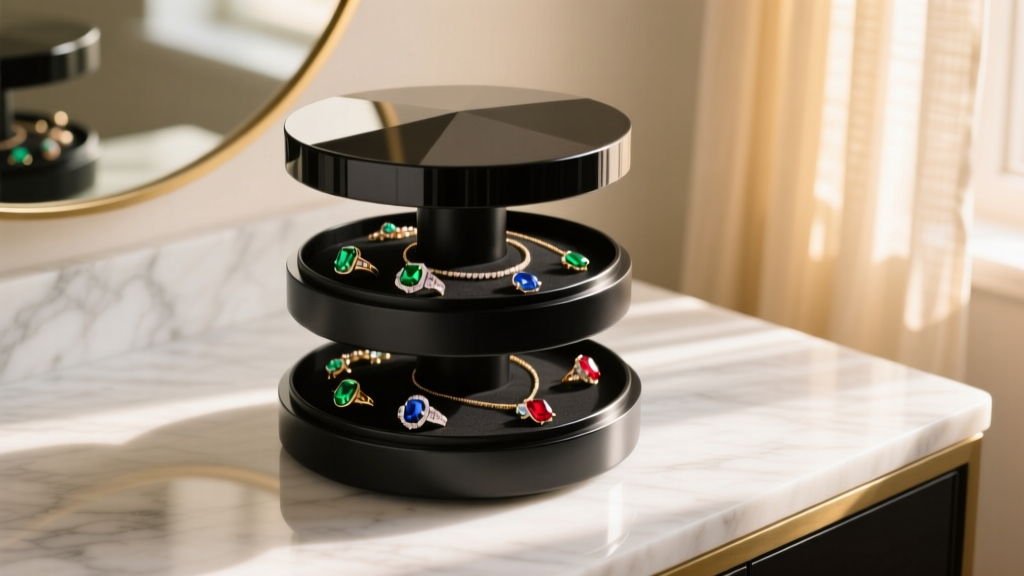
In the evolving landscape of 2026 home organization, the carousel jewelry box has emerged as a highly polarizing category. The core value proposition is undeniable: by utilizing vertical airspace, a rotating multi-tiered organizer can store up to three times the volume of a traditional flat valet tray while maintaining the exact same countertop footprint. For collectors with extensive chains, dangling earrings, and layered bracelets, the ability to spin and visually scan inventory solves the dreaded 'tangled necklace' problem. However, as demand has surged, the market has been flooded with ultra-budget models that sacrifice structural integrity and material safety to hit aggressive price points. To determine if a carousel jewelry box is a genuine organizational asset or a frustrating liability, we must look past the aesthetic exterior and evaluate the mechanical engineering, chemical composition of the linings, and true spatial return on investment (ROI).
The Mechanics of Rotation: Where Budget Models Fail
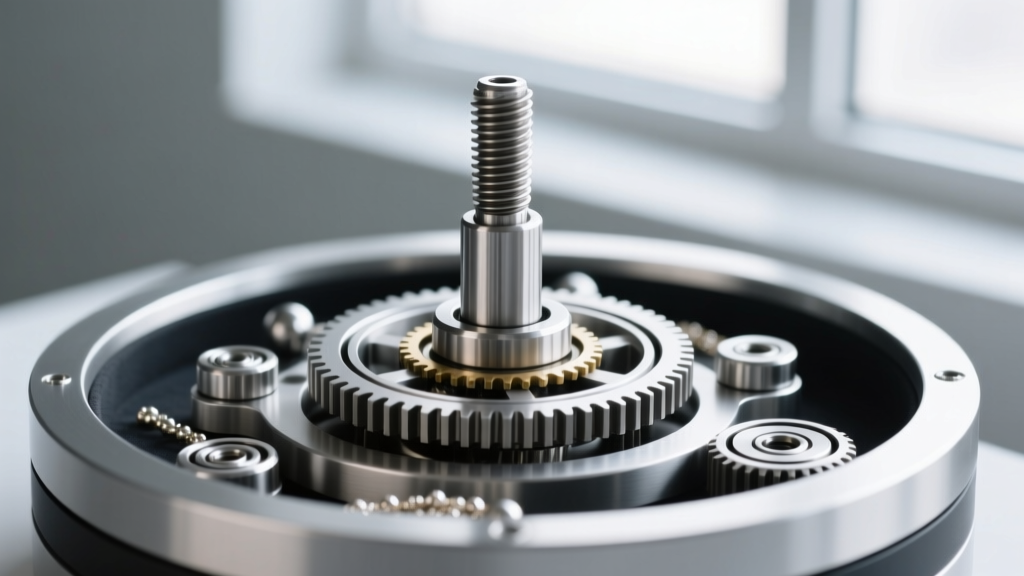
The primary failure point in any rotating organizer is the central spindle and base gear mechanism. In budget models priced under $35, manufacturers typically utilize injection-molded ABS plastic for the central load-bearing rod. While ABS is durable for static loads, it is highly susceptible to torque-induced micro-fractures. When a user hangs a heavy 18k gold chain (which can easily exceed 45 grams) or a thick sterling silver link bracelet on a tier designed for lightweight costume jewelry, the lateral force creates a persistent lean. Over 6 to 12 months of daily rotation, this asymmetric weight distribution warps the plastic spindle, resulting in a pronounced 'wobble' and eventual gear stripping at the base.
Mid-tier and premium carousel jewelry boxes address this by upgrading the internal skeleton. A reliable unit will feature a reinforced aluminum or zinc alloy central rod paired with a steel ball-bearing track at the base. This metal-on-metal or metal-on-high-density-nylon interface distributes the kinetic load evenly, allowing the carousel to spin smoothly even when fully loaded with 4+ pounds of mixed metals and gemstones. If you are investing in fine jewelry, verifying the internal spindle material is non-negotiable.
The Chemical Threat: Linings, Adhesives, and Tarnish
Beyond mechanical failure, the most insidious flaw of cheap carousel organizers is chemical. The interior lining of a jewelry box creates a microclimate. According to the Library of Congress Preservation Guidelines, enclosed spaces can trap humidity and airborne pollutants, drastically accelerating the oxidation of silver and copper alloys. Budget carousels often line their tiers with polyester flocking that is heavily glued to a cardboard or MDF backing. The industrial adhesives used in these budget linings frequently off-gas sulfur compounds and acidic volatile organic compounds (VOCs).
When you seal silver jewelry inside a sulfur-rich microclimate, you are essentially building a tarnish-incubator. Within weeks, bright sterling silver will develop a yellowish or blackened patina. Premium carousel models avoid this by utilizing mechanically fastened (stitched or stapled) woven anti-tarnish cloths, such as Pacific Silvercloth, or untreated, acid-free cotton flannel. Furthermore, the GIA Gem Care Guidelines warn against storing porous gemstones like pearls, opals, and turquoise in environments with off-gassing plastics or harsh chemical adhesives, as these stones can absorb the VOCs, leading to permanent discoloration or structural degradation. A true value assessment must factor in the cost of replacing ruined jewelry or the ongoing expense of chemical silver polishes.
Spatial ROI: Footprint vs. Volume Analysis
To quantify the value of a carousel jewelry box, we must look at the spatial mathematics. A standard rectangular jewelry box measuring 10 x 10 inches offers roughly 100 square inches of storage area, typically yielding space for 25 to 35 pieces before overcrowding causes scratching. A 10-inch diameter carousel (occupying 78.5 square inches of counter space) utilizing three tiers provides over 235 square inches of accessible hanging and laying space. Below is a breakdown of what you can expect across different market tiers in 2026.
| Feature | Budget ($25 - $45) | Mid-Tier ($50 - $85) | Premium ($90 - $160+) |
|---|---|---|---|
| Spindle Material | ABS Plastic | Reinforced Aluminum | Zinc Alloy / Steel |
| Interior Lining | Glued Polyester Flocking | PU Leather / Microfiber | Woven Anti-Tarnish Cloth |
| Max Weight Capacity | ~1.5 lbs total | ~3.5 lbs total | 5+ lbs total |
| Rotation Mechanism | Friction-based plastic | Plastic gear track | Steel ball-bearing |
| Expected Lifespan | 1 - 2 Years | 3 - 5 Years | 10+ Years |
Price Tier Breakdown: What You Actually Get
The Budget Trap (Under $45)
At this price point, you are paying for the novelty of rotation. The exterior is usually wrapped in thin, peeling PU leather, and the tiers are spaced too closely together (often less than 3.5 inches of vertical clearance), meaning long pendants will drag across the tier below, scratching both the metal and the stones. These are acceptable for lightweight, inexpensive fashion jewelry, but they pose a genuine risk to fine jewelry.
The Sweet Spot: Mid-Tier ($50 - $85)
This is where the true value lies for the average consumer. Brands in this tier have upgraded to aluminum spindles and utilize better-weighted bases to prevent tipping when fully loaded. The vertical clearance between tiers usually increases to 4.5 or 5 inches, accommodating longer chains and statement earrings. While the linings may still be synthetic microfiber rather than specialized anti-tarnish cloth, the off-gassing is significantly reduced compared to budget adhesives, making it a safe environment for most gold and platinum pieces.
The Luxury Investment ($90 - $160+)
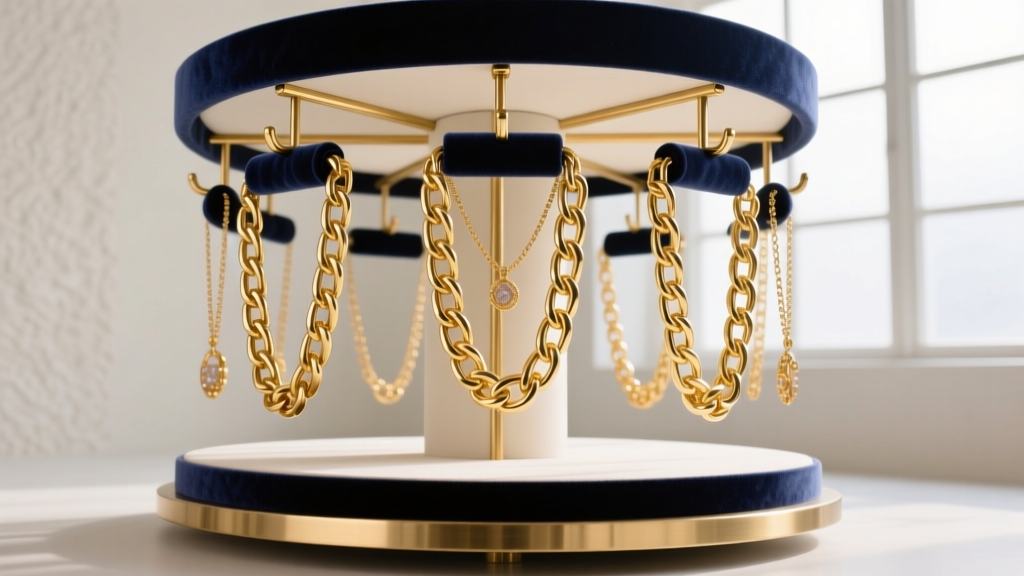
Premium carousels are built like horological instruments. They feature weighted, non-slip silicone bases, whisper-quiet steel ball-bearing tracks, and interiors lined with genuine anti-tarnish textiles. The hooks are often lined with soft silicone or velvet to prevent micro-abrasions on high-polish metals. If your collection includes heavy, high-value heirloom pieces, the premium tier is not just an organizational tool; it is a preservation vault.
Maintenance and Longevity Protocols
Even a premium carousel jewelry box requires specific maintenance to ensure the rotation mechanism survives a decade of use. The most common mistake owners make is applying petroleum-based lubricants (like standard WD-40) to a squeaky base track. Petroleum VOCs will off-gas inside the enclosed tiers and can severely damage porous gems and degrade PU leather accents. Instead, use a dry PTFE (Teflon) lubricant spray applied sparingly to the base gear. The dry formula repels dust and leaves no chemical residue that could harm your collection. Additionally, practice 'load balancing' by distributing heavy chains evenly across opposite sides of the carousel tiers to prevent long-term spindle warping.
Final Verdict: Who Should Buy a Carousel?
Is a carousel jewelry box worth the investment in 2026? The answer depends entirely on your collection profile and your willingness to avoid the budget trap. If you primarily wear lightweight, everyday fashion jewelry and have severe counter-space constraints, a mid-tier model offers excellent spatial ROI. However, if you are storing heavy gold chains, valuable gemstones, or silver pieces prone to tarnish, you must bypass the sub-$50 market. The cost of repairing a scratched pearl or polishing severely tarnished silver far outweighs the savings of a cheap plastic spindle. Invest in a mid-to-premium tier with a metal core and safe linings, and the carousel will transform from a novelty item into an indispensable, long-term preservation tool.


