Ceramic Jewelry Box Materials: Glaze, Porosity & Tarnish Guide
Discover how a ceramic jewelry box compares to wood and glass. We analyze glaze safety, porosity, thermal mass, and anti-tarnish properties.

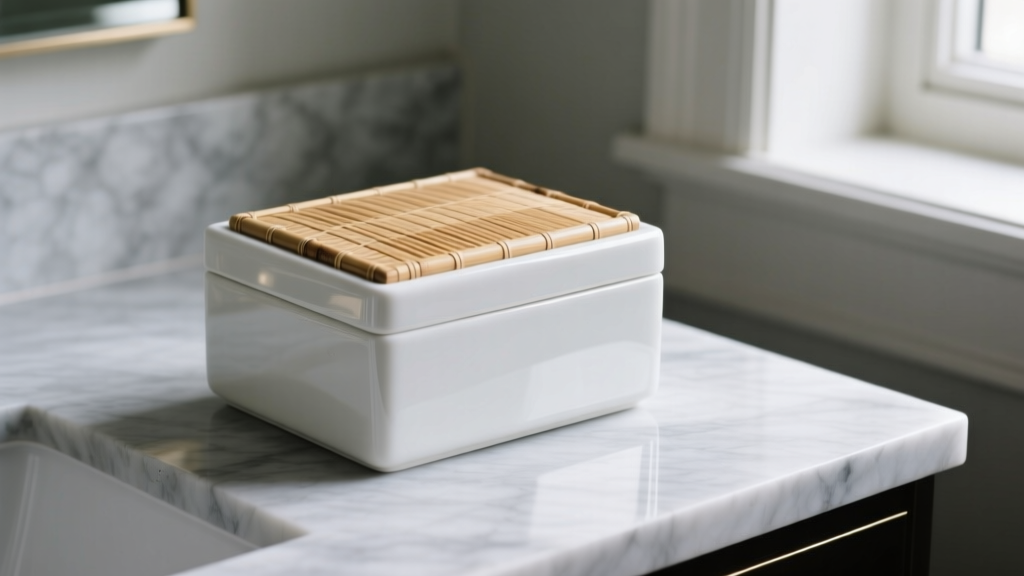
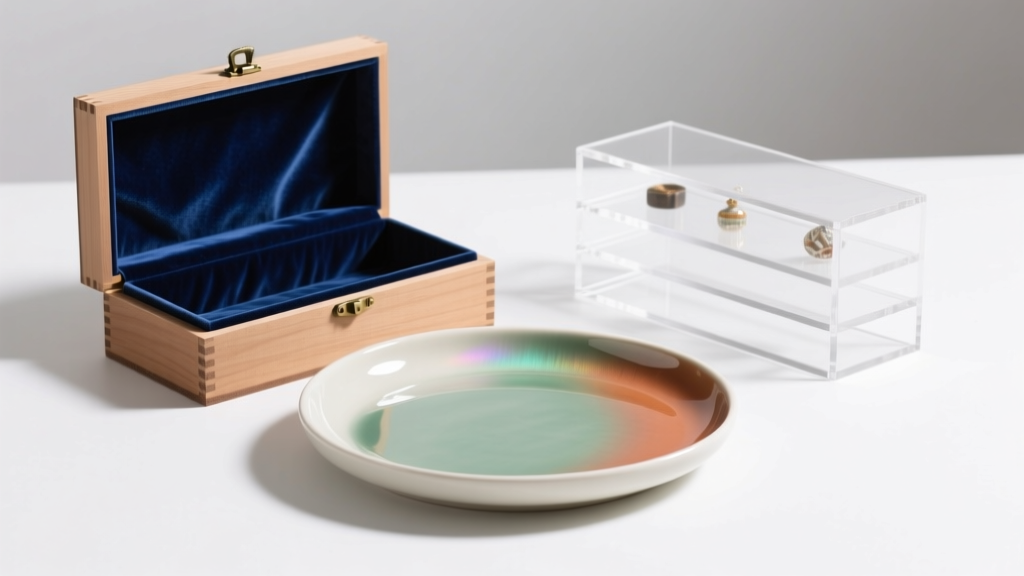
When curating a high-value jewelry collection, the vessel you choose for storage is just as critical as the environment it sits in. While velvet-lined wood and clear acrylic dominate the mass market, the ceramic jewelry box has emerged as a premier choice for serious collectors and conservationists. But why choose fired clay over traditional materials? The answer lies deep within material science, specifically regarding chemical inertness, thermal mass, and porosity.
In this comprehensive guide, we dissect the material properties of ceramic storage, comparing it directly against wood, glass, and acrylic. Whether you are storing porous opals, oxidation-prone sterling silver, or delicate natural pearls, understanding the chemistry of your storage environment will dictate the longevity of your pieces.
The Chemistry of Ceramic Storage: Why Material Matters
To understand the benefits of a ceramic jewelry box, we must first look at how it is made. Ceramic storage vessels are typically crafted from stoneware or porcelain clay bodies, fired in kilns at temperatures ranging from 1,200°C to 1,400°C (Cone 6 to Cone 10). At these extreme temperatures, the silica within the clay undergoes vitrification—a process where the clay particles fuse into a glass-like, non-porous matrix.
This vitrification is the secret weapon of ceramic storage. Unlike organic materials, fully vitrified ceramic is chemically inert. It does not off-gas volatile organic compounds (VOCs), sulfur dioxide, or acidic vapors. This makes it an exceptionally safe micro-environment for precious metals and sensitive gemstones that react poorly to airborne pollutants.
Ceramic vs. Wood, Glass, and Acrylic: A Property Breakdown
To contextualize the performance of ceramic, we must compare its physical and chemical properties against the most common jewelry storage alternatives. The table below outlines the critical material differences that impact jewelry preservation.
| Material | Mohs Hardness | Off-Gassing Risk | Thermal Mass | Tarnish / Oxidation Risk |
|---|---|---|---|---|
| Ceramic (Glazed Porcelain) | 6.5 - 7.0 | Zero | High | Very Low |
| MDF / Composite Wood | 1.0 - 2.0 | High (Formaldehyde, Sulfur) | Low | High |
| Tempered Glass | 5.5 - 6.0 | Zero | Medium | Low |
| Cast Acrylic | 3.0 | Low (Plasticizers) | Low | Medium |
The most alarming data point for collectors is the off-gassing risk associated with MDF (Medium-Density Fiberboard) and cheap plywood boxes. The adhesives used in composite woods often contain sulfur compounds and formaldehyde. When trapped in a closed box, these gases react with the copper and silver in your jewelry, accelerating the formation of silver sulfide (black tarnish) and copper oxide. A vitrified ceramic jewelry box completely eliminates this chemical threat.
Thermal Mass and Temperature Regulation
Ceramic possesses a high specific heat capacity, meaning it absorbs and releases heat much slower than wood, plastic, or thin glass. This thermal buffering is vital for organic and water-bearing gemstones. According to the Gemological Institute of America (GIA), pearls and amber are highly sensitive to rapid temperature fluctuations, which can cause the conchiolin protein in pearls to dehydrate and crack, or cause internal fractures in amber.
A thick-walled ceramic jewelry box acts as a thermal insulator, stabilizing the internal micro-climate and protecting these sensitive organics from the ambient temperature swings of a bedroom or vanity area.
The Glaze Factor: Porosity, Lead, and Off-Gassing
Not all ceramics are created equal. The safety and efficacy of a ceramic jewelry box depend entirely on its glaze and firing temperature. Here is how different ceramic finishes impact your jewelry:
- High-Fire Porcelain & Stoneware (Cone 6-10): These are fully vitrified. Even if the glaze chips, the underlying clay body will not absorb moisture. This is the gold standard for jewelry storage.
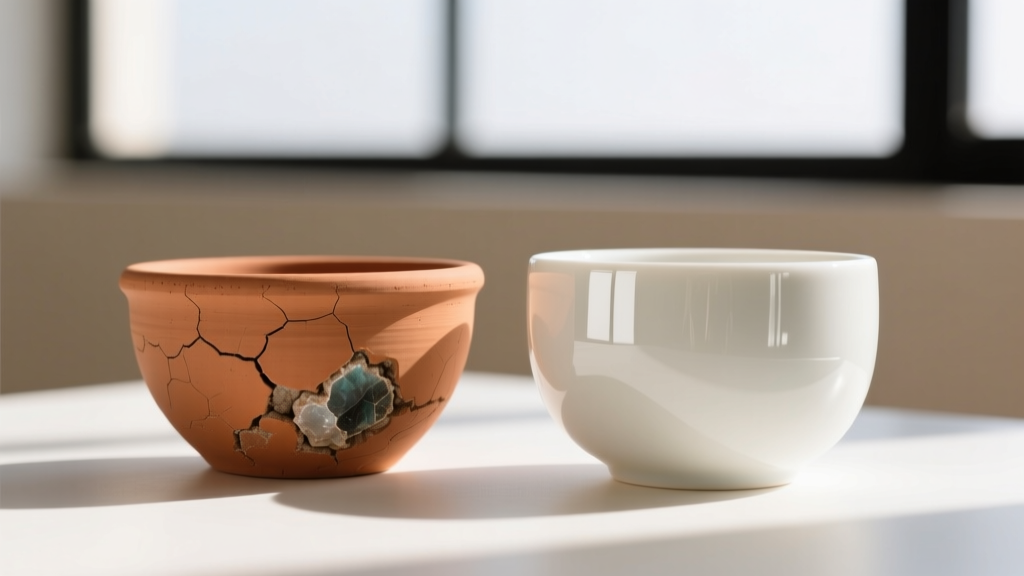
- Low-Fire Earthenware & Terracotta (Cone 04-06): These remain porous after firing. They rely entirely on the glaze to seal out moisture. If the glaze is compromised, the clay will absorb ambient humidity, creating a damp micro-climate that promotes rapid metal oxidation.
- Unglazed Bisque: Highly porous and abrasive. Never store bare metals or soft stones (like turquoise or malachite) in unglazed ceramic, as the friction will cause micro-scratches and the porosity will trap tarnishing agents.
How to Test and Prep Your Ceramic Glaze for Jewelry Safety
If you are purchasing a vintage ceramic jewelry box or a handcrafted artisan piece, you must verify the safety of the glaze. Historically, some decorative ceramic glazes utilized lead fluxes to achieve a high-gloss finish at lower temperatures. While modern 2026 manufacturing standards strictly regulate lead in commercial ceramics, vintage pieces remain a risk.
The American Institute for Conservation (AIC) recommends keeping historical artifacts away from unstable materials. To ensure your ceramic storage is safe:
- The Sound Test: Flick the edge of the ceramic box. A high-pitched, resonant "ping" indicates high-fire vitrification. A dull "thud" suggests low-fire earthenware, which is highly porous and less ideal for humidity-sensitive metals.
- Lead Testing: Use a commercially available lead swab test kit on the interior glaze of any vintage or imported artisan ceramic box before placing bare jewelry inside.
- Proper Lining: Even with a safe, high-fire glaze, ceramic is hard (Mohs 6.5+). Always line the bottom of a ceramic jewelry box with acid-free, unbleached cotton or archival-quality tissue paper to prevent hard-stone scratching against the glaze.
Structural Integrity: Weight, Fragility, and Travel
Material density is a double-edged sword. Ceramic is significantly heavier than wood, acrylic, or glass. On a vanity, this is a distinct advantage. A heavy ceramic jewelry box will not tip or slide when you pull out a heavy, tangled gold chain or a long strand of lapis lazuli beads. The high center-of-gravity stability prevents accidental spills.
However, this density makes ceramic entirely unsuitable for travel. Furthermore, while porcelain has high compressive strength, it has low tensile strength, meaning it is brittle and will shatter upon impact with a hard floor. For travel organizers, lightweight polycarbonate or padded leather remains the superior choice, reserving ceramic strictly for stationary, at-home conservation.
Best Jewelry Types for Ceramic Storage
Based on its material properties, a high-fire, glazed ceramic jewelry box is the optimal storage environment for specific categories of jewelry:
- Sterling Silver & Copper: The zero off-gassing environment prevents the sulfur-induced tarnish that plagues silver stored in wooden or velvet-lined MDF boxes.
- Natural Pearls & Coral: The high thermal mass buffers against the rapid temperature changes that cause organic gems to craze and crack.
- Opals & Emeralds: The non-porous glaze helps maintain a stable ambient humidity level, preventing the dehydration that leads to opal crazing or the drying out of cedar oil treatments in emeralds.
Final Verdict: Is Ceramic Right for Your Collection?
The transition toward a ceramic jewelry box is a hallmark of a collector who prioritizes chemical preservation over sheer portability. While the initial investment is higher and the fragility requires careful placement away from high-traffic edges, the material benefits are undeniable. By eliminating VOC off-gassing, providing superior thermal buffering, and offering a chemically inert, non-porous surface, high-fire glazed ceramic stands as one of the most advanced and protective storage materials available for fine jewelry conservation today.


