Ceramic Jewelry Holder Value Guide: Budget vs. Artisan Tiers
Discover if a ceramic jewelry holder is worth the cost. We compare mass-produced vs. artisan stoneware, analyzing durability, glaze safety, and value.

Beyond the Aesthetic: The True Value of Ceramic Storage
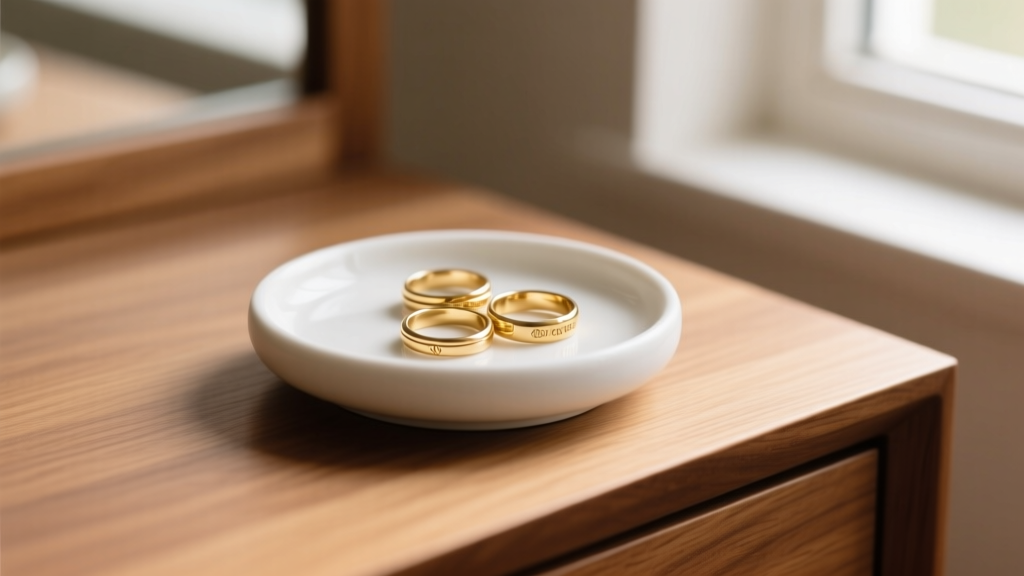
When browsing for jewelry organization in 2026, the ceramic jewelry holder has emerged as a dominant trend, prized for its sculptural elegance and minimalist appeal. But from a strict budget and value assessment perspective, is ceramic genuinely worth the premium over injection-molded acrylic, stamped brass, or engineered wood? To answer this, we must look past the aesthetic and evaluate the material science, weight-to-stability ratios, and long-term preservation qualities of fired clay. While a mass-produced ceramic dish might cost $15, an artisan-thrown stoneware necklace tree can easily command $120. This guide breaks down the exact metrics you need to determine which tier offers the best return on investment for your specific collection.
Material Breakdown: Earthenware vs. Stoneware vs. Porcelain
Not all ceramics are created equal. The value of a ceramic jewelry holder is intrinsically tied to its clay body and the temperature at which it was fired. According to the Ceramic Arts Network, the vitrification process dictates the density, porosity, and ultimately the durability of the piece.
- Earthenware (Fired at 1000°C - 1150°C): Highly porous and relatively soft. Often used for cheap, mass-produced terracotta dishes. Value Verdict: Low. It chips easily, absorbs moisture, and can harbor tarnish-causing humidity if not properly sealed.
- Stoneware (Fired at 1200°C - 1300°C): Dense, non-porous, and exceptionally heavy. This is the gold standard for tall jewelry trees and multi-tiered organizers. Value Verdict: High. The natural weight provides a low center of gravity, preventing tips when hanging heavy statement necklaces.
- Porcelain (Fired at 1260°C - 1400°C): Vitrified, translucent, and incredibly hard. Usually reserved for small ring cones and delicate trinket dishes. Value Verdict: Premium. It offers the smoothest surface for soft metals but comes with a high price tag and a higher risk of shattering if dropped.
Budget vs. Artisan: A Value Comparison Matrix
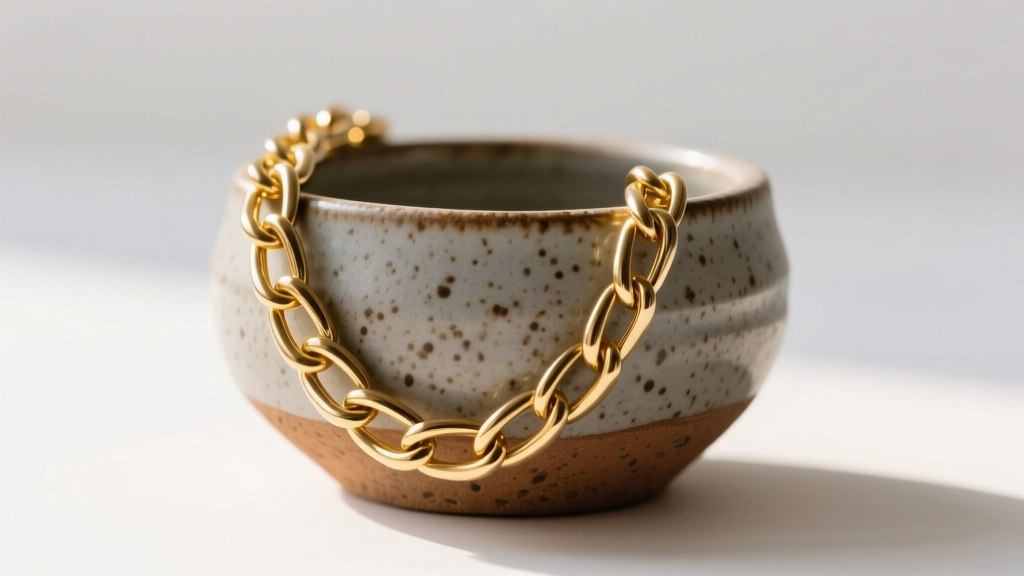
To accurately assess value, we must compare the $12–$35 mass-market tier against the $60–$150+ studio artisan tier. The table below outlines the structural and functional differences that justify the price gap.
| Feature | Mass-Produced ($12 - $35) | Studio Artisan ($60 - $150+) |
|---|---|---|
| Clay Body | Slip-cast earthenware or low-grade stoneware | Hand-wedged, high-fire stoneware or porcelain |
| Glaze Quality | Sprayed commercial glazes, prone to pitting | Dipped, multi-layered glazes with smooth vitrification |
| Edge Finishing | Sharp mold lines, unglazed foot rings | Sanded edges, fully glazed or felt-padded bases |
| Weight / Stability | Lightweight, requires careful loading | Dense, anchored base, supports heavy chains |
| Breakage Risk | High (thin walls, poor packaging) | Low (thick walls, custom-molded shipping inserts) |
The Hidden Costs of the Budget Tier
While saving $80 on a budget ceramic holder seems like a win, the hidden costs often erase the savings. Mass-produced slip-cast ceramics suffer from microscopic air bubbles, leading to structural weak points. Furthermore, budget brands rarely invest in custom foam packaging, resulting in a 15-20% breakage rate during transit. When you factor in return shipping and replacement time, the "budget" option often costs more in time and frustration.
Glaze Safety and Metal Protection: The Mohs Scale Factor
One of the most critical, yet overlooked, aspects of evaluating a ceramic jewelry holder is how the glaze interacts with precious metals. According to Blue Nile's Jewelry Care Guidelines, protecting the finish of soft metals is paramount for maintaining resale value and aesthetic brilliance.
"Pure 24k gold sits at a 2.5 on the Mohs hardness scale, and sterling silver is similarly soft. Ceramic glazes, which are essentially liquid glass fired to a solid state, often exceed a 6 or 7 on the Mohs scale. If a glaze is improperly fired or contains crystalline inclusions, it will act like sandpaper against your soft metals."
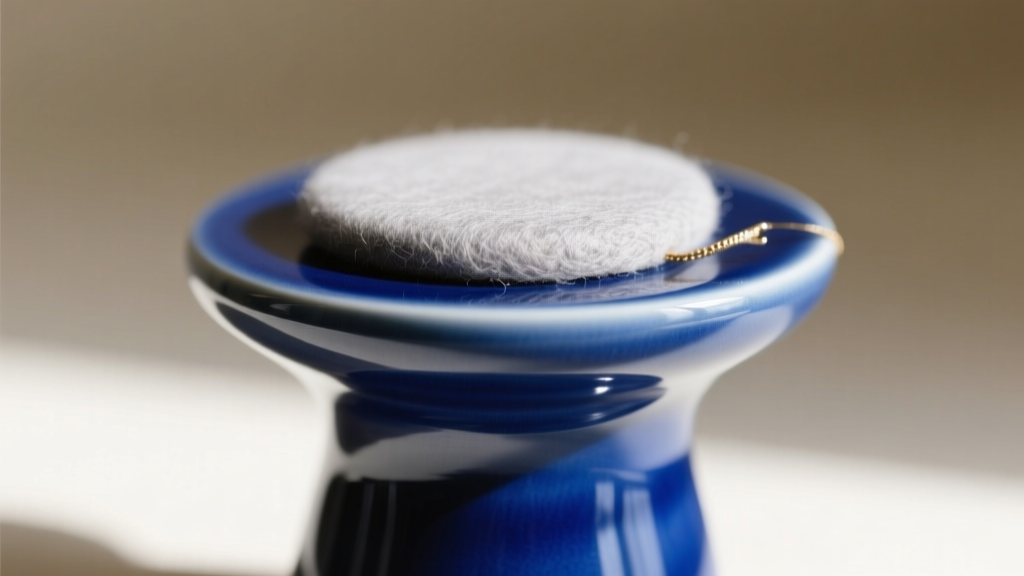
When assessing value, inspect the glaze. A high-value ceramic holder will feature a "butter-smooth" high-gloss or satin-matte finish that is completely free of pitting. If you run your fingernail over the surface and feel microscopic bumps or sharp crystalline structures, the holder will micro-scratch your silver and gold over time. Artisan potters often understand this and will apply ultra-soft velvet or felt pads to the specific contact points of ring cones and necklace branches, a detail rarely found in budget imports.
The Physics of Organization: Weight-to-Stability Ratios
For tall jewelry organizers, such as necklace trees or multi-branch stands, the material's density is a primary value driver. Acrylic and wood trees often suffer from a high center of gravity. When you hang a 150-gram statement necklace on one side of an acrylic tree, it tips over, potentially pulling other pieces down with it.
Ceramic stoneware has an average density of 2.4 g/cm³, making it significantly heavier than acrylic (1.18 g/cm³) or most hardwoods. When investing in a ceramic tree, look for a base diameter that is at least 60% of the total height (e.g., a 10-inch tall tree should have a 6-inch wide base). The inherent weight of fired stoneware acts as a natural counterbalance, making it the most secure material for organizing heavy, gemstone-laden pieces without the need for ugly, weighted metal plates hidden inside the base.
Inspection Checklist: Maximizing Your Investment
When your ceramic jewelry holder arrives, perform this quick 4-point E-E-A-T inspection to ensure you received the quality you paid for:
- The Tap Test: Flick the side of the ceramic with your fingernail. A high-fired stoneware or porcelain piece will emit a clear, high-pitched "ping." A dull "thud" indicates low-fire earthenware or internal cracking.
- The Glaze Slide: Take a soft, unpolished silver coin and gently drag it across an inconspicuous area of the glaze. If it leaves a gray mark that won't wipe away, the glaze is too abrasive for soft jewelry.
- The Base Check: Flip the piece over. The unglazed foot ring should be sanded completely smooth. Rough, sandy foot rings will scratch your wooden vanities and marble countertops.
- The Balance Test: Place the holder on a flat surface and apply gentle lateral pressure to the highest point. It should resist tipping and return to center immediately.
Final Verdict: Where Should You Allocate Your Budget?
So, is a ceramic jewelry holder worth the investment? The answer depends entirely on the function of the piece. For small ring dishes and earring trays, the budget tier ($15-$25) offers excellent value, as the structural demands and metal-friction risks are minimal. However, for tall necklace trees, multi-tiered bracelets stands, and heirloom display pieces, the artisan stoneware tier ($75-$150) is a mandatory investment. The superior density, precise glaze chemistry, and structural integrity of high-fire ceramics provide a level of security and preservation that mass-market alternatives simply cannot achieve. By understanding the material science behind the clay, you can curate a storage collection that protects your jewelry's financial and sentimental value for decades.


