Foldable Jewelry Organizer: Budget & Value Assessment Guide
Discover if a foldable jewelry organizer is worth your money. We break down material costs, anti-tarnish efficacy, and long-term value for travelers.

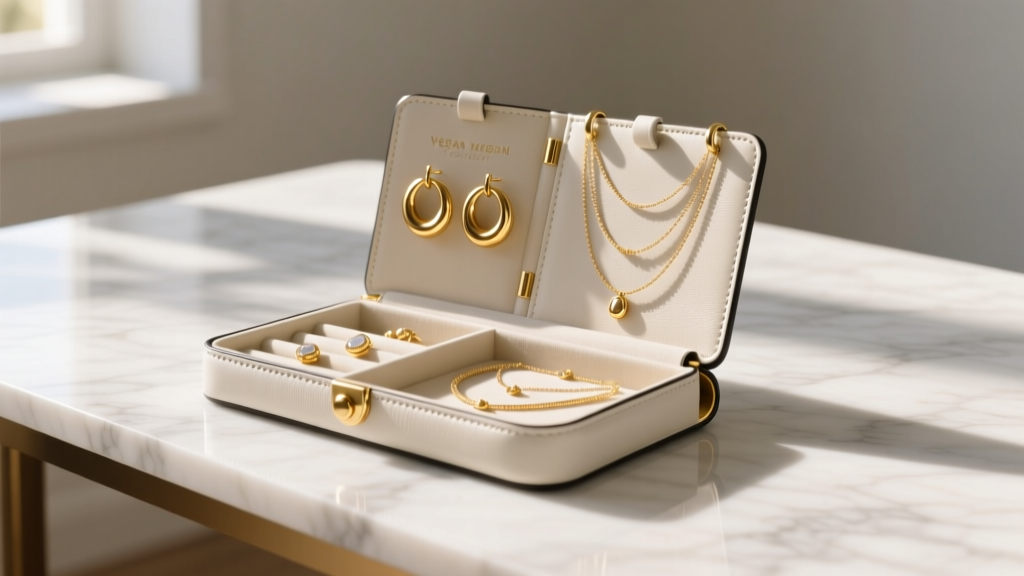
The True Cost of Travel Jewelry Storage
When packing for a trip, jewelry is often an afterthought, tossed into a plastic baggie or the corner of a toiletry kit. The result? Tangled chains, crushed prongs, and oxidized silver. While a premium, hard-shell jewelry vault is ideal for home storage, it is entirely impractical for travel. This is where the foldable jewelry organizer bridges the gap between portability and protection. But with prices ranging from $12 to over $120, how do you determine which option offers genuine value and which is simply overpriced aesthetic packaging?
In this budget and value assessment, we dissect the material science, hardware longevity, and anti-tarnish efficacy of foldable organizers to help you calculate the true cost-per-year of your travel storage. According to the Jewelers of America, improper storage is a leading cause of micro-scratches and accelerated tarnishing, meaning a poor-quality organizer can actually cost you more in jewelry maintenance than the organizer itself.
Material Breakdown: What Are You Actually Paying For?
The outer shell and inner lining of a foldable jewelry organizer dictate its lifespan, weight, and protective capabilities. Budget manufacturers often cut corners here, using materials that degrade rapidly under the stress of travel.
Vegan Leather (PU/PVC) vs. Ballistic Nylon vs. EVA Foam
Vegan Leather (Polyurethane): Frequently found in the $15–$30 range. While it offers a luxurious look for Instagram-flat-lays, PU leather is highly susceptible to hydrolysis. In humid travel environments, the plasticizer breaks down, leading to peeling and sticky surfaces within 12 to 18 months. It offers minimal crush protection.
Ballistic Nylon (600D to 1680D): The gold standard for mid-range to premium organizers ($35–$65). Originally developed for flak jackets, 1680D nylon provides exceptional abrasion resistance and repels liquid spills. It folds flat without creasing permanently, making it the highest-value material for frequent flyers.
Hard-Shell EVA Foam: Priced between $25–$45, Ethylene-Vinyl Acetate (EVA) provides the best crush protection for delicate items like pearl earrings or hollow gold hoops. However, EVA cases are inherently bulky. They do not truly 'fold' flat; rather, they open like a clamshell, consuming valuable real estate in a carry-on.
| Material | Avg. Price Range | Crush Protection | Tarnish Resistance | Estimated Lifespan |
|---|---|---|---|---|
| PU Vegan Leather | $15 - $30 | Low | Poor (traps moisture) | 1 - 2 Years |
| 1680D Ballistic Nylon | $35 - $65 | Medium | Good (breathable) | 5+ Years |
| Hard-Shell EVA | $25 - $45 | High | Excellent (airtight seal) | 3 - 5 Years |
Anti-Tarnish Efficacy in Foldable Designs
Sterling silver and copper alloys react with hydrogen sulfide in the air to form silver sulfide, the black tarnish that ruins jewelry finishes. Foldable organizers face a unique challenge here: by definition, they rely on zippers, snaps, or folds, which inherently compromise an airtight seal.
To combat this, high-value organizers line their interiors with Pacific Silvercloth or treated flannel. These fabrics are embedded with microscopic sterling silver particles that act as a sacrificial anode, absorbing the tarnishing gases before they reach your jewelry. Budget organizers typically use standard microfiber or polyester suede. While these materials are soft and prevent scratching, they offer zero chemical protection against oxidation. If you are traveling to humid coastal destinations, a budget polyester-lined foldable organizer will require you to polish your silver immediately upon returning home, negating any initial savings.
Expert Value Tip: If you opt for a budget organizer to save money, invest $5 in a pack of activated silica gel desiccant packets and 3M anti-tarnish strips. Placing these inside the zippered compartments of a cheap organizer artificially elevates its anti-tarnish performance to match premium $80 models.
Price Tier Analysis: Where Does the Value Peak?
When assessing the ROI of a foldable jewelry organizer, we must look at the cost-per-use and the potential cost of jewelry damage. The Gemological Institute of America (GIA) notes that gemstones like opals and emeralds are highly sensitive to pressure and sudden temperature changes, requiring specific storage considerations that cheap organizers fail to provide.
- The Budget Tier ($12 - $25): Usually constructed of thin PU leather with glued-in elastic loops. Value Verdict: High risk of hardware failure. The elastic loops lose their tension within months, allowing rings to slip out and scratch other pieces. Only recommended for costume jewelry or short weekend trips.
- The Mid-Range Sweet Spot ($30 - $55): Features 600D+ nylon or high-grade microfiber, YKK zippers, and dedicated, pillowed ring rolls. Value Verdict: This is where the value peaks. You are paying for structural integrity and hardware that won't fail at airport security. The cost-per-year drops to less than $8 based on a 5-year lifespan.
- The Premium Tier ($60 - $120): Brands like Stackers or Wolf. Includes genuine pebble-grain leather, suedette linings, and modular, snap-in trays. Value Verdict: You are paying for luxury aesthetics and brand prestige. While beautiful, the functional protection does not scale linearly with the price. Best for gifting or travelers who prioritize aesthetic luxury over pure utility.
Common Failure Modes to Avoid
To accurately assess value, you must understand how these organizers actually break. A $40 organizer that fails in six months is a worse investment than a $20 organizer that lasts two years. Watch out for these specific failure modes:
1. Zipper Derailment and Teeth Separation
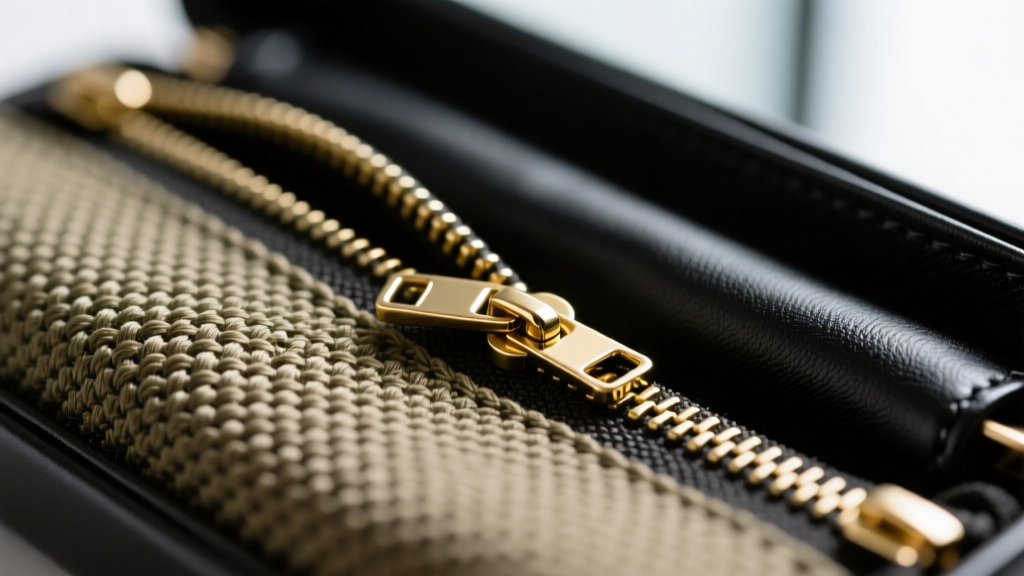
The most common point of failure in foldable designs is the zipper. Budget models use cheap nylon coil zippers with zinc-alloy pulls that bend under pressure. If the zipper splits while the organizer is in your bag, your jewelry will spill into the lining of your suitcase. Always look for organizers that explicitly advertise YKK zippers or feature brass metal teeth, which resist lateral bending.
2. Elastic Loop Fatigue
Necklaces and bracelets are often secured by elastic bands. Standard spandex/elastane degrades rapidly when exposed to the UV light and heat of a car trunk or airplane tarmac. After 12 to 18 months, these bands snap or become permanently stretched out. High-value organizers use woven grosgrain ribbons with adjustable snap-buttons or silicone-gripped straps that do not rely on elastic tension.
3. The 'Ring Roll' Prong Hazard
Many foldable organizers feature a 'ring roll'—a piece of fabric rolled up with tight slits to hold rings. While space-efficient, if the fabric is too stiff or the slits are too narrow, inserting and removing rings can bend the delicate prongs holding your diamonds or gemstones. For high-carat or antique pieces, avoid tight ring rolls entirely and seek out organizers with individual, hard-sided pillowed ring slots.
Final Verdict: Who Should Buy a Foldable Organizer?
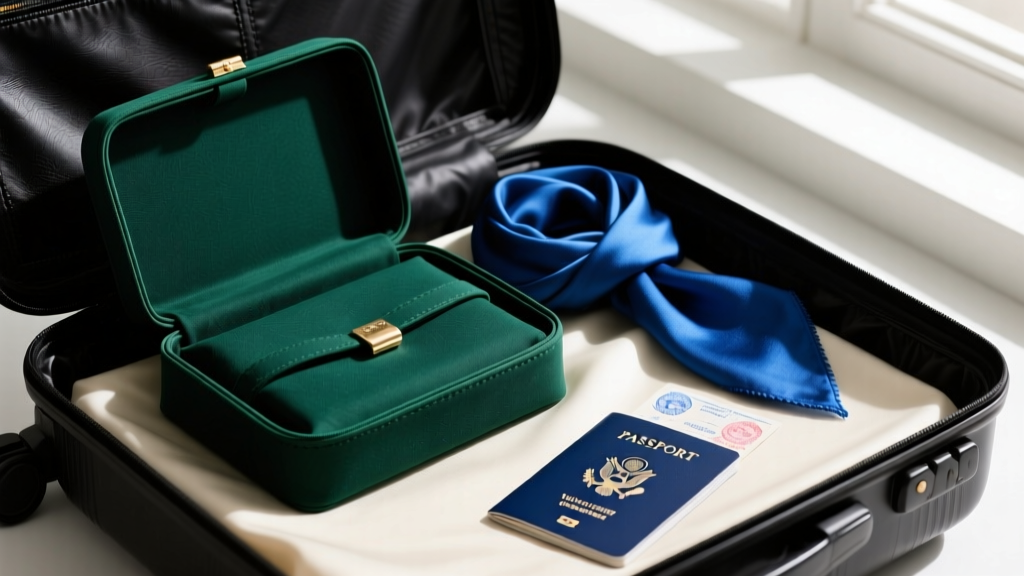
The foldable jewelry organizer is an essential tool for the modern traveler, but its value is entirely dependent on your specific travel habits and the materials you choose. The Transportation Security Administration (TSA) strongly advises keeping valuables in your carry-on or personal item rather than checked luggage, making a compact, foldable profile a strict requirement for airport security compliance.
If you travel more than three times a year and wear fine jewelry (14k/18k gold, sterling silver, or genuine gemstones), bypass the $15 PU leather options. The mid-range ($30–$55) ballistic nylon or EVA foam organizers offer the optimal intersection of crush protection, anti-tarnish breathability, and hardware longevity. By investing in a mid-tier organizer with YKK hardware and treated linings, you protect not just your accessories, but the financial and sentimental value of the jewelry itself.


