The Cinderella Jewelry Box Trend: 2026 Fairycore Storage
Explore the 2026 Cinderella jewelry box trend. We analyze fairycore storage aesthetics, material quality, anti-tarnish features, and top vanity picks.

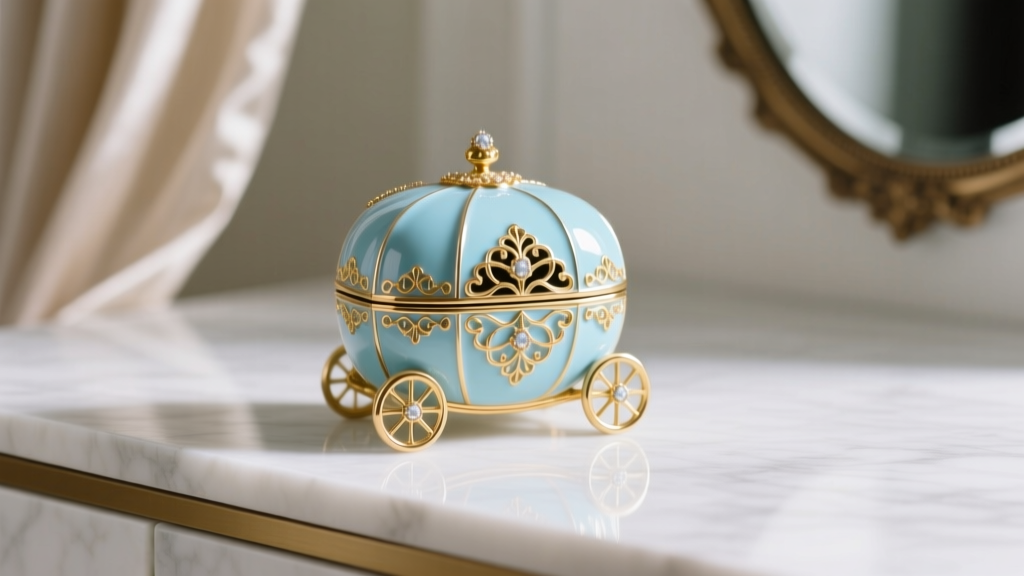
The Resurgence of Romantic Nostalgia in Vanity Storage
For the past decade, the jewelry organization market was dominated by stark minimalism: clear acrylic stackables, utilitarian velvet rolls, and invisible drawer inserts. However, as we navigate the design landscape of 2026, a dramatic pivot toward romantic maximalism has taken hold. At the forefront of this movement is the sophisticated Cinderella jewelry box—a storage solution that transcends childhood nostalgia to become a legitimate, highly curated element of the modern adult vanity. Driven by the evolution of the "fairycore" and "coquette" aesthetics into what trend forecasters now call "heirloom romanticism," these carriage-shaped, pumpkin-motif, and glass-slipper-inspired organizers are no longer mere novelty items. They are statement pieces that bridge the gap between functional storage and sculptural art.
According to recent interior design analyses by Architectural Digest, the modern vanity is being reimagined as a sanctuary of self-care and personal expression. In this context, a Cinderella jewelry box serves as an emotional anchor on the dressing table. But as demand has surged, the market has been flooded with both exquisite artisanal pieces and poorly constructed mass-market knockoffs. Understanding the structural and material differences is crucial for collectors and everyday wearers alike.
Anatomy of a High-Quality Cinderella Jewelry Box
When shopping for a carriage or pumpkin-shaped jewelry organizer, the structural integrity of the piece is paramount. Unlike traditional rectangular boxes that benefit from simple, straight-line joinery, novelty shapes require complex molding and specialized hardware. The hinge mechanism is often the first point of failure in lower-quality pieces. Premium models utilize solid brass stop-hinges or concealed piano hinges adapted for curved surfaces, ensuring the lid remains open at a precise 90-degree angle without snapping shut or warping the chassis over time.
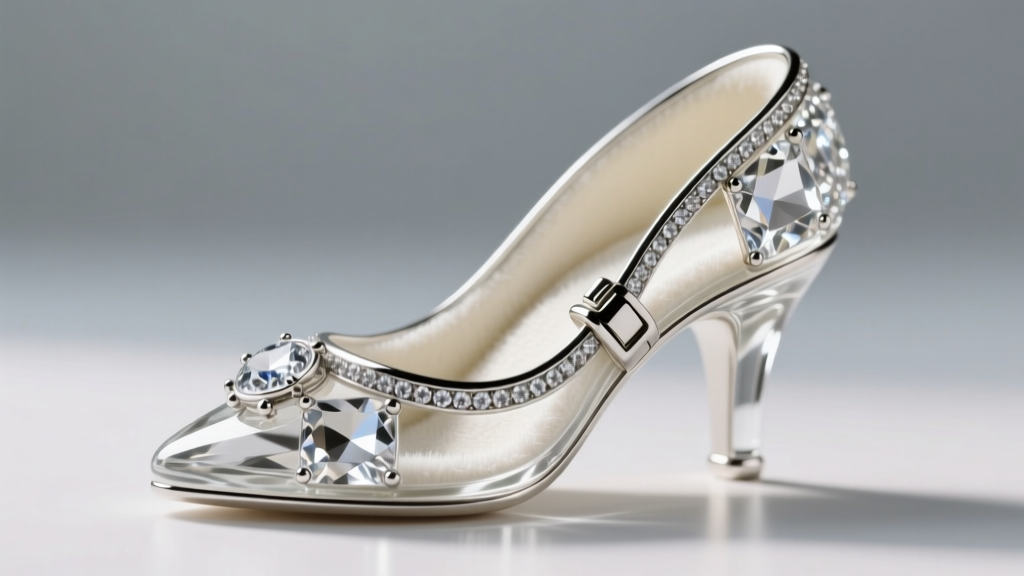
The exterior shell material dictates both the price point and the longevity of the piece. While injection-molded polyurethane resin dominates the entry-level market, serious collectors are gravitating toward hand-painted cloisonné enamel, heavy cast pewter, and even lead-free crystal glass. Below is a comparative breakdown of the materials currently defining the 2026 market.
Material & Construction Comparison Chart
| Material Type | Price Range (2026) | Durability & Weight | Aesthetic Profile |
|---|---|---|---|
| Injection-Molded Resin | $35 – $65 | Lightweight, prone to micro-scratches and seam splitting | Glossy, uniform, mass-produced feel |
| Cloisonné Enamel on Brass | $180 – $350 | Heavy, highly scratch-resistant, cold to the touch | Vitreous shine, intricate wire-work details |
| Cast Pewter with Patina | $120 – $250 | Medium weight, dents rather than cracks, develops patina | Antique, gothic-romantic, matte finish |
| Hand-Blown Borosilicate Glass | $250 – $500+ | Fragile but chemically stable, heavy base required | Ethereal, translucent, modern fairycore |
The Anti-Tarnish Reality in Novelty Storage
The most significant criticism of novelty storage—including the vast majority of mass-market Cinderella jewelry boxes—is their failure to protect precious metals from oxidation. Standard polyester or cheap satin linings do nothing to halt the chemical reaction between silver and sulfur in the air. In 2026, luxury manufacturers have begun integrating LusterLoc™ or similar treated flannel technologies into the curved, hard-to-line interiors of carriage and pumpkin shapes. This treated fabric absorbs tarnish-causing gases, keeping sterling silver bright for up to 35 years in enclosed spaces.
If you have already invested in a vintage or budget-friendly resin carriage box, you are not out of luck. Jewelry conservators recommend a simple retrofit: line the base and lid with Pacific Silvercloth. This specific brand of impregnated cotton flannel can be cut to size and secured using acid-free, double-sided archival tape. By creating a micro-environment within the novelty box, you effectively neutralize the sulfur compounds before they reach your silver rings and delicate chains. For gold-filled and gold-plated pieces, which are highly susceptible to delamination in humid environments, adding a few silica gel desiccant packets hidden beneath the ring roll insert is a necessary precaution.
Curating the Fairycore Vanity: Placement & Styling
Integrating a whimsical Cinderella jewelry box into a sophisticated adult space requires a deliberate approach to styling. The goal is to evoke romantic nostalgia without crossing into juvenile territory. Interior designers recommend treating the jewelry box as a sculptural focal point, contrasting its ornate, curved lines with the structured, organic textures of the surrounding vanity.
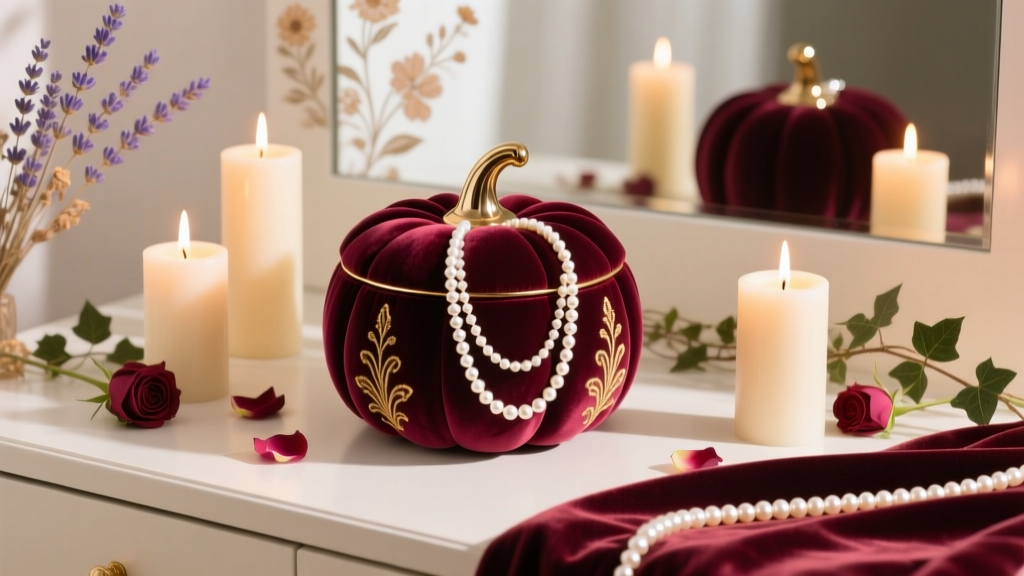
"The key to mastering the heirloom fairycore aesthetic is juxtaposition. Pair a highly ornate, pastel carriage box with raw, unpolished materials like honed travertine, dark walnut wood, or brushed brass vanity mirrors. It grounds the whimsy in architectural reality." — Elara Vance, Vanity & Boudoir Stylist
Consider the spatial footprint. A standard carriage-shaped box measures approximately 7 inches wide by 5 inches deep. This makes it perfect for the top surface of a vanity, but it limits internal storage to smaller items like rings, stud earrings, and choker-length chains. For longer necklaces, you will still need to rely on wall-mounted velvet boards or concealed drawer hooks. Use the Cinderella box as your "daily rotation" display—housing the 10 to 15 pieces you reach for most often, turning a mundane morning routine into a ritualistic experience.
Final Verdict: Investment or Impulse Buy?
The 2026 Cinderella jewelry box trend is far more than a fleeting social media aesthetic; it represents a broader cultural desire for joy, storytelling, and tactile beauty in our private spaces. If you are considering adding one to your collection, bypass the sub-$50 resin models that will degrade and warp within a few years. Instead, allocate a budget of at least $150 to $250 for a piece crafted from enameled brass, cast pewter, or heavy glass with proper anti-tarnish lining. By prioritizing material integrity and hardware quality, your fairycore storage piece will transition from a trendy impulse buy into a genuine modern heirloom, capable of safely housing your most cherished adornments for decades to come.


