How to Clean and Maintain an Aesthetic Jewelry Display Safely
Learn how to clean and maintain your aesthetic jewelry display. Expert tips on dusting, preventing tarnish, and caring for acrylic, velvet, and brass stands.

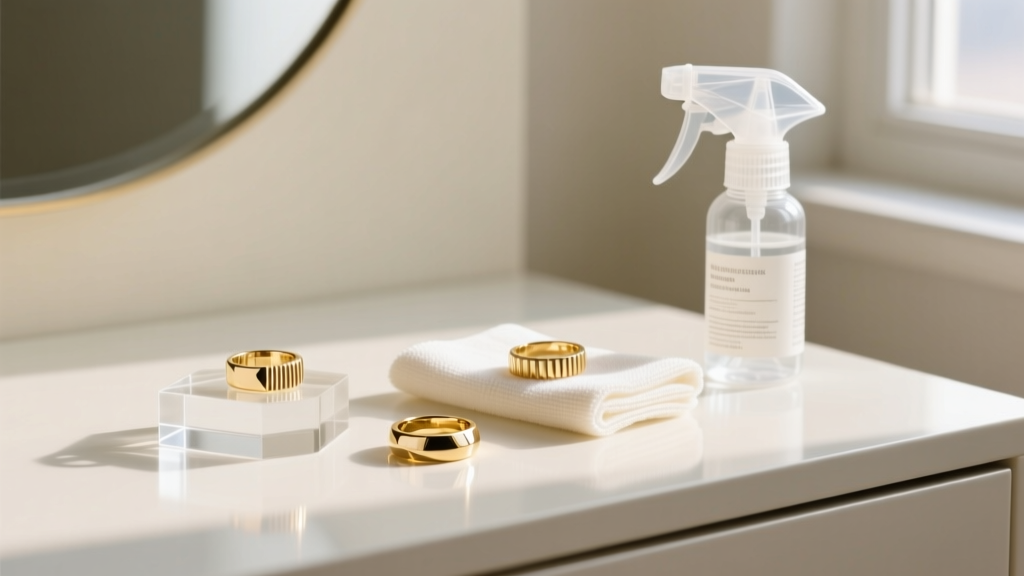
The Paradox of the Open Aesthetic Jewelry Display
In 2026, the open-concept aesthetic jewelry display has become a staple of modern vanity design. From minimalist lucite risers to ornate antique brass trees, showcasing your collection turns everyday accessories into visual art. However, this visibility comes with a hidden cost: constant exposure to dust, UV radiation, airborne sulfur, and fluctuating humidity. Unlike closed storage, open displays accelerate tarnish and material degradation. Maintaining both the jewelry and the display piece itself requires a nuanced understanding of material science. Using the wrong cleaner on an acrylic stand can cause irreversible micro-fractures, while improper dusting of a velvet bust can grind particulate matter into the fabric, eventually transferring to your precious metals.
This comprehensive guide dives deep into the conservation-grade cleaning protocols for popular display materials, environmental controls for tarnish prevention, and a structured maintenance schedule to keep your aesthetic jewelry display looking pristine while protecting the pieces it holds.
Material-Specific Cleaning Protocols for Display Stands
The first rule of display maintenance is recognizing that the stand and the jewelry require entirely different chemical environments. What polishes silver will melt acrylic. Here is how to care for the most common display materials.
Acrylic and Lucite Risers
Acrylic (PMMA) is highly susceptible to a phenomenon known as 'crazing'—a network of fine micro-cracks that cloud the plastic and weaken its structure. This is almost always caused by exposure to ammonia or alcohol-based cleaners. Never use standard glass cleaners like Windex on an acrylic aesthetic jewelry display. Instead, use a dedicated plastic cleaner like Novus No. 1 or a mild solution of Dawn dish soap and distilled water. Apply with a clean, lint-free microfiber cloth using light, circular motions. If your acrylic has developed light surface scratches from sliding metal bracelets across it, Novus No. 2 Fine Scratch Remover can safely polish them out without compromising the optical clarity of the display.
Velvet, Suede, and Linen Busts
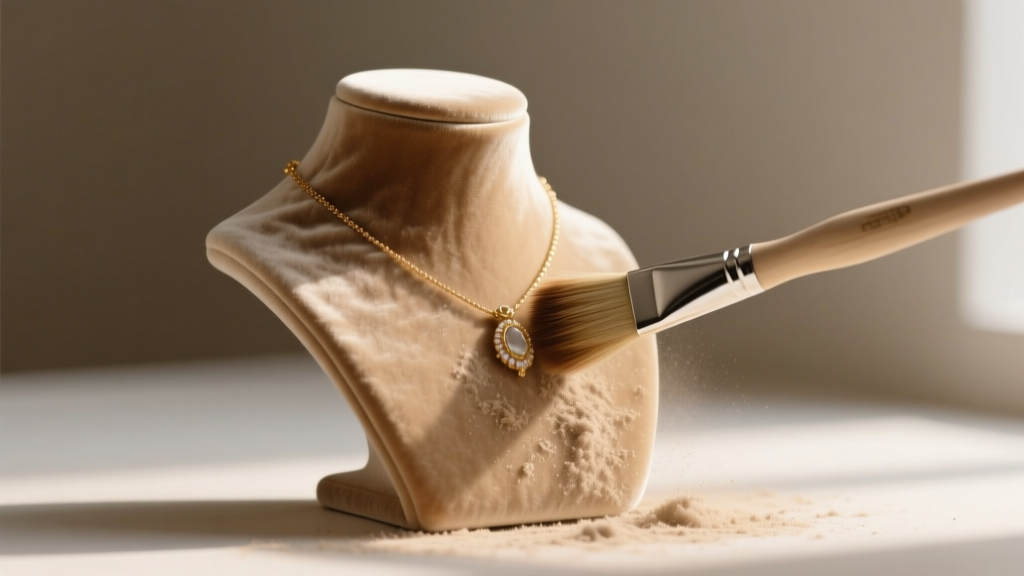
Fabric-covered displays are notorious dust magnets. The worst mistake you can make is using a damp cloth or liquid upholstery cleaner. Water will leave permanent mineral spots on velvet and can degrade the industrial adhesives binding the fabric to the underlying cardboard or foam core, causing bubbling and peeling. To clean a velvet bust, use a soft-bristle horsehair brush or a specialized dry suede eraser. Brush gently in one direction to lift the nap and dislodge trapped skin cells and cosmetic dust. For stubborn makeup stains, a tiny amount of cornstarch applied overnight and brushed away in the morning can lift oils without wetting the fabric.
Unlacquered Brass and Copper Trees
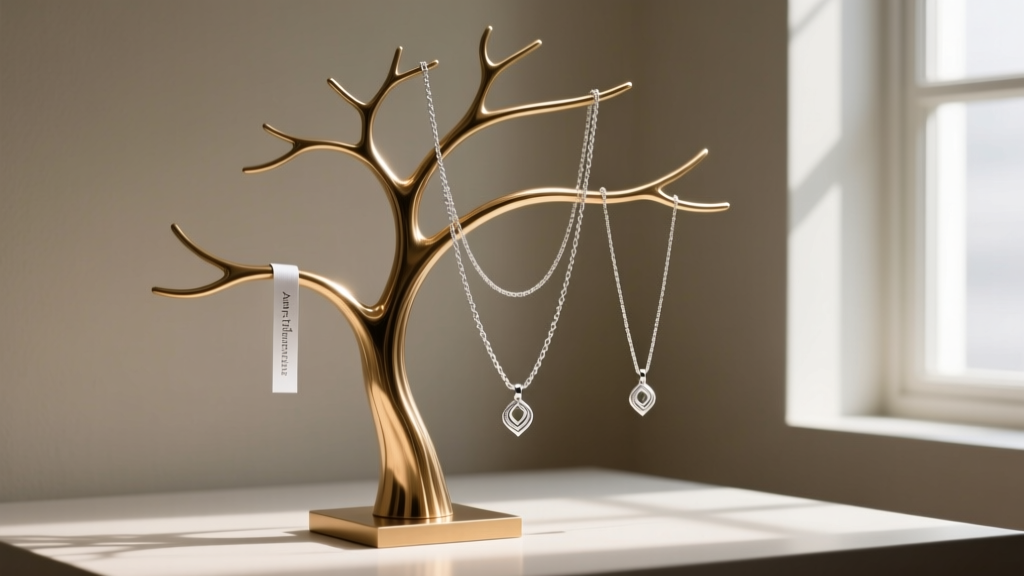
Raw brass and copper displays develop a patina over time. If you prefer a high-shine aesthetic, you must polish the metal carefully to avoid transferring abrasive compounds to your jewelry. Use a gentle polish like Bar Keepers Friend or a specialized brass cream, but never polish the display while jewelry is hanging on it. After polishing, the metal must be sealed to prevent rapid re-oxidation and to stop galvanic reactions (where the brass accelerates the tarnishing of sterling silver resting against it). According to guidelines from the Smithsonian Museum Conservation Institute, applying a thin coat of microcrystalline wax, such as Renaissance Wax, creates a stable, non-yellowing barrier that protects both the display and the jewelry it holds.
The Tarnish Triangle: Protecting Jewelry on Open Displays
Tarnish on silver and copper jewelry is primarily caused by hydrogen sulfide in the air reacting with the metal. However, the materials used to build your aesthetic jewelry display can actually accelerate this process. Understanding the 'Tarnish Triangle'—humidity, airborne pollutants, and display material off-gassing—is critical for open-concept storage.
| Display Material | Tarnish Accelerant Risk | Mitigation Strategy |
|---|---|---|
| Raw MDF / Particleboard | High (Emits acetic acid and formaldehyde) | Seal all exposed wood edges with polyurethane or use archival-grade barrier films. |
| Wool or Felt Liners | High (Contains natural sulfur compounds) | Replace with Pacific Silvercloth or acid-free, sulfur-free cotton flannel. |
| Unsealed Oak Wood | Medium (Emits tannins and organic acids) | Line contact points with archival Mylar or use a microcrystalline wax sealant. |
| Galvanized Steel | Low (Zinc coating can flake over time) | Ensure powder-coating is intact; avoid use in high-humidity bathrooms. |
As noted by the Conservation Wiki, museum conservators use 'Oddy Tests' to determine if display materials will off-gas harmful chemicals. While you cannot run a laboratory test at home, avoiding cheap, unsealed composite woods and sulfur-rich natural felts in your display setup will drastically reduce the tarnishing rate of your exposed silver pieces.
Environmental Controls: UV, Humidity, and Dust
An aesthetic jewelry display is often placed on a vanity near a window or in a bathroom, exposing it to two major enemies: UV radiation and high humidity.
Combating UV Degradation
While metals do not fade, many gemstones and organic materials are highly photosensitive. Prolonged exposure to direct sunlight will cause amethysts and kunzites to fade, while pearls and amber can yellow, dry out, and crack. The Gemological Institute of America (GIA) strongly recommends keeping organic gems and treated stones out of direct sunlight. If your display must sit near a window, apply a UV-blocking window film (which filters out 99% of UVA/UVB rays without altering the room's aesthetic) or rotate UV-sensitive pieces into closed storage after a few days of display.
Integrating Anti-Tarnish Strips
You can maintain an open display while actively fighting tarnish by discreetly integrating 3M Anti-Tarnish Strips. These strips contain a specialized copper-based resin that absorbs and neutralizes hydrogen sulfide gas before it can react with your silver. Tuck a strip behind the base of a necklace bust or underneath an acrylic ring tray. They are virtually invisible, do not emit any odors, and remain effective for up to six months in an open-air environment, buying you significant time between jewelry polishing sessions.
Weekly vs. Monthly Maintenance Schedule
Consistency is the key to preserving both your jewelry and your display furniture. Implement this structured maintenance routine to prevent buildup and minimize the need for harsh chemical interventions.
Weekly Dusting and Inspection
- Displays: Use a clean, dry microfiber duster or a soft horsehair brush to remove surface dust from acrylic, brass, and velvet stands. Do not use feather dusters, as the quills can scratch acrylic and the feathers often shed.
- Jewelry: Worn pieces placed back on the display should be quickly buffed with a polishing cloth to remove skin oils and lotions before they oxidize on the stand.
- Environment: Check the room's hygrometer. If humidity exceeds 55%, consider running a dehumidifier, as moisture acts as a catalyst for tarnish and pearl degradation.
Bi-Annual Deep Cleaning
- Acrylic: Wash with distilled water and a drop of pH-neutral soap, then dry immediately to prevent water spots. Apply an anti-static plastic guard to repel future dust.
- Brass/Copper: Inspect the Renaissance Wax sealant. If water no longer beads on the surface, strip the old wax with mineral spirits, polish the metal, and apply a fresh coat of wax.
- Tarnish Strips: Replace all hidden 3M anti-tarnish strips and recharge or replace silica gel packets if your display incorporates enclosed acrylic domes.
- Rotation: Rotate UV-sensitive gemstones (like amethyst or topaz) out of the display and into dark, climate-controlled storage to prevent irreversible color fading.
Conclusion
Curating a beautiful aesthetic jewelry display is an exercise in balancing visual impact with material preservation. By understanding the specific chemical vulnerabilities of acrylic, velvet, and raw metals, you can clean your displays safely without causing micro-damage. Furthermore, by proactively managing environmental factors like UV exposure and airborne sulfur through strategic placement and anti-tarnish integrations, you ensure that your jewelry remains as brilliant as the day you bought it. A well-maintained display doesn't just show off your collection; it actively protects it.


