How to Clean & Maintain a Premium Watch Jewelry Box
Learn expert techniques to clean, condition, and maintain your leather watch jewelry box. Protect your timepieces from tarnish and material degradation.

The Hidden Threat: How Dirty Storage Damages Timepieces
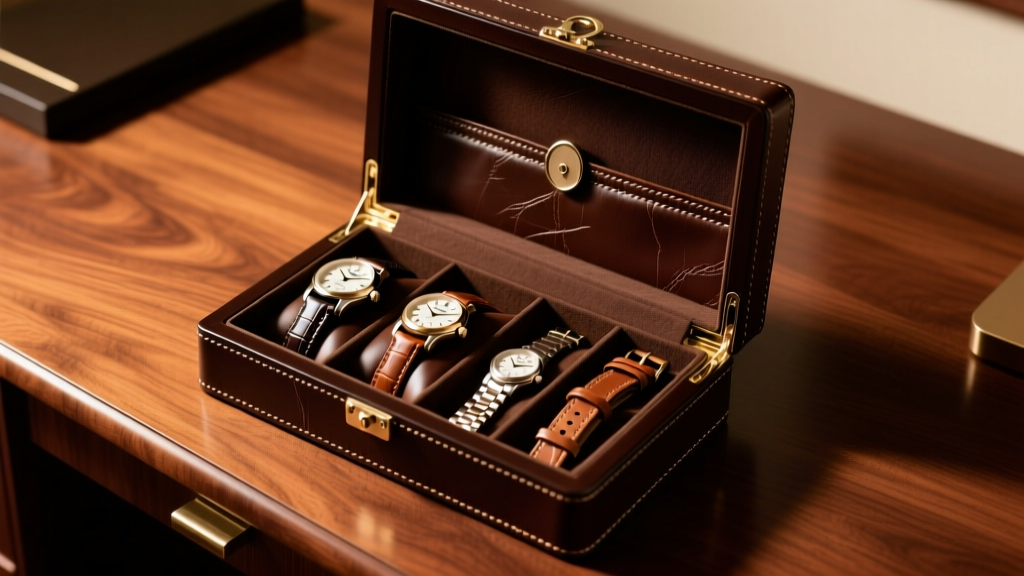
A premium watch jewelry box is more than just a display piece; it is a controlled micro-environment designed to protect your horological investments. However, as of 2026, many collectors overlook the material science required to maintain the storage unit itself. When leather exteriors dry out or interior linings accumulate acidic sebum from watch lugs, the very environment meant to protect your timepieces becomes a catalyst for micro-abrasions, tarnish acceleration, and moisture retention.
According to guidelines referenced by the American Watchmakers-Clockmakers Institute, environmental contaminants are a leading cause of premature case-back degradation and strap rot. Maintaining your storage solution is just as critical as servicing the movement inside your watches.
Exterior Care: Cleaning Full-Grain and Saffiano Leather
The exterior of your watch jewelry box dictates its longevity, but different leather tanning processes require vastly different care regimens. Applying the wrong conditioner can permanently ruin the finish or create a sticky residue that attracts dust.
Vegetable-Tanned and Full-Grain Leather
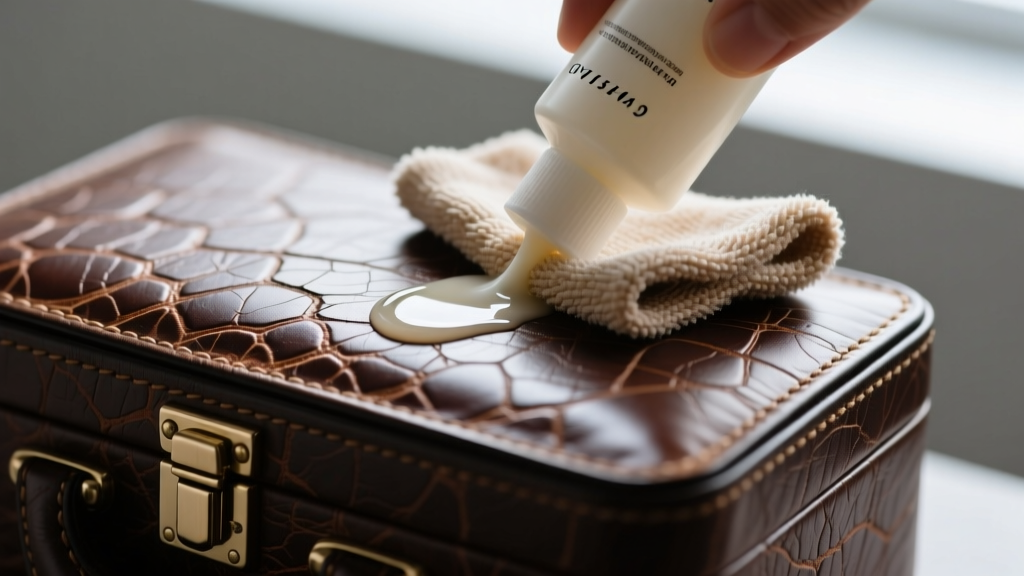
Full-grain, vegetable-tanned leather is highly porous and naturally sits at a slightly acidic pH of 4.5 to 5.0. Over time, exposure to ambient air and UV light strips its natural lipids. To maintain it, use a pH-balanced leather cleaner followed by a high-quality conditioner like Bickmore Bick 4 or Lexol. Apply a dime-sized amount to a lint-free microfiber cloth, working it into the leather in small, circular motions. Allow it to absorb for 20 minutes before buffing off the excess.
Chrome-Tanned and Saffiano Leather
Saffiano leather, recognized by its distinct cross-hatch pattern, is finished with a protective polyurethane or wax coating. Do not use heavy oil-based conditioners on Saffiano leather. The oils cannot penetrate the plasticized coating and will instead sit on the surface, degrading the finish over time. Instead, simply wipe the exterior with a slightly damp microfiber cloth and use a specialized wax-based protectant sparingly.
Interior Maintenance: Reviving Velvet, Suede, and Alcantara
The interior lining of a watch jewelry box acts as the primary shock absorber and anti-scratch barrier. However, every time you place a watch on its pillow, microscopic skin oils, dead skin cells, and environmental dust transfer onto the fabric.
- Standard Polyester Velvet: Use a soft-bristle horsehair brush (the same type used for suede shoes) to gently agitate the pile and lift trapped dust. Never use liquid cleaners on standard velvet, as water leaves permanent dark spots and stiffens the fibers.
- Alcantara and Microfiber Suede: High-end boxes increasingly use Alcantara for its durability. If stained by a leaking watch battery or heavy grime, use a pH-neutral upholstery cleaner and a white eraser to gently lift the blemish. The Leather Working Group notes that synthetic micro-suedes require specialized, non-solvent cleaners to prevent fiber matting.
Hardware and Hinge Lubrication
The hinges and locking mechanisms on a watch jewelry box endure significant mechanical stress. Over time, friction can cause hinges to squeak, sag, or snap. The metallurgy of the hardware dictates your maintenance approach.
| Hardware Material | Common Use | Safe Maintenance | Avoid At All Costs |
|---|---|---|---|
| Solid Brass | Heritage & Bespoke Boxes | Non-abrasive brass polish (e.g., Flitz) | Ammonia-based cleaners |
| Zamak (Zinc Alloy) | Modern Production Boxes | Damp microfiber cloth, PTFE dry lube | Brasso, abrasive pastes |
| Stainless Steel | Locks and Clasps | Isopropyl alcohol, light machine oil | WD-40 (attracts dust) |
For squeaky hinges, avoid standard WD-40. Its solvent base strips existing lubricants and attracts particulate matter, eventually creating a grinding paste. Instead, apply a micro-drop of PTFE (Teflon) dry lubricant or synthetic sewing machine oil directly to the hinge pin using a precision needle applicator.
Environmental Controls: Preventing Tarnish and Mold
The air trapped inside a closed watch jewelry box can become highly corrosive if left unmanaged. Silver, copper, and even certain steel alloys are susceptible to sulfur-induced tarnish, while high humidity invites fungal spores to colonize leather and velvet.
Managing Relative Humidity (RH)
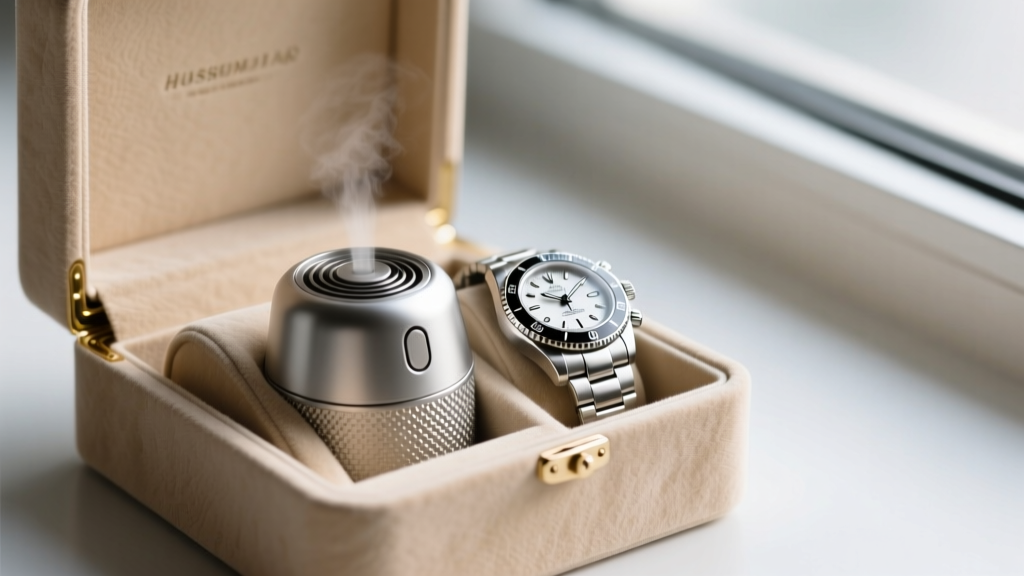
The ideal relative humidity inside a watch storage environment is between 40% and 50%. Levels above 60% risk mold growth on organic linings, while levels below 30% will cause leather exteriors to crack and wooden veneers to delaminate. Place a rechargeable mini electronic dehumidifier (such as those made by Eva-Dry) inside the main compartment. These units use silica gel beads that can be recharged by plugging them into a wall outlet, eliminating the need for messy chemical desiccants.
Anti-Tarnish Technology
For boxes storing silver pocket watches or mixed-metal jewelry alongside timepieces, incorporate 3M Anti-Tarnish Strips. These strips absorb airborne sulfides and hydrogen sulfide before they can react with the metal surfaces. Replace these strips every six months to maintain maximum efficacy.
Dealing with Fungal Spores and Mildew
If you discover a white, powdery substance on the leather exterior or interior lining, you are dealing with mildew. Do not wipe it with a wet cloth, as moisture will drive the spores deeper into the porous materials.
Expert Protocol: Take the box outdoors. Use a soft, dry brush to remove surface spores. Then, lightly mist the affected area with a 50/50 solution of distilled water and white vinegar. The mild acidity of the vinegar kills the fungal roots without damaging the leather's pH balance. Allow the box to dry completely in a shaded, well-ventilated area before applying a leather conditioner.
Bi-Annual Maintenance Schedule
To ensure your watch jewelry box remains a safe haven for your collection, adhere to this strict bi-annual maintenance checklist:
- Empty and Vacuum: Remove all timepieces and use a brush attachment to vacuum the interior seams and hinge crevices.
- Brush the Linings: Agitate velvet and suede pillows with a horsehair brush to lift embedded skin oils and dust.
- Condition the Leather: Apply a pH-balanced conditioner to vegetable-tanned exteriors, avoiding hardware and glass.
- Lubricate Hinges: Apply a micro-drop of PTFE dry lubricant to all moving mechanical parts.
- Replace Environmental Controls: Recharge silica dehumidifiers and swap out anti-tarnish strips.
By treating your watch jewelry box as a precision instrument rather than a simple container, you ensure that your timepieces remain in pristine condition, free from the hidden damages caused by neglected storage environments.


