How to Clean and Maintain a Wooden Jewelry Box With Key
Learn how to clean, maintain, and protect your jewelry box with key. Expert tips on brass lock care, wood polishing, and interior tarnish prevention.

The Dual Responsibility of Secured Storage
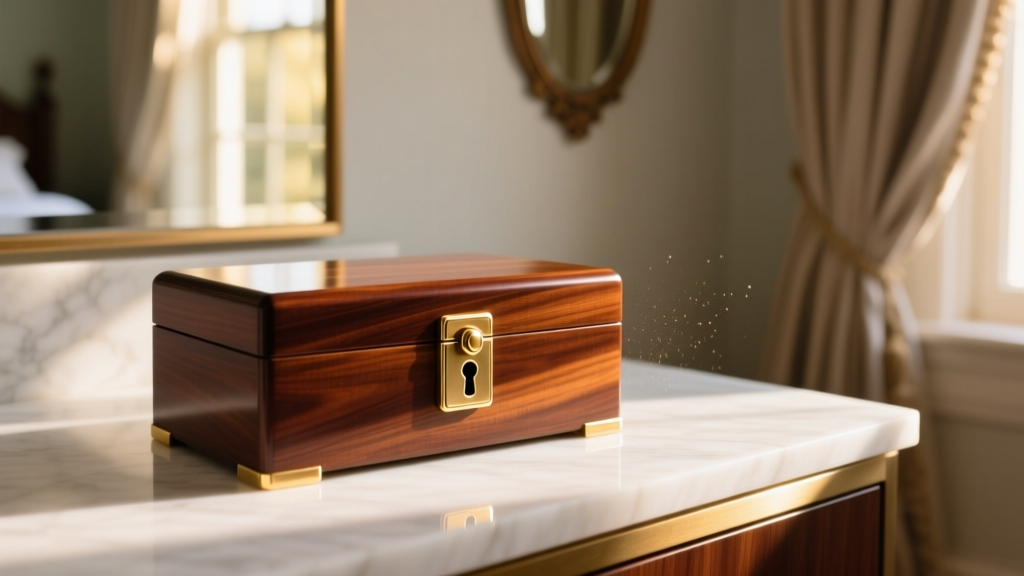
Investing in a high-quality jewelry box with key provides essential security for your most valuable heirlooms, gemstones, and precious metals. However, the addition of a mechanical lock and a sealed environment introduces unique maintenance challenges that standard open organizers do not face. When you secure your collection, you are not just storing jewelry; you are managing a microclimate and maintaining precision hardware.
According to the Gemological Institute of America (GIA), the environment in which jewelry is stored is just as critical as the physical cleaning of the pieces themselves. A locked compartment restricts airflow, which can be highly beneficial for keeping airborne sulfur and pollutants at bay, but it can also trap harmful moisture if not properly managed. Furthermore, the exterior materials—whether fine mahogany, walnut veneer, or full-grain leather—require specific conservation techniques to prevent degradation over time. This comprehensive guide will walk you through the exact protocols for maintaining both the exterior craftsmanship and the interior microclimate of your secured storage.
Exterior Maintenance: Wood, Leather, and Hardware
The exterior of your storage unit is constantly exposed to ambient humidity, UV light, and the natural oils from your hands. Proper care requires a material-specific approach to avoid stripping finishes or damaging patinas.
Polishing Wood and Veneer Finishes
For wooden exteriors, avoid commercial furniture polishes that contain silicone or ammonia. Silicone creates a temporary, high-gloss barrier that eventually traps dust and penetrates microscopic cracks in the finish, making future professional refinishing nearly impossible. Instead, opt for a microcrystalline wax, such as Renaissance Wax, which is widely used by museum conservators.
Apply a thin layer of wax using a lint-free cotton cloth, allow it to haze for about ten minutes, and then buff it to a soft sheen. The Library of Congress Preservation Department recommends waxing fine wood objects only once or twice a year to build a stable, protective barrier against fluctuating humidity without over-saturating the grain. For daily dusting, use a clean, dry microfiber cloth, moving strictly in the direction of the wood grain to prevent micro-scratches.
Caring for the Lock and Key Mechanism
The lock on a jewelry box with key is typically a small wafer or pin-tumbler mechanism made of brass or zinc alloy. The most common mistake owners make is using standard liquid lubricants like WD-40 when the key begins to stick. Liquid lubricants attract dust, lint, and microscopic debris, which eventually dries into a thick sludge that seizes the tiny internal tumblers.

To maintain the lock, use a PTFE (Teflon) dry lubricant or finely powdered graphite. Insert the straw applicator directly into the keyway, spray a microscopic amount, and then insert and remove the key several times to distribute the lubricant evenly across the wafers. Wipe away any excess on the exterior immediately with a cotton swab dipped in isopropyl alcohol to prevent staining the surrounding wood or leather. Perform this maintenance every 12 to 18 months, or whenever you feel increased friction when turning the key.
Interior Care: Managing the Microclimate
The interior of a locked box acts as a sealed vault. While this protects against theft and physical impact, it requires proactive management of humidity and chemical off-gassing to prevent tarnish and material degradation.
Velvet and Suede Lining Rehabilitation
Plush linings made of velvet, suede, or microfiber are excellent for preventing scratches on high-polish metals and faceted gems. However, these textiles are highly porous and readily absorb skin oils, cosmetic residues, and ambient dust. To clean the lining, never use liquid upholstery cleaners, as the moisture can seep into the underlying cardboard or wood substrate, causing warping or mold.
Instead, use a soft-bristled brush (a clean, high-quality makeup blending brush works perfectly) to gently agitate the fibers and lift trapped dust. Follow this by pressing a low-tack lint roller lightly over the surface. For localized stains, lightly dampen a cotton swab with distilled water—never tap water, which contains chlorine and minerals—and gently dab the area. Allow it to air dry completely with the lid open before locking it again.
Humidity and Anti-Tarnish Protocols for Sealed Spaces
Silver, copper, and brass alloys are highly susceptible to tarnishing when exposed to hydrogen sulfide and high humidity. Because a locked box limits air exchange, any moisture trapped inside when the lid is closed will remain there. The ideal relative humidity (RH) for jewelry storage is between 40% and 50%. Anything above 65% accelerates the chemical reaction that causes silver sulfide (tarnish) to form on sterling silver.
To control the microclimate, place a small packet of indicating silica gel inside the main compartment. Indicating silica changes color (usually from orange to green, or blue to pink) when it reaches its moisture absorption capacity, alerting you that it needs to be recharged in a low-temperature oven. Additionally, line the perimeters of the interior with 3M Anti-Tarnish strips. These strips contain copper particles that act as a sacrificial anode, absorbing corrosive gases before they can reach your jewelry. Replace these strips every six months for maximum efficacy.
| Component | Action Required | Recommended Materials | Frequency |
|---|---|---|---|
| Exterior Wood | Dust and apply protective wax barrier | Microfiber cloth, Microcrystalline wax | Every 6-12 months |
| Lock Mechanism | Clear debris and apply dry lubricant | PTFE dry spray or powdered graphite | Every 12-18 months |
| Interior Lining | Agitate fibers and remove dust/oils | Soft-bristle brush, low-tack lint roller | Every 3 months |
| Microclimate | Recharge desiccant and replace strips | Indicating silica gel, 3M anti-tarnish strips | Every 6 months |
Troubleshooting Common Lock and Hinge Issues
Even with meticulous care, mechanical components can experience wear. Squeaky or drooping brass hinges are a common issue in heavier wooden boxes. To resolve this, apply a single micro-drop of synthetic clock oil to the hinge pin. Synthetic oils do not oxidize or become gummy over time like traditional petroleum-based oils. Use a needle or a toothpick to transfer the oil precisely, avoiding any contact with the wood finish.
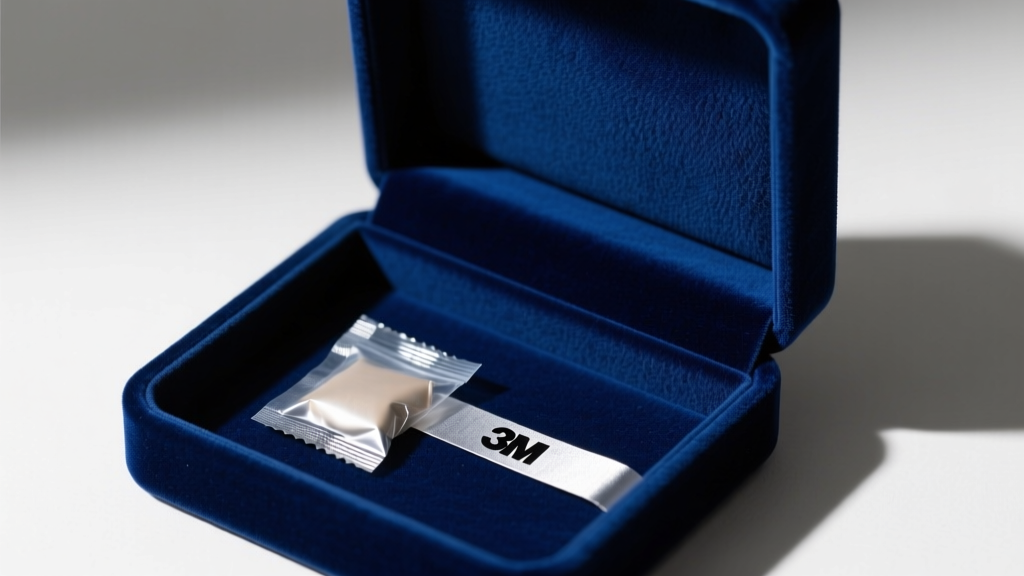
If you experience persistent tarnish on your silver pieces despite using anti-tarnish strips and silica gel, inspect the interior of the box for hidden sulfur sources. Certain cheap rubber bands, specific types of felt, and some industrial wood glues off-gas sulfur compounds. Ensure that no rubber bands are used to bundle jewelry or secure loose items inside the vault, and verify that any aftermarket padding you have added is explicitly labeled as acid-free and sulfur-free.
Conclusion: Preserving Your Investment
A jewelry box with key is more than just a container; it is a functional vault and a piece of fine furniture. By understanding the chemistry of tarnish, the mechanics of small-scale locks, and the conservation principles of wood and textiles, you can ensure that both the storage unit and the precious items inside remain in pristine condition for generations. Regular, mindful maintenance using the correct archival-grade materials will protect your investment and keep your collection secure, organized, and brilliantly preserved.


