The Jewelry Box Cake: A Beginner's Tiered Storage Guide
Discover the jewelry box cake trend. Learn how tiered, cake-stand organizers maximize vanity space, prevent tarnish, and sort your collection.

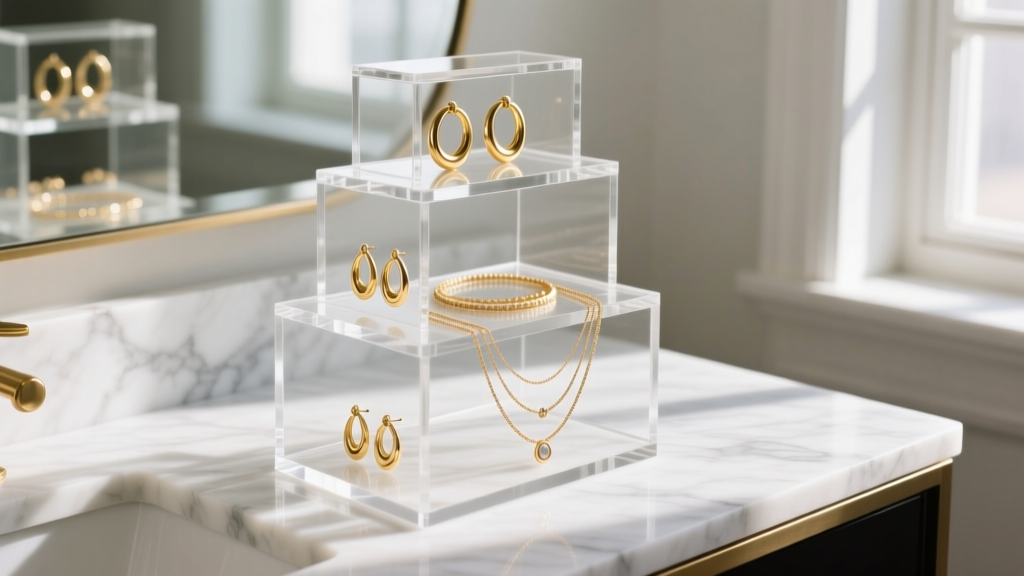
If you have spent any time on social media or browsing home organization forums recently, you have likely encountered the term "jewelry box cake." While it sounds like a novelty dessert, it actually refers to one of the most innovative and space-saving trends in modern vanity organization: the tiered, cake-stand-inspired jewelry storage system. For beginners looking to upgrade from a cluttered drawer or a flat, single-tier valet tray, understanding how to leverage vertical space is a game-changer. This guide will break down everything you need to know about the jewelry box cake design, from material grades to tier mapping and tarnish prevention, ensuring your collection remains pristine, untangled, and beautifully displayed.
What Exactly Is a "Jewelry Box Cake"?
The jewelry box cake is a vertical storage solution that mimics the structure of a traditional tiered cake stand but is engineered specifically for the weight, dimensions, and fragility of fine and fashion jewelry. Unlike flat jewelry boxes that require you to dig through overlapping chains and tangled pendants, a jewelry box cake utilizes a central pillar and multiple elevated plates. This architectural approach allows for 360-degree visibility and accessibility. By stacking your storage vertically, you reclaim valuable horizontal vanity real estate, making it an ideal solution for apartment dwellers or those with compact dressing areas. The open-air design also encourages you to wear the pieces you own, rather than letting them languish unseen in a dark, velvet-lined drawer.
The Anatomy of a Tiered Cake Organizer
To understand how to shop for a high-quality jewelry box cake, you must first understand its structural components. The foundation of any good tiered organizer is the base. A high-quality base should feature a weighted bottom—often filled with fine sand or constructed from dense, high-grade MDF—to prevent tipping when the top tiers are loaded with heavy metal pieces like solid gold cuffs or gemstone-encrusted bangles.
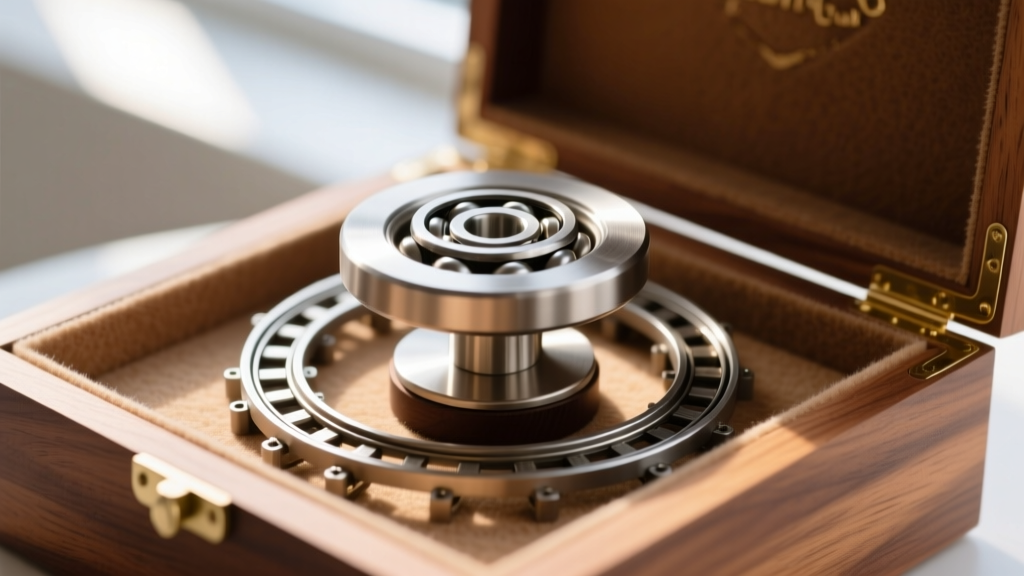
Above the base lies the rotational mechanism. The best models utilize a stainless steel ball-bearing track. This allows for smooth, silent 360-degree rotation without the jerking or stuttering common in cheap plastic swivels. Jerky rotation is a primary culprit for causing delicate chains to tangle or slip off their designated hooks. Finally, we must consider the "tier drop," which is the vertical distance between each plate. Standard models offer a 3.5-inch to 4-inch drop, which is sufficient for most drop earrings and standard bracelets. However, if you own long opera-length necklaces (28 to 36 inches) or dramatic statement pendants, you need a cake organizer with a minimum 5-inch tier clearance to prevent the chains from pooling and tangling on the tier below.
Material Breakdown: Acrylic vs. Wood vs. Glass
The material of your jewelry box cake dictates not only its aesthetic but also its longevity and its chemical interaction with your metals. Here is a deep dive into the three most common materials used in tiered organizers:
Acrylic (PMMA)
Acrylic is lightweight, shatter-resistant, and offers high visibility, allowing you to see your entire collection at a glance. However, standard extruded acrylic is prone to micro-scratches and can yellow if exposed to direct UV sunlight over time. When shopping, always look for UV-stabilized cast acrylic, which is poured into molds and offers superior optical clarity and scratch resistance compared to its extruded counterpart.
Wood (Solid Hardwood vs. MDF)
Wood offers a classic, warm aesthetic and natural weight. Solid hardwoods like walnut or oak are superior choices. Conversely, cheap MDF (Medium-Density Fiberboard) can off-gas volatile organic compounds (VOCs) and formaldehyde over time. These gases can accelerate the tarnishing of porous gems like pearls, turquoise, or opals. If you choose wood, ensure it is solid or sealed with a zero-VOC, water-based polyurethane.
Borosilicate Glass
Borosilicate glass is highly scratch-resistant and chemically inert, meaning it will never off-gas or react with your metals. It is heavier and more fragile than acrylic but offers a premium, heirloom-quality display that elevates any vanity space.
| Material | Durability | Tarnish / Off-Gas Risk | Avg. Price Range |
|---|---|---|---|
| Cast Acrylic | Moderate (Scratches) | Very Low | $45 - $85 |
| Solid Walnut | High | Low (if properly sealed) | $90 - $150 |
| MDF Wood | Low-Moderate | Moderate (VOC off-gassing) | $25 - $50 |
| Borosilicate Glass | High (Shatter risk) | None (Chemically inert) | $110 - $200 |
How to Map Your Collection to the Tiers
A common beginner mistake is placing items randomly across the tiers. To maximize stability and accessibility, you must map your collection based on weight and dimension.
The Top Tier: Micro-Dividers and Studs
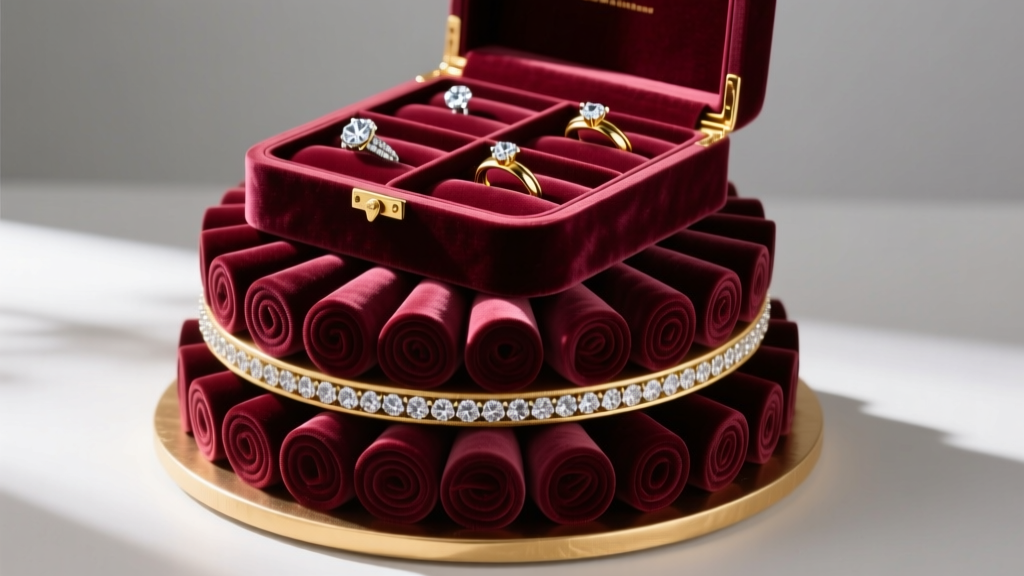
The top tier has the smallest circumference and the highest center of gravity. It should be reserved for your smallest, lightest items: rings, stud earrings, and delicate micro-chains. Utilize velvet-lined inserts with micro-dividers to keep diamond studs and thin gold bands from rolling into one another and scratching.
The Middle Tier: Drops and Bangles
The middle tier is the workhorse of the jewelry box cake. This is where you should hang medium-weight items like drop earrings, hinged bangles, and standard 18-inch princess-length necklaces. Utilize the edge hooks and tier railings to keep chains suspended and tangle-free.
The Bottom Tier: Statements and Operas
The bottom tier offers the widest circumference and the lowest center of gravity, making it the safest place for heavy items. Store your chunky gold cuffs, heavy gemstone statement necklaces, and long opera-length chains here. The wider swing radius accommodates the physical footprint of these larger pieces without them knocking into the central pillar.
Common Beginner Mistakes to Avoid
Even with the best equipment, poor habits can compromise your jewelry. Avoid these three critical errors when using a tiered cake organizer:
- Top-Heavy Loading: Placing heavy gold cuffs or thick chain links on the top tier raises the center of gravity, making the entire jewelry box cake prone to tipping during rotation. Always keep the heavy pieces on the bottom.
- Using Ammonia Cleaners on Acrylic: Never use standard glass cleaners (like Windex) on an acrylic organizer. The ammonia causes "crazing," a permanent network of fine cracks that clouds the plastic. Use only a clean microfiber cloth and a dedicated plastic polish like Novus.
- Ignoring the Lining: A bare wooden or acrylic surface can scratch soft metals like 24k gold or high-polish sterling silver. Always ensure the tiers are lined with anti-tarnish flannel, microfiber, or silicone jewelry mats.
Maintenance and Tarnish Prevention
Because a jewelry box cake is an open-air display system, your pieces are constantly exposed to ambient humidity and airborne pollutants. Tarnish is an inevitable chemical reality, especially for sterling silver and copper alloys. According to the Gemological Institute of America (GIA), silver tarnishes due to a chemical reaction with sulfur compounds and moisture in the air. To combat this in an open-tiered system, place small, discreet 3M Anti-Tarnish strips under the felt lining of each tier. These specialized strips absorb sulfur gases and protect your pieces for up to six months before needing replacement.
Furthermore, environmental placement is key. For fine jewelry maintenance, industry leaders like Tiffany & Co. recommend storing pieces away from high humidity and direct sunlight. While a jewelry box cake is designed for beautiful display, ensure your vanity is not positioned directly in front of a sun-baked window or in a steam-heavy bathroom environment, as UV rays can fade certain gemstones (like amethyst and kunzite) and humidity accelerates metal oxidation.
Final Thoughts on Tiered Storage
The jewelry box cake is far more than a fleeting viral aesthetic; it is a highly functional, ergonomic solution for modern collectors. By understanding the material science behind acrylic and glass, respecting the physics of tier weight distribution, and implementing proactive anti-tarnish strategies, you can transform your daily dressing routine. A well-organized tiered stand not only protects your investments from scratches and tangles but also ensures that every piece you own gets the spotlight it deserves.


