How to Store Fine Jewelry: Expert Cleaning & Care Guide
Learn how to store fine jewelry safely with our expert guide. Discover cleaning routines, anti-tarnish tips, and material-specific care for lasting brilliance.

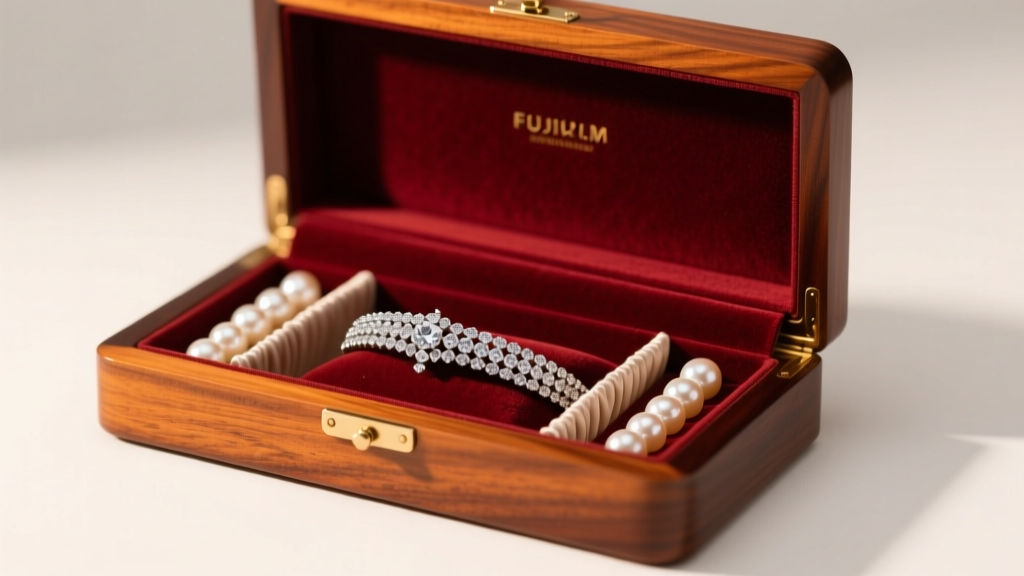
Fine jewelry represents a significant emotional and financial investment, yet improper storage silently degrades these assets every day. Understanding how to store fine jewelry goes far beyond simply preventing tangled chains; it requires a foundational knowledge of material science, environmental controls, and chemical interactions. When museum curators and master jewelers archive high-value pieces, they rely on strict protocols to mitigate micro-abrasions, halt oxidation, and preserve structural integrity. This guide translates those professional conservation techniques into actionable, everyday routines for your personal collection.
The Hidden Dangers of Original Retail Packaging
One of the most common mistakes collectors make is storing pieces in their original retail boxes. While these leatherette or cardboard boxes look luxurious, they are often manufactured using acidic glues, polyvinyl chloride (PVC) plastics, and sulfur-rich dyes. Over time, PVC off-gasses hydrogen chloride, which reacts with the copper alloys in 14k gold and sterling silver to create a stubborn, crusty green or black corrosion. For long-term preservation, always remove fine jewelry from retail packaging and transfer it to archival-safe, acid-free environments.
The Science of Tarnish and Micro-Abrasions
Tarnish is an electrochemical reaction. When sulfur compounds naturally present in the air interact with the copper or zinc alloys in gold and silver, they form silver sulfide or copper sulfate. This is why sterling silver (92.5% silver, 7.5% copper) is highly susceptible to blackening, while 24k gold and platinum remain virtually immune. Furthermore, storing pieces together invites micro-abrasions governed by the Mohs Hardness Scale. A diamond (Mohs 10) will effortlessly scratch the culet of a sapphire (Mohs 9) and completely abrade the nacre of an Akoya pearl (Mohs 2.5).
Material-Specific Storage Protocols
To master how to store fine jewelry, you must categorize your collection by material vulnerability. The Gemological Institute of America (GIA) emphasizes that different gemstones require vastly different environmental conditions to prevent structural failure.
| Material / Gemstone | Mohs Hardness | Ideal Storage Environment | Primary Threat to Avoid |
|---|---|---|---|
| Diamond (Brilliant Cut) | 10 | Individual soft fabric pouches | Scratching adjacent gems or metals |
| Emerald (Cedar-Oiled) | 7.5 - 8 | Climate-controlled, padded slots | Heat, ultrasonic cavitation, dry air |
| Akoya / South Sea Pearl | 2.5 - 4.5 | Breathable cotton, laid flat | Dehydration, acidic sweat, silk rot |
| Sterling Silver (925) | 2.5 - 3 | Airtight bags + Anti-tarnish strips | Sulfur-induced tarnish, humidity |
| Platinum (950) | 4 - 4.5 | Soft-lined individual compartments | Patina scratching, heavy impacts |
Organic Gems: Pearls, Coral, and Amber
Organic gems contain trace amounts of water. If stored in airtight plastic bags or safety deposit boxes with desiccants, they will dehydrate, leading to crazing (micro-cracking) and a loss of luster. Store pearls in a soft, breathable cotton pouch or a linen-lined box. Never store them in direct contact with other jewelry, and always lay pearl necklaces flat to prevent the silk threading from stretching and degrading under the weight of the beads.
High-Karat Gold and Platinum
While 18k and 22k gold do not tarnish easily, they are relatively soft metals prone to surface marring. Platinum, though dense and durable, develops a natural patina over time when subjected to micro-scratches. Store these metals individually in untreated flannel or microfiber pouches to maintain their factory polish.
The Pre-Storage Cleaning Ritual
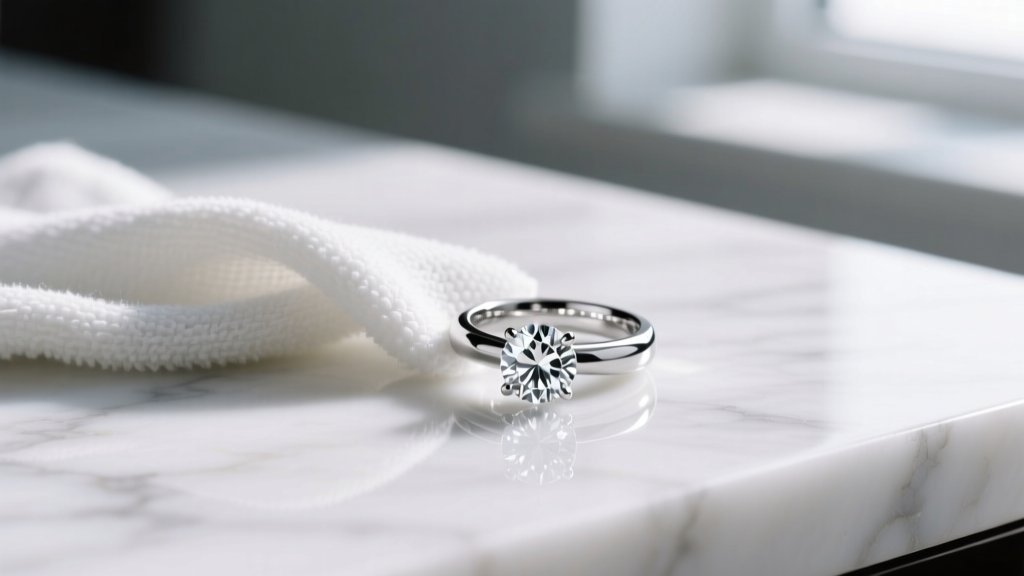
Never store fine jewelry without first removing the invisible layer of sebum, cosmetics, and environmental pollutants that accumulate during wear. According to Jewelers of America, trapped body oils can slowly degrade the alloys in precious metals and cloud the pavilion (underside) of faceted gemstones, blocking light return.
- The Safe Wash: Mix a few drops of phosphate-free, mild dish soap (like Dawn) in lukewarm distilled water. Avoid tap water, as chlorine and hard water minerals can leave deposits.
- The Agitation: Soak the piece for 10-15 minutes. Use an extra-soft baby toothbrush to gently sweep under the setting and along the prongs where grease accumulates.
- The Rinse & Dry: Rinse thoroughly in clean distilled water. Dry completely with a lint-free microfiber cloth. Crucial: Ensure the piece is 100% dry before sealing it in a bag, as trapped moisture accelerates tarnishing and rots organic stringing materials.
Expert Warning: Never use ultrasonic cleaners or steamers on emeralds, opals, pearls, or fracture-filled diamonds before storage. The high-frequency cavitation can shatter included stones or strip the cedar oils that stabilize emeralds, leaving them looking cloudy and fractured.
Environmental Controls: Humidity and Light
The macro-environment of your storage room is just as critical as the micro-environment of the jewelry box. The ideal relative humidity (RH) for a jewelry archive is between 40% and 50%. If the RH drops below 30%, organic gems and opals risk catastrophic moisture loss. If it rises above 60%, silver tarnishes at an exponentially faster rate, and the steel springs inside mechanical clasps may oxidize and fail. Keep your storage away from direct UV sunlight, which can fade heat-treated amethysts, kunzites, and dyed jades over time.
Advanced Anti-Tarnish Solutions
For silver and lower-karat gold alloys, passive storage is not enough. You must actively neutralize atmospheric sulfur.
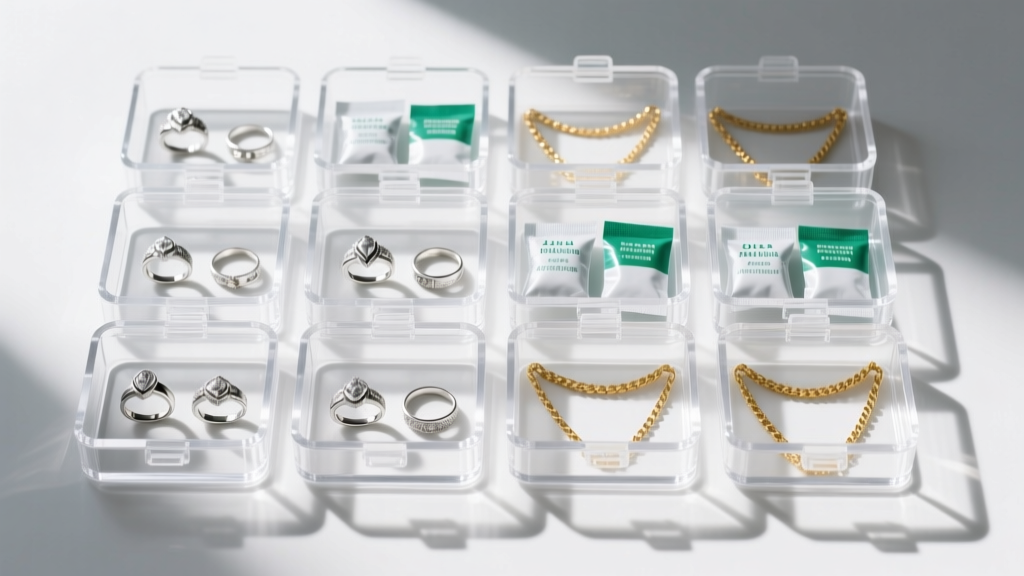
- 3M Anti-Tarnish Strips: These small, unobtrusive paper strips contain copper particles that act as a sacrificial anode, absorbing sulfur and halogen gases before they reach your silver. They last approximately 6 to 12 months in an enclosed space.
- Pacific Silvercloth: This specialized storage fabric is embedded with microscopic silver particles. The cloth tarnishes instead of your jewelry. Unlike chemically treated polishing cloths, Pacific Silvercloth never needs to be washed or replaced, making it the gold standard for wrapping silver flatware and heirloom necklaces.
- Silica Gel Indicating Beads: For airtight acrylic storage drawers, use color-changing silica gel to monitor moisture levels. When the beads turn pink, they have absorbed maximum moisture and can be reactivated in an oven, ensuring your storage environment remains perfectly arid for metal preservation.
Mastering how to store fine jewelry is an ongoing discipline. By combining meticulous pre-storage cleaning with material-specific, climate-controlled environments, you ensure that your collection retains its brilliance, structural integrity, and heirloom value for generations to come.


