Jewelry Box Stand Buying Guide: Features & Materials
Discover what to look for in a jewelry box stand. Our buying guide covers materials, anti-tarnish tech, and footprint sizing for your collection.

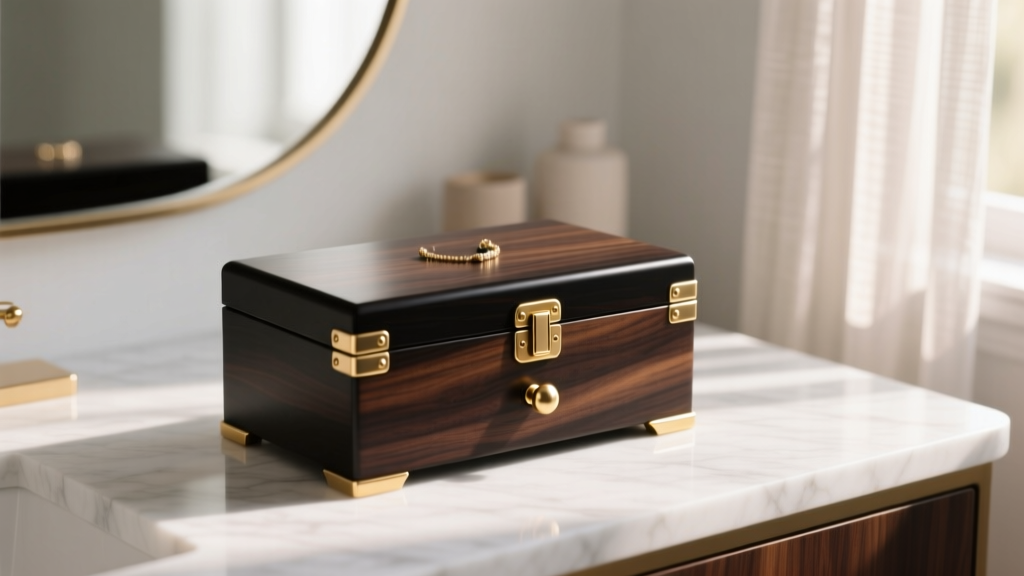
The Evolution of the Freestanding Jewelry Box Stand
As we navigate the organizational trends of 2026, the concept of jewelry storage has shifted dramatically from hidden drawers to celebrated, freestanding displays. A high-quality jewelry box stand is no longer just a receptacle; it is a functional valet, a protective microclimate, and a statement piece for your dressing area. Whether you are housing a modest collection of everyday gold hoops or an expansive array of inherited estate pieces, selecting the right stand requires a deep understanding of material science, interior linings, and structural joinery. This comprehensive buying guide will walk you through the exact specifications you need to evaluate before making an investment.
Material Science: What Your Stand is Actually Made Of
The exterior shell of your jewelry box stand dictates its longevity, weight capacity, and even the chemical safety of your gemstones. While aesthetics are important, the structural integrity of the materials is paramount.
Solid Hardwoods vs. Engineered Composites
Premium jewelry box stands are typically crafted from solid hardwoods like Black Walnut, Maple, or White Oak. Black Walnut, for instance, boasts a Janka hardness rating of 1010 lbf, making it highly resistant to the dents and scratches that accumulate on a busy vanity. Conversely, entry-level stands often utilize Medium-Density Fiberboard (MDF) or particleboard. While MDF can be finished to look like wood, it is highly susceptible to moisture swelling. More importantly, cheap engineered woods can off-gas trace amounts of formaldehyde and other volatile organic compounds (VOCs). According to the Gemological Institute of America (GIA), prolonged exposure to harsh chemicals and off-gassing can permanently dull the luster of porous, organic gemstones like pearls, coral, and opals. If your collection includes these delicate stones, solid hardwood or inert materials are non-negotiable.
Acrylic and Glass Displays
For those who prefer a modern, minimalist aesthetic, cast acrylic and tempered glass stands are incredibly popular. Cast acrylic offers superior UV resistance compared to extruded acrylic, preventing the yellowing that can occur over years of direct sunlight exposure. However, acrylic is prone to micro-scratches. When buying an acrylic jewelry box stand, look for models that feature a hard-coat anti-scratch finish or include dedicated microfiber cleaning cloths to maintain optical clarity.
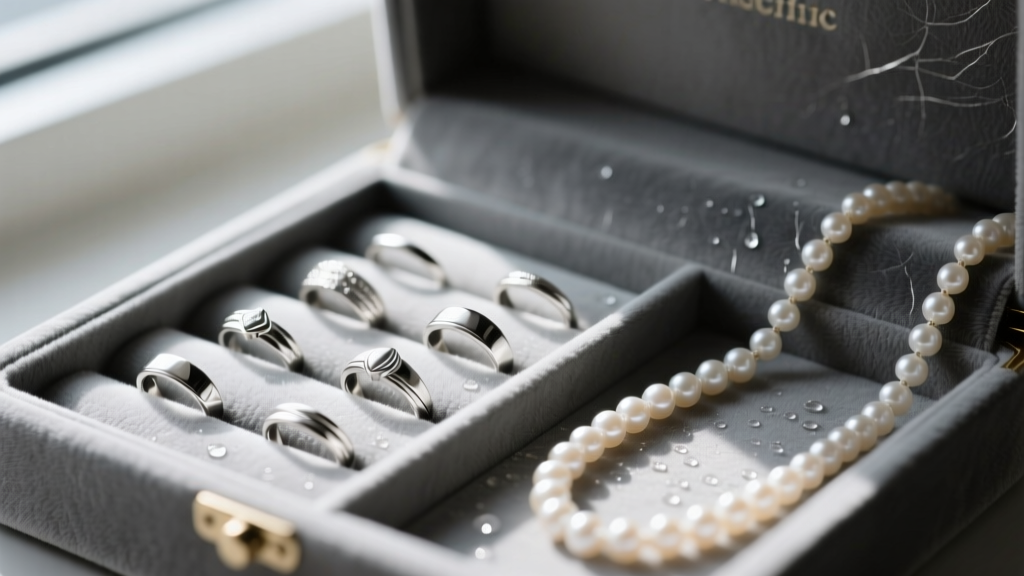
Interior Linings and Anti-Tarnish Technology
The interior of the stand is where the actual preservation of your metals occurs. The lining material must be soft enough to prevent micro-abrasions on high-polish gold and platinum, while actively managing the ambient humidity and sulfur compounds that cause silver to tarnish.
- Standard Velvet: Often used in mid-tier stands. Ensure it is cotton-backed rather than synthetic, as synthetic velvet can trap moisture against the metal, accelerating oxidation.
- Microfiber Suede: A superior, modern alternative to velvet. It is lint-free, highly durable, and does not snag on delicate prong settings or pavé diamonds.
- Pacific Silvercloth: The gold standard for silver storage. This specialized fabric is embedded with microscopic silver particles that act as a sacrificial anode, absorbing and neutralizing hydrogen sulfide (H2S) gas before it can reach your sterling silver pieces.
- Activated Charcoal Inserts: High-end 2026 models often feature hidden compartments for replaceable activated charcoal or silica gel packets to maintain a strict 40-50% relative humidity level inside the stand.
Footprint, Weight Capacity, and Modular Scaling
A jewelry box stand must fit your physical space while supporting the surprisingly heavy weight of a large metal and gemstone collection. A single solid gold bracelet can weigh over 50 grams; multiply that by dozens of pieces, and the structural load on the stand's shelves and drawers becomes significant. Below is a comparison of standard stand tiers to help you match the footprint to your needs.
| Stand Tier | Typical Materials | Footprint (W x D) | Weight Capacity | Best For |
|---|---|---|---|---|
| Entry-Level | MDF, Faux Leather, Synthetic Velvet | 10" x 7" | Up to 5 lbs | Minimalist, everyday fashion jewelry |
| Mid-Tier | Bamboo, Cast Acrylic, Microfiber Lining | 14" x 10" | Up to 15 lbs | Growing collections, mixed metals |
| Premium | Solid Walnut/Oak, Brass Hardware, Silvercloth | 18" x 14" | 30+ lbs | Heavy estate pieces, fine jewelry, horology |
When measuring your vanity, remember to account for the "swing radius" of the doors and the full extension of the drawers. As highlighted by organization experts at Architectural Digest, failing to measure the operational clearance is the most common mistake buyers make when integrating freestanding storage into tight dressing areas.

Hardware, Joinery, and Security Features
The hardware on a jewelry box stand is the unsung hero of its longevity. Drawers that are frequently opened and closed will quickly destroy cheap, stapled joints. Look for stands that utilize traditional woodworking techniques, such as dovetail or mortise-and-tenon joinery for the drawer boxes. These mechanical locks ensure the drawers will not separate over time, even when bearing the heavy weight of steel and gold watch bands.
For hinged doors and lift-top lids, insist on solid brass piano hinges or soft-close gas struts. Piano hinges distribute the stress of the lid's weight evenly across the entire back panel, preventing the wood from splitting. Furthermore, if your stand houses high-value items, a integrated keyed lock or a discrete biometric fingerprint scanner—increasingly common in premium 2026 models—provides essential peace of mind without compromising the exterior aesthetic.
Expert Maintenance Tip: Never use standard glass cleaners or ammonia-based polishes on the exterior or interior of your jewelry box stand. Ammonia fumes can severely damage the porous surface of pearls and degrade the anti-tarnish properties of specialized interior linings. Stick to a dry, lint-free microfiber cloth and, for hardwood exteriors, a high-quality paste wax applied once a year.
Final Verdict: Choosing the Right Stand for Your Collection
Investing in the right jewelry box stand is ultimately an exercise in protecting your financial and sentimental assets. If your collection is primarily composed of stainless steel, titanium, and fashion pieces, a well-designed acrylic or bamboo stand will serve you beautifully. However, if you are the custodian of fine gold, sterling silver, and organic gemstones, bypass the engineered woods and synthetic linings. Opt for a solid hardwood stand featuring Pacific Silvercloth, dovetail joinery, and solid brass hardware. By prioritizing material safety and structural integrity over fleeting design trends, your jewelry box stand will remain a functional, protective sanctuary for your collection for decades to come.


