Choosing a Heart Jewelry Box: Wood vs Acrylic vs Metal
Discover how wood, acrylic, and metal heart jewelry box materials impact tarnish and humidity. Expert comparison for preserving fine jewelry.

The Hidden Chemistry of Jewelry Storage
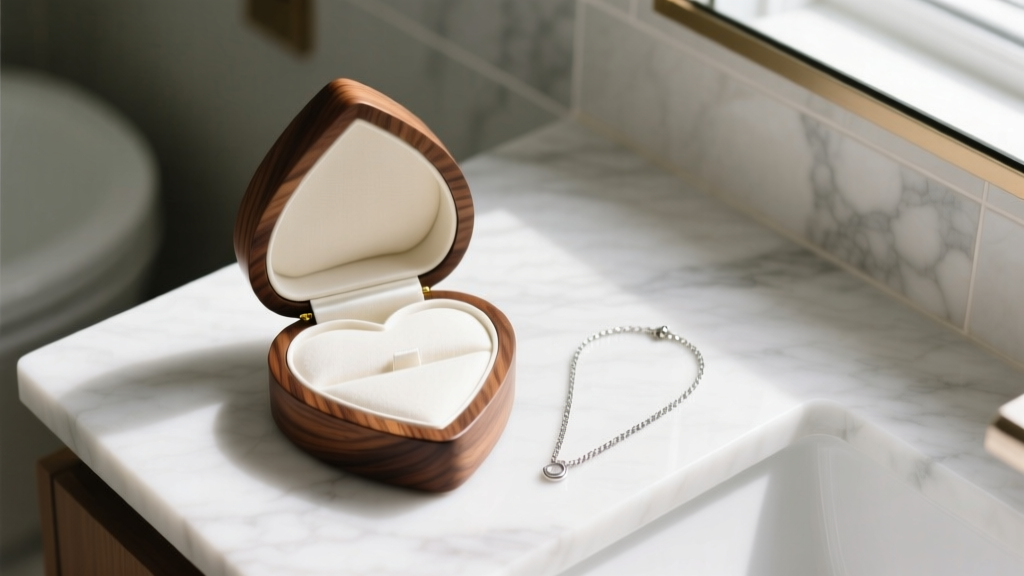
When collectors and enthusiasts search for the perfect heart jewelry box, the focus is overwhelmingly aesthetic. The romantic silhouette, the velvet exterior, and the intricate hardware often dictate the purchase. However, from a material science perspective, the structural composition of the box dictates the chemical environment your jewelry will inhabit for decades. The wrong material can accelerate silver sulfide tarnishing, degrade delicate pearl nacre, or induce galvanic corrosion in mixed-metal pieces.
According to the Gemological Institute of America (GIA), improper storage environments are a leading cause of preventable gemstone and metal degradation. To truly protect your collection, we must evaluate heart-shaped storage vessels not just as decorative objects, but as micro-climates. This guide breaks down the three dominant materials—solid wood, cast acrylic, and powder-coated metal—analyzing their off-gassing profiles, humidity buffering capabilities, and long-term preservation viability.
Solid Wood vs. Engineered Wood: The Off-Gassing Factor
Wood is the traditional standard for luxury jewelry boxes, but not all timber is created equal. The cellular structure of wood inherently absorbs and releases moisture, acting as a natural humidity buffer. However, the chemical byproducts of certain woods and manufacturing processes pose severe risks to precious metals.
The Formaldehyde and Acetic Acid Threat
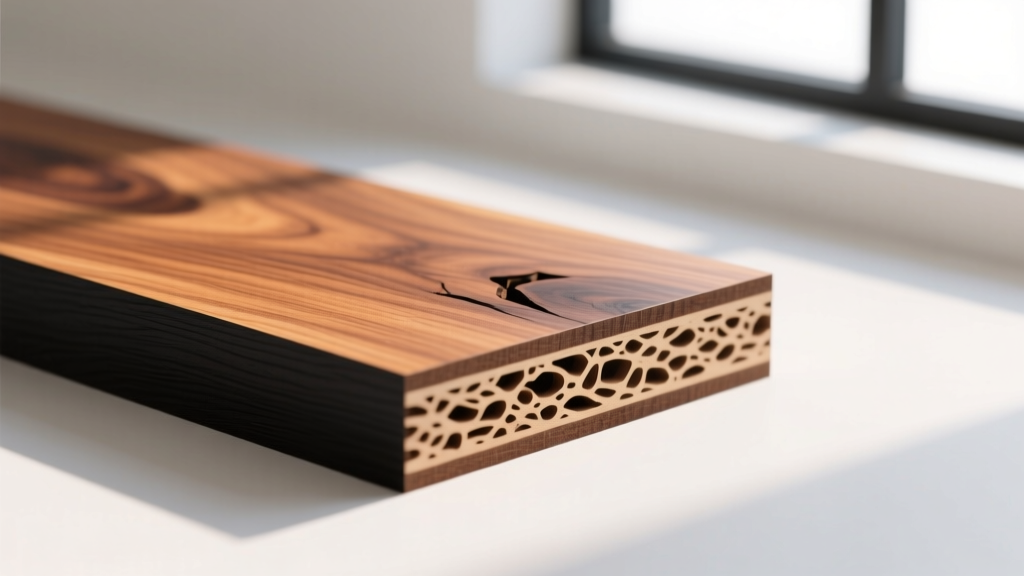
Engineered woods, particularly Medium-Density Fiberboard (MDF) and particleboard, are heavily utilized in mass-market heart jewelry boxes due to their low cost and ease of molding into complex curves. These materials are bound together using urea-formaldehyde resins. Over time, especially in fluctuating temperatures, MDF off-gasses formaldehyde and trace sulfur compounds. When these gases interact with the copper alloyed in sterling silver (which is 92.5% silver and 7.5% copper), they rapidly accelerate the formation of copper sulfide, resulting in stubborn black tarnish.
Conversely, solid hardwoods like black walnut (Juglans nigra) and cherry are vastly superior, provided they are properly kiln-dried and sealed. Unsealed oak, however, is notorious for emitting acetic acid vapors, which can cause severe corrosion on lead-containing solders and degrade the luster of natural pearls. The Canadian Conservation Institute explicitly warns against storing metal artifacts in unsealed oak enclosures due to this acidic off-gassing.
- Best Woods: Kiln-dried black walnut, mahogany, and maple (sealed with water-based polyurethane).
- Woods to Avoid: Unsealed oak, cedar (emits aromatic oils that can degrade soft gemstones), and all MDF/plywood composites.
Acrylic and Lucite: The Modern Display Dilemma
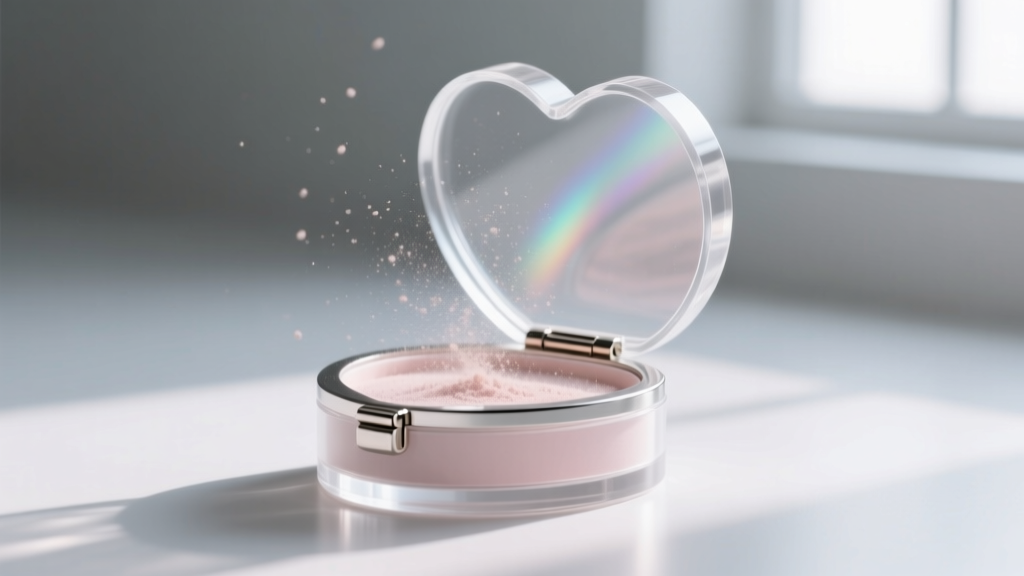
Transparent heart jewelry boxes made from Polymethyl methacrylate (PMMA), commonly known as acrylic or Lucite, have surged in popularity for their modern aesthetic and ability to showcase contents without opening the lid. Chemically, cast acrylic is highly stable and does not off-gas volatile organic compounds (VOCs) that harm metals. However, it introduces two distinct physical hazards: ultraviolet (UV) transmission and triboelectric charging.
UV Degradation and Static Cling
Standard acrylic transmits up to 92% of visible light and a significant portion of UV radiation. Prolonged exposure to ambient UV light will irreversibly fade vulnerable gemstones such as kunzite, amethyst, and certain treated topazes. If you opt for an acrylic heart box, ensure the manufacturer specifies a UV-inhibiting coating or additives that block wavelengths below 400nm.
Furthermore, acrylic sits high on the triboelectric series, meaning it easily accumulates a static electrical charge when wiped or dusted. This static charge acts as a magnet for microscopic silica dust and airborne particulate matter. Over time, this dust is pulled directly into the microscopic crevices of prong settings and pavé bands, dulling the brilliance of diamonds and requiring professional ultrasonic cleaning to remove.
Metal Enclosures: Aluminum, Enamel, and Condensation
High-end contemporary heart jewelry boxes frequently utilize aerospace-grade aluminum alloys, such as 6061-T6, finished with baked enamel or powder coating. Metal enclosures offer absolute impermeability to external gases, completely eliminating the off-gassing risks associated with wood and composite adhesives.
Thermal Mass and the Condensation Risk
The primary vulnerability of metal jewelry boxes is their high thermal conductivity. Aluminum rapidly equalizes with ambient room temperature. If a metal heart box is moved from a cool, air-conditioned bedroom into a humid, steamy bathroom environment, the rapid temperature shift can cause microscopic condensation to form on the interior walls and directly on the jewelry. This trapped moisture, combined with a lack of airflow, creates an ideal incubator for localized corrosion, particularly on porous gemstones like turquoise and opal.
To mitigate this, premium metal boxes utilize a thermal break—a layer of insulating cork or closed-cell foam between the outer metal shell and the inner lining. When shopping for a metal heart box, inspect the weight and the interior wall thickness; a hollow, single-wall metal box is a condensation trap waiting to happen.
Material Comparison Matrix
The following table synthesizes the material properties to help you match the box construction to your specific collection needs.
| Material | Tarnish Risk (Off-gassing) | Humidity Buffer | Static / UV Risk | Average Price Range |
|---|---|---|---|---|
| Solid Walnut (Sealed) | Very Low | High | None | $150 - $400 |
| MDF / Veneer Composite | High (Formaldehyde) | Low | None | $30 - $80 |
| Cast Acrylic (PMMA) | None | None | High Static / High UV | $90 - $250 |
| Powder-Coated Aluminum | None | None (Condensation Risk) | None | $200 - $600 |
The Lining: Where Material Meets Metal
The structural shell of a heart jewelry box is only half the equation; the interior lining is the immediate chemical interface with your jewelry. The Silver Institute notes that the wrong lining can negate the benefits of a perfectly stable exterior shell.
Anti-Tarnish Flannel vs. Polyurethane Foams
Never store sterling silver in boxes lined with standard polyurethane foams or synthetic suedes. These materials frequently contain sulfur-based catalysts used in their manufacturing process, which will aggressively tarnish silver. The gold standard for lining is untreated, unbleached cotton flannel, or specialized tarnish-intercepting fabrics like Pacific Silvercloth. These specialized linings are embedded with microscopic particles of zinc carbonate or silver nitrate, which act as sacrificial anodes, absorbing hydrogen sulfide gases from the air before they can reach your jewelry. When evaluating a heart jewelry box, always verify the lining composition with the manufacturer before purchasing.
Final Verdict: Matching Material to Collection
There is no universally perfect material; the ideal choice depends entirely on what resides inside the box. If your collection consists primarily of sterling silver and vintage pieces, a sealed solid walnut heart jewelry box lined with anti-tarnish flannel provides the optimal balance of humidity buffering and chemical stability. For modern gold and diamond pieces that are worn daily and require high visibility, a UV-treated cast acrylic box offers excellent display properties, provided you maintain a strict anti-static dusting regimen. Avoid MDF composites entirely, as the long-term chemical degradation they cause far outweighs their initial cost savings.


