DIY Guide: Restoring a Vintage Wicked Jewelry Box
Learn how to restore, line, and organize a vintage wicked jewelry box. Step-by-step guide featuring anti-tarnish fabrics and gothic styling tips.

The Rise of the Wicked Aesthetic in Jewelry Storage
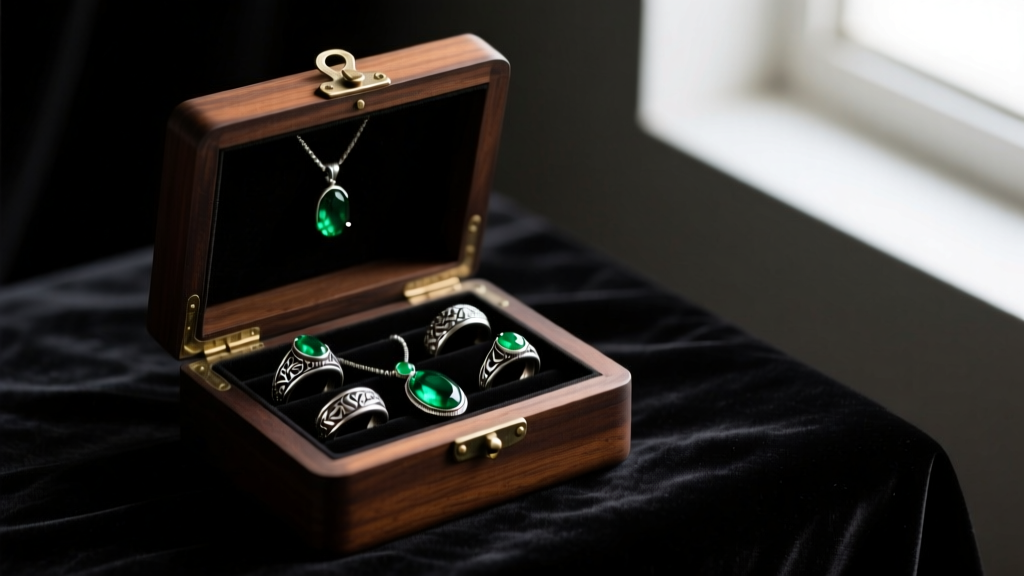
As of 2026, the "wicked" aesthetic—characterized by dark academia, neo-gothic motifs, and theatrical emerald-and-black palettes—has completely transformed how collectors store their most prized pieces. A wicked jewelry box is not merely a functional container; it is an atmospheric vault designed to complement heavy oxidized silver, blackened gold, and dark gemstones like onyx and emerald. However, many vintage boxes found at estate sales suffer from degraded linings that actually accelerate tarnishing and moisture damage.
In this comprehensive guide, we will walk through the exact step-by-step process of stripping, refinishing, and lining a vintage wooden box to create a bespoke wicked jewelry box. We will focus heavily on archival-grade material selection to ensure your dark fantasy collection remains pristine for decades.
Materials and Tools Required
Before beginning, you must source the correct archival materials. Standard craft store felt is highly acidic and traps moisture, which will destroy silver and copper pieces. Below is a breakdown of the lining materials you should consider for your build.
| Lining Material | Tarnish Protection | Moisture Wicking | Cost per Yard (2026) |
|---|---|---|---|
| Standard Craft Velvet | None (Acidic) | Poor (Traps Humidity) | $8 - $12 |
| Microfiber Suede | Low | Moderate | $15 - $20 |
| Zinc-Treated Flannel | High (Intercepts Sulfides) | Excellent | $25 - $35 |
| Pacific Silvercloth | Maximum (Silver Embedded) | Excellent | $40 - $55 |
Additional Supplies:
- Citristrip or soy-based chemical paint stripper
- 120-grit and 220-grit aluminum oxide sandpaper
- India Ink or deep emerald aniline wood dye
- Matte water-based polyurethane (low VOC)
- Jade 403 Acid-Free PVA Glue
- Brass or matte black replacement hinges
Step 1: Stripping and Prepping the Vintage Base
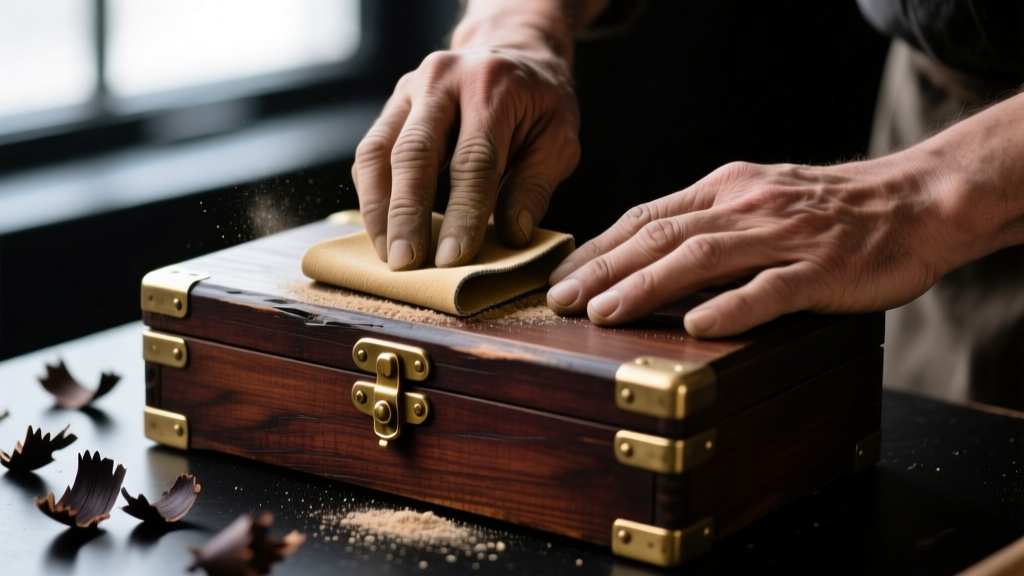
The foundation of any high-quality wicked jewelry box is a perfectly prepped wooden shell. Most mid-century vintage boxes are coated in thick, cracking lacquer that must be removed without damaging the underlying veneer.
Chemical Stripping vs. Sanding
Never use a power sander on vintage veneer; it is often less than 1/16th of an inch thick. Apply a thick layer of soy-based stripper and let it sit for 45 minutes. Use a plastic scraper to gently lift the sludge. Once the bulk of the finish is removed, hand-sand the surface starting with 120-grit to level the grain, finishing with 220-grit for a glass-smooth base. According to conservation guidelines outlined by the Canadian Conservation Institute, ensuring the wood is completely free of old waxes and oils is critical before applying new finishes that could otherwise off-gas and tarnish metals.
Step 2: Applying the Dark Fantasy Finish
To achieve that signature wicked look, you need a finish that is either pitch-black or a deeply saturated, bruised emerald.
- Ebonizing: For a true black box, apply two coats of India Ink. Unlike standard stains, ink penetrates deeply and provides a uniform, opaque darkness that highlights the wood's texture without looking painted.
- Emerald Dyeing: If you prefer the theatrical "Wicked" witch aesthetic, use a water-based aniline dye in forest green, followed by a dark walnut stain to muddy the color and give it an antique, moody depth.
- Sealing: Seal the wood with three thin coats of matte water-based polyurethane. Avoid oil-based polyurethanes or shellac, as they can emit volatile organic compounds (VOCs) over time, which react with sulfur in the air to cause rapid silver tarnishing inside the enclosed space.
Step 3: Cutting and Fitting Anti-Tarnish Lining
This is the most crucial step for the preservation of your jewelry. The interior environment of a closed box can become a microclimate of trapped humidity and acidic off-gassing if lined incorrectly.

The Science of Tarnish Interception
We recommend using a zinc-treated anti-tarnish flannel. These fabrics are embedded with microscopic zinc or silver particles that act as sacrificial anodes. When hydrogen sulfide gas enters the box, it reacts with the zinc in the fabric rather than the silver in your jewelry. The Gemological Institute of America (GIA) notes that proper storage in treated, acid-free environments is the single most effective way to prevent irreversible pitting in sterling silver and copper alloys.
Fitting the Fabric
Measure the interior compartments and add a 1/2-inch allowance on all sides. Cut your fabric using sharp fabric shears. Apply a thin, even layer of Jade 403 acid-free PVA glue to the wooden base using a foam brush. Press the fabric down firmly, using a bone folder to crease the edges tightly into the corners. Never use hot glue or standard superglue, as the heat and chemical fumes will permanently stain the fabric and compromise the anti-tarnish treatment.
Step 4: Configuring the Interior for Heavy Metals
A wicked jewelry box typically houses heavy, oversized pieces—think thick signet rings, layered chainmaille necklaces, and large cabochon pendants. Standard ring rolls are insufficient for these items.
Pro Tip: Always separate oxidized (blackened) silver from highly polished silver and gold. When stored in direct contact, the sulfur compounds used to oxidize the dark silver can transfer to polished pieces, causing localized tarnishing and dulling the high-polish finish.
Custom Dividers and Snap Strips
- Wide-Diameter Ring Rolls: Construct custom ring rolls with a 2-inch diameter to accommodate heavy gothic signets without crushing the velvet.
- Necklace Snap Strips: Sew small, fabric-covered snap buttons along the interior walls of the lid. This allows you to hang heavy chain necklaces vertically, preventing the dreaded "chain knot" that plagues traditional flat storage.
- Modular Acrylic Trays: For brooches and large pendants, line shallow, removable acrylic trays with the anti-tarnish flannel. This allows you to pull the tray out and view the collection without handling the delicate clasps.
Maintenance and Climate Control
Even with the best lining, a wicked jewelry box requires basic climate management. Place two small, indicating silica gel packets in the bottom corners of the box to absorb excess moisture. Avoid using camphor or mothballs near the box, as these chemicals can cause severe surface damage to organic gems like pearls, amber, and tortoiseshell, which are often featured in dark academia collections. Inspect the anti-tarnish fabric every 18 months; if the zinc-treated flannel begins to turn a dark, muddy gray, it has reached its absorption capacity and must be replaced to ensure your collection remains perfectly preserved.


