How to Clean, Restore, and Organize an LV Jewelry Box
Learn how to clean, restore, and organize your LV jewelry box. Expert steps for Monogram canvas, brass hardware, and luxury interior care.

The Anatomy of Luxury Storage: Understanding Your Materials
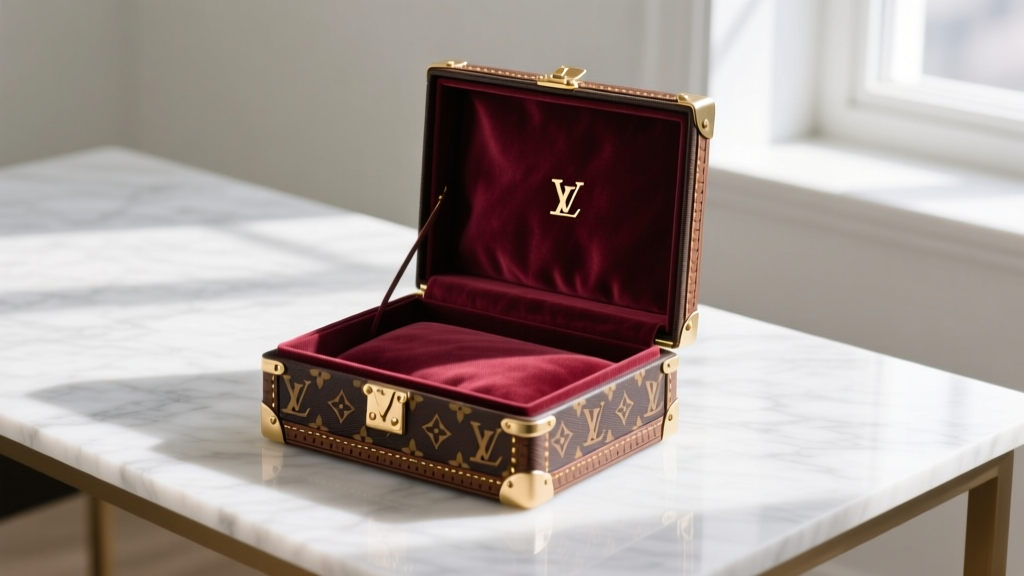
Owning an LV jewelry box is an investment in both functional organization and heritage craftsmanship. However, maintaining these iconic pieces requires a deep understanding of their material composition. Unlike standard wooden or acrylic organizers, a Louis Vuitton jewelry box is a complex assembly of specialized materials. The exterior typically features the brand’s signature coated canvas—a cotton and linen base treated with a polyvinyl chloride (PVC) coating for water resistance. This is often accented with Vachetta leather, an untreated, vegetable-tanned cowhide that is highly susceptible to water spots and oxidation. The hardware is crafted from solid brass, and the interior is lined with delicate microfiber, Alcantara, or suede.
Improper cleaning methods, such as using alcohol-based wipes or abrasive polishes, can permanently strip the canvas topcoat, darken the Vachetta irreversibly, or cause the brass to bleed into the porous leather trim. This step-by-step guide will walk you through the professional restoration, deep cleaning, and strategic organization of your luxury storage piece, ensuring it remains a pristine heirloom for decades.
Step 1: Exterior Canvas and Leather Restoration
The most common mistake owners make when cleaning an LV jewelry box is reaching for household surface cleaners or makeup wipes. These products contain alcohols and harsh solvents that break down the PVC coating on Monogram and Damier canvases, leading to micro-cracking and a dull, chalky finish. According to Louis Vuitton's official care guidelines, the canvas should only be cleaned with a soft, damp cloth.
The Safe Canvas Cleaning Protocol
- Mix a gentle solution: Combine one drop of pH-neutral baby shampoo with one cup of distilled water. Avoid tap water, as the minerals can leave white deposits on the dark canvas areas.
- Wipe gently: Dampen a clean, lint-free microfiber cloth in the solution, wring it out until it is barely damp, and wipe the canvas in gentle, circular motions. Focus on the crevices near the seams where hand oils and dust accumulate.
- Dry immediately: Use a second, dry microfiber cloth to buff the canvas dry. Never let moisture air-dry on the surface.
Vachetta Leather Care
If your box features Vachetta leather piping or handles, you must treat it with extreme caution. Vachetta is untreated and will naturally develop a dark, rich patina over time due to UV exposure and contact with the oils in your skin. Do not attempt to scrub away the patina, as this will only damage the leather fibers. Instead, apply a high-quality, non-darkening leather conditioner, such as Bickmore Bick 4, using a soft horsehair brush. Apply in thin, even layers, and allow it to absorb for 24 hours in a cool, dry room.
Step 2: Hardware Polishing Without the Damage
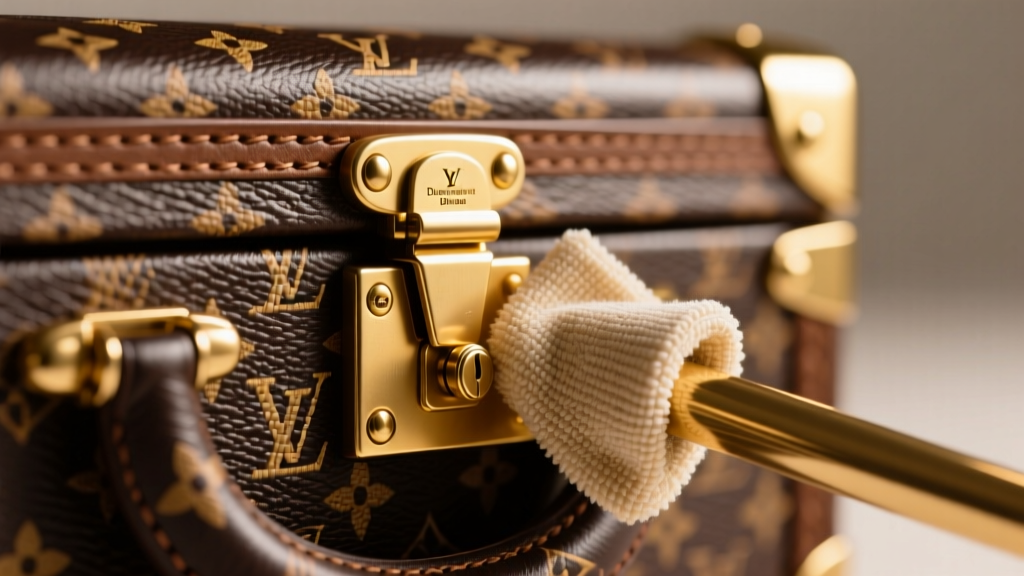
The solid brass push-locks, hinges, and corner rivets on vintage and modern LV jewelry boxes are prone to tarnishing and developing verdigris—a greenish-blue copper carbonate crust that forms when brass reacts with moisture and oxygen. While you want to restore the shine, you must prevent the polish from staining the adjacent canvas or leather.
- Mask the surrounding areas: Use low-tack painter's tape to carefully mask off the canvas or leather immediately surrounding the brass hardware.
- Apply polish with precision: Do not apply brass polish directly to the box. Instead, dip a cotton swab (Q-tip) into a mild, non-ammonia brass polish like Wenol or Brasso.
- Buff and neutralize: Gently rub the tarnished brass with the swab. Once the tarnish lifts, use a clean, damp cotton swab to remove any residual polish. Leaving polish residue in the crevices of the lock mechanism can cause it to seize over time.
- Seal the hardware: To slow future oxidation, lightly buff the dry brass with a microfiber cloth treated with a tiny drop of Renaissance Wax. This creates a microscopic barrier against ambient humidity.
Step 3: Interior Sanitization and Odor Removal
The interior of an LV jewelry box is designed to cradle delicate pieces, often utilizing ultra-suede, microfiber, or Alcantara. These materials are excellent for preventing micro-scratches on gold and silver, but they act as magnets for dust, dead skin cells, and ambient odors.
Debris Removal: Turn the box upside down over a trash bin and gently tap the base to dislodge loose particles. Use a soft-bristled makeup brush or a clean horsehair detailing brush to sweep the corners and ring rolls. Avoid using sticky lint rollers on suede or Alcantara, as the adhesive can pull up the delicate fibers and create permanent bald spots.
Odor Neutralization: If the interior has developed a musty scent from being stored in a humid environment, do not use baking soda. Baking soda is highly alkaline and can leave a gritty, abrasive residue that will scratch your jewelry. Instead, place two small, breathable sachets of activated bamboo charcoal inside the closed box for 72 hours. The charcoal will safely adsorb volatile organic compounds (VOCs) and moisture without altering the pH of the interior lining.
Step 4: Strategic Organization Based on Gemology
Proper organization inside your LV jewelry box is not just about aesthetics; it is about preventing catastrophic gemological damage. Jewelry pieces must be segregated based on their Mohs Hardness Scale rating. Diamonds, sitting at a 10 on the Mohs scale, will effortlessly scratch 18k gold (which sits around a 2.5 to 3) and completely ruin the luster of organic gems like pearls and coral.
According to the Gemological Institute of America (GIA), diamonds should always be stored separately to prevent them from chipping or scratching other pieces. Furthermore, GIA's pearl care guidelines emphasize that pearls are highly porous and can be damaged by the acidic off-gassing of certain metals or the chemicals found in synthetic perfumes.
| Material / Gemstone | Mohs Hardness | Placement Strategy in LV Box |
|---|---|---|
| Diamonds | 10 | Isolated in individual soft pouches or dedicated ring rolls to prevent scratching adjacent metals. |
| Sapphires / Rubies | 9 | Upper drawer compartments, separated from diamonds but can share space with gold/platinum. |
| 18k Gold / Platinum | 2.5 - 4 | Necklace hooks or main velvet trays. Ensure chains are laid flat to prevent kinking. |
| Pearls / Coral | 2.5 - 4 | Bottom drawer or separate pouch. Keep away from direct contact with silver (which can off-gas sulfur). |
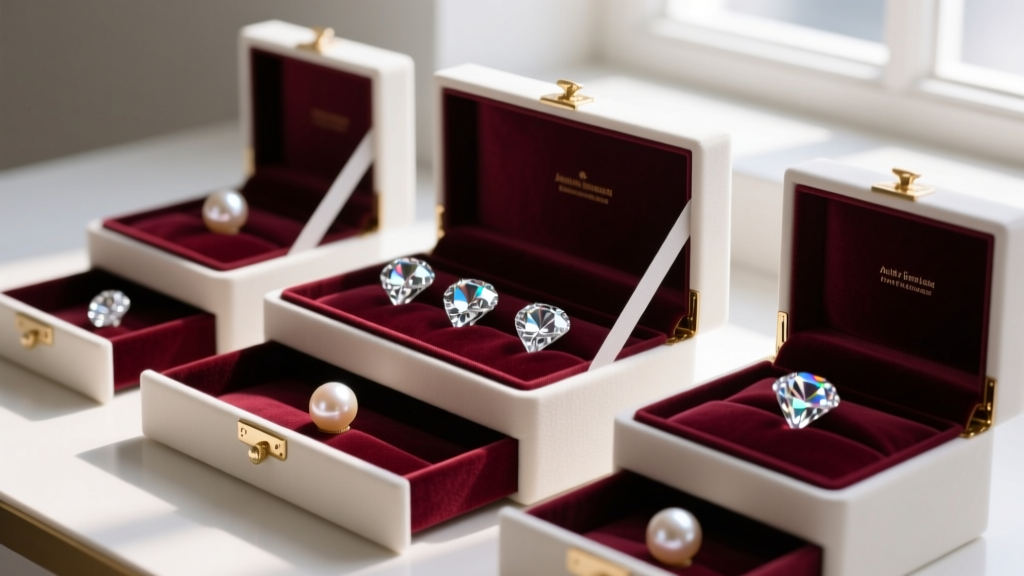
The Anti-Tarnish Protocol: Silver and white gold pieces are highly susceptible to hydrogen sulfide in the air, which causes rapid tarnishing. Slip 3M anti-tarnish strips into the corners of your LV jewelry box drawers. These strips utilize specialized copper particles that actively absorb and neutralize sulfur compounds in the enclosed air space, keeping your silver bright for up to 12 months without the need for chemical polishing.
Step 5: Climate Control and Long-Term Preservation
How you store the LV jewelry box when it is not in use is just as critical as how you maintain it. The most frequent cause of irreversible damage to vintage Louis Vuitton coated canvas is a phenomenon known as "plasticizer migration," colloquially referred to as sticky syndrome. The PVC coating relies on chemical plasticizers to remain flexible. If the box is stored in a non-breathable plastic bin, wrapped in its original factory plastic, or kept in a high-heat environment like an attic, the plasticizers are forced to the surface, creating a permanent, sticky residue that attracts dust and degrades the canvas.
The Golden Rules of Storage:
- Breathability is mandatory: Always store the box inside its original cotton dust bag. Cotton allows the PVC to off-gas naturally while protecting the surface from UV fading and dust.
- Control Relative Humidity (RH): Maintain the storage room at a stable 40% to 50% RH. Fluctuations in humidity will cause the Vachetta leather to expand and contract, leading to structural warping and cracked stitching.
- Use Indicating Silica: Place a few packets of indicating silica gel (which changes color when saturated) inside the room or the outer storage container to passively manage ambient moisture. Avoid placing silica directly inside the jewelry box, as it can draw too much moisture out of organic gems like opals and pearls, causing them to craze and crack.
Conclusion
An LV jewelry box is a masterpiece of functional art. By abandoning harsh household chemicals in favor of pH-neutral cleaners, utilizing precision tools for brass hardware, and organizing your collection according to gemological hardness scales, you elevate your storage routine from mere tidying to professional preservation. Treat the materials with the respect they demand, and your luxury organizer will continue to protect your most prized possessions for generations to come.


