Beginner Guide to Choosing a Deer Antler Jewelry Holder
Learn how to choose, style, and maintain a natural deer antler jewelry holder. Discover weight limits, ethical sourcing, and sealing tips.

Why Choose a Natural Deer Antler Jewelry Holder?
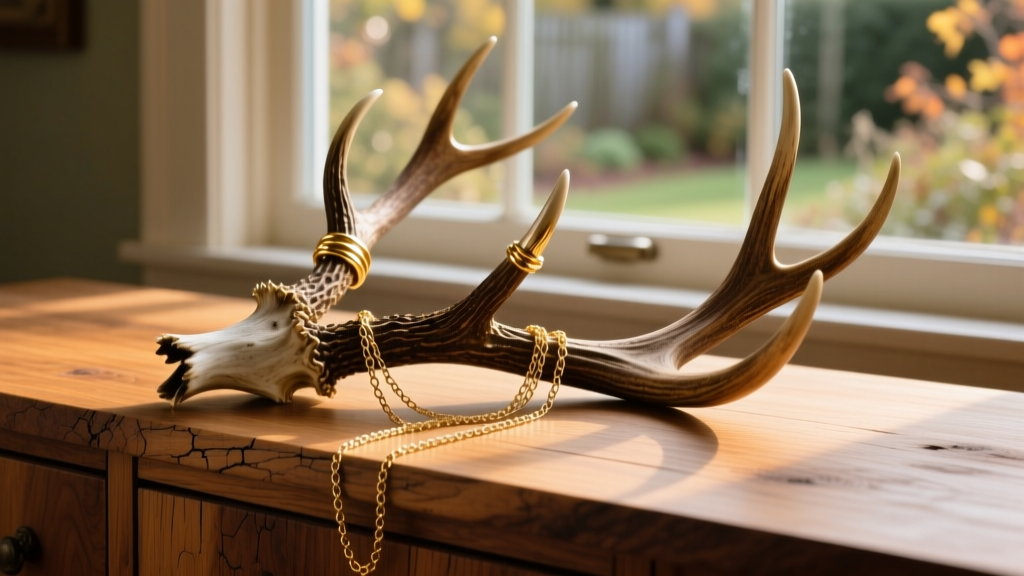
When it comes to jewelry storage and organization, the market is saturated with mass-produced acrylic boxes, velvet rolls, and velvet-lined plastic trays. For those who appreciate organic aesthetics, cabincore interiors, or rustic minimalism, a natural deer antler jewelry holder offers an unparalleled alternative. Unlike manufactured displays, every single antler is a topological masterpiece, featuring unique curves, ridges, and branching tines that serve as built-in hooks for rings, necklaces, and bracelets.
Beyond their striking visual appeal, antlers are incredibly durable. Composed of dense osseous tissue (bone) and a keratin outer layer, they can withstand decades of use without degrading, provided they are properly prepped and sealed. However, treating a natural antler like a standard wooden jewelry stand is a common beginner mistake. Bone is inherently porous, and without the right preparation, it can harbor moisture that accelerates the tarnishing of your precious metals. This guide will walk you through the anatomy, ethical sourcing, structural limits, and essential sealing techniques required to turn a raw antler into a functional, jewelry-safe display.
Ethical Sourcing: Shed vs. Crafted Antlers
Before purchasing or foraging for a deer antler jewelry holder, it is crucial to understand where it came from. The most ethical and widely preferred source for home decor and jewelry organization is naturally shed antlers. According to the National Deer Association, male deer (bucks) naturally shed their antlers every year between late winter and early spring as their testosterone levels drop. These 'sheds' can be legally collected in most regions without harming the animal, making them a sustainable, cruelty-free material for artisans and collectors.
When shopping, look for sellers who explicitly state their antlers are 'naturally shed' or 'cruelty-free.' Avoid antlers that still have the skull cap attached unless you are certain they were sourced from regulated hunting or found remains, as the presence of the skull plate often indicates the antler was harvested from a hunted animal rather than found on the forest floor.
Understanding Antler Anatomy for Storage
To use an antler effectively for jewelry organization, you must understand its three main structural components:
- The Burr: The rough, knobby base where the antler connects to the deer's skull. This is the heaviest and most stable part, serving as the natural anchor for your display.
- The Beam: The main, thick shaft of the antler. It is incredibly strong and ideal for draping heavier items like thick chain necklaces or wide cuff bracelets.
- The Tines: The individual points or branches that grow off the beam. These act as natural pegs for hanging rings, lightweight chains, and drop earrings.
It is also worth noting the species difference. Whitetail deer antlers typically feature forward-sweeping tines that are excellent for draping long necklaces. Mule deer antlers, famous for their bifurcated (split) tines, offer a higher density of smaller hooks, making them superior for organizing multiple pairs of stud and drop earrings.
Weight Limits and Structural Integrity
While antlers are remarkably strong—designed to withstand the high-impact forces of sparring during the rut—the individual tines can snap if subjected to excessive lateral weight or leverage. When organizing heavy jewelry, such as solid brass cuffs, thick copper bangles, or gemstone-heavy statement necklaces, you must distribute the weight appropriately.
Below is a structural guide to help you map your jewelry collection to the correct sections of your deer antler jewelry holder:
| Antler Section | Average Diameter | Best Jewelry Types | Max Weight Capacity |
|---|---|---|---|
| Burr (Base) | 3 - 5 inches | Heavy cuffs, smartwatches, chunky resin rings | 5+ lbs (Structural anchor) |
| Beam (Main Shaft) | 1 - 2.5 inches | Bangles, thick chain necklaces, brooches | 1 - 3 lbs |
| Tines (Points) | 0.25 - 1 inch | Delicate chains, standard rings, drop earrings | 2 - 8 oz |
Prepping and Sealing Your Antler Display
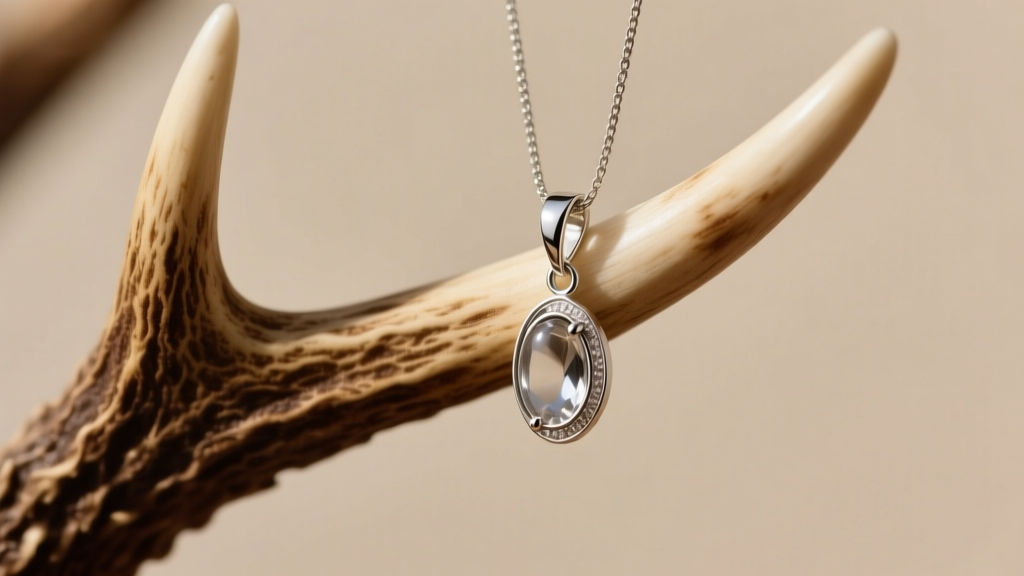
The most critical step in preparing a deer antler jewelry holder is sealing the bone. Raw antler is highly porous. If left untreated, it will absorb ambient humidity, natural skin oils from your jewelry, and airborne sulfur compounds. This trapped moisture creates a microclimate that rapidly accelerates the oxidation of sterling silver and copper alloys. According to care guidelines from Jewelers of America, keeping precious metals away from moisture-retaining organic materials is key to preventing severe tarnish.
Step-by-Step Sealing Process
- Cleaning: Scrub the raw antler with a soft-bristle brush, warm water, and a mild dish soap. Never use bleach or harsh chemical cleaners, as these will degrade the calcium matrix of the bone and cause it to become brittle and chalky.
- Sanding: To prevent your delicate jewelry chains from snagging, you must sand the tines and beam. Start with a 120-grit sandpaper to remove any rough bark, dirt, or sharp burrs. Progress to a 220-grit to smooth the surface, and finish with a 400-grit or 600-grit sandpaper. This final step burnishes the bone, giving it a glass-like, frictionless finish that allows 0.8mm rolo chains and snake chains to slide off easily without catching on microscopic splinters.
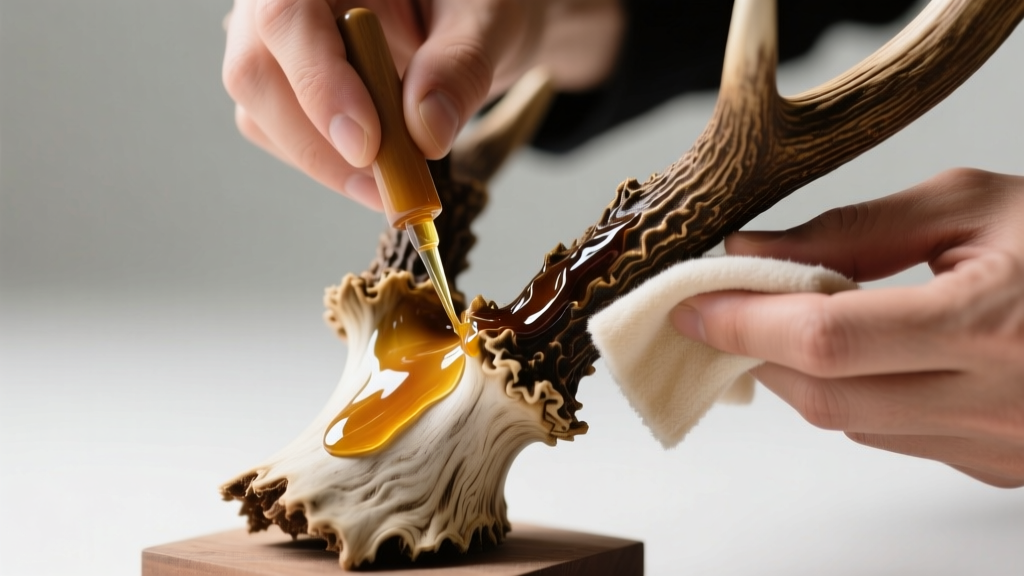
- Sealing: Apply a protective barrier to lock out moisture. For a natural, matte finish that preserves the rustic look of the antler, rub the bone with food-safe mineral oil or pure carnauba wax. Let it absorb for 20 minutes, then buff it vigorously with a microfiber cloth. For a more durable, permanent seal that requires zero maintenance, apply two thin coats of matte water-based polyurethane, allowing 24 hours of drying time between coats.
Preventing Snags and Tarnish on Natural Bone
Even with proper sanding, the natural topology of an antler can present minor snag hazards for ultra-fine jewelry. If you own necklaces with chains thinner than 0.5mm (such as microscopic cable chains), it is highly recommended to hang them from the smoothest, most heavily sanded tines, or to use a small, clear silicone sleeve over the tine tip to create a frictionless barrier.
Furthermore, while sealing the antler drastically reduces moisture retention, it does not make the display immune to environmental tarnishing. If your jewelry room or bathroom experiences high humidity, place a few 3M anti-tarnish strips near the base of the antler. These strips absorb airborne sulfides before they can react with the copper in your sterling silver pieces. Finally, avoid placing your antler holder in direct, prolonged sunlight. While UV light will not damage the sealed bone, it can cause certain gemstones—like amethyst, kunzite, and dyed turquoise—to fade or become brittle over time.
Final Thoughts on Rustic Jewelry Organization
A deer antler jewelry holder is much more than a simple decorative accent; it is a highly functional, structurally sound, and deeply personal way to curate your jewelry collection. By understanding the ethical origins of shed antlers, respecting the weight limits of the tines, and taking the time to properly sand and seal the porous bone, you create a safe haven for your most cherished accessories. Whether you are displaying a single, elegantly curved whitetail beam on your vanity or a massive, bifurcated mule deer rack on your bedroom wall, the organic beauty of natural antler will elevate your daily jewelry routine for decades to come.


