Making a Jewelry Box: DIY Cost Breakdown and Value Assessment
Is making a jewelry box actually cheaper than buying one? We break down material costs, anti-tarnish linings, and hardware to assess true DIY value.

The Allure and Reality of Custom Jewelry Storage
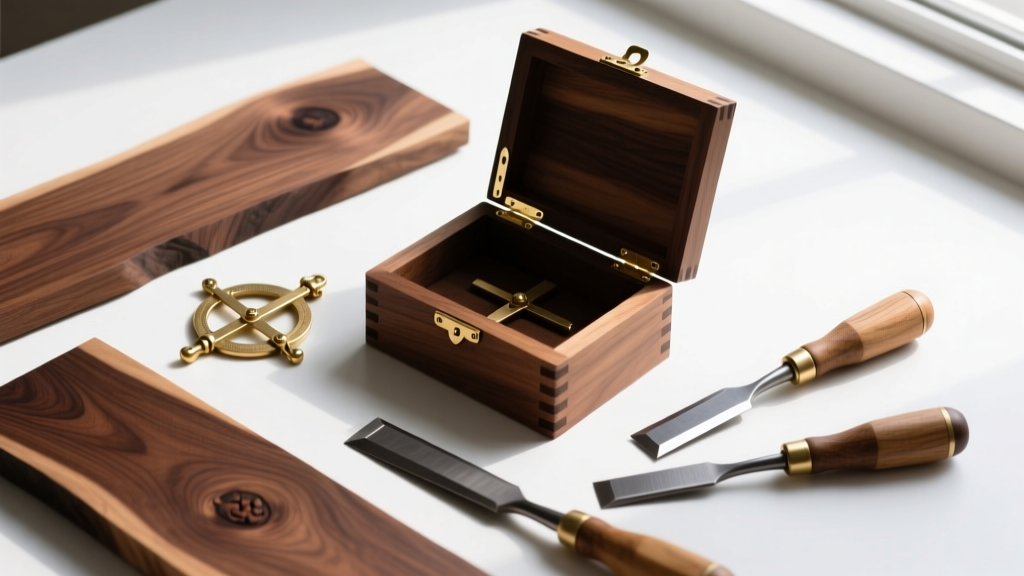
For many collectors and woodworking enthusiasts, making a jewelry box represents the ultimate intersection of craftsmanship and personal utility. The romanticized vision involves selecting rich, figured hardwoods, cutting precise dovetail joints, and lining the interior with plush velvet to cradle heirloom pieces. However, when viewed through the lens of a strict budget and value assessment, the DIY approach to high-end jewelry storage reveals hidden financial and chemical pitfalls. In 2026, with the rising costs of premium hardwoods and specialized anti-tarnish textiles, is making a jewelry box actually a cost-effective alternative to purchasing a professional-grade retail organizer? To answer this, we must dissect the material science, hardware economics, and conservation chemistry involved in building a safe haven for precious metals and gemstones.
Wood Selection: The Hidden Tannin Trap
The foundation of any custom box is the lumber. A common mistake among novice woodworkers is selecting woods based purely on aesthetics or price, ignoring the chemical properties that affect precious metals. According to conservation guidelines referenced by the Gemological Institute of America (GIA), the micro-environment inside a closed jewelry box is highly sensitive to off-gassing and acidic reactions.
Red Oak and White Oak, while affordable and visually striking, contain high levels of tannic acid and volatile organic compounds (VOCs). In a sealed environment, these acids off-gas and react with the copper alloys in sterling silver and rose gold, accelerating tarnish and potentially causing microscopic pitting on softer gemstones like pearls or opals. Black Walnut and Hard Maple are vastly superior choices for jewelry storage due to their chemical stability and low acidity. However, this material upgrade impacts the budget significantly.
- Red Oak: $4 - $6 per board foot (High risk for silver/pearls)
- Hard Maple: $7 - $10 per board foot (Chemically stable, light aesthetic)
- Black Walnut: $12 - $18 per board foot (Stable, premium dark finish)
- Figured Claro Walnut: $35+ per board foot (Luxury tier, requires careful sealing)
For a standard 14x10x5 inch jewelry box requiring approximately 4 board feet of lumber, upgrading from Oak to premium Walnut adds roughly $50 to $80 to the raw material cost before a single cut is made.
Hardware and Lining: Where the Budget Bleeds
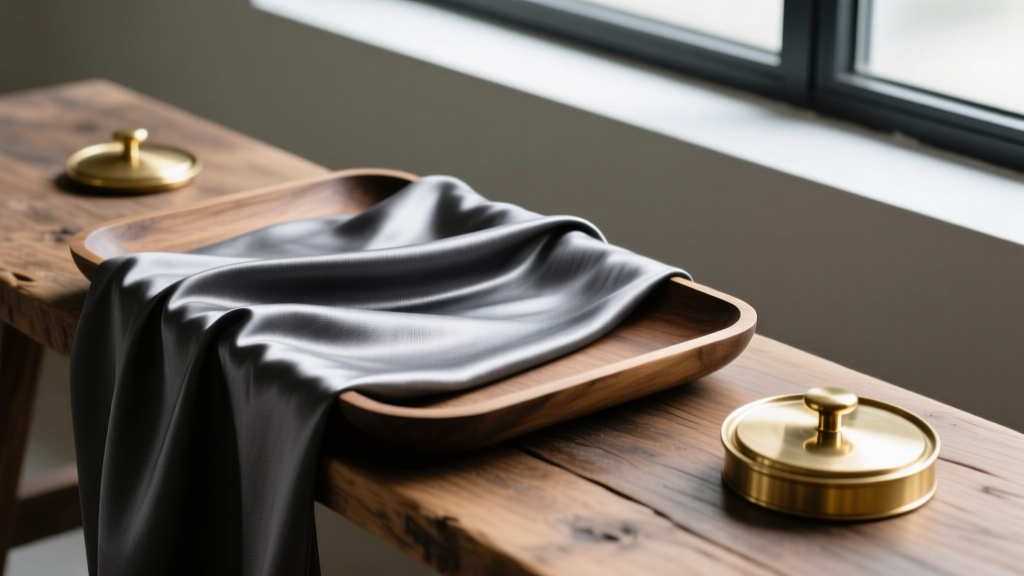
The true cost of making a jewelry box escalates rapidly when you move from the carcase to the interior fittings. A high-end jewelry box requires specialized hardware that prevents the lid from slamming, thereby protecting delicate stone settings from kinetic shock. Standard butt hinges are insufficient; you need quadrant hinges or concealed lid supports to manage the weight of a solid wood lid.
Sourcing premium solid brass hardware from suppliers like Rockler Woodworking and Hardware or boutique brands like Brusso will cost between $45 and $85 per pair. Cheap, plated zinc alternatives will eventually corrode and seize, ruining the user experience and potentially scratching the interior lining.
The Anti-Tarnish Lining Imperative
Standard craft felt is a false economy. It traps moisture and does nothing to halt the chemical reaction between hydrogen sulfide in the air and the silver in your jewelry. Professional jewelers use Pacific Silvercloth, a specialized cotton fabric embedded with microscopic silver particles that act as a sacrificial anode, absorbing tarnish-causing gases before they reach your jewelry. At $35 to $45 per yard, lining a multi-tiered box with genuine anti-tarnish cloth can easily add $60 to $100 to your total build cost, whereas generic polyester felt costs less than $5.
Financial Breakdown: DIY vs. Retail Equivalents
To truly assess the value of making a jewelry box, we must compare the hard costs of a premium DIY build against a retail equivalent, such as a high-end organizer from Wolf or Mele & Co. The table below outlines the estimated costs for a luxury-tier, 14-inch walnut jewelry box with anti-tarnish lining and solid brass hardware.
| Component | Premium DIY Build Cost | Retail Equivalent Allocation |
|---|---|---|
| Hardwood Lumber (Black Walnut) | $65.00 | $80.00 |
| Solid Brass Quadrant Hinges | $60.00 | $45.00 |
| Pacific Silvercloth Lining | $85.00 | $50.00 (Often synthetic blends) |
| Adhesives, Finish, and Consumables | $30.00 | $25.00 |
| Labor / Sweat Equity (15 hrs @ $40/hr) | $600.00 | $150.00 (Overseas manufacturing) |
| Total Estimated Value | $840.00 | $350.00 (Retail Price) |
"The value of making a jewelry box is rarely found in financial savings. It is found in the bespoke dimensional customization and the heirloom quality of hand-cut joinery that mass-produced retail boxes simply cannot replicate." — Master Conservation Framer & Woodworker
The Chemistry of Adhesives, Finishes, and Gemstone Safety
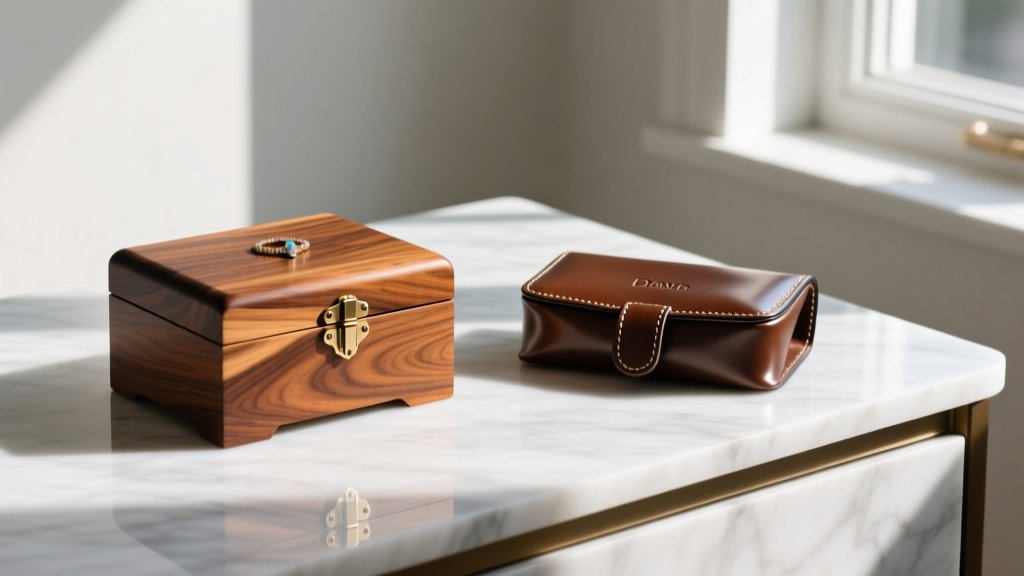
An often-overlooked aspect of the DIY value assessment is the chemical safety of the glues and topcoats used during construction. Many standard PVA (polyvinyl acetate) wood glues and oil-based polyurethanes release acetic acid and other VOCs as they cure. If a jewelry box is sealed and closed before these finishes have fully off-gassed—a process that can take up to 30 days in humid environments—the trapped acids will rapidly tarnish sterling silver and degrade the luster of porous gems like turquoise and malachite.
Furthermore, certain solvents found in commercial wood stains can dissolve the cedar oil treatments used to enhance the clarity of emeralds. If an emerald ring is placed in a newly finished box that has not been properly sealed with a barrier coat, the stone's internal fractures may become visible, effectively damaging the gem's structural integrity and value. To mitigate this, serious box makers must invest in conservation-grade adhesives, such as hide glue or specialized epoxy resins, and use water-based acrylic finishes or traditional shellac, which seal the wood without prolonged acidic off-gassing. These specialized finishes carry a premium price tag and require a higher level of technical skill to apply flawlessly, further widening the gap between the DIY cost and the retail price.
Tooling and the Hidden Sweat Equity Costs
Beyond raw materials, the physical act of making a jewelry box requires precision tooling that represents a massive sunk cost for hobbyists. Cutting micro-dovetails or perfectly mitered spline joints for a small carcase requires specialized jigs, ultra-fine Japanese pull saws, and low-angle block planes tuned to a mirror polish. If you do not already own a fully equipped woodworking shop, purchasing the necessary clamps, sanding abrasives (up to 600 grit for glass-smooth interiors), and precision measuring tools will add hundreds of dollars to your initial outlay. Retail manufacturers absorb these tooling costs across tens of thousands of units, an economy of scale the individual maker simply cannot match.
Final Verdict: When to Build and When to Buy
If your primary metric for success is strict financial economy, making a jewelry box is a poor investment. The economies of scale enjoyed by luxury retail brands mean you can purchase a beautifully finished, leather-wrapped, anti-tarnish jewelry box for $200 to $400—a fraction of the true cost of sourcing premium walnut, brass hardware, and genuine silver-infused linings yourself.
However, if you possess the tooling, the skills, and the desire to create a multi-generational heirloom tailored to the exact dimensions of a specific collection (such as accommodating oversized cuff bracelets or specialized watch pillows), the DIY route offers immense intrinsic value. The key to maximizing that value lies in refusing to compromise on the micro-environment: always choose chemically stable woods, invest heavily in sacrificial anti-tarnish linings, and allow your finishes to cure completely before introducing your precious metals to their new home.


