DIY Jewelry Storage: A Buying Guide for Materials & Hardware
Discover what to look for when sourcing materials for DIY jewelry storage. Compare anti-tarnish fabrics, woods, and hardware to protect your collection.

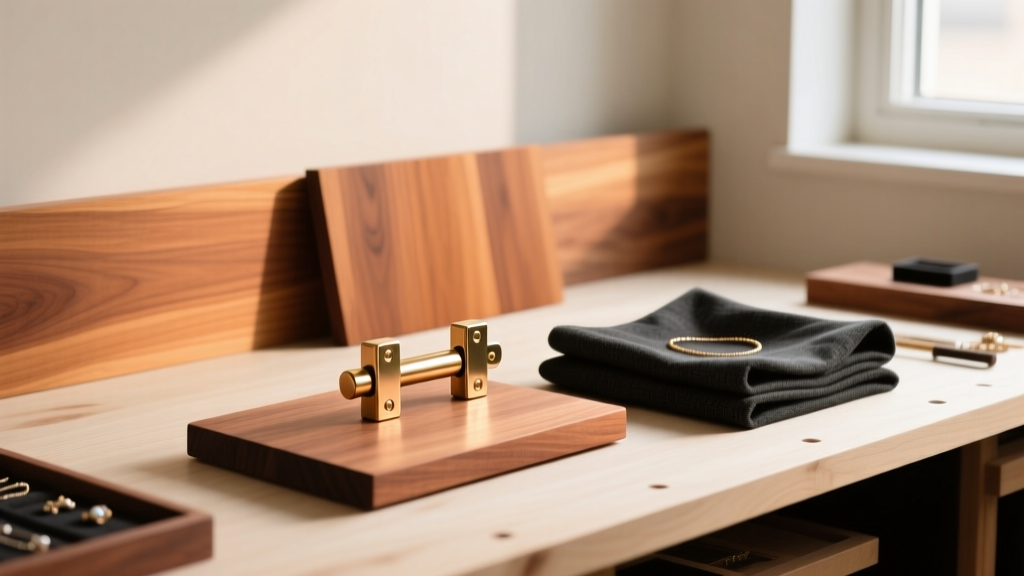
Why Material Selection Dictates the Success of DIY Jewelry Storage
When embarking on a DIY jewelry storage project, the aesthetic design is only half the battle. The true measure of a custom jewelry box, armoire, or travel roll lies in its material chemistry. Fine jewelry is highly susceptible to environmental degradation, including oxidation, galvanic corrosion, and moisture-induced gemstone damage. According to the Gemological Institute of America (GIA), improper storage materials are a leading cause of accelerated tarnishing and surface scratching in precious metals.
This buying guide cuts through the noise of generic craft store recommendations. We will explore exactly what to look for when sourcing textiles, lumber, acrylics, adhesives, and hardware for your DIY jewelry storage build, ensuring your finished piece offers museum-grade protection for your collection.
The Anti-Tarnish Textile Guide: What to Buy
The interior lining of your DIY jewelry storage is the most critical component for metal preservation. Standard craft felt and polyester blends are inherently flawed; they trap ambient humidity and generate static electricity, which attracts abrasive dust to soft gold and silver surfaces.
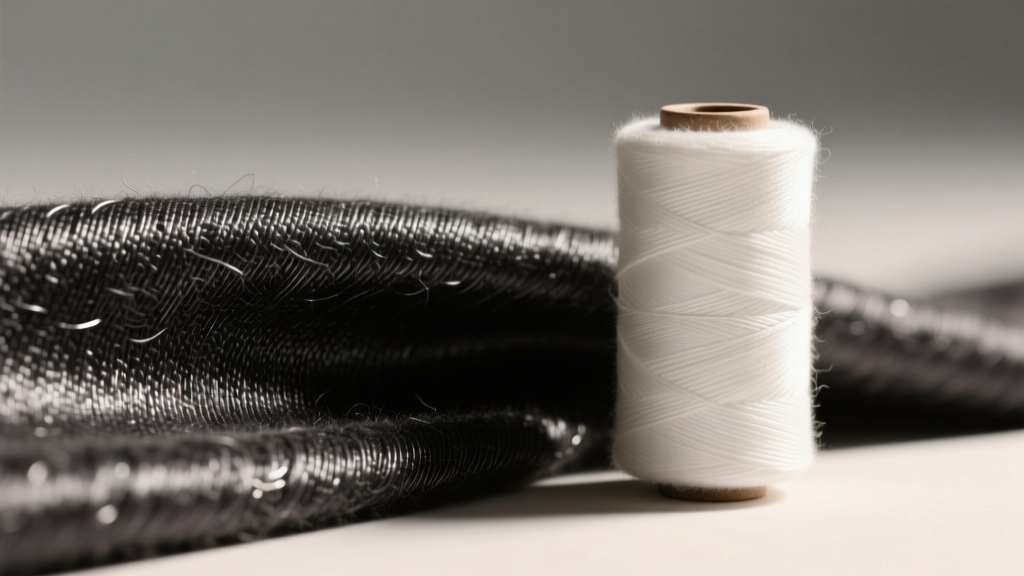
Pacific Silvercloth vs. Standard Flannel
For high-end DIY builds, Pacific Silvercloth is the gold standard. This specialized fabric is embedded with microscopic silver particles that act as a sacrificial anode. When corrosive gases (like hydrogen sulfide) enter the storage environment, they react with the embedded silver rather than your jewelry. It requires no washing and remains effective for decades. However, at roughly $35 to $45 per yard, it is a premium investment.
For budget-conscious DIYers, 100% untreated cotton flannel is the best alternative. You must buy it unwashed and unbleached, as commercial laundry detergents leave behind chemical residues that accelerate copper and silver oxidation. Wash it only in hot water with a mild, fragrance-free soap before sewing.
| Textile Material | Tarnish Protection | Moisture Wicking | Best Use Case | Avg. Price/Yard |
|---|---|---|---|---|
| Pacific Silvercloth | Exceptional | Moderate | Silverware rolls, heirloom boxes | $40.00 |
| 100% Cotton Flannel | Good (if untreated) | High | Drawer liners, travel pouches | $8.00 |
| Microfiber Suede | Poor | Low | Display padding (short-term) | $15.00 |
| Standard Craft Felt | Very Poor | None (traps moisture) | Avoid entirely | $4.00 |
Sourcing Wood and Acrylics: Structural Foundations
The structural materials of your DIY jewelry storage can inadvertently destroy the items they are meant to protect. The American Institute for Conservation (AIC) frequently warns against the use of unsealed organic materials in close proximity to metals and pearls due to off-gassing.
Woods to Avoid and Woods to Choose
Avoid Oak and Fresh Cedar: Oak contains high levels of tannic acid, which off-gasses and causes severe blackening on silver and lead. Fresh cedar emits acidic volatile organic compounds (VOCs) that will pit the surface of pearls and degrade porous gemstones like turquoise and opal.
Choose Maple, Birch, or Kiln-Dried Poplar: These tight-grained hardwoods are naturally low in acidic resins. However, all wood must be sealed to prevent residual moisture and acid transfer. Use a water-based polyurethane, such as Minwax Polycrylic, applying at least three coats and allowing a full 14-day cure time before installing your anti-tarnish linings.
Acrylics for Modern Display Inserts
If your DIY design involves laser-cut acrylic dividers for necklace displays or ring grids, you must source cell-cast acrylic (often sold under the brand name Plexiglas G). Extruded acrylic, which is cheaper, melts unevenly under laser heat, leaving sharp, burr-like edges that will snag prongs and scratch polished metal. Cell-cast acrylic vaporizes cleanly, leaving a smooth, flame-polished edge that is entirely safe for delicate chains.
Hardware and Hinges: Avoiding Mechanical Failure
Hardware is where many DIY jewelry boxes fail within the first year. The weight of a solid wood lid, combined with frequent opening, will quickly strip out cheap zinc-alloy hinges and tear screws from the wood grain.
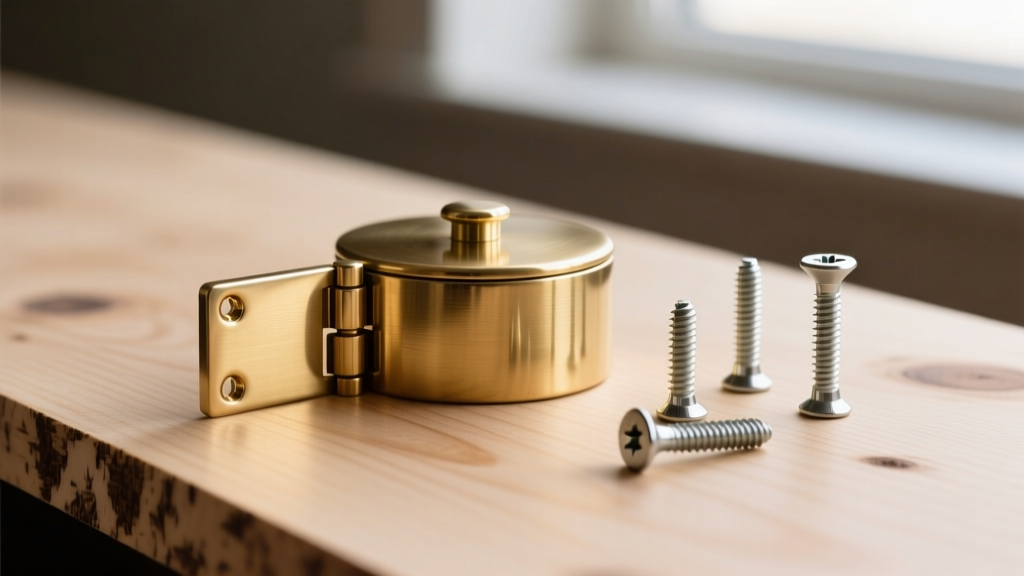
Investing in Solid Brass
Always source solid brass hinges from specialized woodworking suppliers (such as Brusso). Brass is naturally corrosion-resistant and will not rust or stain your interior fabrics if ambient humidity spikes. Look for hinges with a thickness of at least 0.060 inches. For heavy armoire lids, incorporate a brass quadrant stay to prevent the lid from hyperextending and snapping the hinge screws out of the back panel.
Magnetic Closures vs. Mechanical Clasps
For a seamless, hardware-free exterior look, use rare-earth neodymium magnets. However, you must buy plastic-coated or nickel-plated neodymium magnets. Raw neodymium is highly prone to oxidation and will leave rust stains on your wood. Embed them using a Forstner bit and secure them with a dab of epoxy, ensuring they sit exactly 1mm below the wood surface so they do not scratch the box's exterior finish.
Adhesives and Finishes: The Hidden Tarnish Triggers
The adhesive you use to attach your fabric lining and wooden dividers can be just as dangerous as the wrong wood. Cyanoacrylate (Super Glue) and standard hot glue are strictly prohibited in archival jewelry storage.
Cyanoacrylate adhesives release fumes during the curing process that cause 'frosting'—a permanent, cloudy white residue that chemically bonds to silver, pearls, and acrylics. The National Park Service Museum Handbook explicitly bans cyanoacrylates in enclosed display cases for this exact reason.
The Archival Adhesive Solution
For bonding fabric to wood or acrylic, use an archival-grade PVA (Polyvinyl Acetate) glue, such as Lineco Neutral pH Adhesive. It remains flexible when dry, does not off-gas harmful acids, and will not yellow or become brittle over time. Apply it with a foam brush in a thin, even layer, and use weighted cauls to press the fabric down while it cures for 24 hours.
Environmental Controls: Integrating Silica and Charcoal
Even with the best textiles and sealed woods, opening your DIY jewelry storage introduces ambient humidity. To combat this, design hidden compartments specifically for desiccants.
- Silica Gel Packets: Buy indicating silica gel (which changes color when saturated) in breathable Tyvek pouches. Avoid loose silica beads, as the dust is abrasive to high-polish metals.
- Activated Bamboo Charcoal: For odor control and mild moisture buffering, sew small linen sachets filled with activated bamboo charcoal and tuck them into the bottom corners of your DIY drawers.
- Anti-Tarnish Strips: If you cannot afford Pacific Silvercloth for the entire lining, buy 3M anti-tarnish absorbent strips and staple them to the underside of the box lid or the back of drawer dividers. They actively absorb sulfur compounds from the enclosed air space.
Final Sourcing Checklist for Your DIY Build
Before you finalize your materials cart, run through this quick conservation checklist:
- Are all interior textiles 100% natural fibers or specialized anti-tarnish weaves?
- Is the structural wood low-acid (Maple/Birch) and sealed with a fully cured water-based polyurethane?
- Are the hinges solid brass with adequate load-bearing thickness?
- Is the adhesive a neutral-pH, non-off-gassing archival PVA?
- Have you included a hidden desiccant compartment for humidity control?
By prioritizing material chemistry over mere aesthetics, your DIY jewelry storage project will not only look stunning on your vanity but will actively preserve the brilliance and structural integrity of your jewelry collection for generations to come.


