DIY vs Retail: How to Make a Jewelry Box or Buy the Best One
Learn how to make a jewelry box at home or choose a premium retail organizer. Compare woods, anti-tarnish linings, and costs in our expert guide.

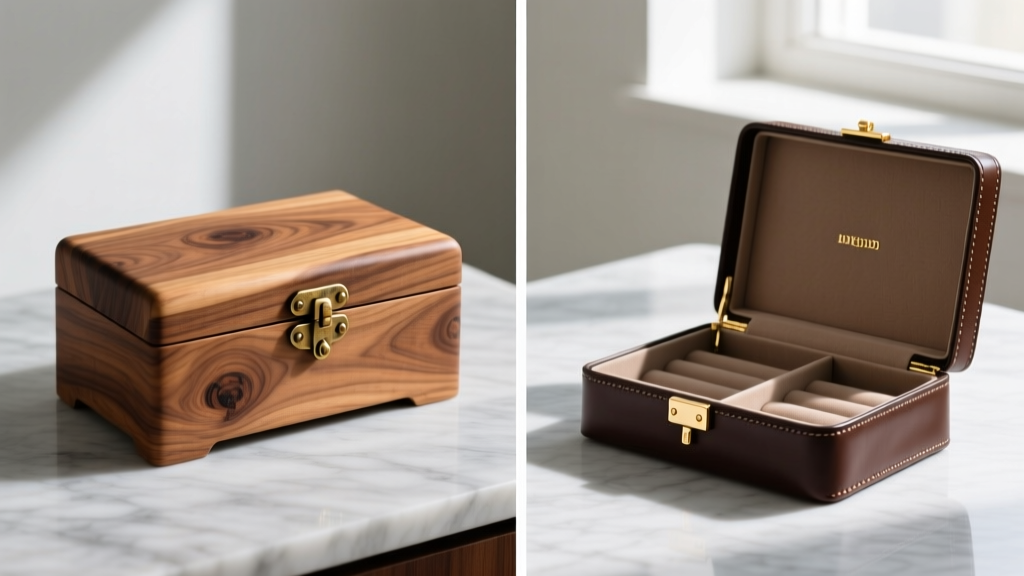
The Chemistry of Jewelry Storage
Whether you are a master woodworker or a discerning collector, understanding the micro-climate inside a jewelry box is critical. Precious metals, particularly sterling silver and copper alloys, are highly reactive to hydrogen sulfide and airborne moisture. Many enthusiasts search for tutorials on how to make jewelry box designs from scratch, but few address the chemical realities of wood off-gassing and adhesive breakdown. According to the Gemological Institute of America (GIA), improper storage environments are the leading cause of accelerated tarnishing and gemstone dehydration. Before deciding whether to build or buy, you must understand the material science that protects your investment.
How to Make a Jewelry Box: A Craftsman’s Material Guide
Building your own storage allows for bespoke compartmentalization, but it requires strict adherence to archival-safe materials. Standard woodworking practices often introduce chemicals that will destroy delicate finishes on pearls and oxidize silver within months.
Selecting the Right Hardwood
Not all woods are created equal when it comes to jewelry storage. You must avoid woods with high tannin and acid content. Oak, for instance, emits acetic acid vapor that will aggressively corrode silver and lead. Medium Density Fiberboard (MDF) is even worse; the urea-formaldehyde resins used to bind MDF continuously off-gas sulfur compounds and formaldehyde, creating a highly toxic environment for precious metals.
- Best Choices: Black cherry, walnut, and hard maple. These closed-grain hardwoods have low acidity and minimal off-gassing once properly cured.
- Woods to Avoid: Red oak, white oak, cedar (contains acidic oils), and all MDF or particleboard composites.
Safe Finishes and Adhesives
If you are learning how to make jewelry box interiors safe, the finish is just as important as the wood. Oil-based polyurethanes and standard lacquers can take months to fully cure, trapping volatile organic compounds (VOCs) inside the closed box. Instead, use a traditional dewaxed shellac or a high-quality water-based polyurethane. Shellac is a natural, breathable resin that seals the wood's acids without introducing harmful sulfur-based VOCs. For joinery, use standard PVA wood glues (like Titebond III), but allow the assembled box to air out in a ventilated space for at least 14 days before installing the lining.
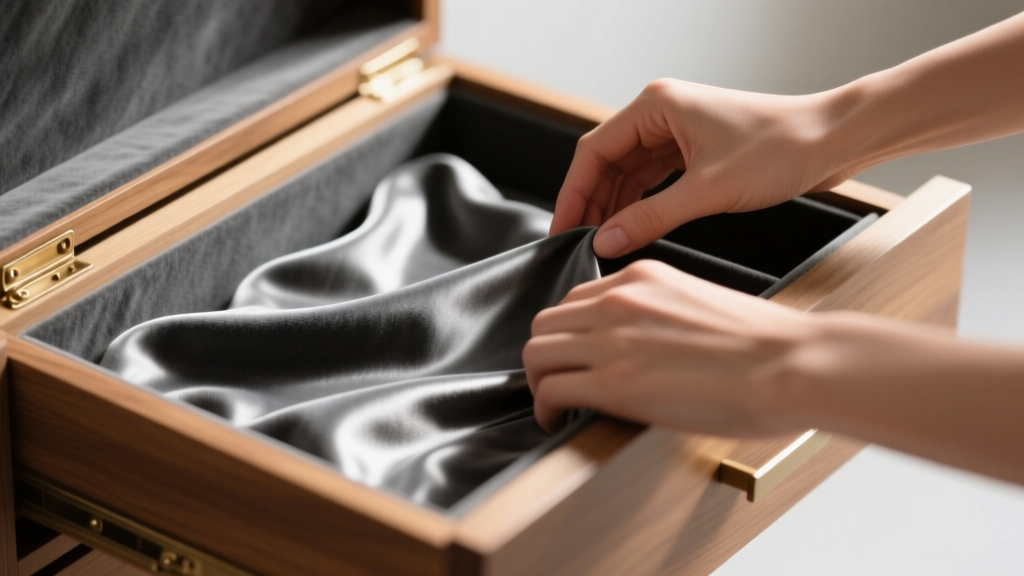
Sourcing True Anti-Tarnish Linings
Standard craft felt is a trap for moisture and will actually accelerate tarnishing. When building a premium box, you must line the interior with Pacific Silvercloth or a certified tarnish-preventive flannel. Pacific Silvercloth is a 100% cotton flannel embedded with microscopic silver particles. These embedded particles act as a sacrificial anode, absorbing hydrogen sulfide from the air before it can reach your jewelry. The Smithsonian Institution frequently recommends specialized tarnish-inhibiting cloths for long-term archival storage of silver artifacts. Never use standard velvet or polyester suede, as these synthetic materials generate static electricity, which attracts abrasive dust to soft gemstones like opals and turquoise.
The Buying Guide: Evaluating Retail Jewelry Organizers
If the prospect of sourcing archival materials and cutting dovetail joints is daunting, the retail market offers exceptional alternatives. However, mass-market boxes often cut corners on hardware and interior ergonomics. Here is what to look for when buying a premium organizer.
Hardware and Hinge Mechanics
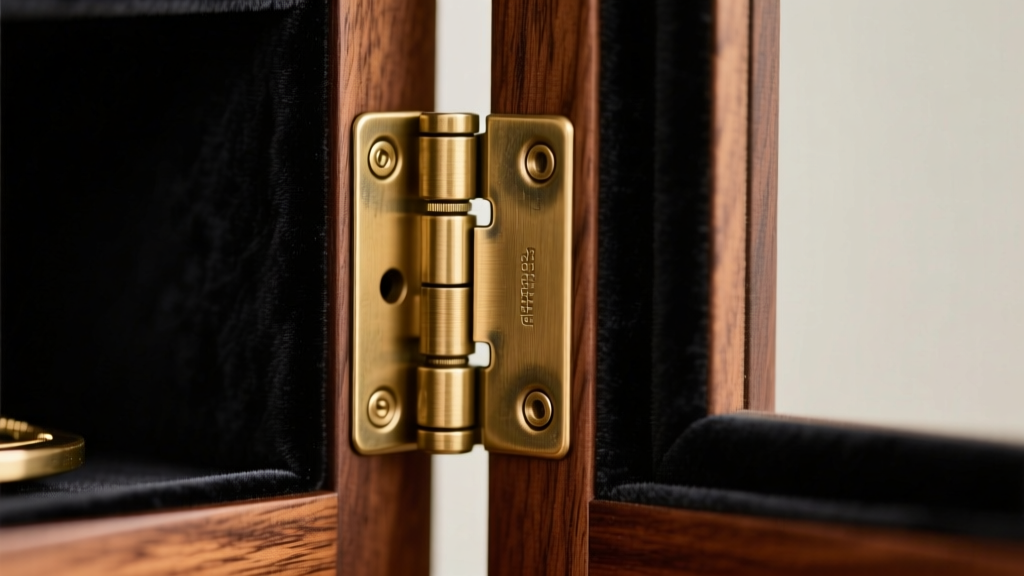
The most common failure point in retail jewelry boxes is the hinge. Cheap boxes use plated steel or thin brass alloys that bend under the weight of a heavy lid, causing the box to slam shut and tangle necklaces. Look for boxes featuring solid brass quadrant hinges or soft-close pneumatic stays. Brands like Wolf (specifically their 1834 heritage line) use heavy-duty, multi-step brass hinges that hold the lid open at a precise 90-degree angle. Additionally, inspect the clasps and drawer pulls; they should be solid metal, not hollow-cast zinc alloys, which degrade and pit over time when exposed to the natural oils from your hands.
Compartment Ergonomics and Sizing
A beautiful exterior means nothing if the interior layout damages your pieces. When evaluating a store-bought box, bring a tape measure and check these critical dimensions:
- Ring Rolls: The spacing between rolls must be at least 1.5 inches. Anything tighter will cause large gemstone settings (like a 3-carat oval or a high-profile cathedral setting) to crush against adjacent rings, scratching the gold and abrading the stones.
- Necklace Drops: Ensure there is a minimum of 10 to 12 inches of vertical clearance from the hook to the base. An 18-inch princess-length chain requires this drop to hang freely without pooling at the bottom, which leads to severe knotting.
- Watch Pillows: Look for C-shaped pillows with a width of at least 2.5 inches to accommodate modern oversized dive watches without overstretching the leather or fabric pillow casing.
Cost, Time, and Effort: DIY vs. Premium Retail
Deciding between building and buying comes down to your budget, available tools, and the size of your collection. Below is a comparative breakdown of what to expect from each route.
| Feature | Custom DIY Build | Premium Retail (e.g., Wolf, Stackers) | Mass-Market Retail (e.g., Amazon, Target) |
|---|---|---|---|
| Estimated Cost | $150 - $350 (Materials & Tools) | $250 - $800+ | $30 - $80 |
| Time Investment | 20 - 40 hours | Immediate | Immediate |
| Anti-Tarnish Lining | Pacific Silvercloth (Archival) | LusterLoc™ or Treated Suede | Standard Polyester Felt (Harmful) |
| Hardware Quality | Solid Brass (Brusso, etc.) | Heavy-duty Plated Brass | Thin Stamped Steel |
| Customization | 100% Bespoke Layout | Modular / Fixed Layouts | Fixed, Generic Layouts |
Expert Verdict: When to Build and When to Buy
If you already possess intermediate woodworking skills, a well-equipped shop, and a highly specific collection (such as oversized cocktail rings or long sautoir necklaces that defy standard compartments), learning how to make a jewelry box tailored to your exact needs is a deeply rewarding project. The ability to integrate hidden compartments, specific watch winders, and archival Pacific Silvercloth linings makes a DIY box a true heirloom.
However, if you lack the tools for precision joinery or require immediate, reliable protection for a growing collection, investing in a premium retail organizer is the smarter choice. Brands that prioritize LusterLoc™ linings, solid brass hardware, and modular stacking systems (like Stackers or Wolf Designs) offer exceptional protection without the steep learning curve of woodworking. Ultimately, whether crafted by your own hands or purchased from a master leatherworker, the best jewelry box is one that respects the chemistry of your metals and the geometry of your gems.


