Reed and Barton Jewelry Box Buying Guide: What to Look For
Discover what to look for when buying a Reed and Barton jewelry box. Learn about materials, anti-tarnish linings, vintage authentication, and pricing.

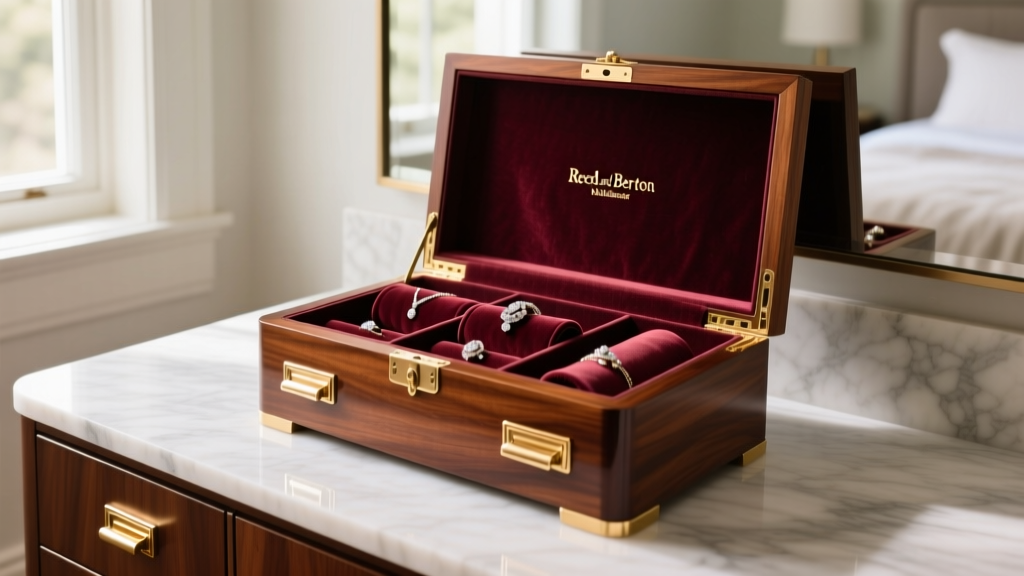
The Legacy of Reed & Barton Craftsmanship
When you invest in a Reed and Barton jewelry box, you are not merely purchasing a storage container; you are acquiring a piece of American decorative arts history. Founded in 1824 in Taunton, Massachusetts—a city historically known as the 'Silver City'—the brand built its reputation on impeccable silverplate and fine wooden chests. While the company underwent significant corporate restructuring and acquisition by Lenox in 2015, vintage and heirloom-quality Reed & Barton pieces remain highly sought after on the secondary market.
For serious collectors and jewelry enthusiasts, understanding the nuances of these boxes is critical. The market is flooded with mass-produced imitations and lower-tier mid-century pieces that carry the brand name but lack the structural integrity of their premier lines. This guide breaks down exactly what to look for regarding materials, construction, and condition when evaluating a Reed and Barton jewelry box.
Key Materials and Construction Details
Authentic, high-end Reed & Barton chests are defined by their material grade. When inspecting a potential purchase, pay close attention to the following three components:
The Shell and Veneers
Premium vintage models (particularly those from the 1970s through the 1990s) frequently feature thick crotch mahogany, burled walnut, or American cherry veneers applied over solid wood or high-density MDF frames. Look for 'book-matched' veneers on the top lid, where the wood grain mirrors itself perfectly down the center. Lower-tier models may use printed vinyl or thin, easily chipped paper veneers. Run your fingernail gently along the edges; real wood veneer will feel substantial and have natural grain variations, whereas synthetic overlays feel uniformly smooth and plasticky.
Hardware and Hinges
Hardware is a major indicator of authenticity and era. High-quality pieces utilize solid brass or heavy brass-plated quadrant hinges that hold the lid open at a precise 90-degree angle without sagging. Check the screws securing the hinges; original factory screws are typically flathead and sit perfectly flush. If you see modern Phillips-head screws or signs of stripped wood around the hinge mounts, the box has likely been poorly repaired.
Interior Linings
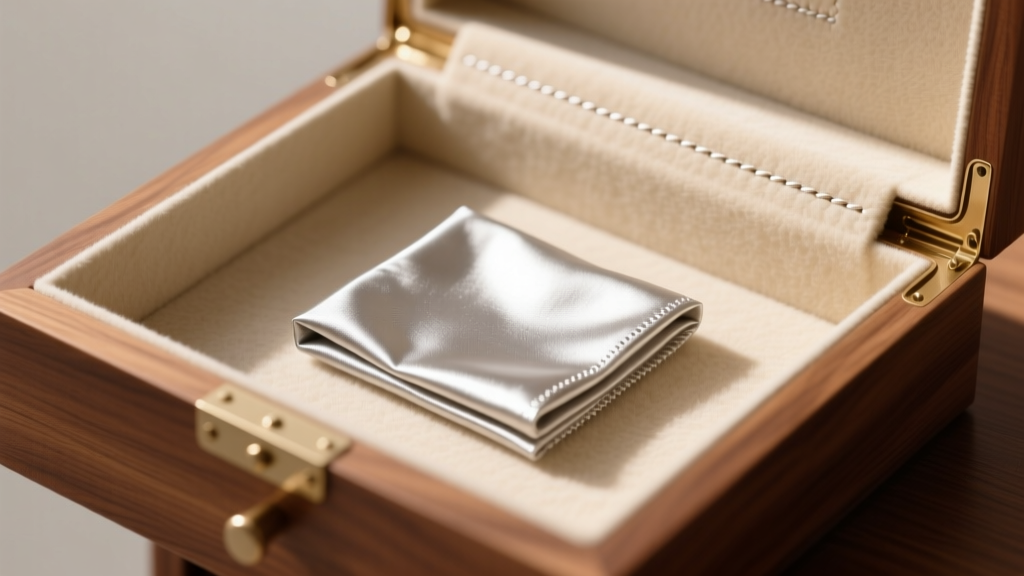
The interior of a genuine Reed & Barton box should feature anti-tarnish treated flannel or plush velvet. The brand often used specialized tarnish-resistant fabrics (similar to Luster-Loc) that absorb airborne sulfur and moisture. Over time, these linings can degrade, lose their anti-tarnish properties, or develop a musty odor if stored in damp environments.
Evaluating Condition: The Vintage Assessment Matrix
Buying vintage requires a systematic approach to condition grading. Use the following matrix to evaluate the structural and cosmetic health of a pre-owned Reed and Barton jewelry box before negotiating a price.
| Component | Ideal Condition | Red Flag (Walk Away or Negotiate) | Repairability |
|---|---|---|---|
| Wood Veneer | Rich luster, no lifting, tight seams | Bubbling, water stains, or missing chunks on corners | Moderate (Requires professional veneer splicing) |
| Lock & Key | Key turns smoothly, latch catches securely | Missing key, lock cylinder spins freely, rusted latch | Easy (Generic replacement locks fit most standard cuts) |
| Interior Lining | Clean, taut, no odors, intact stitching | Fraying edges, black mold spots, strong mildew smell | High (Can be completely re-lined with Pacific Silvercloth) |
| Hinges & Lid | Lid stays open at 90 degrees, no wobble | Lid slams shut, wood screws stripped or pulling out | Easy (Fill holes with wood glue/toothpicks and re-seat) |
Expert Tip: Never use liquid furniture polish (like Pledge) on vintage mahogany or cherry veneers. The silicone builds up and creates a cloudy haze. Instead, use a high-quality paste wax or a dedicated feed-and-wax product to nourish the wood and restore its depth.
Sizing and Compartment Configuration
Reed & Barton produced a vast array of silhouettes, from compact travel cases to towering floor armoires. Your choice should be dictated by your specific jewelry inventory.
- Flat Chests (12 to 18 inches wide): Ideal for watch collectors, brooch enthusiasts, and those with extensive ring collections. Look for models with adjustable dividers in the main tray and a deep, unpartitioned bottom well for larger items like cufflinks or pendants.
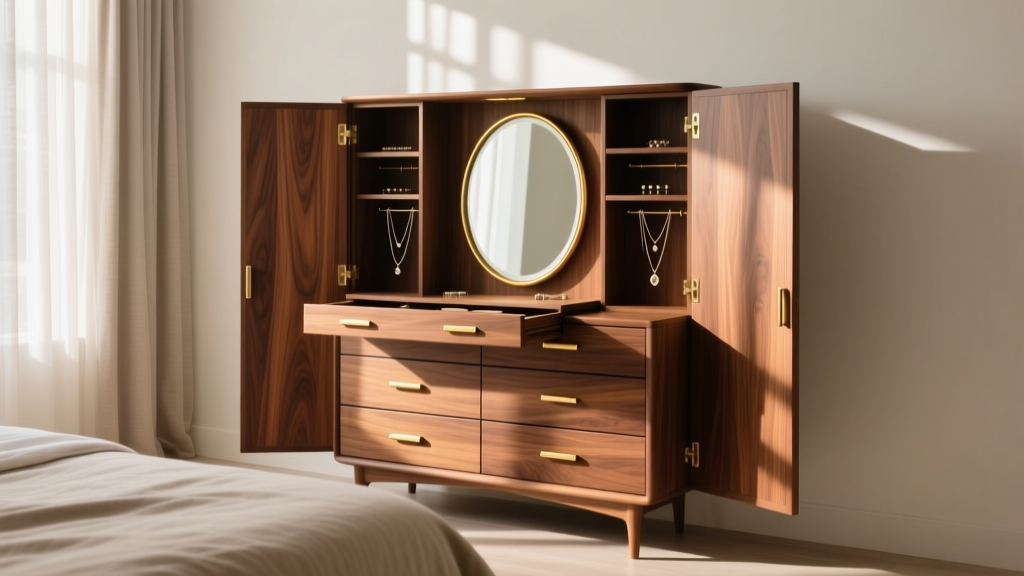
- Upright Armoires (20+ inches tall): Essential for necklace lovers. Armoires feature side-swinging doors with elastic loops or brass hooks. Ensure the drop height between hooks is at least 8 inches to prevent long chains and lariats from tangling or overlapping.
- Travel Cases (Leather or Wood-bound): Designed for portability, these should feature snap-secure closures (rather than just zippers) and a rigid internal frame to protect delicate gemstones from being crushed in a suitcase.
Pricing Tiers and Sourcing Authentication
The secondary market for Reed & Barton boxes is robust, but pricing varies wildly based on condition, size, and the inclusion of original keys. According to antique silver and home decor trackers like Replacements.com, here is what you should expect to pay in the current market:
- $40 – $120 (Entry Tier): Small travel cases, basic veneer boxes with noticeable cosmetic wear, or pieces missing their keys and anti-tarnish linings.
- $150 – $350 (Mid Tier): Large flat chests in excellent condition, featuring intact book-matched veneers, working locks, and clean, odor-free interiors.
- $400 – $1,200+ (Heirloom Tier): Full-size standing armoires, pristine crotch mahogany executive chests, and limited-edition silver-inlaid collector pieces with original documentation.
When sourcing from platforms like eBay or Etsy, always request high-resolution photos of the maker's mark (usually a stamped hallmark on a brass plate or a branded foil sticker on the bottom). Be wary of sellers who describe a box as 'Reed & Barton style'—this is a common tactic to pass off generic imported boxes as authentic.
Maintenance and Upgrading Anti-Tarnish Linings
Even if you purchase a vintage box in mint condition, the original anti-tarnish lining may have exhausted its chemical efficacy after a decade or two. To ensure your sterling silver and white gold pieces remain untarnished, consider upgrading the interior.
Many collectors and silversmiths recommend sourcing custom-cut Pacific Silvercloth to re-line the drawers and ring rolls. This specialized fabric is embedded with thousands of microscopic silver particles that capture tarnish-causing gases before they reach your jewelry. Pair this with a few silica gel desiccant packets hidden in the bottom well to control ambient humidity, and your vintage Reed & Barton chest will function as a true preservation vault for generations to come.


