Harry Potter Jewelry Holder: Troubleshooting Common Flaws
Is your Harry Potter jewelry holder tarnishing silver or tangling chains? Discover expert troubleshooting tips, DIY fixes, and anti-tarnish hacks.

The Dark Arts of Cheap Themed Storage: Identifying the Problems
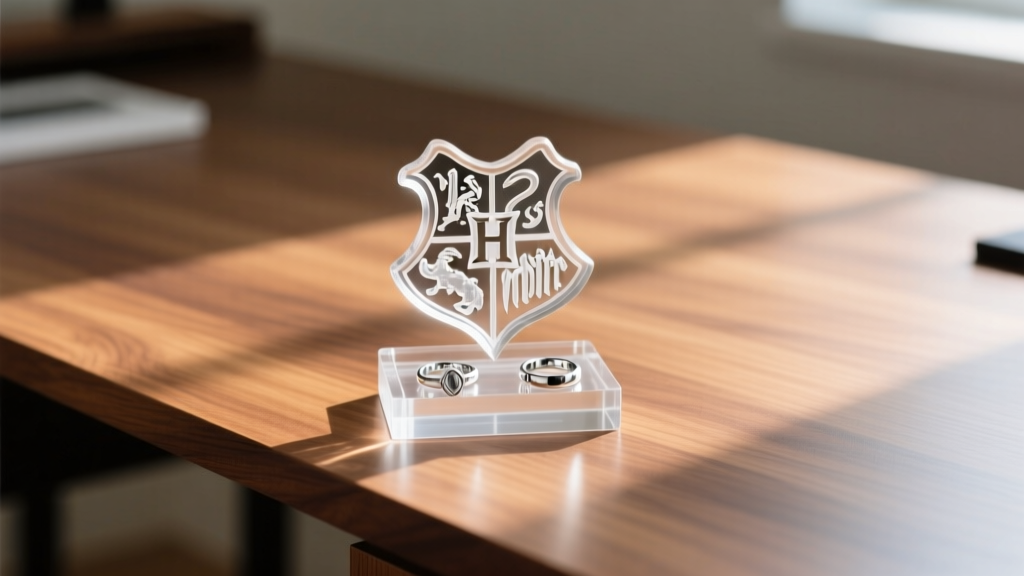
The market for wizarding world merchandise is vast, but when it comes to functional jewelry organization, aesthetics frequently override archival safety. If you have noticed your sterling silver rings turning black after sitting in a themed display, or your delicate chains hopelessly knotting around a wand-shaped hook, you are experiencing the inherent design flaws of mass-produced novelty storage. As a jewelry organization specialist, I frequently see collectors ruin expensive 0.925 sterling silver and 18k gold vermeil pieces by storing them in unsealed, chemically reactive environments.
The core issue lies in the manufacturing materials. Most budget-friendly themed organizers are cast from polyurethane resins or low-grade Zamak (a zinc alloy). These materials are often painted with sulfur-containing pigments and sealed with inadequate clear coats. When confined in a small space, these compounds off-gas, accelerating the oxidation process. Furthermore, the structural engineering of novelty shapes—like the narrow base of a Nimbus 2000 broomstick stand—creates a top-heavy center of gravity that guarantees tipping. Below, we will troubleshoot these specific failures and provide actionable, professional-grade solutions to save both your display and your precious metals.
Troubleshooting Tipping: Fixing the Wand and Broomstick Balance
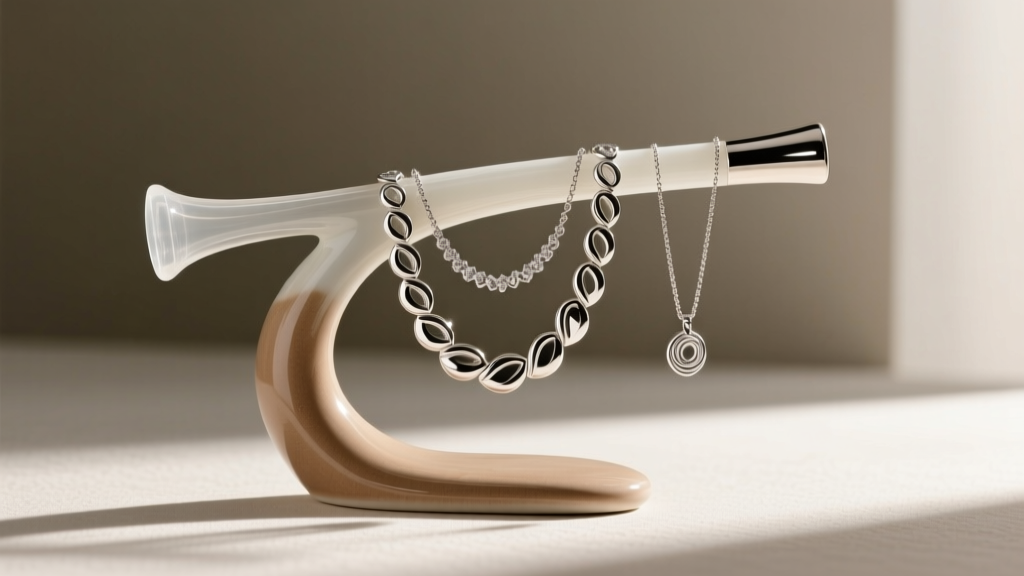
Wand-shaped and broomstick-shaped necklace trees are incredibly popular, but their narrow footprints make them structurally unsound for holding heavy jewelry. A standard silver chain with a moderate pendant can weigh between 15 and 30 grams. When hung on the uppermost prong of a 10-inch tall resin wand holder, the leverage creates a torque that easily overcomes the lightweight base, sending your jewelry crashing onto hard surfaces.
The Museum Wax Solution
Do not rely on double-sided tape, which degrades over time and leaves a gummy residue on your furniture. Instead, use Quakehold Museum Wax. This microcrystalline wax is used by the Smithsonian Museum Conservation Institute to secure artifacts during earthquakes.
- Step 1: Clean the bottom of your holder and the surface of your dresser with isopropyl alcohol to remove dust and oils.
- Step 2: Roll four small balls of museum wax (about the size of a grain of rice) and place them near the outer edges of the holder's base.
- Step 3: Press the holder firmly onto the wood surface. The wax will grip the wood without damaging the finish, increasing the tipping threshold by over 400%.
Stopping the Tarnish Curse: Material Hacks for Resin and Alloy Holders
Tarnish is not a sign of poor silver quality; it is a chemical reaction. According to the Gemological Institute of America (GIA), silver sulfide forms when silver is exposed to sulfur compounds in the air. The paints and cheap lacquers used on mass-produced themed holders are notorious for trapping and emitting these compounds. If your holder smells faintly like chemicals or old plastic, it is actively tarnishing your jewelry.
| Holder Material | Tarnish Risk Level | Primary Failure Mode | Expert Mitigation Strategy |
|---|---|---|---|
| Unsealed Polyurethane Resin | High | Chemical off-gassing of sulfur and plasticizers. | Line contact points with archival-grade felt; use 3M anti-tarnish strips. |
| Zamak (Zinc Alloy) | Medium | Acidic surface oxidation transferring to silver. | Apply a thin coat of clear, non-yellowing polyurethane spray to seal the metal. |
| MDF Wood (Painted) | Medium-High | Formaldehyde and sulfur in cheap acrylic paints. | Seal with water-based acrylic varnish; store with activated charcoal sachets. |
| Glazed Ceramic | Low | Physical scratching from unglazed bottom rims. | Apply adhesive cork pads to the base; generally safe for all metals. |
Implementing Anti-Tarnish Micro-Environments
If you refuse to give up your favorite Hogwarts house crest organizer, you must create a micro-environment. Purchase 3M Anti-Tarnish Strips and cut them into one-inch squares. Using a tiny dot of glue, affix one square to the underside of the holder's base or the back of the main display trunk. These strips absorb airborne sulfides before they can reach your silver. Replace the strips every six months for optimal protection.
Untangling the Time-Turner: Necklace Hook Modifications
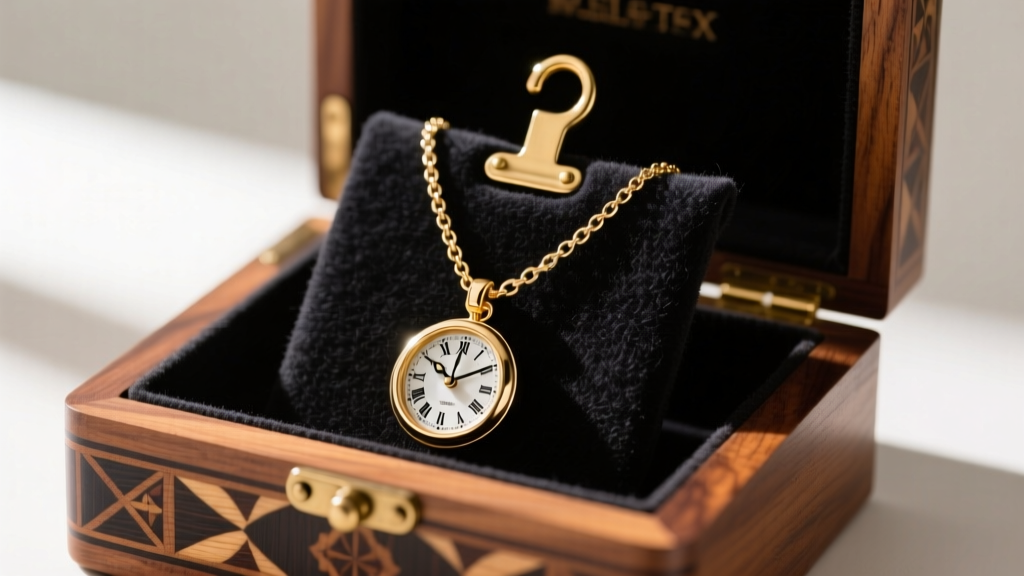
Themed jewelry trees often feature hooks cast directly from the main mold. These hooks are usually thick, blunt, and poorly polished, leaving behind microscopic burrs of resin or metal. When you try to remove a delicate 1.2mm cable chain, these burrs catch the links, causing severe tangling and even snapping the chain's solder points.
The Heat-Shrink Tubing Hack
Rather than aggressively sanding the hooks and ruining the themed paint job, use electrical heat-shrink tubing to create a smooth, protective barrier.
- Buy a pack of 3mm or 4mm clear or black polyolefin heat-shrink tubing (available at any hardware store).
- Cut the tubing into 1.5-inch lengths.
- Slide the tubing over the problematic blunt hooks on your jewelry tree.
- Use a hair dryer on high heat (or carefully use a heat gun on a low setting) to shrink the tubing tightly around the hook.
This creates a perfectly smooth, frictionless surface that allows fine chains to slide off effortlessly while hiding the jagged manufacturing defects underneath.
Restoring Faded Paint and Chipped Finishes on Themed Displays
Over time, the metallic gold and silver paints used to accentuate the crests, snitches, and deathly hallows symbols on these holders begin to flake. This is usually due to poor surface preparation at the factory—paint was applied directly over mold release agents without a primer. Not only does this look unsightly, but the flaking paint chips can become lodged in the clasps and crevices of your jewelry.
To troubleshoot this, gently remove any loose flakes using a soft-bristled makeup brush. Do not use water or solvents, as they will lift more paint. Once the surface is clean, use a fine-tipped acrylic paint pen (such as Posca) in a matching metallic shade to carefully touch up the crests. Once the acrylic paint is fully cured (24 hours), seal the entire display with a light misting of Krylon Matte Finish spray. This locks the paint in place and creates a physical barrier between the jewelry and the underlying reactive materials.
When to Upgrade: Spotting Irreparable Storage Flaws
While DIY modifications can solve 90% of the issues associated with novelty jewelry holders, some designs are fundamentally unsalvageable. If your holder features enclosed, unlined wooden drawers made of raw particleboard, no amount of anti-tarnish strips will save your silver from the acidic off-gassing of the wood glue and formaldehyde. In these cases, the best troubleshooting step is repurposing the item as a decorative figurine and moving your valuable jewelry into a proper, acid-free, tarnish-resistant storage solution.
Archival Expert Tip: Never store pearls or opals in enclosed, modified plastic or resin displays. These organic and hydrated gemstones require a stable humidity level and will crack or craze if trapped in a sealed, off-gassing plastic environment. Keep them in breathable, untreated cotton pouches instead.
By understanding the material science behind your favorite themed accessories, you can successfully bridge the gap between fandom aesthetics and professional-grade jewelry care. With a few dollars in museum wax, anti-tarnish strips, and heat-shrink tubing, your collection can safely reside in the wizarding world without falling victim to the dark arts of cheap manufacturing.


