Troubleshooting Your Vera Bradley Jewelry Case: 5 Common Fixes
Is your Vera Bradley jewelry case tarnishing silver or breaking? Learn expert troubleshooting hacks to fix elastic loops, zippers, and oxidation.

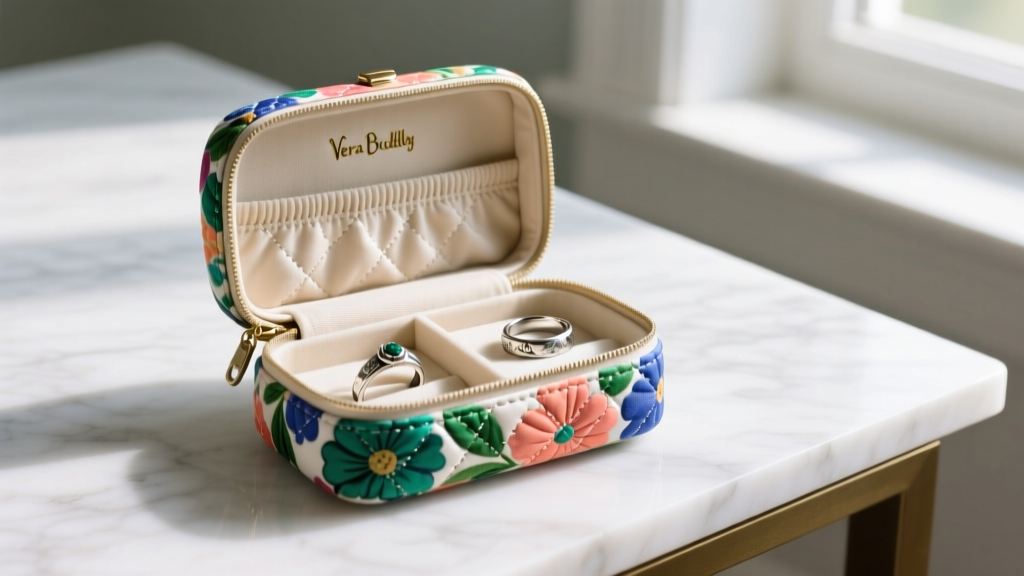
Vera Bradley jewelry cases are iconic for their vibrant, quilted cotton patterns and travel-friendly footprints. However, from a strict preservation and material science standpoint, their plush interiors lack the chemical inertness required for fine jewelry storage. As of 2026, many collectors and daily wearers are finding that their beloved organizers are inadvertently causing accelerated tarnishing, elastic degradation, and hardware snags. If your favorite travel companion is damaging your accessories, it is time to intervene. This guide dives deep into the specific failure modes of fabric-based jewelry organizers and provides actionable, expert-level troubleshooting solutions to restore and upgrade your case.
The Reality of Fabric Jewelry Organizers
While quilted cotton and polyester batting provide excellent physical cushioning against impact, they are highly porous. These materials trap ambient moisture, skin oils, and airborne pollutants. Unlike purpose-built anti-tarnish storage lined with Pacific Silvercloth or treated polyethylene, standard fabric organizers create a microenvironment that can actually accelerate chemical reactions on metal surfaces. Understanding these material limitations is the first step toward effective troubleshooting.
Problem 1: Accelerated Silver Tarnishing
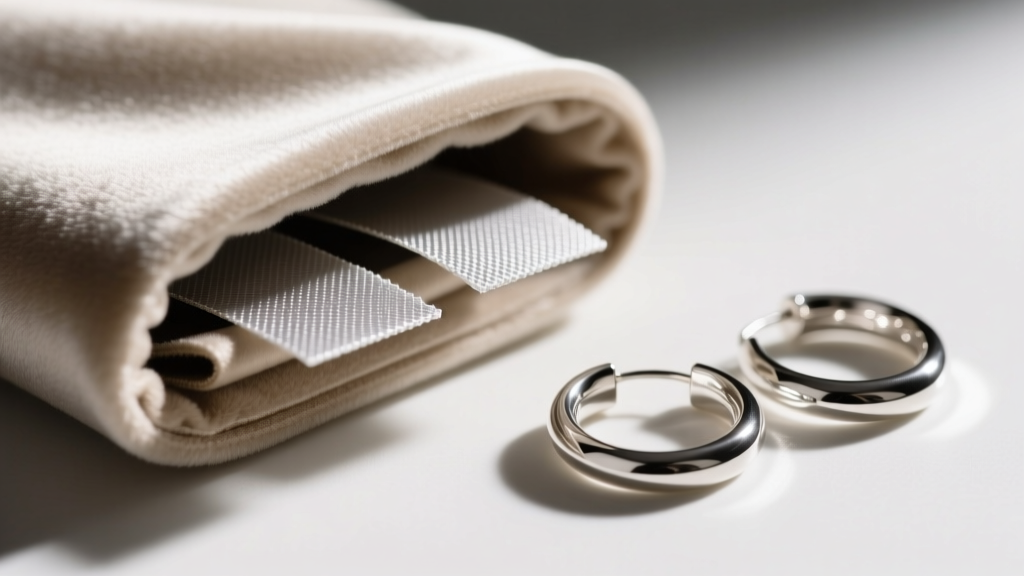
Sterling silver is an alloy composed of 92.5% silver and 7.5% copper. It is the copper that reacts with hydrogen sulfide and moisture in the air to form silver sulfide—the black tarnish layer. According to the Gemological Institute of America (GIA), high humidity and porous materials drastically speed up this oxidation process. The thick cotton batting in your Vera Bradley case absorbs and holds ambient humidity, creating a damp microclimate against your silver pieces.
The Fix: Chemical Interception and Moisture Control
- 3M Anti-Tarnish Strips: These strips contain specially treated particles that absorb hydrogen sulfide gas before it reaches your jewelry. Tuck two strips into the main zippered compartment and one in the snap-strap area. Replace them every six months.
- Silica Gel Packets: To combat the moisture trapped in the quilted lining, place 5-gram indicating silica gel packets (the kind that change color when saturated) in the side mesh pockets. Keep the relative humidity inside the case below 45%.
- Chalk or Activated Charcoal: In a pinch, a small breathable muslin bag filled with activated charcoal can act as a desiccant and odor absorber, pulling volatile sulfur compounds away from the cotton fibers.
Problem 2: Stretched or Snapped Elastic Ring Loops
The elastic bands used for securing rings and stud earrings are typically made from standard polyurethane elastomers. Over time, exposure to UV light, temperature fluctuations, and the natural oils from your hands causes the polymer chains to break down—a process known as hydrolysis. The elastic loses its memory, becoming brittle or permanently stretched out, failing to hold heavier gold or platinum bands securely.
Material Comparison for Loop Replacement
If you are handy with a needle and thread, or simply want to know what to look for in a custom modification, here is how replacement materials compare:
| Material | Durability | Pros | Cons |
|---|---|---|---|
| Polyurethane Elastic | Low (1-2 Years) | Cheap, widely available, easy to sew. | Degrades with skin oils and UV exposure. |
| Platinum-Cured Silicone | High (10+ Years) | Inert, hypoallergenic, retains Shore A 30 hardness. | Difficult to sew; requires specialized adhesives. |
| Velvet Ribbon Ties | Medium (3-5 Years) | Prevents metal scratching, elegant aesthetic. | Requires manual tying, slower access. |
Expert Hack: If you do not want to sew, slide small pieces of Shore A 30 silicone tubing (available at hobby shops) over the existing stretched elastic loops. The high-friction silicone will grip the metal rings and prevent them from sliding off the degraded elastic underneath.
Problem 3: Zipper Snagging and Fabric Catching
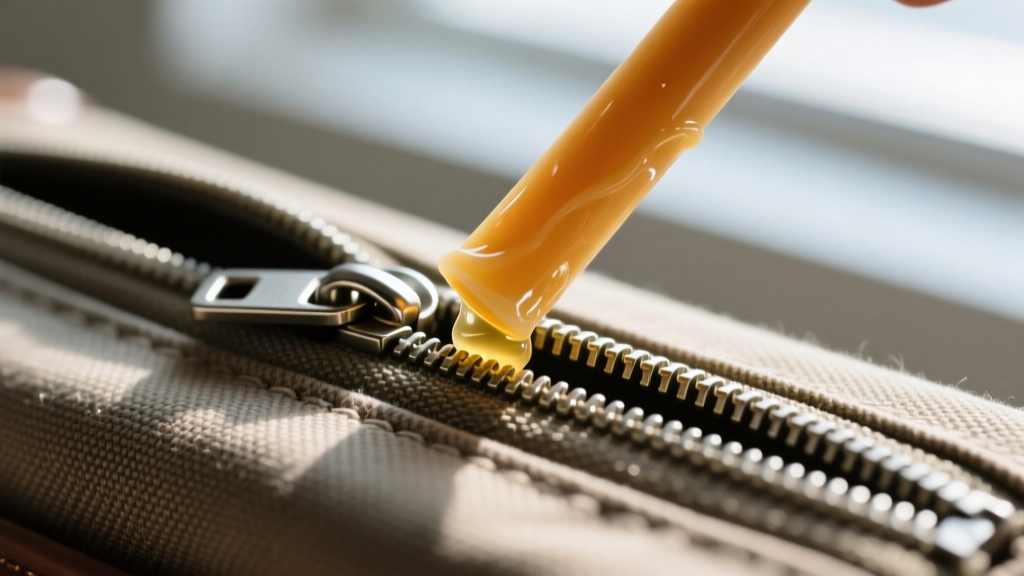
The standard coil zippers used in these cases frequently catch the quilted cotton binding or the plush interior lining. Repeated snagging not only frustrates the user but also frays the cotton threads, eventually leading to zipper track separation or broken slider teeth. The American Gem Society notes that physical damage to storage can compromise the security of your valuables, making zipper maintenance a critical safety issue.
The Fix: Track Lubrication and Binding Management
Do not use petroleum-based lubricants like Vaseline, as they will stain the cotton fabric and attract dust. Instead, use a 100% pure beeswax stick or a specialized dry zipper lubricant. Run the wax lightly along the top and bottom teeth of the zipper track. Work the slider back and forth three times to distribute the wax evenly. To prevent the plush lining from getting caught, use your thumb to push the interior fabric down and away from the track while pulling the slider closed.
Problem 4: Necklace Tangling on the Snap Strap
The single snap-down strap designed for necklaces is a notorious tangling hazard. When multiple chains are laid flat and strapped down, the torsion and friction during travel cause the links to weave together, resulting in stubborn knots. Fine cable chains and delicate box chains are particularly susceptible to this mechanical binding.
The Fix: Thermal and Physical Separation
- Heat-Shrink Tubing: Thread the clasp and chain through a piece of clear, 3mm heat-shrink tubing before snapping the strap over it. The rigid tubing prevents the chain from folding back on itself.
- Plastic Straw Method: For a quick travel hack, thread one end of the necklace through a cut-to-size plastic cocktail straw and clasp it. The straw acts as a rigid splint, making tangling physically impossible.
- Velcro Cable Ties: Secure the chain in a figure-eight pattern using soft velcro cable ties before placing it under the snap strap to distribute the tension evenly.
Problem 5: Yellowing PVC Windows and Fading Patterns
Many Vera Bradley cases feature a clear PVC (polyvinyl chloride) window on the exterior or interior. Over time, the plasticizers used to keep the PVC flexible migrate to the surface and react with UV light and oxygen, causing the window to turn a cloudy, brittle yellow. Additionally, the vibrant dyes used on the quilted cotton are susceptible to photodegradation when left in direct sunlight.
The Fix: UV Mitigation and Storage Protocols
While you cannot reverse the chemical yellowing of degraded PVC, you can halt the progression. Store the case in a dark, climate-controlled drawer rather than leaving it on a sunlit vanity. If the PVC has become brittle and is cracking, carefully apply a flexible, clear fabric glue to the edges to prevent the plastic from flaking onto your jewelry. For fading patterns, rotate the case's position in your luggage or drawer to ensure even, minimal light exposure.
Summary Checklist for Long-Term Care
Transforming your fabric organizer into a safe, functional vault requires a proactive approach. Follow this bi-annual maintenance checklist to ensure your case continues to protect your collection:
- January & July: Replace 3M anti-tarnish strips and recharge silica gel packets in the microwave or oven according to manufacturer instructions.
- Quarterly: Lubricate the zipper tracks with beeswax and inspect the cotton binding for fraying.
- As Needed: Wipe down the interior plush lining with a slightly damp microfiber cloth and mild, unscented castile soap to remove transferred skin oils and cosmetics. Allow to air dry completely before replacing jewelry.
By understanding the material science behind your storage solutions, you can easily troubleshoot and overcome the inherent flaws of fabric-based organizers, ensuring your jewelry remains pristine and secure for years to come.


