The Frozen Jewelry Box Myth: A Beginner Storage Guide
Discover why the viral frozen jewelry box trend damages gems, and learn the science-backed, beginner-friendly anti-tarnish storage methods.

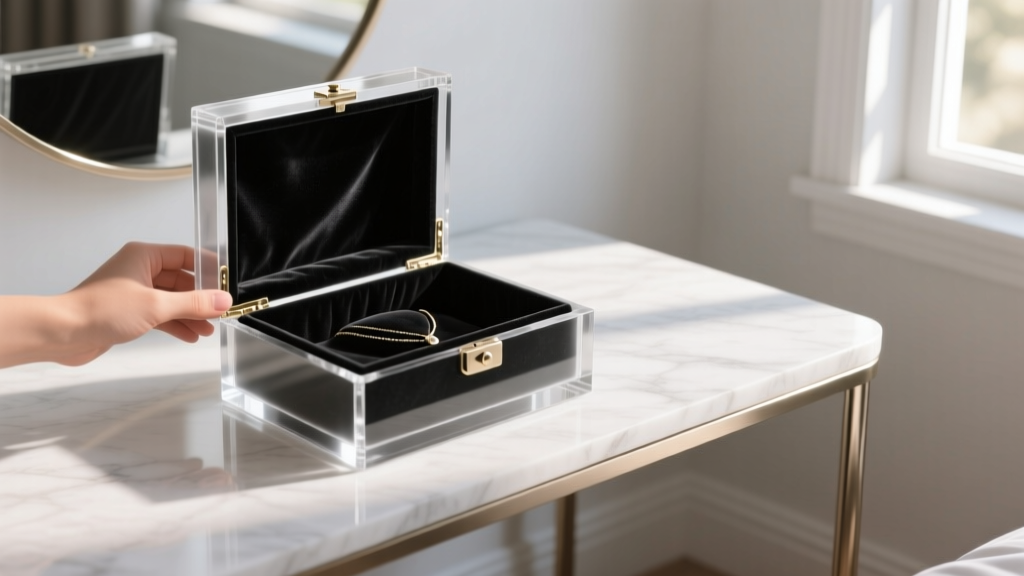
The Viral 'Frozen Jewelry Box' Trend Explained
If you have spent any time on social media looking for jewelry care hacks, you have likely encountered the controversial 'frozen jewelry box' trend. The premise seems logical to beginners: tarnish is a chemical reaction, and cold temperatures slow down chemical reactions. Therefore, storing your silver rings, gold chains, and delicate gemstones in the freezer should theoretically 'freeze' them in time, preventing oxidation and keeping them sparkling forever.
As a beginner-friendly explainer, we are here to stop you before you ruin your favorite pieces. While the intention behind the frozen jewelry box is rooted in a basic misunderstanding of chemistry, the execution is a recipe for disaster. Tarnish on sterling silver is primarily caused by hydrogen sulfide in the air reacting with the copper alloyed in the silver. While extreme cold does slow molecular movement, the freezer environment introduces two massive threats: uncontrolled humidity and thermal shock. When you remove a freezing cold jewelry box into a warm, humid bedroom, condensation instantly forms on the metal and inside the microscopic fissures of your gemstones. This micro-moisture accelerates corrosion and causes catastrophic gemstone fracturing.
The Science of Thermal Shock: Why Freezers Destroy Gems
Metals are not the only victims of the frozen jewelry box myth; gemstones bear the brunt of the damage. Different gems possess unique physical structures, inclusions, and water content that make them highly sensitive to rapid temperature fluctuations.
Take opals, for example. According to the Gemological Institute of America (GIA), opals contain anywhere from 5% to 20% water within their silica structure. When placed in a sub-zero freezer, this trapped water can freeze and expand, leading to a phenomenon known as 'crazing'—a network of microscopic cracks that permanently clouds the stone and destroys its structural integrity. Similarly, emeralds are almost always fracture-filled with cedar oil or synthetic resins to improve their clarity. Extreme cold causes these oils to congeal and contract, which can draw air into the fissures and make the natural inclusions highly visible, effectively downgrading the visual quality of your gemstone.
Organic gems like pearls are equally vulnerable. Pearls require a certain level of ambient moisture to maintain the flexibility of their conchiolin protein core. A freezing, dry environment dehydrates the nacre layers, leading to peeling, chalking, and irreversible surface cracking.
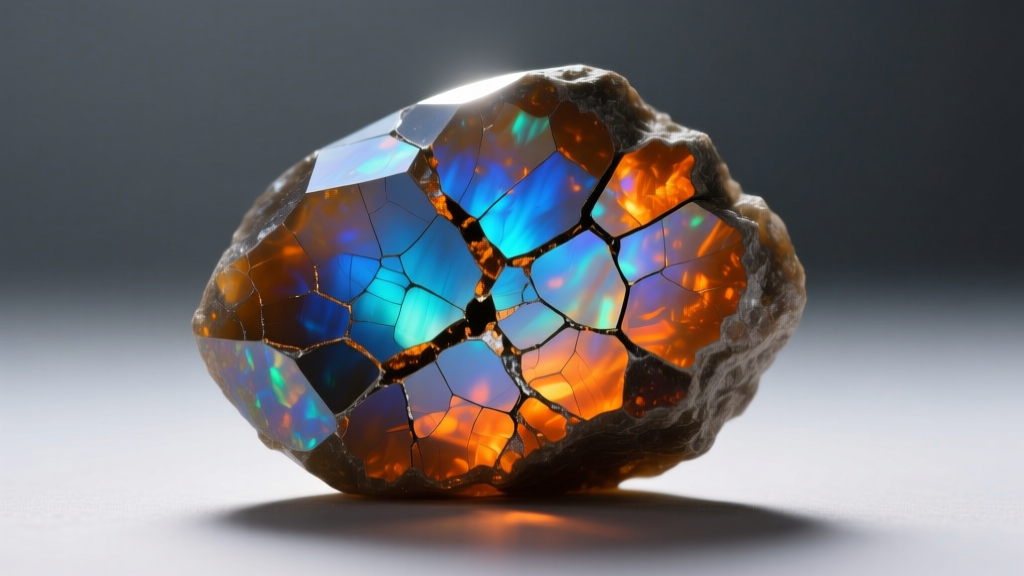
Gemstone Vulnerability Chart: Temperature and Humidity
To help beginners understand why a climate-controlled, room-temperature environment is vastly superior to a literal frozen jewelry box, review the sensitivity chart below. This data highlights the ideal storage parameters for common jewelry materials.
| Material | Ideal Temp (°F) | Ideal RH (%) | Primary Freezer Risk |
|---|---|---|---|
| Sterling Silver | 65°F - 70°F | 35% - 45% | Condensation-induced micro-rust and accelerated copper oxidation |
| Opal (Solid) | 65°F - 75°F | 40% - 50% | Water expansion causing severe crazing and structural crumbling |
| Emerald | 65°F - 70°F | 30% - 40% | Congealing of fracture-filling oils, highlighting inclusions |
| Pearls (Organic) | 60°F - 70°F | 45% - 55% | Dehydration of nacre layers leading to peeling and cracking |
| 14K/18K Gold | 65°F - 75°F | Under 50% | Low risk to metal, but severe risk to soldered joints and prongs |
How to Actually 'Freeze' Tarnish in Its Tracks
If the literal freezer is out of the question, how do you achieve the 'frozen-in-time' preservation you originally wanted? The secret lies in creating a localized, stable microclimate. By controlling the atmosphere inside a dedicated jewelry box, you can effectively halt the chemical reactions that cause tarnish and degradation without exposing your pieces to destructive cold.
1. The Airtight O-Ring Acrylic Vault
The first step in professional-grade jewelry storage is eliminating airflow. Standard wooden or fabric-lined jewelry boxes are porous and allow hydrogen sulfide gas to circulate freely. Instead, beginners should invest in an acrylic jewelry vault featuring a silicone O-ring gasket and a clamp-down latch. These containers create an airtight seal, drastically reducing the volume of reactive air surrounding your silver and copper alloys. Brands like Stackers or customized acrylic display cases from museum-supply vendors offer these airtight seals for under $50.
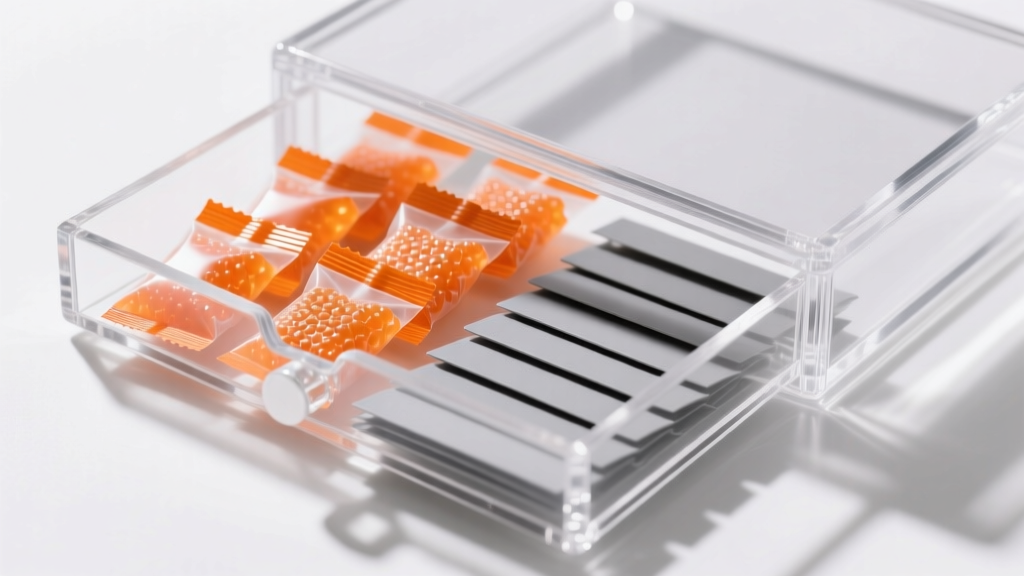
2. 3M Pacific Silvercloth and Anti-Tarnish Strips
Once the air is sealed out, you must neutralize the remaining gases. 3M Anti-Tarnish strips are a beginner's best friend. These small, inexpensive paper strips contain copper-based compounds that act as a sacrificial anode, absorbing hydrogen sulfide and sulfur dioxide before they can reach your sterling silver. For a more robust solution, line your airtight vault with Pacific Silvercloth. This specialized fabric is embedded with microscopic silver particles. The particles in the cloth tarnish first, effectively 'freezing' the tarnish process on your actual jewelry for up to 30 years.
3. Indicating Silica Gel (The Right Way)
Moisture is the catalyst for almost all jewelry degradation. However, do not just throw in random silica packets from shoe boxes, as their absorption capacity is unknown and likely exhausted. Purchase 'indicating silica gel' beads, which change color (usually from orange to green, or blue to pink) when they reach their moisture absorption limit. This visual cue tells you exactly when to recharge the beads in the oven, ensuring your jewelry box maintains the critical sub-45% relative humidity (RH) required to keep metals pristine. The Smithsonian Institution heavily emphasizes strict humidity control in their silver preservation guidelines, noting that keeping RH below 45% virtually halts silver sulfide formation.
Building Your Beginner-Friendly Climate-Controlled Setup
Ready to build your own 'frozen-in-time' jewelry storage system? Follow this exact, budget-friendly framework to protect your collection:
- Step 1: Purchase a clear acrylic storage box with a rubber O-ring seal and a secure latch (Budget: $25 - $40).
- Step 2: Line the bottom with a sheet of 3M Pacific Silvercloth or place two 3M anti-tarnish strips in opposite corners (Budget: $10 - $15).
- Step 3: Add a small, battery-operated digital hygrometer to monitor the internal RH percentage (Budget: $10).
- Step 4: Place a breathable cotton pouch filled with 40 grams of indicating silica gel inside the box (Budget: $8).
- Step 5: Store the box in a dark, interior closet away from direct sunlight, radiators, or exterior walls to maintain a stable ambient temperature of 68°F.
- Crucial Pre-Storage Step: Never seal away unworn jewelry without a gentle wipe. Skin oils, lotions, and acidic sweat will become trapped in your airtight vault, creating a localized corrosive environment. Use a soft, lint-free microfiber cloth to gently buff each piece before placing it into your climate-controlled setup.
Final Verdict: Skip the Freezer, Invest in Chemistry
The frozen jewelry box trend is a prime example of a well-intentioned but scientifically flawed internet hack. While the desire to protect your precious metals and delicate gemstones from environmental damage is entirely valid, subjecting them to sub-zero temperatures and uncontrolled condensation will cause irreversible harm. By pivoting from the freezer to an airtight, chemically neutralized microclimate, you achieve the exact preservation results you were looking for. Your jewelry will remain bright, structurally sound, and truly 'frozen' in time, ready to be worn whenever you are.


