Godinger Jewelry Box Materials: Silver, Crystal & Wood Compared
We analyze the material properties of a Godinger jewelry box, comparing its silver plating, lead-free crystal, and linings against solid wood.

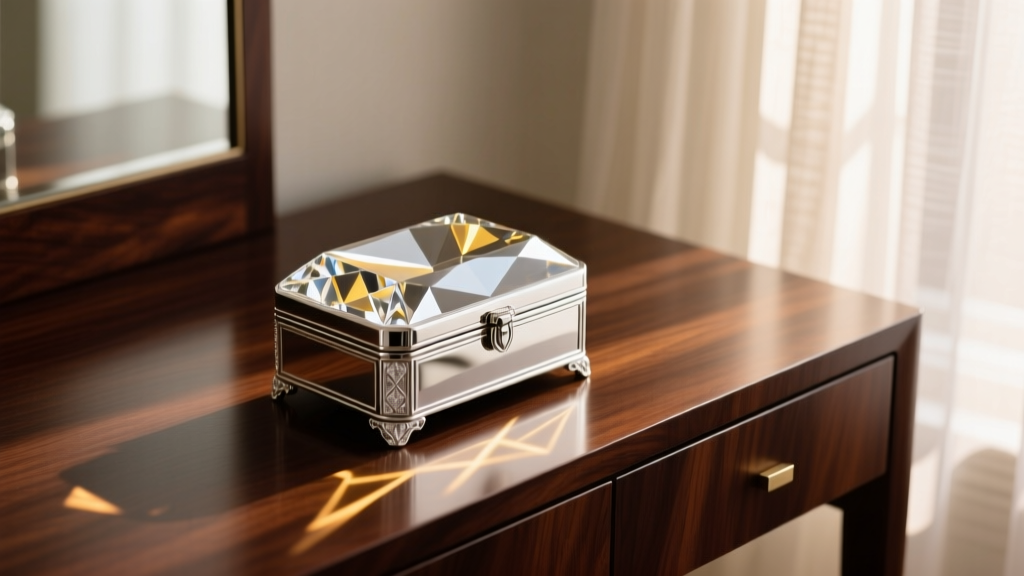
The Anatomy of a Godinger Jewelry Box
When collectors and jewelry enthusiasts search for elegant storage, the Godinger jewelry box frequently emerges as a top contender. Known for their ornate designs and heirloom aesthetic, these boxes are not made from a single homogeneous material. Instead, they are complex assemblies of silver-plated base metals, faceted crystal, and specialized interior linings. To truly understand the value, longevity, and protective qualities of these organizers, we must look past the surface and analyze the material science that dictates their performance.
Unlike solid walnut jewelry chests or injection-molded acrylic travel cases, a silver-and-crystal box presents unique chemical and physical properties. In this comprehensive material comparison, we will break down the exact metallurgical standards, crystal composition, and textile linings used in premium silver-plated boxes, contrasting them against other common storage materials on the market.
Silver Plating vs. Solid Sterling: Metallurgical Realities
The most striking feature of a classic Godinger piece is its brilliant silver finish. However, it is crucial to understand that these boxes are rarely crafted from solid sterling silver (92.5% pure silver). Instead, they utilize advanced electroplating techniques over a structural base metal.
The Electroplating Process and Base Metals
Historically, silver-plated items used EPNS (Electroplated Nickel Silver) as a base. Modern iterations, including contemporary luxury boxes, typically use a high-density brass or zinc-aluminum alloy core. This provides the necessary weight and structural rigidity that pure silver—which is relatively soft and prone to denting—cannot achieve on its own.
The silver layer itself is applied via electrolysis. According to standards monitored by organizations like the UK Assay Office, decorative silver plating usually ranges from 2 to 5 microns in thickness. While this is sufficient to provide the exact optical reflectivity and antimicrobial properties of pure silver, it introduces specific maintenance requirements.

The Chemistry of Tarnish
Silver does not rust; it tarnishes. The dark layer that forms on silver-plated boxes is silver sulfide (Ag2S). This occurs when the silver surface reacts with hydrogen sulfide (H2S) present in ambient air, a process accelerated by high humidity and airborne pollutants. Because the plating is only microns thick, aggressive polishing is the primary failure mode for these boxes. Using abrasive liquid dips or stiff-bristled brushes will strip the 5-micron silver layer, exposing the brass or zinc base metal beneath, which will then oxidize into a dull, irreversible gray-green patina.
Crystal and Glass Elements: Refractive Index and Hardness
The lids and decorative inlays of premium jewelry boxes often feature faceted crystal. Understanding the difference between traditional lead crystal and modern lead-free alternatives is vital for both safety and durability.
Lead-Free Crystal Composition
Historically, crystal contained up to 24% lead oxide (PbO) to increase its refractive index and make it softer for intricate cutting. Today, due to strict environmental and health regulations, brands utilize lead-free crystal. This is achieved by substituting lead with barium oxide (BaO), zinc oxide (ZnO), or potassium oxide (K2O). As noted by the Gemological Institute of America (GIA), these substitutions maintain a high refractive index (typically around 1.52 to 1.54) and high dispersion, ensuring the signature "sparkle" without the toxicity risks associated with lead leaching.
Physical Durability and Mohs Hardness
Crystal and glass sit at approximately 5.5 to 6 on the Mohs hardness scale. This makes them highly resistant to scratching from everyday dust (which contains quartz particles at a 7), but they remain vulnerable to chipping if struck against harder materials like tungsten carbide rings or sapphire jewelry. Furthermore, the joints where the crystal meets the silver-plated frame are typically secured with UV-curing optical resins rather than mechanical prongs, meaning exposure to harsh solvents like acetone or ammonia can degrade the adhesive bond over time.
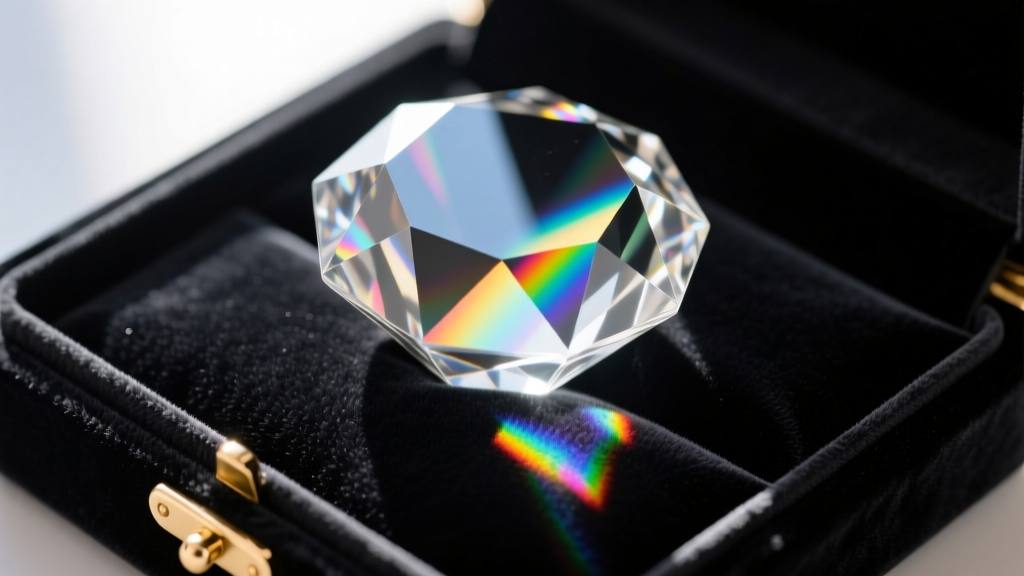
Interior Linings: The Anti-Tarnish First Line of Defense
The interior environment of a jewelry box is a microclimate. The materials used for lining play a direct role in the chemical preservation of the jewelry stored within.
- Acid-Free Velvet: Premium boxes use a poly-blend velvet that is certified acid-free and sulfur-free. Standard cotton or dyed fabrics often contain sulfur-based dyes and sizing agents that off-gas hydrogen sulfide, actively accelerating the tarnishing of silver and copper jewelry stored inside.
- Pacific Cloth Integration: Some high-end organizers incorporate treated flannel (often known as Pacific cloth) beneath the velvet layer. This cloth is impregnated with fine zinc or silver particles that act as a sacrificial anode, attracting sulfur compounds away from your jewelry.
- Polyurethane Foam Padding: The cushioning beneath the velvet is usually a closed-cell polyurethane foam. Open-cell foams can trap ambient moisture, creating a humid micro-environment that promotes oxidation. Closed-cell foams resist moisture absorption, maintaining a stable relative humidity (RH) inside the box.
Material Comparison Matrix
How does the multi-material construction of a silver-and-crystal box compare to other popular jewelry storage materials? The table below outlines the physical and chemical properties of each.
| Material Type | Tarnish Resistance | Impact Durability | Moisture Regulation | Ideal Use Case |
|---|---|---|---|---|
| Silver-Plate & Crystal | Moderate (Requires anti-tarnish strips) | Low (Crystal can chip) | Poor (Metal conducts temp) | Display and daily-wear silver/gold |
| Solid Walnut / Mahogany | High (If lined properly) | High (Dent resistant) | Excellent (Buffers humidity) | Heirloom storage and pearls |
| Cast Acrylic | Excellent (Inert) | Moderate (Scratches easily) | Poor (Traps condensation) | Modern display and travel |
| Top-Grain Leather | Low (Tanning chemicals off-gas) | High (Flexible) | Moderate | Travel rolls and watch cuffs |
As highlighted by the Canadian Conservation Institute, no single material is perfect for all jewelry types. While solid wood excels at buffering humidity changes—making it ideal for organic gems like pearls and opals—silver-plated boxes offer unmatched aesthetic display value and antimicrobial surface properties for everyday metallic jewelry.
Failure Modes and Troubleshooting
Owning a silver-plated and crystal jewelry organizer requires an understanding of its specific failure modes. Here is how to troubleshoot common issues:
1. Crystal Clouding (Etching)
The Problem: The crystal lid develops a permanent, milky-white haze. This is not dirt; it is chemical etching caused by cleaning the glass with alkaline solutions or hard water.
The Fix: Prevention is the only true cure for etching. Clean crystal lids only with a 50/50 mixture of distilled water and isopropyl alcohol, applied with a microfiber cloth. Never use ammonia-based glass cleaners on lead-free barium crystal.
2. Hinge Misalignment and Binding
The Problem: The lid no longer closes flush, putting stress on the crystal-to-metal adhesive joints.
The Fix: Hinges on decorative boxes are often made of softer brass alloys. If the lid sags, do not force it. Use a pair of nylon-jaw pliers to gently bend the hinge knuckles back into alignment. Apply a microscopic drop of synthetic watch oil to the hinge pin; avoid WD-40, as its solvents can dissolve the adhesive securing the interior velvet lining.
3. Micro-Pitting on Silver Plating
The Problem: Tiny black dots appear on the silver surface that cannot be polished away.
The Fix: This is micro-pitting, caused by prolonged exposure to high-sulfur environments (like storing the box near a bathroom or kitchen). Once the silver sulfide penetrates the microscopic pores of the plating, it cannot be removed without stripping the plate. Store the box in a bedroom with a stable climate, and place 3M anti-tarnish tabs inside the compartments to scavenge ambient sulfur.
Final Verdict on Material Suitability
A silver-plated and crystal jewelry box is ultimately a marriage of decorative art and functional storage. From a purely material science perspective, it is not the most indestructible or chemically inert option available—that title belongs to medical-grade stainless steel or cast acrylic. However, the optical brilliance of barium-based lead-free crystal, combined with the antimicrobial and highly reflective properties of a 5-micron silver electroplate, creates an unmatched visual presentation. By understanding the chemical vulnerabilities of silver sulfide formation and the physical limits of crystal adhesives, collectors can maintain these pieces as functional heirlooms for decades.


