Hot Jewelry Box Ridgewood Review: Material & Tarnish Analysis
We analyze the Hot Jewelry Box Ridgewood edition, comparing its proprietary wood composite against MDF and solid walnut for humidity and tarnish control.

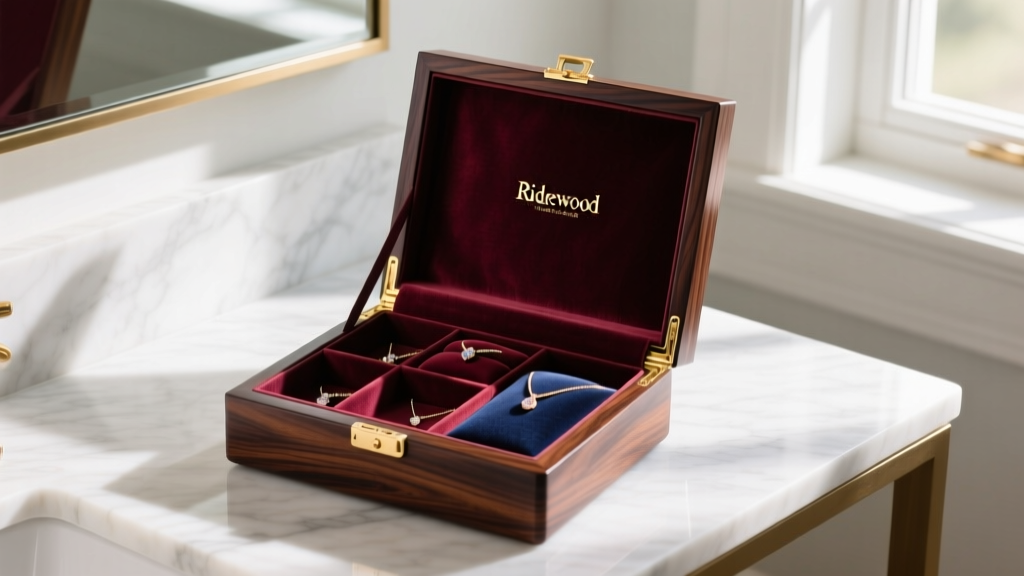
The Anatomy of the Hot Jewelry Box Ridgewood Edition
As we navigate the 2026 luxury organization market, the intersection of sustainable material science and heirloom-quality jewelry storage has never been more critical. At the forefront of this evolution is the Hot Jewelry Box Ridgewood edition, a storage solution that has rapidly gained traction among serious collectors and horology enthusiasts. But beyond its striking aesthetic, what exactly makes the 'Ridgewood' material so highly sought after? Unlike traditional jewelry boxes crafted from standard MDF (Medium-Density Fiberboard) or basic pine, the Ridgewood edition utilizes a proprietary engineered hardwood blend. This material is designed specifically to combat the two greatest enemies of fine jewelry: fluctuating humidity and sulfur-based off-gassing.
In this comprehensive material analysis, we will deconstruct the physical and chemical properties of the Ridgewood composite, comparing it directly against traditional solid woods and modern synthetics. Whether you are storing oxidizable silver, porous pearls, or high-karat gold, understanding the micro-environment of your jewelry box is essential for long-term preservation.
Material Breakdown: Ridgewood vs. Traditional Hardwoods
The term 'Ridgewood' in the context of the Hot Jewelry Box does not refer to a single botanical tree species. Instead, it is a proprietary compressed hardwood matrix—primarily utilizing sustainably harvested, kiln-dried Acacia and Eucalyptus fibers—bonded with zero-VOC (Volatile Organic Compound) bio-resins. This manufacturing process yields a material that mimics the density and tight pore structure of endangered slow-growth timbers like ebony or mahogany, without the ecological toll.
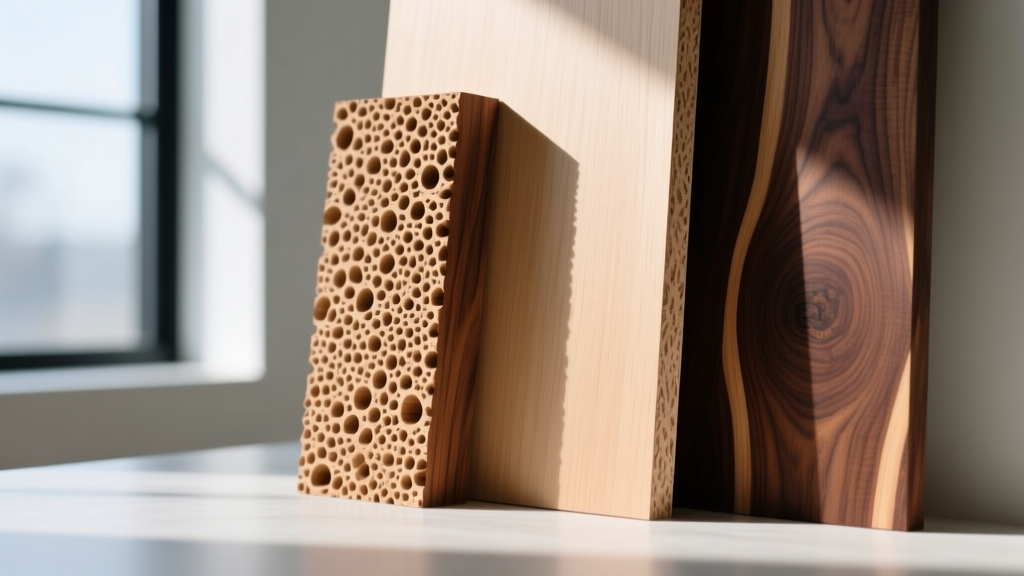
To understand why this matters for jewelry storage, we must look at the physical metrics that dictate how a wood behaves in a bedroom or dressing room environment. The Janka hardness scale measures the resistance of wood to denting and wear, while Equilibrium Moisture Content (EMC) dictates how much ambient humidity the wood will absorb and release.
| Material Type | Janka Hardness (lbf) | EMC Variance | VOC Off-Gassing | Tarnish Risk Factor |
|---|---|---|---|---|
| Ridgewood Composite | 1,450 | Low (Stable) | None (Zero-VOC) | Extremely Low |
| Solid Black Walnut | 1,010 | Moderate | Low (Natural Oils) | Low |
| Standard MDF | 300 (Est.) | High (Swells) | High (Formaldehyde) | High |
| Cast Acrylic | N/A (Shatters) | None | None | Moderate (Static) |
As the data illustrates, the Ridgewood composite significantly outperforms traditional walnut in sheer density, making it highly resistant to the micro-scratches and corner dents that plague frequently moved travel cases and dresser-top organizers. More importantly, its low EMC variance means the wood will not expand or contract significantly with seasonal HVAC changes, preserving the integrity of the interior felt linings and hinge alignments.
Hygroscopic Behavior and Dimensional Stability
Wood is inherently hygroscopic, meaning it naturally absorbs and releases moisture from the surrounding air. In traditional solid wood boxes, this breathing action can cause the lid to warp slightly over time, breaking the airtight seal required to keep tarnishing agents out. The Hot Jewelry Box Ridgewood edition mitigates this through a process called thermal delignification during its manufacturing phase.
By baking the wood fibers at precise temperatures before resin bonding, the hygroscopic hemicelluloses are broken down. The resulting Ridgewood panel is essentially 'locked' in its dimensional state. According to data from the Wood Database regarding engineered timber stability, thermally modified woods exhibit up to a 50% reduction in moisture absorption compared to their untreated counterparts. For a jewelry box, this translates to a lid that closes with the exact same satisfying, airtight 'thud' in the humid peak of August as it does in the dry, heated depths of January.
Humidity Control and Anti-Tarnish Efficacy
The most critical aspect of any jewelry storage material is its chemical interaction with precious metals. Silver, in particular, is highly susceptible to tarnishing—a chemical reaction where silver atoms react with sulfur-containing gases in the air to form silver sulfide, the black layer we recognize as tarnish. The Gemological Institute of America (GIA) notes that even trace amounts of sulfur from environmental pollutants or household materials can accelerate this process.
The Danger of Wood Off-Gassing
Many consumers do not realize that certain woods and wood adhesives naturally emit sulfur dioxide or acidic vapors. Oak, for instance, contains high levels of tannic acid, while cheap plywood glues often contain urea-formaldehyde, which breaks down into acidic compounds over time. Storing sterling silver or copper jewelry in these environments guarantees rapid oxidation.
The Ridgewood material is specifically formulated to be chemically inert once cured. The bio-resins used in the Hot Jewelry Box Ridgewood edition are completely free of sulfur-based catalysts and formaldehyde. Furthermore, the exterior is sealed with a water-based, UV-cured polyurethane that acts as an impermeable barrier, ensuring that no external household gases (like those from fresh paint or cleaning supplies) penetrate the storage cavity.
Interior Lining Synergy
A wood box is only as good as its interior lining. The Ridgewood edition pairs its inert wooden shell with a tightly woven Pacific Silvercloth lining. Unlike standard felt, which can trap moisture and harbor abrasive dust particles, Pacific cloth is embedded with microscopic silver particles that act as a sacrificial anode. These particles intercept and neutralize hydrogen sulfide gas before it can reach your jewelry. The rigid, non-warping nature of the Ridgewood shell ensures this lining remains perfectly taut, preventing the sagging and bunching that occurs in softer, warping MDF boxes.
Structural Integrity and Hinge Wear Over Time
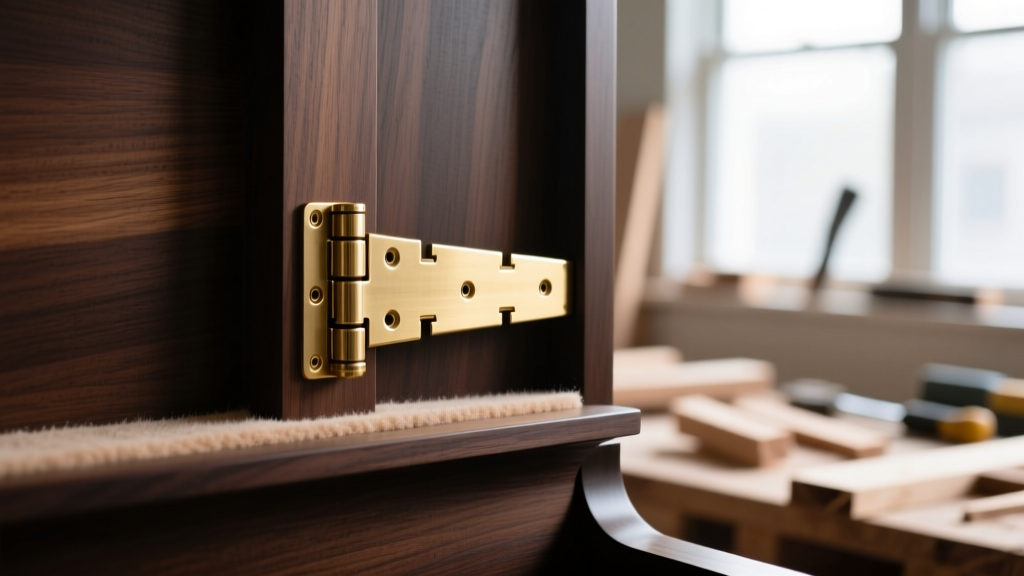
Material density directly impacts hardware longevity. A heavy, dense wood requires robust hardware to prevent hinge pull-out over years of repetitive opening and closing. The Hot Jewelry Box Ridgewood edition utilizes solid brass piano hinges, secured with steel-core wood screws.
Because Ridgewood boasts a Janka rating of 1,450 lbf, the screw threads bite deeply and permanently into the composite. In softer woods like pine or standard MDF, the repetitive torque of opening a heavy lid eventually strips the screw holes, requiring the user to fill and re-drill the hinge mounts. The Ridgewood's structural integrity completely eliminates this failure mode. Additionally, the corners of the box feature precision-cut dovetail joinery rather than simple dowel pins, ensuring that the box remains perfectly square even if subjected to the minor impacts of travel or relocation.
Maintenance and Care for the Ridgewood Finish
Maintaining the exterior of the Hot Jewelry Box Ridgewood is remarkably straightforward due to its UV-cured polyurethane seal. Unlike oiled walnuts or waxes mahoganies that require periodic re-conditioning to prevent drying and cracking, the Ridgewood finish is entirely self-sufficient.
- Dusting: Use a clean, dry microfiber cloth. Avoid feather dusters, which can scratch the high-gloss finish with trapped grit.
- Cleaning: If fingerprints accumulate, lightly mist a cloth with distilled water and wipe gently. Never use ammonia-based glass cleaners or alcohol, which can degrade the polyurethane over time.
- Placement: While the Ridgewood is highly stable, it is still best practice to keep the box out of direct, prolonged sunlight to prevent any potential UV fading of the rich, dark stain over decades of use.
Final Verdict: Is the Ridgewood Material Worth the Premium?
When evaluating jewelry storage, the initial cost must be weighed against the potential cost of jewelry restoration and polishing. The Hot Jewelry Box Ridgewood edition commands a premium price point compared to standard veneer boxes, but the material science justifies the investment. By combining the extreme density and dimensional stability of thermally modified hardwoods with a chemically inert, zero-VOC resin matrix, it creates a micro-environment that actively protects against the primary catalysts of jewelry degradation.
For collectors of high-end silver, antique horology, or porous gemstones like opals and pearls that are highly sensitive to humidity swings, the Ridgewood material offers unparalleled peace of mind. It is a masterclass in how modern material engineering can elevate traditional storage into a true preservation tool. For more insights on how indoor air quality affects your valuables, refer to the EPA guidelines on VOCs and indoor environmental safety.


