How to Strategically Load a Rotating Jewelry Organizer
Learn how to strategically load a rotating jewelry organizer to prevent tangling, protect gemstones, and maintain smooth bearing mechanics.

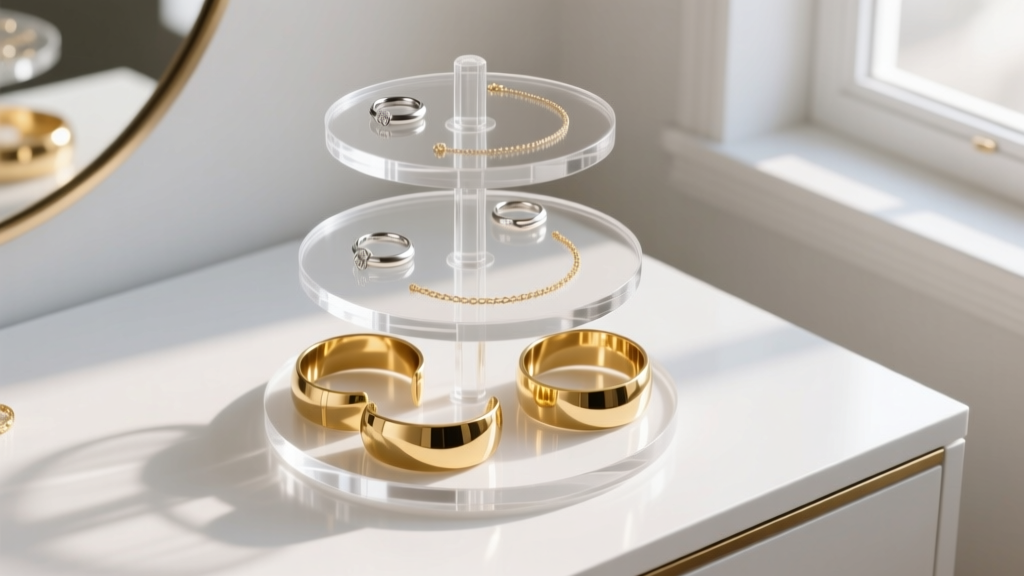
Rotating jewelry organizers, frequently referred to as vanity carousels, offer an elegant 360-degree view of your collection. However, improper loading techniques frequently lead to tangled chains, scratched gemstones, and seized bearing tracks. Unlike flat, compartmentalized jewelry boxes, a carousel introduces kinetic movement and vertical weight distribution challenges that require a strategic approach. If you simply hang your pieces wherever they fit, you risk damaging both your jewelry and the mechanical integrity of the stand. This comprehensive, step-by-step guide will teach you how to strategically load, balance, and maintain your rotating jewelry organizer to ensure whisper-quiet operation and pristine jewelry condition for years to come.
Understanding Your Carousel's Mechanical Limits
Before placing a single ring on your display, you must understand the mechanical foundation of your unit. Most rotating jewelry organizers rely on a lazy Susan bearing mechanism hidden beneath the base. These bearings typically range from four to six inches in diameter and are constructed from either stamped steel or injection-molded plastic. Plastic bearings generally support up to ten pounds, while heavy-duty steel double-row ball bearings can handle upwards of forty pounds. Overloading the unit causes the track to warp, leading to a grinding sensation when spun. Furthermore, the vertical tower is usually made of acrylic or MDF. Budget models often use 2mm extruded acrylic, which bows and micro-cracks under heavy eccentric loads. Premium organizers utilize 5mm to 8mm cast acrylic, offering superior rigidity. Knowing your material and weight limits is the first step in preventing catastrophic structural failure.
Step 1: Establish a Center-of-Gravity Baseline
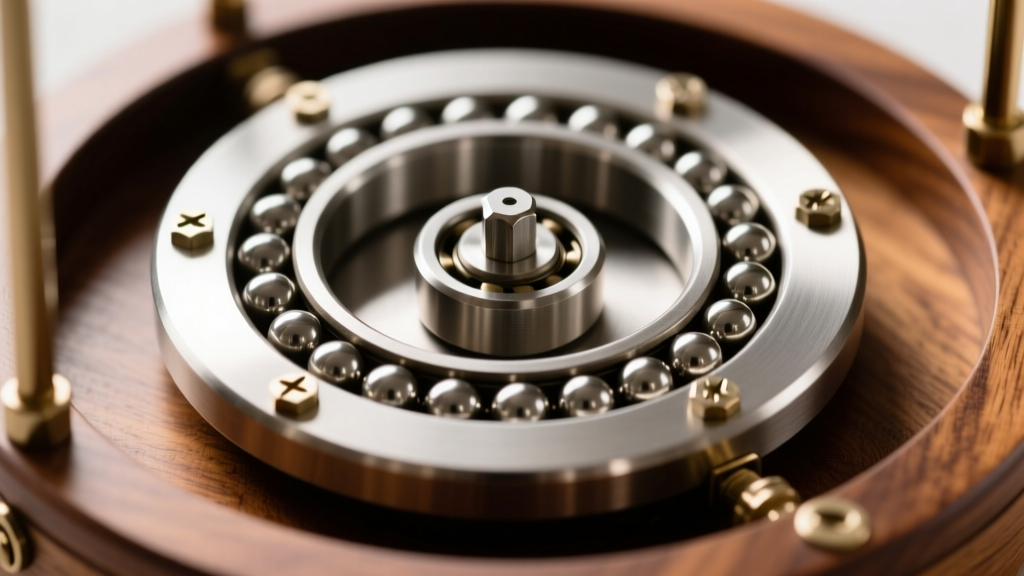
The physics of a rotating cylinder dictate that an unevenly distributed load will create a wobble. If you hang heavy brass cuffs, thick resin bangles, or solid silver collars on the top tier, the center of gravity shifts dangerously upward. When you apply rotational force, centrifugal energy amplifies this imbalance, grinding the bearing balls against the outer track and eventually stripping the housing. To prevent this, you must adhere to the 60-30-10 weight distribution rule. Sixty percent of your total jewelry weight should reside on the bottom tier. Reserve this level for heavy cuffs, wide bangles, and chunky statement pieces. The middle tier should hold thirty percent of the weight, accommodating standard metal bangles, pearl strands, and mid-weight chains. The top tier, holding only ten percent of the weight, is strictly for delicate stud earrings, lightweight rings, and thin gold vermeil chains. This baseline ensures the carousel remains perfectly plumb and spins effortlessly.
Step 2: Zone Your Tiers by Metal and Gemstone Hardness
According to the GIA Gem Encyclopedia, gemstones vary wildly in hardness, measured on the Mohs scale. Storing hard stones next to soft ones in a kinetic environment is a recipe for disaster. Diamonds, ranking at a 10, will easily scratch sapphires (9), emeralds (7.5-8), and especially softer stones. Never hang diamond tennis bracelets on the same hook or adjacent hooks where they can clink together during rotation. Dedicate specific hooks to specific hardness levels. Use velvet-lined or silicone-dipped hooks for softer, more porous stones like opals (5.5-6.5) and pearls (2.5). As highlighted in Tiffany & Co. Jewelry Care guidelines, pearls are highly susceptible to scratching and chemical damage. Keep pearl strands isolated on the middle tier, away from the swinging motion of heavier metal chains that could abrade their delicate nacre surface.
Step 3: Implement Anti-Tangle and Anti-Tarnish Micro-Solutions
The most common complaint with rotating towers is chain entanglement. Herringbone and snake chains are notoriously prone to permanent kinking if they swing and catch on adjacent hooks. To combat this, never hang these specific chain types on thin wire hooks. Instead, drape them over wide, velvet-padded horizontal bars. For standard cable and curb chains, apply clear silicone earring backers to the tips of the wire hooks. This creates a high-friction barrier that prevents the chains from sliding off and tangling at the base of the tower. To address tarnish, remember that silver oxidizes when exposed to airborne sulfur. Place 3M Anti-Tarnish strips inside the hollow center pole if your organizer features one, or discreetly tape Pacific Silvercloth strips to the underside of each acrylic tier. These strips absorb hydrogen sulfide and must be replaced every six months to remain effective.
Tier-by-Tier Loading Strategy
| Tier Level | Weight Allocation | Ideal Jewelry Types | Primary Purpose |
|---|---|---|---|
| Bottom Tier | 60% of Total Weight | Heavy Cuffs, Resin Bangles, Collars | Prevents top-heavy wobbling and bearing strain |
| Middle Tier | 30% of Total Weight | Pearl Strands, Mid-weight Chains, Brooches | Eye-level visibility for daily wear items |
| Top Tier | 10% of Total Weight | Stud Earrings, Thin Rings, Delicate Pendants | Protects fragile items from swinging impacts |
Step 4: Routine Bearing Maintenance and Troubleshooting
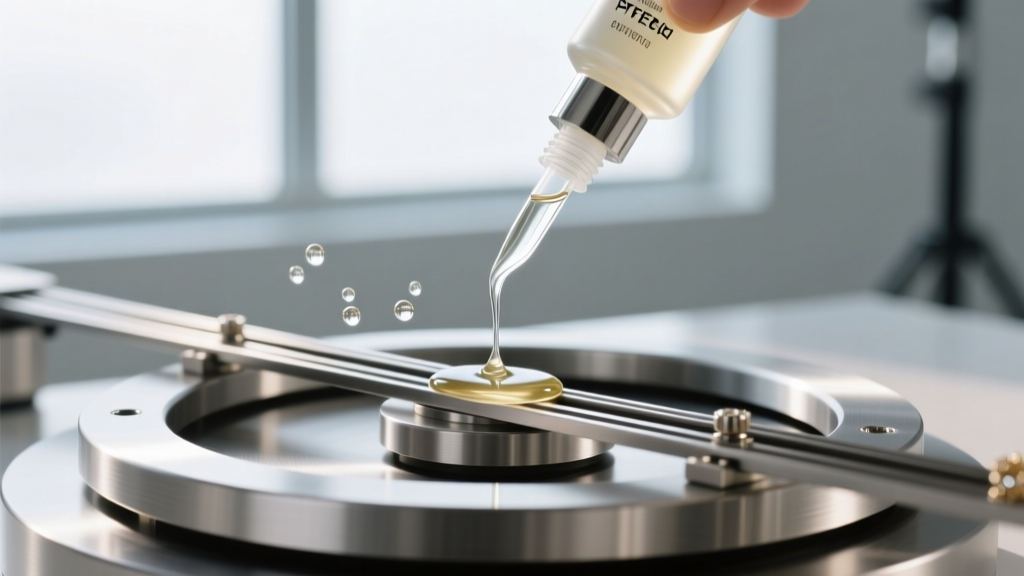
Even a perfectly balanced rotating jewelry organizer requires mechanical maintenance. Dust, pet hair, and aerosolized skin oils inevitably accumulate in the bearing track over time, causing the rotation to become sticky or noisy. A common mistake is using standard WD-40 to fix this. WD-40 is a solvent and water displacer, not a true lubricant; it will attract more dust and actively degrade plastic bearing housings. Instead, use a PTFE (Teflon) dry lubricant. Apply exactly one drop into the seam of the bearing track, then spin the carousel ten full rotations to distribute the formula evenly. Wipe away any excess with a lint-free microfiber cloth. When cleaning the acrylic tiers, never use ammonia-based glass cleaners, as ammonia causes acrylic to craze, forming permanent micro-cracks that cloud the material. Use only distilled water and a dedicated acrylic polish applied with a non-abrasive cloth.
Summary
Mastering the art of loading your carousel transforms it from a cluttered hazard into a functional, protective display. By respecting the mechanical weight limits, balancing the center of gravity, zoning by gemstone hardness, and performing proper PTFE bearing maintenance, you ensure both the longevity of your organizer and the safety of your fine jewelry.


