Gone With The Wind Jewelry Box: 2026 Vintage Glamour Trends
Explore the 2026 resurgence of the Gone with the Wind jewelry box. Discover vintage sourcing, material analysis, and anti-tarnish restoration tips.

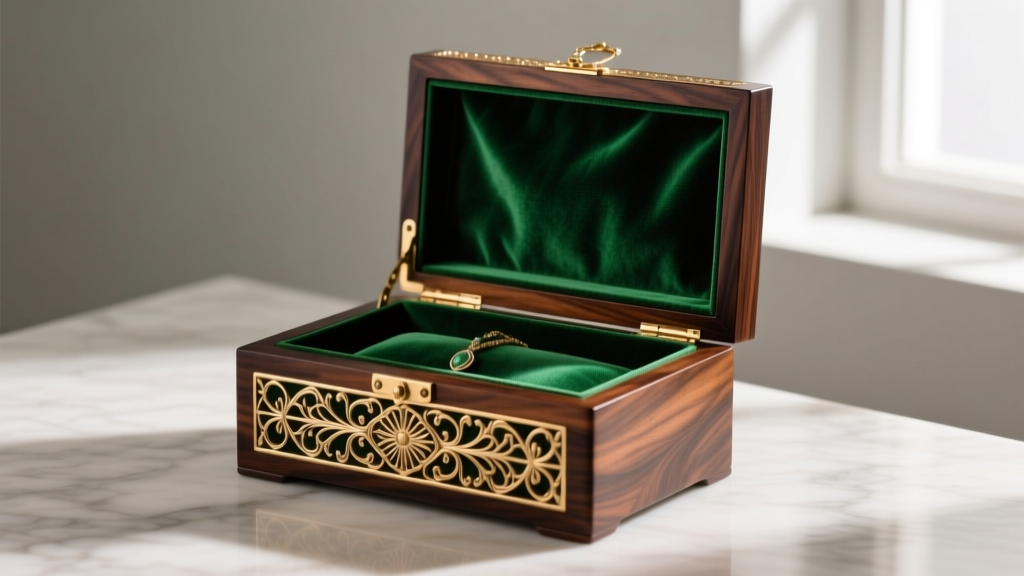
In the landscape of 2026 interior design, the pendulum has swung decisively away from stark, ultra-minimalist acrylics and toward the rich, narrative-driven aesthetics of Hollywood Regency and Southern Gothic. At the epicenter of this jewelry storage revival is the highly coveted gone with the wind jewelry box. Characterized by its dramatic 1930s and 1940s Victorian-revival silhouettes, heavy burl wood veneers, and ornate brass filigree, these storage pieces are no longer just functional containers; they are statement heirlooms that anchor a modern vanity. As collectors and style enthusiasts seek out storage solutions that offer both historical gravitas and practical organization, understanding the anatomy, market value, and preservation requirements of these cinematic-era boxes has never been more critical.
The Anatomy of a Vintage Hollywood Storage Piece
To truly appreciate the craftsmanship of a classic gone with the wind jewelry box, one must examine the specific materials and construction techniques utilized between 1935 and 1955. Unlike contemporary mass-produced MDF (medium-density fiberboard) boxes, vintage originals were built with a focus on tactile luxury and acoustic resonance for their internal musical movements.
Exterior Materials and Veneers
The exterior shells were predominantly crafted from Crotched Mahogany or Burl Walnut veneers applied over solid pine or poplar cores. The 'crotch' figure in mahogany, resembling a swirling flame, was highly prized for its dramatic visual impact. Edges were often bound in tooled leather or inset with mother-of-pearl. The hardware—typically stamped brass or cast bronze—featured intricate floral motifs, Grecian key patterns, or repoussé cherubs, finished in a lacquered gold or antiqued bronze patina.
Interior Linings and Hardware
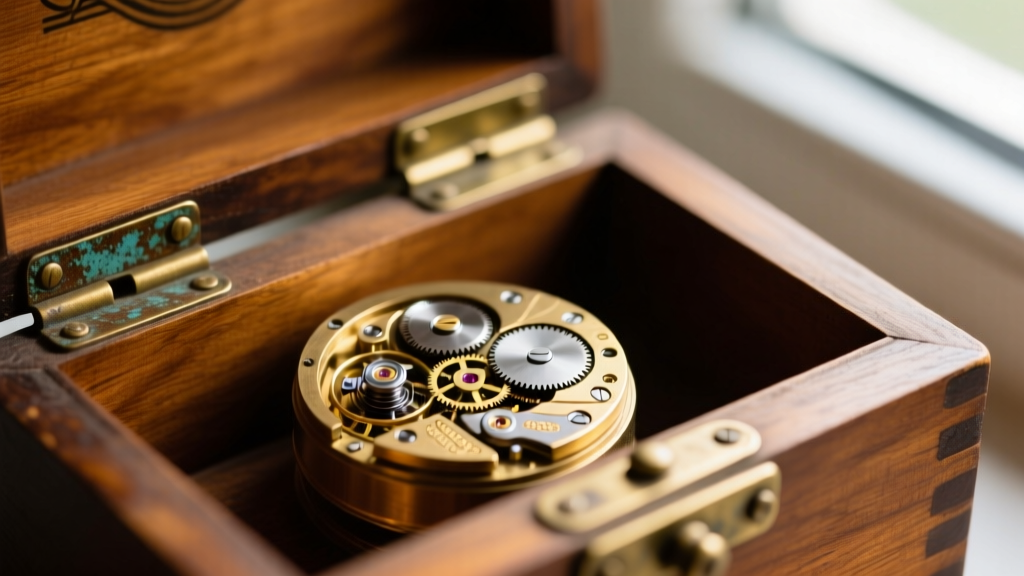
Open the lid, and you are greeted by the era's signature plush interiors. Original linings utilized rayon velvet or heavy silk faille, often dyed in deep jewel tones like emerald, sapphire, or amethyst to contrast with the warm wood tones. The hinges were heavy-duty steel or brass piano hinges, designed to support the weight of the elaborately carved wooden lids. Many of these boxes also housed Swiss-made Reuge or Thorens musical movements, playing waltzes or classical pieces when the lid was lifted.
2026 Trend Analysis: The Maximalist Storage Revival
Why is the gone with the wind jewelry box experiencing such a massive surge in popularity in 2026? The answer lies in the broader cultural shift toward 'Dopamine Decor' and 'Heirloom Maximalism.' Consumers are fatigued by disposable, flat-pack furniture and are actively investing in 'brown furniture' (a term reclaimed by Gen Z and Millennial collectors to describe rich, dark-toned vintage wood pieces). A vintage jewelry box serves as a micro-dose of this trend, offering a manageable entry point into antique collecting while providing a highly photogenic backdrop for social media jewelry flat-lays.
| Feature | 1930s-1950s Originals | 1970s-1980s Revivals | 2026 Artisan Replicas |
|---|---|---|---|
| Primary Wood | Solid Pine core, Burl Walnut veneer | Particleboard, printed foil veneer | Solid Oak, hand-carved details |
| Hardware | Cast bronze, stamped brass | Zinc alloy, gold-plated plastic | Solid brass, unlacquered |
| Interior Lining | Rayon velvet (acidic) | Nylon velvet (synthetic) | Pacific Silvercloth (anti-tarnish) |
| Market Price Range | $180 - $850+ | $45 - $120 | $250 - $600 |
| Musical Movement | Swiss Reuge (18 to 72 notes) | Japanese Sankyo (18 notes) | Bluetooth hidden speakers / None |
Sourcing and Authentication Guide
When hunting for an authentic gone with the wind jewelry box on platforms like 1stDibs, Ruby Lane, or specialized Etsy vintage sellers, authentication requires a keen eye for period-correct details. The market is flooded with 1980s reproductions that mimic the 1940s style but lack the structural integrity and material quality.
Key Maker's Marks and Clues
- The 'Snuff' Test: Original 1940s rayon velvet has a distinct, slightly dusty scent when rubbed, whereas 1980s nylon velvet smells faintly of synthetic chemicals or factory off-gassing.
- Veneer Thickness: Run your fingernail lightly over a chipped edge. Pre-1950 veneers were often 1/16th of an inch thick and hand-scraped. 1970s reproductions use 'paper-thin' veneers that splinter easily and reveal particleboard beneath.
- Musical Cylinder Pins: If the box includes a music box mechanism, examine the brass cylinder. Swiss movements feature precisely pinned brass cylinders with a heavy lead counterweight inside the cylinder to maintain tempo. Cheap reproductions use lightweight, hollow plastic or thin tin cylinders.
- Patina vs. Paint: Authentic brass hardware will have a natural, uneven patina, especially in the crevices of the filigree. Reproductions often feature a uniform, high-gloss 'gold paint' or electroplating that flakes off in sheets rather than wearing down gracefully.
Preservation: Combating the Vintage Velvet Tarnish Trap
The most significant danger of storing fine jewelry in a vintage gone with the wind jewelry box is the original interior lining. While 1940s rayon velvet looks luxurious, the dyes and sizing agents used during that era are highly acidic. Over decades, these materials off-gas sulfur compounds and trap ambient humidity, creating a micro-climate that aggressively accelerates the formation of silver sulfide (the black tarnish on sterling silver) and corrodes delicate gold alloys and porous gemstones like pearls and opals.
The Restoration Protocol
According to gemological conservation standards outlined by institutions like the Gemological Institute of America (GIA), preventing tarnish requires interrupting the chemical reaction between sulfur and silver. If you acquire a vintage box, you must perform an interior intervention before storing valuable pieces.
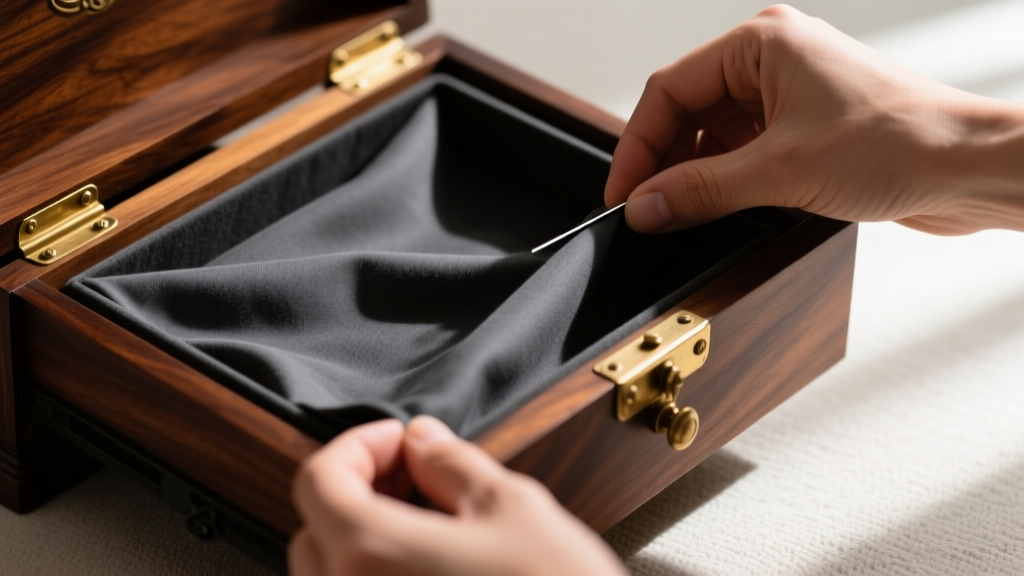
- Document and Remove: Photograph the original interior layout. Using a flat palette knife and a gentle heat gun (set to low, around 120°F), carefully soften the hide glue or animal-based adhesives holding the velvet to the cardboard backing panels. Peel the vintage fabric away.
- Seal the Wood: The bare wood and cardboard substrates will likely still harbor acidic residues. Seal all interior wooden surfaces with two coats of Zinsser B-I-N shellac-based primer. This creates an impermeable barrier that prevents wood acids from migrating into your new lining.
- Install Modern Anti-Tarnish Linings: Replace the old rayon with modern Pacific Silvercloth or a copper-infused anti-tarnish flannel. These fabrics are embedded with microscopic silver particles that act as a sacrificial anode, absorbing sulfur gases before they can reach your jewelry. For a period-correct aesthetic, source these modern anti-tarnish fabrics in deep jewel tones like burgundy or forest green.
- Re-adhere with Archival Glue: Use a pH-neutral, acid-free PVA glue (such as Lineco Neutral pH Adhesive) to secure the new fabric to the backing boards, ensuring no harmful off-gassing occurs in the future.
Styling Your Heirloom in a 2026 Vanity Space
To maximize the visual impact of your restored gone with the wind jewelry box, embrace the 2026 trend of 'Era-Clashing.' Place the heavy, ornate wooden box on a sleek, modern travertine or fluted glass vanity table. Flank it with a contemporary, minimalist LED-lit acrylic ring holder or a raw-edge concrete trinket dish. This juxtaposition highlights the intricate brass filigree and rich wood grain of the vintage piece, transforming a functional storage item into a curated, museum-worthy focal point that honors the golden age of Hollywood glamour while serving the practical needs of the modern collector.


