Inlaid Jewelry Box Value Guide: Are They Worth the Price?
Discover if an inlaid jewelry box is worth the investment. We break down pricing tiers, material grades, and anti-tarnish value for smart buyers.

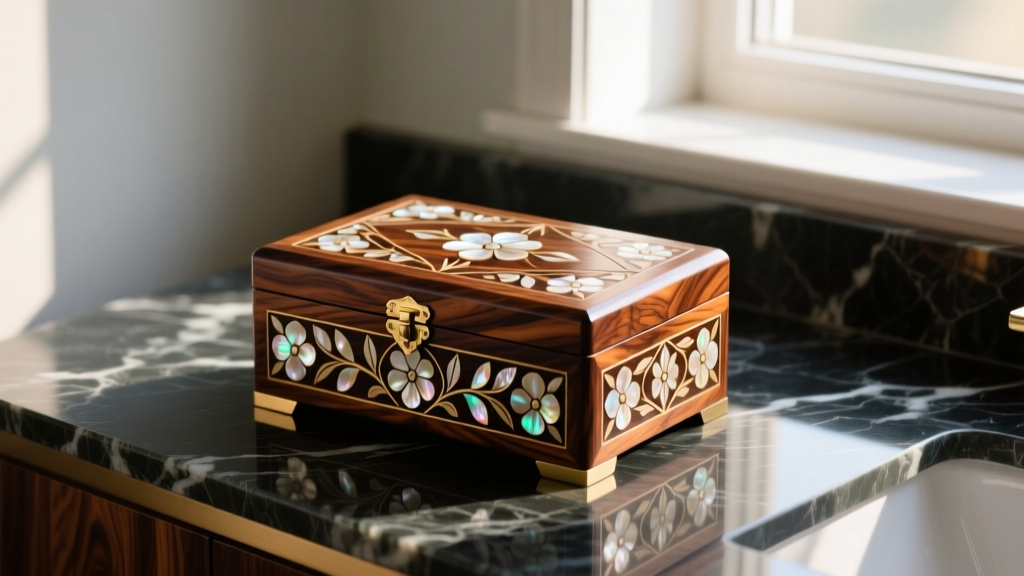
When shopping for premium jewelry storage, few pieces command attention quite like an inlaid jewelry box. Featuring intricate patterns crafted from contrasting woods, shells, or metals, these boxes are undeniably beautiful. But from a strict budget and value assessment perspective, the critical question remains: are you paying for genuine artisan craftsmanship and superior jewelry protection, or simply a decorative veneer over subpar storage? As we evaluate the market in 2026, understanding the structural and material realities of inlaid boxes is essential for making a financially sound investment that actually protects your precious metals and gemstones.
Decoding the Craft: Marquetry, Intarsia, and Veneers
To assess value, you must first identify the technique used to create the inlay. The price disparity between a $60 mass-market box and a $600 artisan piece comes down to these three methods:
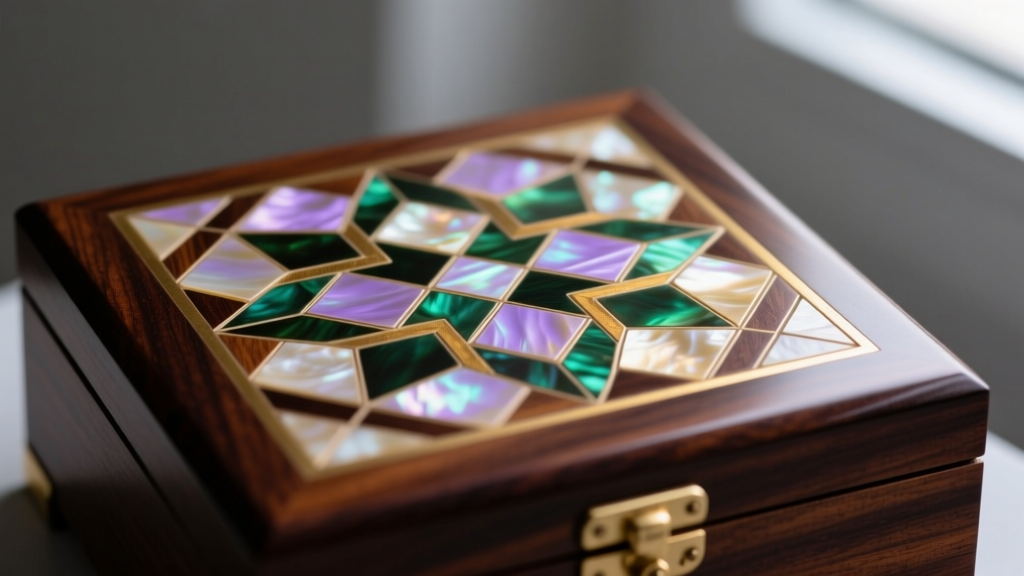
- Marquetry: The traditional, high-value method where thin veneers of exotic woods (like Macassar ebony or burled walnut) and organic materials are precision-cut and fitted together like a jigsaw puzzle to create a seamless, flat surface. This requires immense skill and yields a premium, durable finish.
- Intarsia: Similar to marquetry but utilizes thicker, solid pieces of wood or bone that are carved to create a subtle three-dimensional effect. True intarsia is rare in modern jewelry boxes and commands top-tier pricing.
- Printed or Resin Veneers: The budget trap. Many boxes under $100 feature a thin layer of MDF (medium-density fiberboard) topped with a photograph of wood grain or a poured epoxy resin designed to mimic the look of shell inlay. These offer zero structural longevity and often warp in humid environments.
The 2026 Pricing Matrix: What Your Budget Actually Buys
Not all inlaid jewelry boxes are created equal. Below is a breakdown of current market tiers to help you identify where the true value lies.
| Price Tier | Core Material | Inlay Type | Lining & Hardware | Value Verdict |
|---|---|---|---|---|
| $40 - $120 | MDF or Particleboard | Resin, crushed shell, or printed vinyl | Synthetic polyester; zinc-plated hinges | Poor. High risk of warping; linings often accelerate silver tarnish. |
| $150 - $350 | Solid pine or high-grade plywood | Genuine bone, horn, or basic wood marquetry | Cotton flannel; solid brass butt hinges | Good. The sweet spot for everyday buyers seeking authentic materials. |
| $400 - $900 | Hardwoods (Walnut, Mahogany) | Genuine Mother-of-Pearl (Nacre), Abalone | Anti-tarnish treated cloth; piano hinges | Excellent. True heirloom quality with proper jewelry protection. |
| $1,000+ | Rare burls, Rosewood | Master Marquetry, Boulle (brass/shell) | Pacific Silvercloth; custom-fitted suede | Collector. Bought as art; functional storage is secondary. |
The Hidden Cost: Anti-Tarnish Linings and Off-Gassing
The most critical failure point in budget inlaid jewelry boxes is not the exterior wood, but the interior lining. Many buyers spend $200 on a beautiful exterior, only to find their sterling silver necklaces and copper alloys turning black within weeks. According to Jewelers Mutual, silver tarnishes when exposed to hydrogen sulfide and sulfur dioxide in the air, a process drastically accelerated by moisture and certain chemicals.
Cheap inlaid boxes often use polyurethane foams or synthetic polyesters that off-gas volatile organic compounds (VOCs) as they degrade. These trapped gases create a microclimate inside the closed box that aggressively tarnishes silver and degrades porous gemstones like pearls and turquoise. The GIA Gem Encyclopedia notes that organic gems require breathable, chemically neutral environments. Therefore, a $150 box lined with untreated, acid-free cotton flannel offers vastly superior protective value than a $300 box lined with synthetic velvet. For serious silver collectors, seeking out boxes lined with Pacific Silvercloth—a fabric embedded with microscopic silver particles that absorb tarnish-causing gases before they reach your jewelry—is the ultimate marker of high-value storage.
Hardware and Joinery: The Structural Indicators of Value
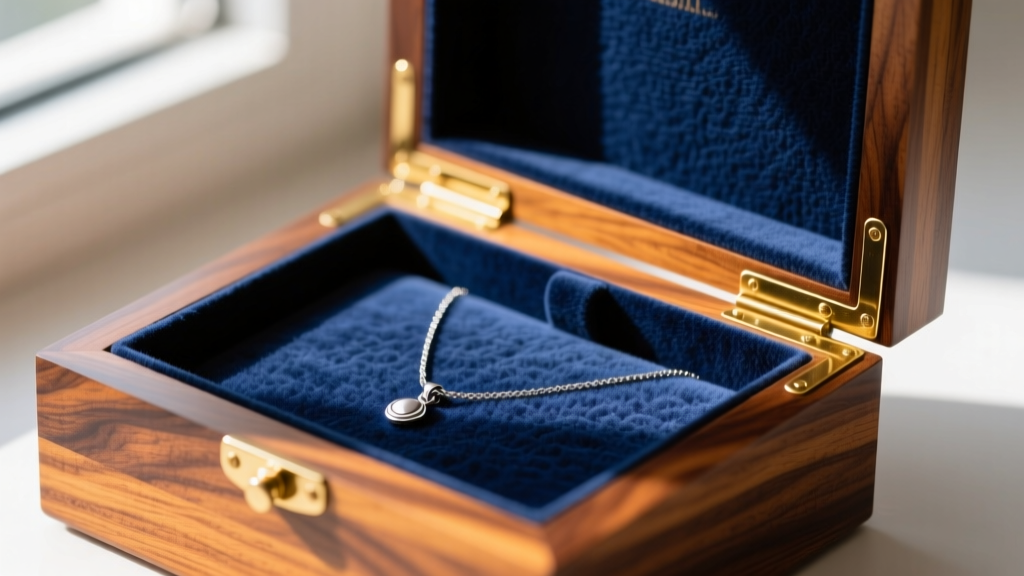
When assessing an inlaid jewelry box in person or evaluating high-resolution photos online, look past the shiny shell patterns and inspect the joinery and hardware. The weight and operation of the lid dictate the lifespan of the piece.
Hinges and Escutcheons
Mass-produced boxes rely on small, zinc-alloy butt hinges that are glued or shallowly screwed into the MDF frame. Over time, the weight of a solid wood lid will strip these screws, causing the lid to sag and eventually tear the delicate inlay work apart. High-value boxes utilize solid brass or stainless steel piano hinges that run the entire length of the box, distributing the weight evenly. Furthermore, check the escutcheon (the metal plate surrounding the keyhole). Stamped, hollow brass indicates a budget tier, while cast, solid brass with a patina indicates artisan craftsmanship.
Wood Joinery
Authentic marquetry boxes are built using dovetail or miter joints reinforced with wood glue and internal splines. If you can see visible staples, brad nails, or thick seams of wood filler on the interior corners of the box, you are looking at a factory-assembled commodity piece, regardless of how intricate the exterior inlay appears.
Budgeting Framework: How to Spot a Fair Deal
To ensure you are extracting maximum value from your budget, run any potential inlaid jewelry box purchase through this quick assessment checklist:
- The Tap Test: Knock on the exterior. A dull, hollow thud indicates MDF or thin plywood. A sharp, resonant tap indicates solid hardwood, which is necessary to support heavy shell inlays without cracking.
- The Inlay Flush Check: Run your fingernail across the inlay patterns. Genuine marquetry and shell inlay should be perfectly flush with the surrounding wood. If you feel raised edges, the inlay is likely glued on top of the surface rather than routed into the wood, meaning it will eventually peel.
- The Lining Sniff Test: Open the box and smell the interior. Any strong chemical, glue, or 'new car' odor indicates the presence of off-gassing adhesives and synthetic foams that will harm your jewelry. A high-value box should smell only of natural wood, cedar, or nothing at all.
- The Shell Verification: Genuine mother-of-pearl and abalone are cool to the touch and possess deep, multi-layered iridescence. Resin imitations feel like room-temperature plastic and have a flat, repetitive shimmer. The Silver Institute emphasizes that proper storage environments must be free of acidic synthetic materials, making natural shell and wood the safest companions for precious metals.
Final Verdict: When to Buy and When to Pass
An inlaid jewelry box is absolutely worth the investment, provided you are paying for structural integrity and jewelry-safe materials, not just a pretty picture glued to a cardboard frame. For buyers with a budget under $100, we recommend bypassing inlaid boxes entirely; at that price point, you are better off purchasing a high-quality, anti-tarnish leather or canvas jewelry roll. However, if your budget allows for the $150 to $400 range, you can secure a stunning, solid-wood marquetry or bone-inlay box with proper cotton flannel linings. In this tier, the inlaid jewelry box transitions from a mere decorative trinket into a functional, heirloom-grade storage solution that actively preserves the brilliance and value of your jewelry collection for decades to come.


