What the Inside of a Jewelry Box Reveals About Its True Value
Discover what the inside of a jewelry box reveals about its true value. We compare linings, anti-tarnish tech, and compartment builds across budget tiers.

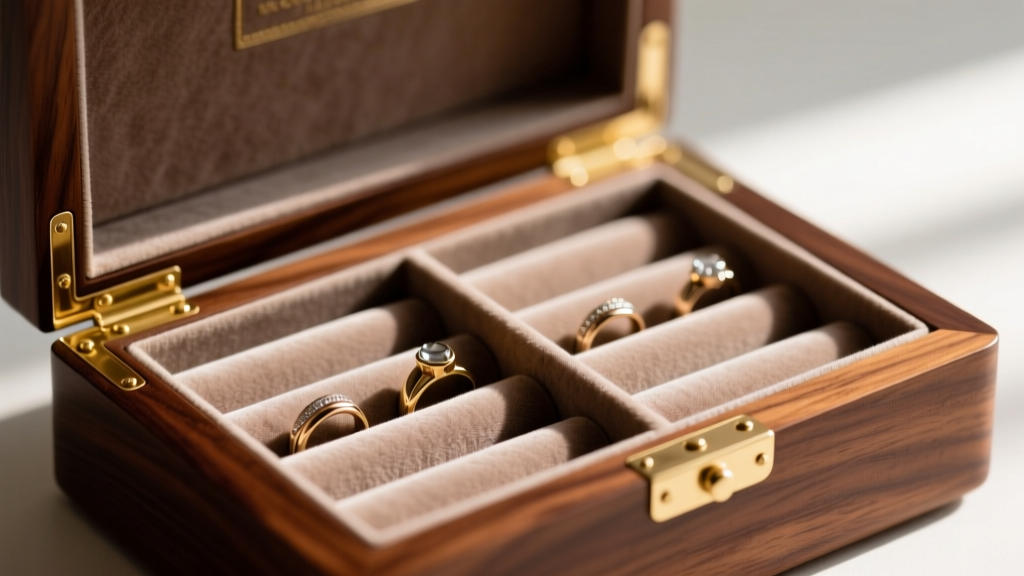
When shopping for storage, most consumers are immediately captivated by the exterior. A vegan leather finish, a polished walnut veneer, or a sleek acrylic shell can easily justify a premium price tag in the eyes of the buyer. However, as any seasoned collector or gemologist will tell you, the exterior is merely decorative. The true measure of quality, longevity, and asset protection lies entirely on the inside of jewelry box designs.
Evaluating the interior construction is the only reliable way to conduct a genuine budget and value assessment. A $300 box with a cardboard skeleton and synthetic suede lining is functionally inferior to a $90 box engineered with solid wood dividers and treated anti-tarnish textiles. In this guide, we strip away the exterior aesthetics and audit the internal anatomy of jewelry storage to help you allocate your budget where it actually matters.
The Anatomy of Value: Why the Interior Dictates Longevity
The primary function of jewelry storage is not just organization; it is environmental control. Precious metals and porous gemstones are highly reactive to their immediate micro-environments. According to the Gemological Institute of America (GIA), improper storage is a leading cause of preventable damage, including micro-scratches on gold, moisture-induced clouding in opals, and rapid silver sulfide tarnishing.
When you open the inside of jewelry box options in a retail store, you are looking at three critical value drivers:
- The Lining Material: Does it trap moisture, or does it actively neutralize tarnish-causing gases?
- The Structural Skeleton: Is the internal framework made of warp-resistant solid wood, or humidity-vulnerable MDF (Medium-Density Fiberboard)?
- The Compartment Engineering: Are the ring rolls, necklace hooks, and earring posts tension-tested to prevent metal fatigue and chain tangling?
Decoding the Lining: Material Grades and Tarnish Risks
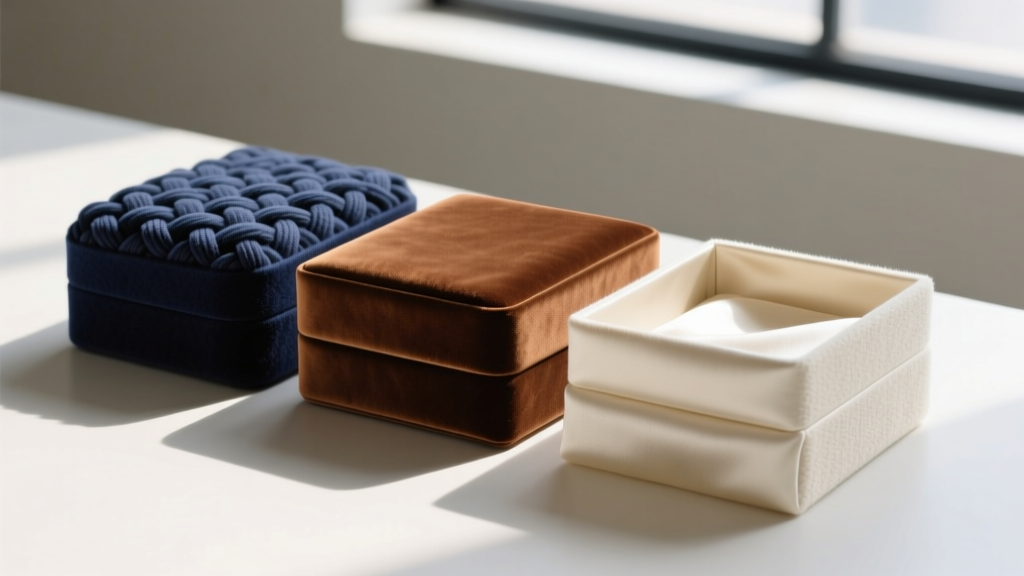
The fabric lining the interior is the first line of defense for your jewelry. Budget manufacturers often use polyurethane faux suede because it is cheap to produce, easily dyed, and hides glue stains. However, synthetic linings can off-gas volatile organic compounds (VOCs) and trap ambient humidity, accelerating the chemical reactions that cause sterling silver to tarnish. For a comprehensive breakdown of silver care and environmental reactions, the Smithsonian Museum Conservation Institute emphasizes the necessity of using sulfur-free, breathable, or chemically treated storage textiles.
| Lining Material | Tarnish Resistance | Cost Impact | Value Verdict |
|---|---|---|---|
| Pacific Silvercloth | Exceptional (Embedded silver particles trap H2S gases) | High ($$$) | The gold standard for silver-heavy collections. |
| Untreated Cotton Flannel | Moderate (Breathable, but requires anti-tarnish strips) | Low-Medium ($) | Excellent budget choice if paired with 3M anti-tarnish tabs. |
| Microfiber Suede | Low (Traps moisture, prone to static buildup) | Low ($) | Avoid for porous gems like pearls or untreated turquoise. |
| Polyurethane Faux Suede | Poor (Off-gasses VOCs, traps humidity) | Lowest ($) | Strictly avoid; accelerates silver sulfide formation. |
Compartment Engineering: MDF vs. Solid Wood vs. Injected Plastic
Peel back the fabric lining, and you will find the structural skeleton. This is where budget brands cut corners most aggressively.
The MDF and Cardboard Trap
Boxes in the $20 to $60 range almost exclusively use MDF or compressed cardboard for their internal dividers. MDF is highly susceptible to warping when exposed to the ambient humidity of a bedroom or bathroom. Once the internal dividers warp, the tension on the fabric lining shifts, causing the flocking glue to degrade, peel, and expose the bare, acidic wood composite underneath. This exposed composite can chemically react with soft metals like 24k gold or high-purity silver.
The ABS Plastic Alternative
Mid-range travel cases often use injected ABS plastic for their internal grids. While ABS is structurally sound and humidity-proof, the rigid edges of cheap plastic molds can act like micro-files against polished metals. If you opt for a plastic-grid interior, ensure the plastic is seamlessly flocked or lined with a minimum 2mm layer of high-density foam to cushion the jewelry.
Solid Wood and Precision Joinery
True value is found in boxes utilizing solid hardwood (like walnut, mahogany, or maple) for internal framing, joined with dovetail or mortise-and-tenon techniques. These interiors remain dimensionally stable for decades, ensuring that the tension on necklace clasps and ring rolls never degrades.
Budget vs. Mid-Range vs. Luxury: A Value Assessment Matrix
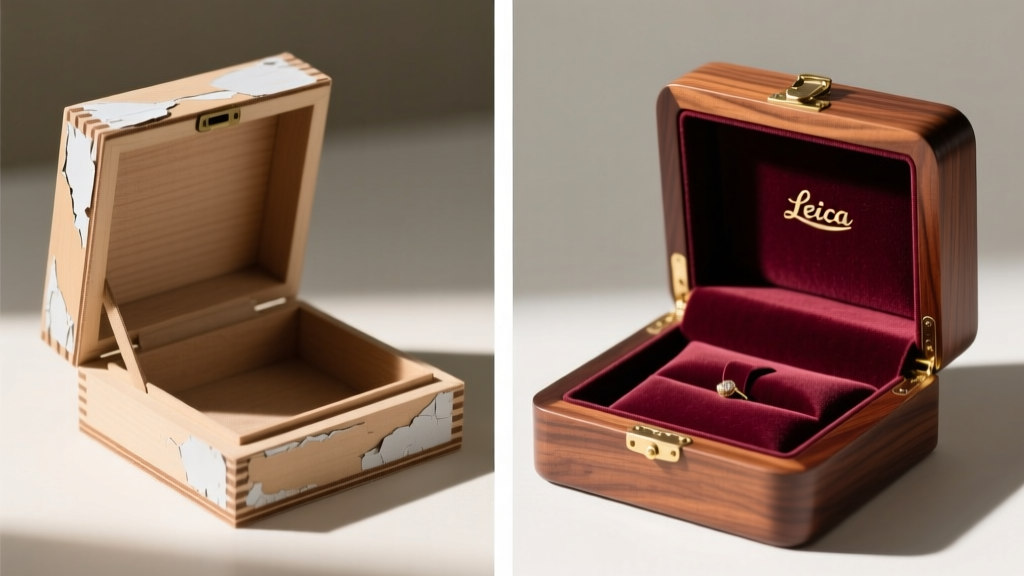
To help you assess the true ROI of your purchase, we have categorized the interior expectations across three distinct price tiers.
Tier 1: The Budget Trap (Under $50)
- Interior Reality: Cardboard skeletons, hot-glued polyurethane suede, rigid plastic ring rolls that stretch out within six months.
- Value Assessment: Poor. The cost of replacing tarnished or scratched jewelry will far exceed the money saved on the box. Only acceptable for fashion jewelry or base metals.
Tier 2: The Sweet Spot ($80 - $180)
- Interior Reality: Plywood or light MDF framing reinforced with wooden corner blocks, lined with breathable cotton flannel or microfiber. Features tension-adjusted necklace hooks to prevent chain slippage.
- Value Assessment: High. This tier offers the best balance of structural integrity and material safety. Look for brands that explicitly state their linings are acid-free and pH-neutral.
Tier 3: The Heirloom Investment ($300+)
- Interior Reality: Solid hardwood internal framing, genuine Pacific Silvercloth or premium untreated linen, brass hardware (which doesn't rust or off-gas like cheap nickel alloys), and hand-stitched seams.
- Value Assessment: Excellent for high-net-worth collections. The interior environment is actively curated to halt degradation, preserving the patina and structural integrity of fine gemstones and precious metals.
Red Flags to Spot Before You Buy
When inspecting the inside of jewelry box displays in person, or reviewing high-resolution macro photos online, look out for these immediate dealbreakers:
- The "New Car" Chemical Smell: If the interior smells strongly of chemicals, it is off-gassing formaldehyde or sulfur-based adhesives. This will rapidly tarnish silver and damage porous pearls.
- Visible Glue Seepage: Check the corners where the fabric meets the dividers. Yellowing or crusty glue lines indicate poor manufacturing tolerances and impending fabric detachment.
- Shallow Ring Rolls: If the ring rolls are too shallow or tightly packed, they will press the gemstones of adjacent rings against one another, causing severe scratching (especially dangerous if storing diamonds, which rank a 10 on the Mohs scale and will scratch any other stone).
- Unlined Hinges: Internal metal hinges should be covered or recessed. Exposed steel hinges can rust in humid environments, staining the interior fabric and compromising the jewelry.
Final Verdict: Where to Allocate Your Storage Budget
When conducting your final value assessment, adopt an "inside-out" purchasing philosophy. A modestly priced box with an acid-free cotton flannel interior, solid wood dividers, and proper air circulation will protect your assets infinitely better than a luxury-priced box with a cardboard core and synthetic suede lining.
Always prioritize the chemical neutrality and structural stability of the interior materials. If your budget is limited, purchase a simpler, smaller box with premium internal linings rather than a massive, multi-drawer armoire constructed from cheap composites. Your jewelry's longevity depends not on how the box looks on your dresser, but on the micro-environment it creates when the lid is closed.


