Beginner Guide to Using a Kate Spade Travel Jewelry Case
Learn how to pack, protect, and organize your accessories with our beginner-friendly guide to the Kate Spade travel jewelry case.

Why the Kate Spade Travel Jewelry Case is a Beginner's Best Friend
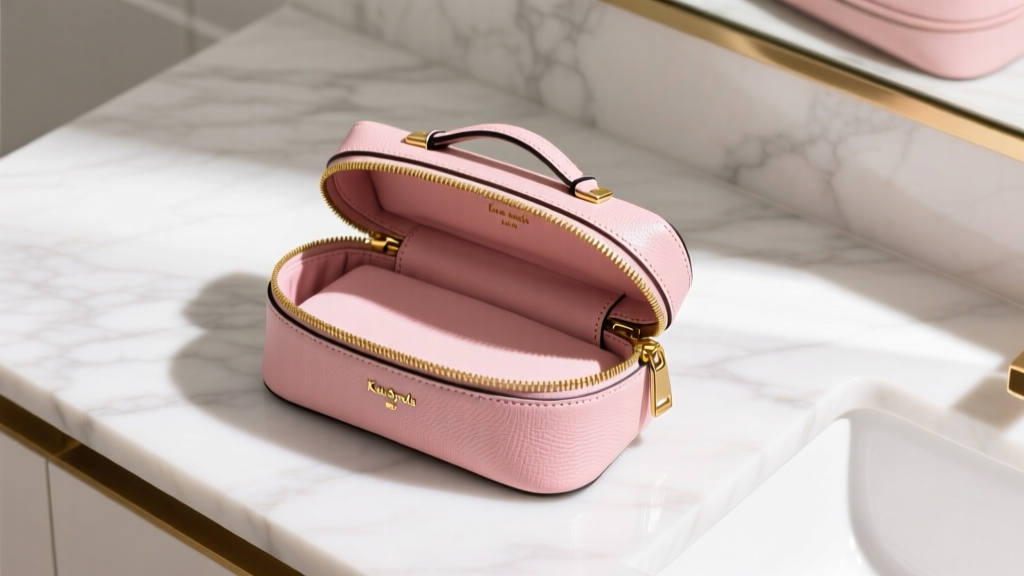
Traveling with your favorite accessories can induce anxiety for beginners. Tangled chains, scratched gemstones, and lost earring backs are common pitfalls when tossing jewelry into a standard toiletry bag. The Kate Spade travel jewelry case has become an industry staple for solving these exact problems. Combining structured organization with premium exterior materials, it offers a dedicated, protective environment for your collection on the go.
For those just starting to curate a jewelry wardrobe, understanding how to properly utilize a specialized organizer is crucial. As of 2026, the updated iterations of these cases feature refined Saffiano leather treatments and improved interior microfiber linings that resist lint buildup better than older velvet models. This guide will break down the anatomy of the case, provide a strategic packing framework, and teach you how to avoid common beginner mistakes that lead to damaged pieces.
Anatomy of the Case: Exterior and Interior Breakdown
Before packing, you need to understand the materials you are working with. The exterior of a standard Kate Spade travel jewelry case is crafted from Saffiano leather. This is a textured, cross-hatch leather that has been treated with a specialized wax finish. This wax coating makes the exterior highly scratch-resistant, water-repellent, and easy to wipe clean—a vital feature when your case is sitting on damp hotel bathroom counters.
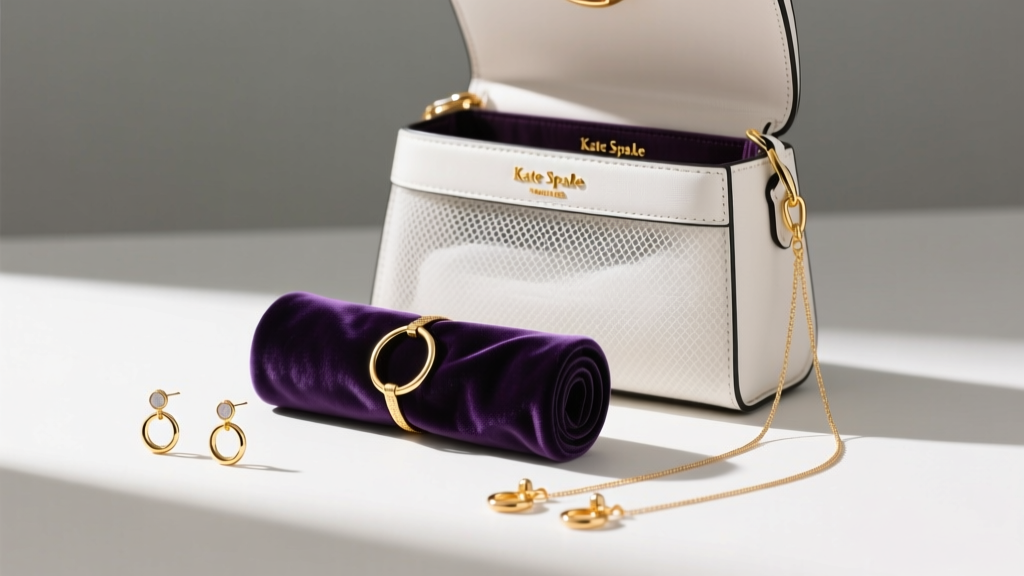
The interior is where the organizational magic happens. The lining is typically a soft, plush velvet or high-grade microfiber designed to cushion delicate metals. The standard layout includes three primary zones:
- The Ring Roll: A cylindrical, elasticized section with individual slip pockets designed to hold rings securely without them knocking against each other.
- The Snap Straps: Elastic bands with snap-button closures located on the inner flap, specifically engineered to keep necklaces and bracelets flat and tangle-free.
- The Gusseted Mesh Pouch: A zippered compartment on the opposite flap that expands slightly to accommodate bulkier items like hoop earrings, cuff bracelets, or small watches.
The Beginner’s Packing Framework for Tangle-Free Transit
Packing a jewelry case isn't as simple as throwing items into available slots. To prevent damage, follow this three-step framework based on material science and spatial awareness.
- Audit by Mohs Hardness: According to the Gemological Institute of America (GIA), gemstones have varying hardness levels. Diamonds rank at a 10 on the Mohs scale, while pearls and opals sit around 2.5 to 5.5. Never store diamonds in the same mesh pouch as pearls; the diamond will easily scratch the softer gem during transit.
- Zone Allocation: Assign items based on their structural vulnerability. Delicate chains go on the snap straps. Hard, scratch-resistant metals go in the mesh pouch. Rings go in the roll.
- The Closure Test: Once packed, gently close the case. If you feel resistance or hear a 'crunch,' the mesh pouch is overfilled. Forcing the zipper can bend prongs or crush hollow jewelry.
Compartment Mapping: Where Everything Belongs
Using the wrong compartment for a specific jewelry type is the fastest way to cause damage. Refer to the table below to ensure your pieces are stored in their optimal zones.
| Compartment Zone | Ideal Jewelry Type | Max Gauge / Thickness | Pro-Tip for Beginners |
|---|---|---|---|
| Ring Roll | Bands, solitaires, signets | Up to 5mm shank width | Alternate the direction of the rings (stone up, stone down) to maximize space and prevent gemstones from pressing against each other. |
| Snap Straps | Necklaces, tennis bracelets | Up to 4mm chain width | Fasten the clasp before looping through the strap to prevent the chain from slipping out and tangling. |
| Mesh Pouch | Hoops, cuffs, stud earrings | Up to 1.5 inches bulk | Pad the bottom of the pouch with a small microfiber cloth to absorb shock and prevent metal-on-metal friction. |
| Earring Holes (Piercings) | Standard studs, small drops | 20g to 14g posts only | Use silicone earring backs instead of metal butterfly backs to prevent tearing the interior fabric lining. |
TSA and Security Considerations
When traveling by air, security protocols play a major role in how you pack your jewelry. According to official TSA guidelines, valuables should always remain in your carry-on luggage rather than checked bags to prevent loss or theft. The compact profile of the Kate Spade travel jewelry case makes it easy to slip into a personal item or carry-on.
Expert Tip: If you are traveling with high-value items, keep the jewelry case in your personal bag (like a purse or laptop bag) rather than the overhead bin carry-on. This ensures your pieces remain within your physical line of sight at all times during boarding and deplaning.
Material Care and Anti-Tarnish Protocols
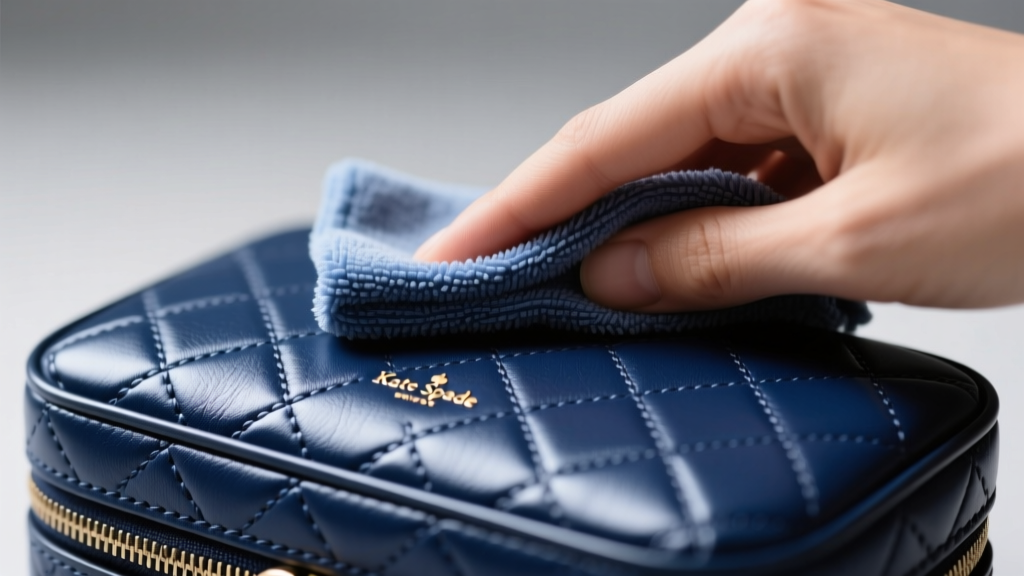
Maintaining the case itself is just as important as maintaining the jewelry inside it. The Saffiano leather exterior requires minimal upkeep. The brand's official care instructions recommend simply wiping the exterior with a soft, dry cloth. Avoid using harsh chemical leather conditioners, as they can strip the protective wax coating that gives Saffiano its signature durability and water resistance.
For the interior, lint and dust are the main enemies. Use a standard sticky lint roller or a soft-bristled makeup brush to gently sweep out the velvet or microfiber lining every few trips. To combat tarnish—especially for sterling silver pieces—tuck a 3M anti-tarnish strip into the mesh pouch. These strips absorb sulfur compounds in the air that cause silver to oxidize and turn black, keeping your metals bright even in humid travel destinations.
Common Beginner Mistakes to Avoid
Even with a premium organizer, poor habits can lead to damaged goods. Avoid these three critical errors:
1. Forcing Thick Gauges into Earring Holes: The small punched holes on the interior flap are designed for standard 20-gauge to 14-gauge earring posts. Attempting to force thick body jewelry, such as 8-gauge or 6-gauge plugs or heavy septum clickers, through these holes will permanently tear the fabric lining and stretch the elastic.
2. Storing Wet Jewelry: Taking off a necklace after swimming in a chlorinated pool or the ocean and immediately sealing it inside the case traps moisture. This accelerates tarnishing on silver and can degrade the adhesive on pearl settings. Always dry your pieces thoroughly with a microfiber cloth before packing them away.
3. Overloading the Snap Straps: While the elastic straps are sturdy, wrapping heavy, multi-layered chain necklaces around a single strap can cause the elastic to warp over time, losing its tension and failing to secure your jewelry properly.
Final Verdict for New Collectors
Investing in a dedicated Kate Spade travel jewelry case is one of the highest-ROI purchases a beginner can make. By understanding the material limitations, respecting the Mohs hardness scale when grouping items, and practicing proper case maintenance, you will ensure your accessories arrive at your destination in the exact same pristine condition they left your home.


