Material Guide: Choosing a Personalized Jewelry Box for Girl
Discover the best woods, linings, and plastics for a personalized jewelry box for girl. Protect her treasures from tarnish with our material guide.

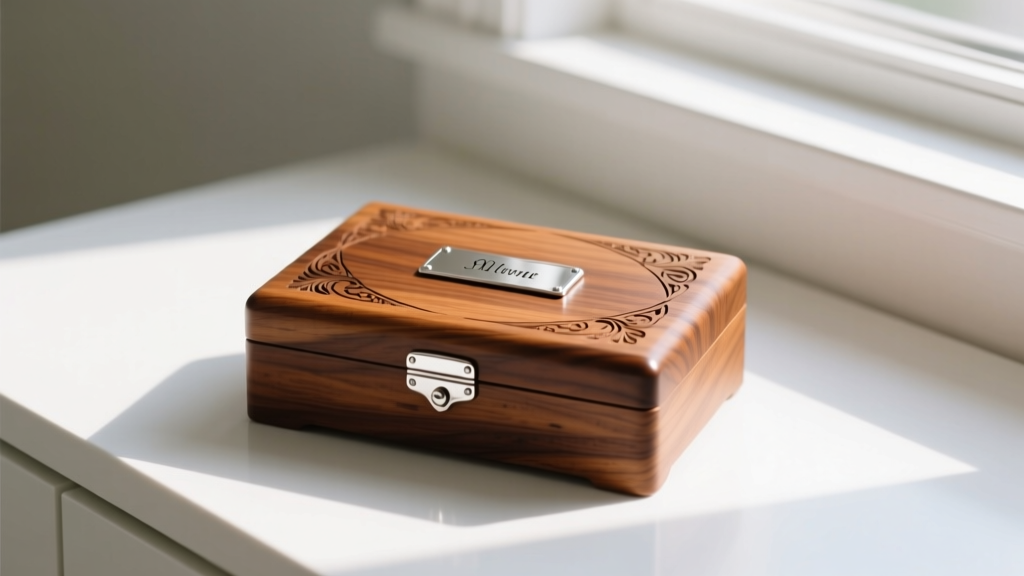
When selecting a personalized jewelry box for girl, most buyers focus entirely on the aesthetic: the font of the engraving, the pastel color palette, or the whimsical shape. However, as a jewelry storage expert, I always urge parents and gift-givers to look beneath the surface. A young girl's jewelry collection is often a highly volatile mix of materials. She might store a delicate sterling silver charm bracelet right next to a zinc-alloy fashion ring and a gold-plated heirloom. If the storage environment is chemically hostile, her favorite pieces will tarnish, degrade, or trigger contact dermatitis before she even reaches high school.
Understanding the material science of jewelry storage is critical. In this comprehensive guide, we will dissect the exterior shells, interior linings, adhesives, and personalization techniques that separate a harmful trinket box from an archival-grade storage solution designed to protect her growing collection.
The Chemistry of Tarnish: Why the Box Material Matters
Before evaluating specific woods and fabrics, we must understand the enemy: tarnish. According to the Silver Institute, silver tarnish is primarily caused by a reaction between silver and hydrogen sulfide in the air, creating silver sulfide. However, in an enclosed space like a jewelry box, the primary culprits are often the materials of the box itself. Many cheap manufacturing materials off-gas volatile organic compounds (VOCs), sulfur, and acidic vapors that accelerate oxidation and chemical degradation. A poorly constructed box essentially acts as a tarnish incubator.
Exterior Shell Materials: Wood, MDF, and Acrylic
The outer shell dictates the structural integrity and the baseline chemical environment of the box. Here is how the most common materials stack up for a child's jewelry storage.
Medium-Density Fiberboard (MDF) and Particleboard
Most mass-market, budget-friendly jewelry boxes are constructed from MDF. While MDF is cheap and takes paint well, it is bound together using urea-formaldehyde resins. In an unventilated bedroom, formaldehyde off-gassing can occur for years. While primarily a respiratory irritant, acidic off-gassing in a sealed micro-environment can dull the finish of porous gemstones like pearls and opals. For a high-quality personalized jewelry box for girl, MDF should be avoided unless it is certified CARB Phase 2 compliant and fully sealed with a non-permeable polyurethane coating.
Solid Woods: Baltic Birch vs. Black Walnut
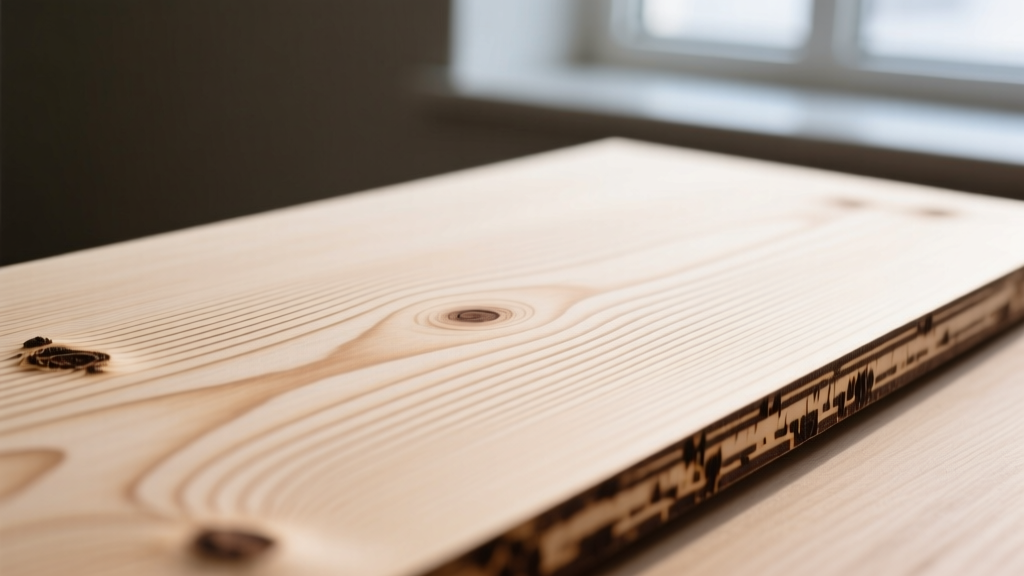
Solid wood is the gold standard for heirloom-quality storage, but not all woods are created equal. Baltic Birch is a premier choice. It features a tight, uniform grain, low sap content, and excellent dimensional stability, meaning it will not warp and crack in fluctuating bedroom humidity. Black Walnut offers a stunning, rich aesthetic for laser engraving, but it naturally contains tannins and acidic oils. If a manufacturer uses raw, unsealed walnut, those acids can transfer to metal hardware and jewelry. Always ensure wooden boxes are sealed with a water-based, archival-grade polyurethane to lock in natural wood acids.
Cast Acrylic (PMMA)
Acrylic is chemically inert and will not off-gas sulfur or acids, making it exceptionally safe for sensitive metals. However, acrylic offers zero humidity buffering. If a girl lives in a humid climate and opens her acrylic box frequently, the trapped moisture will condense on the interior walls, promoting rust on iron-based alloy jewelry. Acrylic is best reserved for display-heavy organizers rather than long-term enclosed storage.
Interior Linings: The Frontline Defense
The interior lining is the most critical component of any jewelry organizer, as it maintains direct contact with the metals. The American Institute for Conservation (AIC) strictly warns against using materials containing sulfur or chlorides near silver and copper alloys.
The Danger of PVC and Vinyl 'Velvet'
Many affordable boxes use a fuzzy, velvet-like material that is actually woven from PVC (Polyvinyl Chloride) or coated with vinyl plasticizers. Over time, these plasticizers break down and release sulfur compounds and hydrochloric acid. If you notice a cheap velvet lining developing a sticky residue or a distinct chemical odor, it is actively destroying the jewelry resting upon it.
Archival-Grade Solutions
- Pacific Silvercloth: This is the ultimate lining for silver jewelry. The fabric is embedded with microscopic silver particles that act as a sacrificial anode. The sulfur in the air reacts with the cloth's silver particles before it can reach the girl's jewelry, effectively halting tarnish in its tracks.
- 100% Cotton Flannel: Unbleached, acid-free cotton flannel is a breathable, safe alternative that does not trap moisture or off-gas harmful chemicals.
- Cross-Linked Polyethylene Foam (Plastazote): Used in museum conservation, this closed-cell foam is completely inert, non-abrasive, and provides excellent shock absorption for delicate gemstone settings.
Hardware, Adhesives, and Personalization Techniques
The details of construction often reveal the true quality of a personalized jewelry box for girl. Hinges, clasps, and the engraving process all introduce foreign materials into the storage ecosystem.
Hinges and Clasps
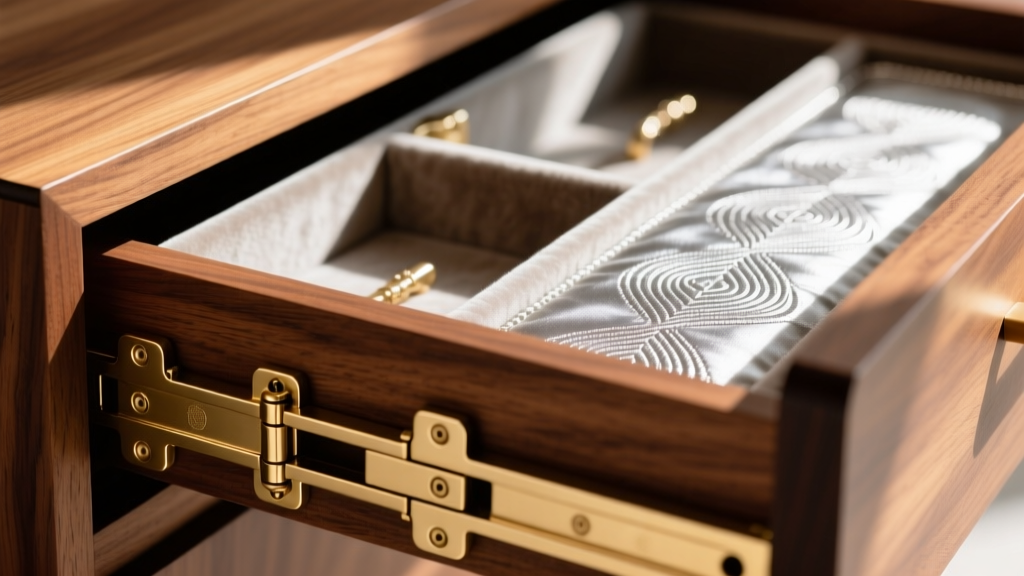
Avoid zinc-alloy or nickel-plated hinges. Nickel is a common allergen, and cheap plating will eventually flake off, exposing the underlying metal to rust. Look for boxes that utilize solid brass or stainless steel (Grade 316) piano hinges. Brass is naturally corrosion-resistant and, when properly lacquered, will not react with the interior environment.
The Adhesive Problem
How the lining is attached matters just as much as the lining itself. Cheap cyanoacrylate (super glue) or rubber-based contact cements emit harsh VOCs as they cure and degrade. High-end manufacturers use archival PVA (Polyvinyl Acetate) adhesives, which dry completely neutral and remain flexible, ensuring the fabric does not peel away from the wood substrate over time.
Personalization: Laser Engraving vs. UV Printing
When adding a name or monogram, the method of personalization affects the box's chemical safety. CO2 Laser Engraving uses a 10.6 μm wavelength beam to vaporize the wood surface, leaving a permanent, tactile mark without introducing any foreign inks or chemicals. Conversely, cheap UV printing lays down layers of acrylic inks and volatile solvents on the surface of the box. While UV printing allows for full-color graphics, the inks can chip over time, and lower-quality solvents may off-gas in an enclosed bedroom space.
Material Comparison Matrix
Use this quick-reference table to evaluate the material specifications of any jewelry box before purchasing.
| Component | Poor / Harmful Choice | Good / Safe Choice | Archival / Premium Choice |
|---|---|---|---|
| Exterior Shell | Raw MDF, Unsealed Oak | Sealed Walnut, Bamboo | Baltic Birch, Cast Acrylic |
| Interior Lining | PVC Velvet, Synthetic Suede | Rayon Velvet, PU Leather | Pacific Silvercloth, Plastazote |
| Adhesives | Rubber Cement, Hot Glue | Standard PVA Wood Glue | Archival Acid-Free PVA |
| Hardware | Zinc Alloy, Nickel Plate | Steel with Anti-Rust Coat | Solid Brass, 316 Stainless |
| Engraving | Vinyl Decals, Solvent Ink | UV Printed Acrylic Ink | CO2 Laser Vaporization |
Managing Humidity and Environmental Factors
Even the most chemically inert personalized jewelry box for girl will fail if moisture is allowed to pool inside. Wood is naturally hygroscopic, meaning it absorbs and releases moisture from the air, which can help buffer minor humidity fluctuations. However, in highly humid environments, additional desiccants are required.
Avoid standard silica gel packets, which can become saturated and leak a corrosive brine if punctured by a sharp brooch pin. Instead, opt for activated charcoal sachets or calcium chloride-based moisture absorbers housed in rigid, puncture-proof plastic shells. According to the Gemological Institute of America (GIA), maintaining a stable, dry environment is just as crucial as regular cleaning for preserving the structural integrity of porous gems like turquoise and lapis lazuli, which are common in children's bohemian-style jewelry.
Final Verdict: Investing in Material Integrity
A personalized jewelry box for girl is more than just a decorative item; it is the primary guardian of her sentimental and financial assets. By prioritizing Baltic birch or sealed solid woods, demanding Pacific Silvercloth or acid-free cotton linings, and insisting on solid brass hardware and laser engraving, you ensure that the box itself will never be the cause of tarnish or damage. When shopping, always look past the cute exterior and ask the manufacturer specific questions about their adhesives and lining materials. True luxury and care in jewelry storage are defined by the invisible, chemical realities of the materials chosen to protect what lies inside.


