2026 Trend Analysis: The Modern Plastic Jewelry Box
Discover how the modern plastic jewelry box evolved in 2026. Explore material grades, design trends, and expert tips for safe, stylish storage.

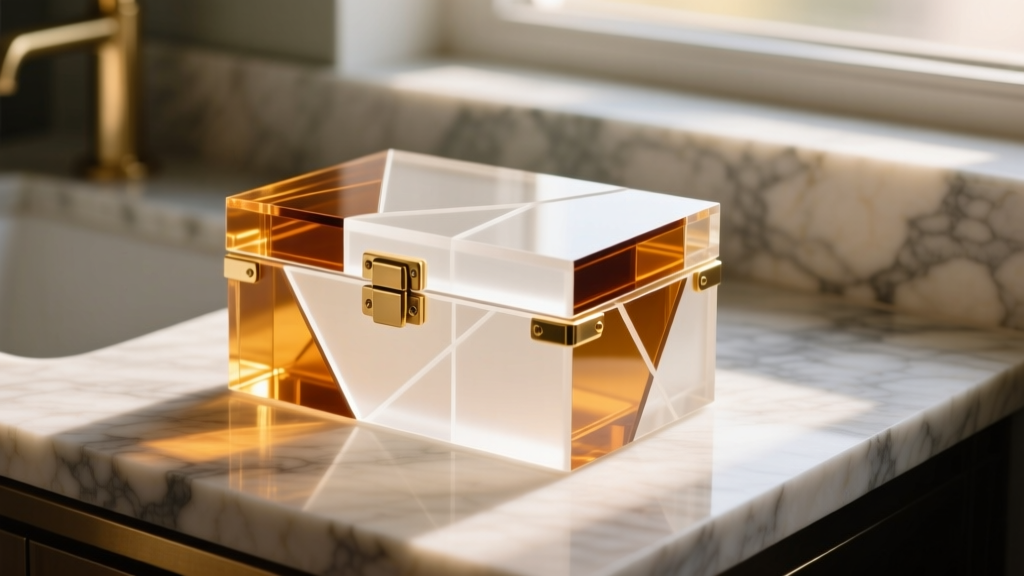
The Renaissance of the Plastic Jewelry Box
For decades, the phrase 'plastic jewelry box' conjured images of flimsy, mass-produced polystyrene containers that warped in the heat, snapped at the hinges, and ultimately damaged the very pieces they were meant to protect. However, as we navigate the design landscape of 2026, a remarkable material renaissance has occurred. Driven by advancements in polymer chemistry and a shift toward modular, minimalist interiors, the modern plastic jewelry box has been elevated from a budget afterthought to a premium, museum-grade storage solution.
Today's discerning collectors are no longer reaching for heavy, velvet-lined wooden chests that trap moisture and harbor acidic glues. Instead, they are turning to high-grade acrylics and PETG polymers that offer optical clarity, modular stackability, and inert chemical properties. According to the Gemological Institute of America (GIA), proper storage is critical to preventing micro-scratches on softer gemstones and metals, making the structural integrity and interior lining of your storage unit paramount.
Material Science: Beyond Cheap Polystyrene
Not all plastics are created equal. The failure of early plastic organizers was largely due to the use of cheap extruded polystyrene, which is prone to UV degradation, yellowing, and catastrophic hinge failure. In 2026, premium storage relies on three distinct polymer categories, each with specific use cases and price points.
| Material | Grade | Optical Clarity | Impact Resistance | UV Stability | Price Range |
|---|---|---|---|---|---|
| Cell-Cast Acrylic | Premium | 92% Light Transmission | Moderate | Excellent (with inhibitors) | $45 - $120 |
| Extruded Acrylic | Mid-Tier | 88% Light Transmission | Low (Brittle) | Poor (yellows in 2-3 yrs) | $20 - $40 |
| PETG | Utility | 85% Light Transmission | High (Shatterproof) | Good | $15 - $35 |
| Polystyrene | Budget | 80% Light Transmission | Very Low | Terrible (rapid yellowing) | $5 - $15 |
Cell-cast acrylic is the gold standard for high-end display boxes. Manufactured by pouring liquid resin into molds, it boasts superior optical clarity and can be polished to a glass-like finish. PETG (Polyethylene Terephthalate Glycol) is the material of choice for modular, stackable drawer systems due to its high impact resistance and slight flexibility, which prevents cracking when snapped together.
Design Trends: Modularity and the 'Dopamine' Aesthetic
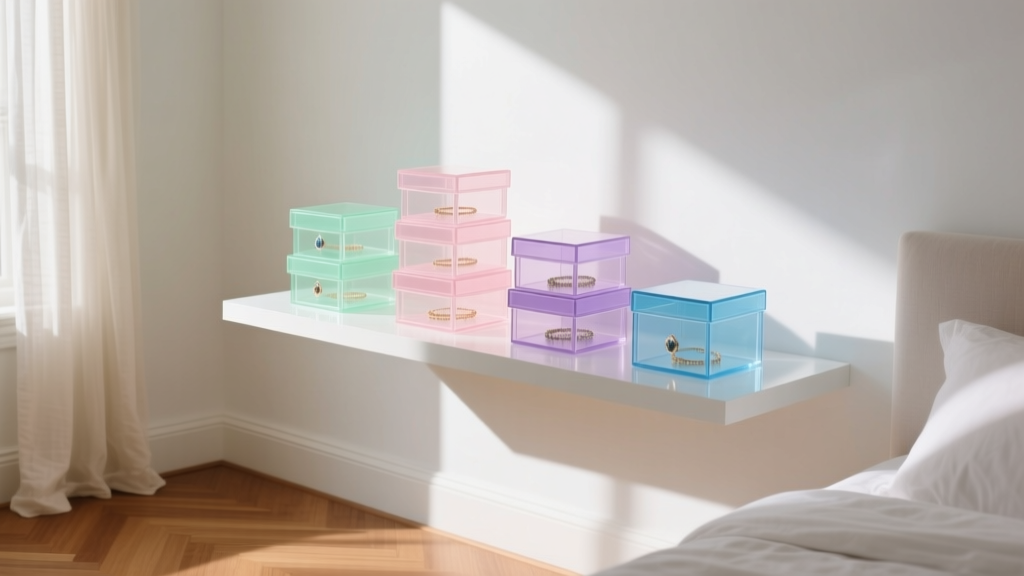
The 2026 interior design landscape is defined by the intersection of 'Quiet Luxury' and 'Dopamine Decor.' This has heavily influenced plastic jewelry storage. We are seeing a massive surge in translucent, pastel-tinted PETG boxes that allow collectors to color-code their storage while maintaining a light, airy aesthetic. Unlike the opaque, heavy jewelry armoires of the past, these tinted plastic boxes act as functional art pieces on floating shelves and vanities.
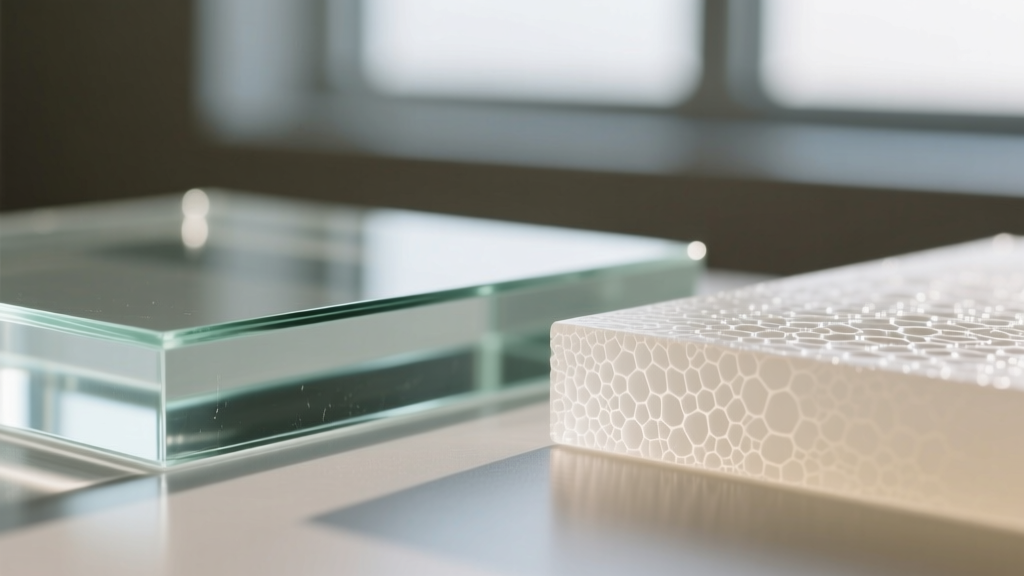
Furthermore, hardware has seen a dramatic upgrade. The plastic snap-fits of the 2010s have been replaced by unlacquered brass and matte black steel pin hinges. This not only solves the issue of hinge fatigue but also introduces a warm, tactile contrast to the cool, smooth surface of the acrylic. Brands are now pairing optical-grade clear acrylic shells with removable, food-grade silicone interior trays. Silicone is highly favored over traditional flocked velvet because it does not shed microfibers, trap ambient moisture, or contain the acidic dyes that can accelerate silver tarnishing.
Failure Modes: What to Avoid When Buying
Despite the advancements in polymer technology, the market is still flooded with subpar imitations. When shopping for a plastic jewelry box, be vigilant against these three critical failure modes:
- Living Hinges: Avoid any box where the lid is connected by a thin, folded strip of the same plastic (a living hinge). These accumulate stress and will inevitably snap after 300-500 articulation cycles. Always demand metal pin hinges.
- Static Cling and Abrasion: Plastics are dielectrics, meaning they easily build up static charges. This static attracts micro-dust from the air, which settles on your jewelry and acts as an abrasive on soft metals like 24k gold and high-polish silver. Look for boxes treated with anti-static coatings, or plan to use an ionizing brush on your collection.
- VOC Off-Gassing: Low-grade, recycled plastics often release volatile organic compounds (VOCs) and sulfur-based plasticizers over time. In an enclosed space, these gases react with silver and copper alloys to form silver sulfide (tarnish). If a new plastic box has a strong, pungent chemical odor, do not use it for fine jewelry.
As noted by experts at Tiffany & Co., keeping jewelry in a dry, non-abrasive, and chemically inert environment is the first line of defense against premature tarnishing and gemstone dulling.
Maintenance: Caring for Acrylic and PETG
Owning a premium plastic jewelry box requires a specific maintenance routine to preserve its optical clarity. The most common mistake consumers make is cleaning acrylic with standard glass cleaners like Windex. The ammonia in these cleaners causes 'crazing'—a network of micro-fractures that clouds the plastic and weakens its structural integrity.
To maintain your acrylic or PETG organizer, use a clean, plush microfiber cloth and a specialized plastic polish such as Novus 2 (Fine Scratch Remover). Spray the polish onto the cloth, not directly onto the box, to prevent liquid from seeping into the hinge mechanisms or interior silicone seams. For daily dusting, a soft-bristled makeup brush or an anti-static Swiffer duster will safely remove particulates without scratching the surface. By treating your plastic storage with the same care as the jewelry it holds, you ensure a pristine, gallery-worthy display for decades to come.
Final Verdict on the Acrylic Shift
The evolution of the plastic jewelry box is a testament to how material science can completely redefine a product category. By moving away from brittle polystyrene and embracing cell-cast acrylics, impact-resistant PETG, and premium metal hardware, modern storage solutions now offer unparalleled visibility, modularity, and protection. Whether you are curating a high-end collection of diamond solitaires or organizing a vibrant array of everyday enamel pieces, the 2026 iteration of the plastic jewelry box is an indispensable tool for the style-conscious collector.


