Painted Jewelry Armoire: 2026 Budget & Value Assessment
Discover if a painted jewelry armoire is worth the investment in 2026. We break down materials, paint safety, hardware, and true value.

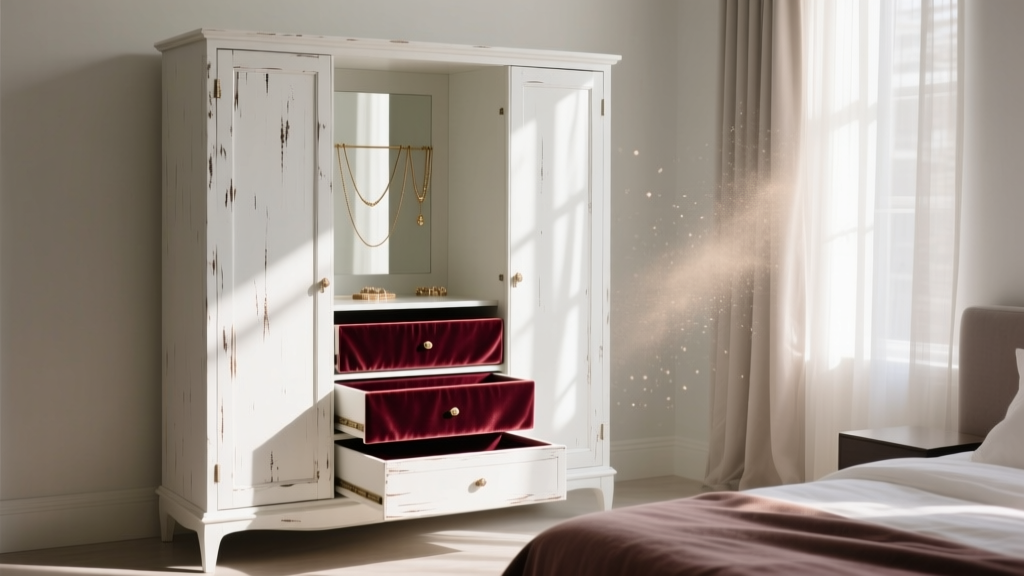
The allure of a beautifully painted jewelry armoire is undeniable. It serves as both a functional storage sanctuary for your precious metals and gemstones, and a striking piece of bedroom furniture. However, as we navigate the 2026 furniture market, the price disparity between a $90 flat-pack painted armoire and a $600 handcrafted solid-wood piece raises a critical question: where is the true value, and where are the hidden costs? In this comprehensive budget and value assessment, we dissect the materials, paint chemistry, and structural integrity of painted jewelry armoires to help you make an informed investment that protects your collection.
The Anatomy of a Painted Armoire: What Are You Paying For?
When evaluating the budget versus the premium tier of painted jewelry storage, the primary cost driver is the core substrate beneath the paint. The exterior finish can easily mask inferior construction, making it vital to look past the aesthetic.
Core Substrates: MDF vs. Solid Wood
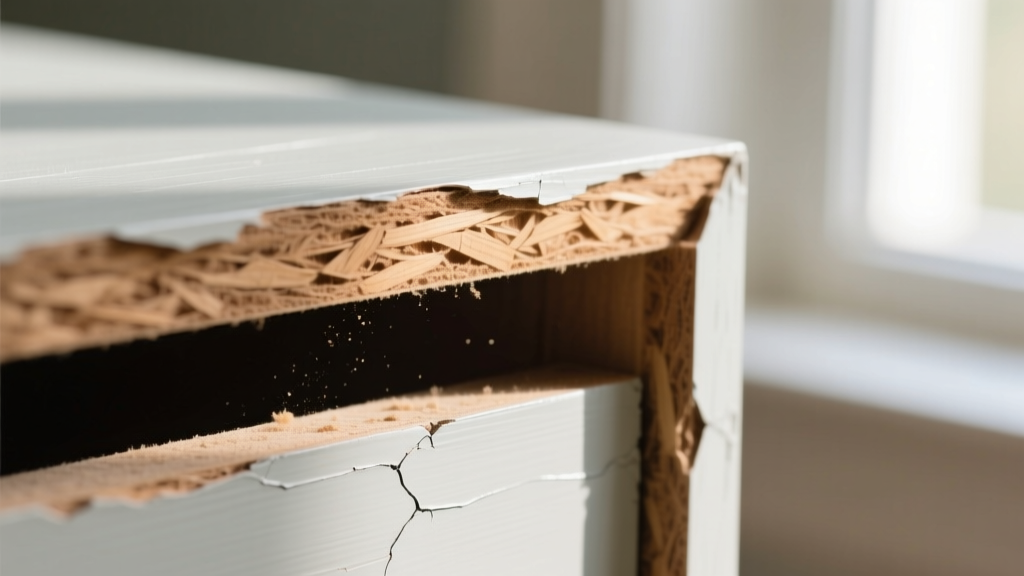
Budget painted armoires (typically priced between $80 and $150) are almost exclusively constructed from Medium-Density Fiberboard (MDF). MDF provides a perfectly smooth, grain-free surface that is ideal for painted finishes, particularly chalk or matte paints. However, MDF is highly susceptible to moisture swelling and lacks structural holding power for screws. Over time, the hinges on MDF armoires tend to strip and pull out, leading to misaligned doors that expose your jewelry to dust and humidity.
Mid-range options ($180 to $300) often utilize plywood cores with solid wood face frames. This offers a massive upgrade in screw-holding strength and moisture resistance while maintaining a smooth surface for painting. Premium armoires ($350 to $800+) use solid hardwoods like poplar, maple, or rubberwood. While solid wood has a natural grain that requires more prep work and primer to achieve a flawless painted finish, it offers generational durability and allows for intricate routed details that MDF cannot replicate without chipping.
Paint Chemistry and VOC Off-Gassing
The type of paint used is not just an aesthetic choice; it is a chemical factor that can impact your jewelry. According to the Environmental Protection Agency (EPA), certain paints and finishes emit Volatile Organic Compounds (VOCs) long after they feel dry to the touch. Budget armoires often use low-grade alkyd or acrylic latex paints that may off-gas trace sulfur compounds or acidic vapors as they cure in enclosed spaces. These vapors become trapped inside the drawers and accelerate the oxidation of sterling silver and copper.
2026 Pricing Tiers and Value Breakdown
To understand where your money is actually going, we have segmented the current market into three distinct value tiers. This table highlights the exact specifications you should expect at each price point.
| Feature | Budget ($80 - $150) | Mid-Range ($180 - $300) | Premium ($350 - $800+) |
|---|---|---|---|
| Core Material | MDF / Particleboard | Cabinet-grade Plywood | Solid Hardwood (Poplar/Maple) |
| Joinery | Cam locks, wooden dowels | Dado joints, pocket screws | Dovetail drawers, mortise & tenon |
| Paint Finish | Spray lacquer, thin coat | Baked enamel, poly topcoat | Hand-brushed, multi-step glaze |
| Hardware | Friction-fit butt hinges | Steel piano hinges | Solid brass, soft-close undermount |
| Interior Lining | Standard synthetic velvet | Anti-tarnish treated felt | Pacific Silvercloth or suede |
| Expected Lifespan | 2 - 4 Years | 7 - 12 Years | Lifetime / Heirloom |
The Tarnish Trap: When Paint Attacks Silver
One of the most overlooked aspects of buying a painted jewelry armoire is how the interior environment interacts with your collection. The Gemological Institute of America (GIA) emphasizes that proper storage is critical to preventing environmental damage to gems and metals. Sterling silver tarnishes when it reacts with sulfur in the air to form silver sulfide.
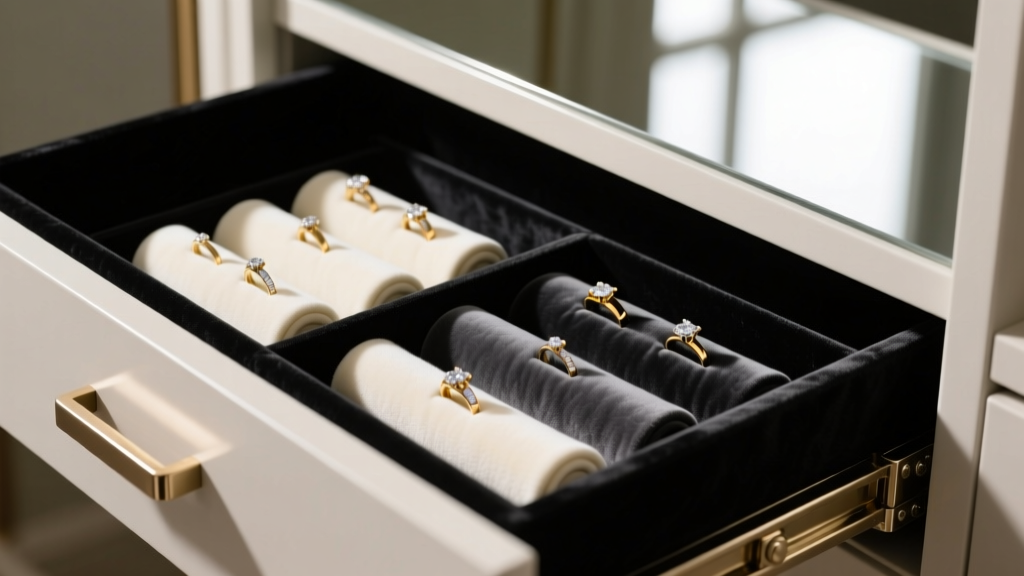
If a painted armoire is not properly sealed on the *inside*, the raw wood or MDF can absorb ambient humidity and release trapped odors or chemical residues from the manufacturing process. Furthermore, standard synthetic velvet linings found in budget models are often dyed with sulfur-based compounds. If you are investing in a mid-range or premium painted armoire, ensure the interior features a dedicated anti-tarnish lining, such as Pacific Silvercloth, which contains microscopic silver particles that intercept and neutralize tarnish-causing gases before they reach your jewelry.
The Upcycling Route: Restoring Vintage Painted Armoires
For the DIY-savvy collector, the highest value in 2026 often lies outside the retail showroom. Sourcing a vintage solid-wood armoire and painting it yourself can yield a premium-quality piece for a fraction of the cost. However, proper preparation is mandatory to protect your jewelry.
- Strip and Sand: Remove old finishes to prevent chemical reactions between legacy lead-based paints and modern topcoats.
- Seal the Interior: Use a shellac-based primer (like Zinsser B-I-N) on the interior drawers. Shellac is an unparalleled odor and VOC barrier, ensuring no trapped wood acids or old paint fumes will off-gas onto your silver.
- Topcoat Selection: Finish the exterior with a water-based polyurethane. Avoid oil-based polyurethanes for the interior, as they take months to fully cure and emit fumes that will instantly tarnish silver.
How to Evaluate Value In-Store or Online
Whether you are browsing a boutique furniture store or ordering online, use this rapid assessment checklist to determine if a painted jewelry armoire is worth its asking price:
- The Drawer Pull Test: Pull the drawer out completely. If it wobbles side-to-side or feels like it might detach, the joinery is likely stapled or glued rather than dovetailed or screwed.
- The Edge Inspection: Look closely at the painted edges of the doors and drawers. Budget MDF pieces often show a slight 'fuzziness' or micro-chipping under the paint where the router bit tore the fibers.
- The Hinge Check: Open the main cabinet doors. High-value armoires use adjustable, concealed European hinges or heavy-duty piano hinges. If you see small, unadjustable brass butt hinges screwed directly into MDF, walk away.
- The Sniff Test: Open the drawers and smell the interior. A strong chemical, sour, or 'new car' odor indicates high VOC off-gassing and poor interior sealing, which is a red flag for silver storage.
Final Verdict: Is the Investment Justified?
A painted jewelry armoire is a highly justified investment, provided you align your budget with your collection's value. If you are storing fashion jewelry and base metals, a $120 MDF armoire with standard velvet lining offers excellent aesthetic value and sufficient protection. However, if you are safeguarding fine sterling silver, opals, or high-karat gold, bypass the budget tier entirely. Investing $300+ in a plywood or solid-wood armoire with a sealed, anti-tarnish interior and soft-close hardware is not just a furniture purchase; it is a vital preservation strategy for your most cherished assets.


