Pat Yoshikawa Jewelry Box: Wood Material & Craft Analysis
Discover the material science behind the Pat Yoshikawa jewelry box. We compare artisan wood properties, linings, and anti-tarnish features.

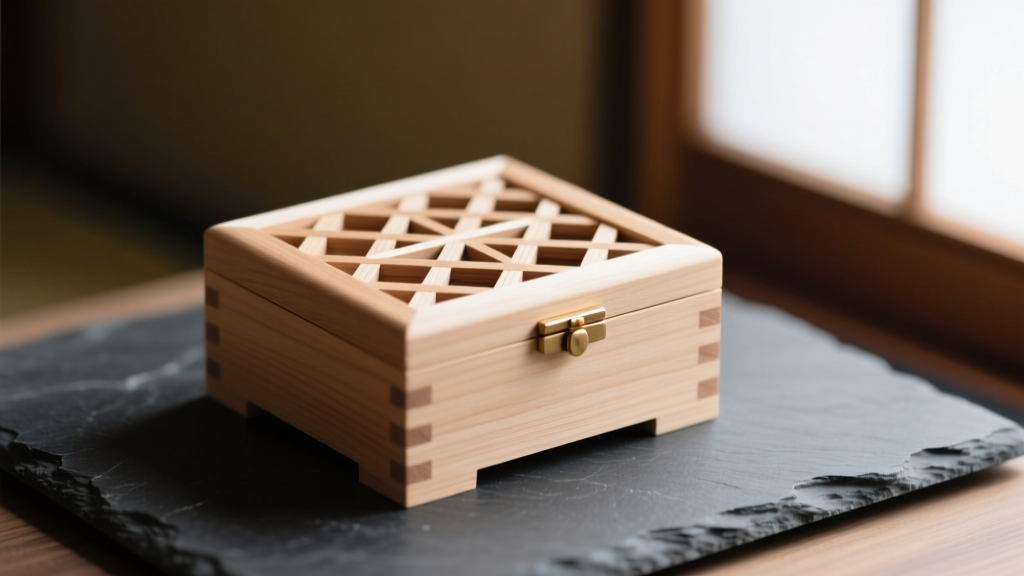
The Artisan Standard: Deconstructing the Pat Yoshikawa Jewelry Box
In the realm of high-end jewelry storage, the container is never merely a box; it is a controlled micro-climate designed to arrest the chemical degradation of precious metals and gemstones. As collectors in 2026 increasingly pivot away from mass-produced, glue-heavy storage solutions, artisan-crafted alternatives have surged in prominence. The Pat Yoshikawa jewelry box represents a pinnacle of this movement, merging traditional Japanese woodworking techniques with rigorous material science. To understand why serious collectors invest in these pieces, we must look past the aesthetic beauty and examine the cellular structure of the woods used, the chemistry of the adhesives, and the metallurgy of the hardware.
Unlike commercial jewelry organizers that prioritize rapid manufacturing and low cost, the Pat Yoshikawa approach treats jewelry preservation as an exercise in archival conservation. This analysis breaks down the specific material properties that separate true heirloom storage from decorative but chemically hazardous alternatives.
Core Wood Species and Moisture Dynamics
The foundation of any Pat Yoshikawa jewelry box is the careful selection of timber, predominantly focusing on Paulownia tomentosa (Kiri) and Chamaecyparis obtusa (Hinoki). These are not arbitrary aesthetic choices; they are functional decisions rooted in hygroscopic performance.
Paulownia is renowned in Japanese cabinetry for its exceptionally low specific gravity (ranging from 0.23 to 0.30 g/cm³) and remarkable dimensional stability. Because jewelry storage requires a stable relative humidity (RH) to prevent organic gems like pearls and opals from crazing or dehydrating, the wood must act as a natural moisture buffer. Paulownia’s cellular structure allows it to absorb and release ambient moisture rapidly, maintaining a localized RH equilibrium. Furthermore, it contains natural tannins and paulownin, which act as organic insect repellents, safeguarding natural fiber linings and pearl necklaces from microscopic pests.
Hinoki, occasionally used for structural framing or accent joinery, offers a different set of properties. It is rich in natural antimicrobial oils (hinokitiol), which prevents mold growth in humid environments. However, raw Hinoki is mildly acidic. In a master-crafted box, the interior surfaces of Hinoki components are either sealed with archival-grade microcrystalline wax or isolated from the jewelry via inert barriers to prevent acid migration to sensitive metals.
Material Comparison: Artisan Hardwoods vs. Mass-Market Alternatives
To contextualize the material superiority of artisan boxes, we must compare them against the standard materials found in commercial jewelry organizers. The table below outlines the critical preservation metrics of various storage materials.
| Material | Density (g/cm³) | Sulfur Off-Gassing Risk | Moisture Buffering | Archival Lifespan |
|---|---|---|---|---|
| Paulownia (Artisan) | 0.23 - 0.30 | None (if hide-glued) | Excellent | 100+ Years |
| Solid Black Walnut | 0.55 - 0.65 | Low | Moderate | 75+ Years |
| MDF / Particleboard | 0.60 - 0.80 | High (Urea-formaldehyde) | Poor (Swells) | 5 - 15 Years |
| Injection Molded ABS | 1.04 - 1.06 | Moderate (Plasticizers) | None | 20 - 50 Years |
The Hidden Danger of Engineered Wood Off-Gassing
The most catastrophic failure mode in commercial jewelry storage is chemical tarnishing accelerated by off-gassing. Medium-Density Fiberboard (MDF) and plywood are ubiquitous in mid-tier jewelry boxes. However, these engineered woods rely on urea-formaldehyde resins and sulfur-bearing vulcanized rubber adhesives. According to guidelines published by the Smithsonian Museum Conservation Institute, sulfur compounds in the immediate environment react with the copper alloyed in sterling silver to form silver sulfide (Ag₂S), the black tarnish layer that damages patinas and requires abrasive polishing to remove.
The Pat Yoshikawa jewelry box circumvents this entirely by utilizing traditional nikawa (animal hide glue) or specialized low-VOC, sulfur-free polyvinyl acetate (PVA) adhesives. Conservationists frequently use Oddy Tests to evaluate the off-gassing of materials in enclosed spaces; artisan woods and traditional glues consistently pass these rigorous 28-day accelerated aging tests, whereas commercial MDF fails rapidly, corroding silver and copper coupons.
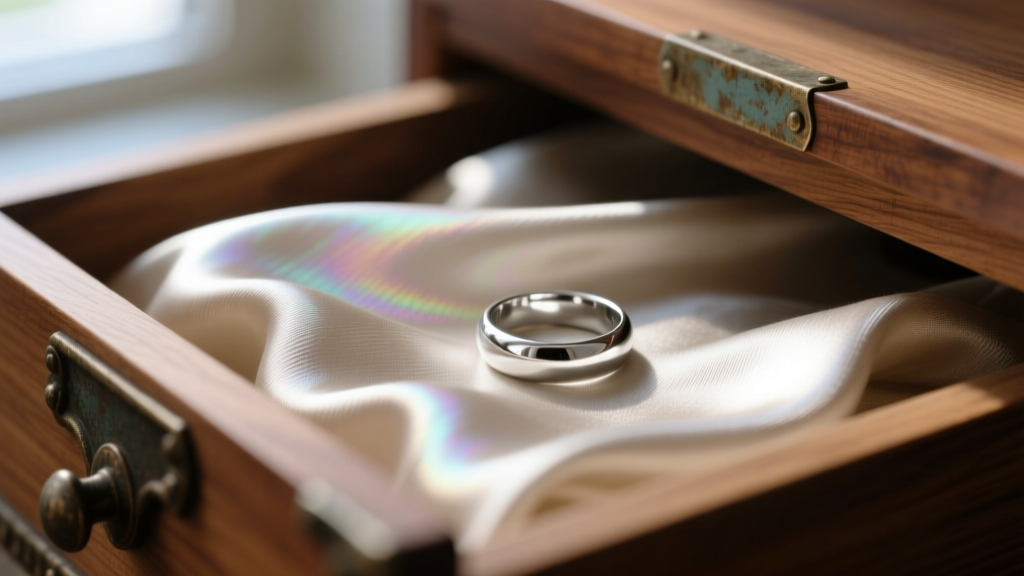
Interior Linings and Anti-Tarnish Properties
The interior lining of a jewelry box is the primary point of contact for your collection. While mass-market boxes utilize polyurethane (PU) foams and synthetic velvets, these materials pose significant risks. PU foams are often open-cell structures that trap moisture and ambient pollutants, pressing them directly against the metal. Furthermore, synthetic dyes used in cheap velvets can undergo photodegradation, transferring color to porous gemstones like turquoise and untreated jadeite.
Artisan alternatives prioritize inert, natural fibers. Unweighted, raw silk is a preferred lining in high-end Japanese woodworking. Silk is a protein fiber that does not harbor static electricity, meaning it will not attract abrasive dust particles to the surface of soft metals like high-karat gold. For collectors specifically focused on silver preservation, modern artisan boxes sometimes integrate Pacific Silvercloth—a specialized cotton flannel embedded with microscopic silver particles that act as a sacrificial anode, intercepting sulfur gases before they reach the stored jewelry.
Hardware and Hinge Metallurgy
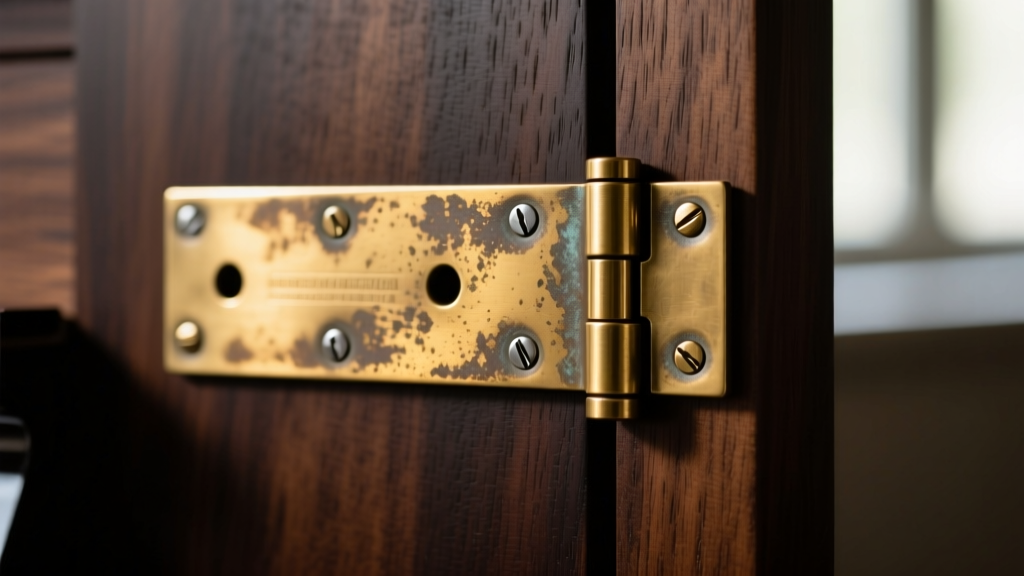
A frequently overlooked component of jewelry storage is the metallurgy of the hardware. Hinges, clasps, and drawer pulls in commercial boxes are typically cast from Zamak (a zinc alloy containing aluminum, magnesium, and copper). Zamak is prone to 'zinc pest'—a slow, destructive oxidation that causes the metal to swell, crumble, and eventually seize, potentially damaging the wood structure of the box itself.
In contrast, the hardware on a Pat Yoshikawa jewelry box is traditionally forged from solid brass or bronze. These copper alloys develop a stable, protective patina over time rather than degrading structurally. Furthermore, the hinges are mechanically fastened using flush-mounted, corrosion-resistant steel or brass screws, rather than relying on friction-fit pins or toxic epoxy resins that can degrade and off-gas within the enclosed drawer space.
Verdict: Is the Artisan Approach Worth the Investment?
Evaluating the Pat Yoshikawa jewelry box requires shifting the perspective from 'buying a container' to 'investing in preventative conservation.' A mass-market MDF and velvet box typically retails between $40 and $120, but its functional lifespan regarding chemical safety is often less than a decade before off-gassing and foam degradation compromise the contents. Conversely, an artisan-crafted Paulownia and Hinoki box commands a premium, generally ranging from $650 to $1,800 depending on the complexity of the kumiko joinery and the grade of the silk interiors.
However, when measured against the cost of professional jewelry repolishing, gemstone rehydration, and the irreversible loss of antique patinas, the material science justifies the expense. As the Gemological Institute of America (GIA) consistently advises, proper storage is the first line of defense in gemological care. By eliminating sulfur-bearing adhesives, utilizing hygroscopic timber for climate buffering, and employing inert natural linings, the artisan approach provides a chemically stable vault that will outlive both the collector and the collection.
True jewelry preservation does not happen in the light; it happens in the dark, governed by the invisible chemistry of the box that holds it.


