Lenox Jewelry Box Materials: Porcelain vs Wood Storage
Discover how Lenox jewelry box porcelain materials compare to wood and acrylic for preventing tarnish and protecting fine jewelry.

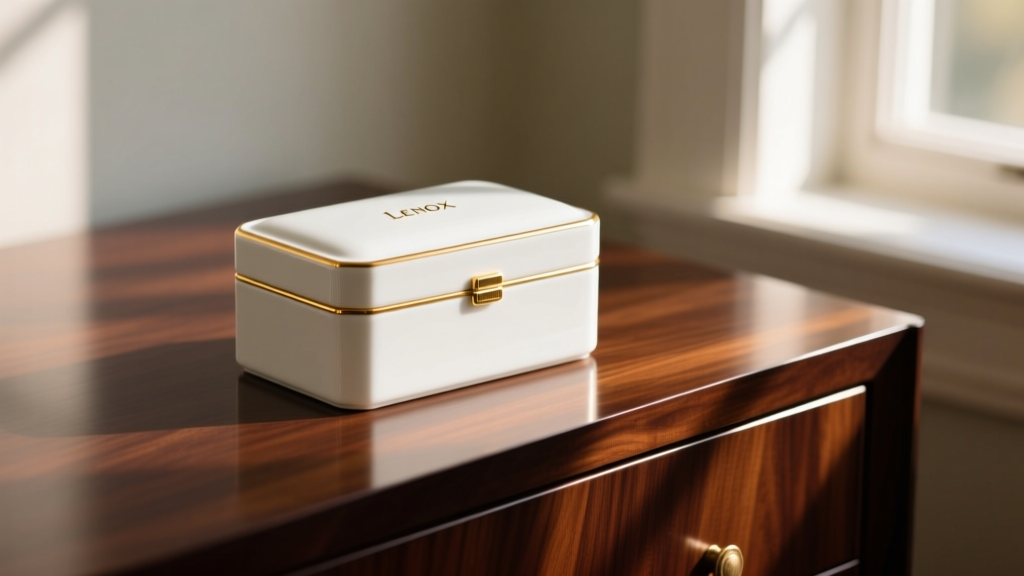
The Allure of the Lenox Jewelry Box: Beyond Aesthetics
When collectors and jewelry enthusiasts invest in a Lenox jewelry box, they are typically drawn to the brand’s legendary reputation for fine bone china, intricate porcelain detailing, and elegant enamel work. However, from a material science and preservation perspective, the exterior shell of a jewelry box dictates more than just its visual appeal—it fundamentally impacts the chemical stability of the metals and gemstones stored within. In 2026, as collectors increasingly prioritize archival-grade storage, understanding the physical and chemical properties of porcelain and ceramic materials compared to traditional wood, MDF, and acrylic is essential for preventing irreversible damage to fine jewelry.
Unlike standard wooden valets or acrylic displays, a Lenox porcelain or bone china trinket box introduces a unique set of material properties. Porcelain is created through the vitrification of kaolin clay, feldspar, and quartz at temperatures exceeding 1,200°C (2,192°F). This extreme heat transforms the clay into a glass-like, non-porous matrix. But how does this inert exterior translate to interior jewelry preservation, especially when compared to the organic, reactive nature of traditional wooden jewelry boxes? Let us break down the material properties, failure modes, and preservation metrics.
Material Deep Dive: Porcelain, Bone China, and Enamel
Vitrification and Zero Moisture Absorption
The defining characteristic of authentic Lenox porcelain and bone china is its near-zero water absorption rate (typically less than 0.5%). In material science, this vitrified state means the ceramic body will not absorb ambient humidity, nor will it harbor mold, mildew, or microscopic pests that often plague organic storage materials. For jewelry, moisture is the primary catalyst for galvanic corrosion and accelerated tarnishing. By providing a moisture-impermeable barrier, a high-quality porcelain box acts as an excellent microclimate buffer, provided the lid seals tightly.
The Enamel and Glaze Factor
Lenox pieces are often finished with a lead-free, high-gloss ceramic glaze or cold-painted enamel accents. Modern ceramic glazes are chemically stable and do not off-gas volatile organic compounds (VOCs). This is a critical advantage, as VOCs are a primary driver of chemical tarnishing in silver and copper alloys. However, collectors must be wary of vintage or antique Lenox boxes; older glazes or decorative overglazes (like certain gold lustres) may contain trace heavy metals or degrade over time, though they rarely pose a direct threat to the jewelry stored inside the fabric-lined cavity.
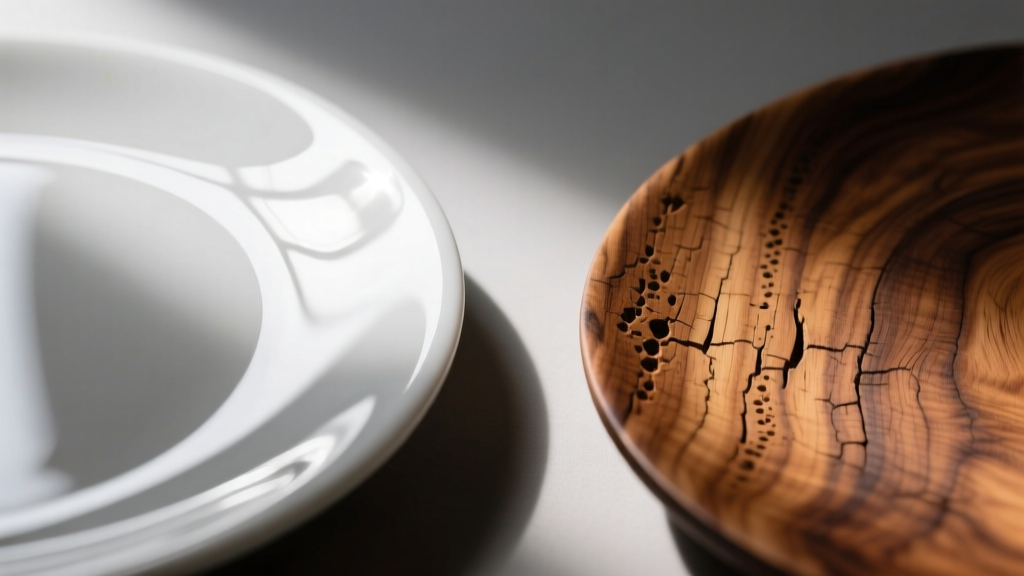
How Lenox Materials Compare to Traditional Storage
To understand the specific advantages and limitations of a Lenox jewelry box, we must compare its core material properties against the industry standards for jewelry storage. The table below outlines the critical preservation metrics across four common storage materials.
| Material | Porosity & Moisture | VOC Off-Gassing Risk | Mohs Hardness | Tarnish Acceleration Risk |
|---|---|---|---|---|
| Glazed Porcelain (Lenox) | Non-porous (<0.5% absorption) | None (Chemically Inert) | 6.5 - 7.0 | Extremely Low |
| Solid Walnut/Mahogany | Hygroscopic (Absorbs moisture) | Moderate (Acetic acid) | 1.5 - 2.5 | Moderate to High |
| MDF (Medium-Density Fiberboard) | Highly porous (Requires sealing) | High (Formaldehyde/Urea) | N/A (Composite) | Very High |
| Cast Acrylic (PMMA) | Non-porous | Low (Traps static) | 3.0 - 4.0 | Low (Static attracts dust) |
The Hidden Dangers of Wood and MDF Off-Gassing
While a beautifully carved solid oak or walnut jewelry box is a staple of traditional organization, wood is inherently problematic for long-term silver and copper storage. Wood naturally emits acetic acid, formic acid, and hydrogen peroxide as it ages and reacts with ambient humidity. When these acidic vapors are trapped inside a closed wooden box, they react with the copper in sterling silver (which is 92.5% silver and 7.5% copper) to form copper acetates and accelerate the formation of silver sulfide (Ag2S)—the black tarnish that plagues collectors.
MDF and plywood are even more hazardous. The urea-formaldehyde resins used to bind the wood fibers continuously off-gas formaldehyde and other corrosive aldehydes for years. According to the Canadian Conservation Institute (CCI), acidic vapors from wooden enclosures are a leading cause of accelerated metal degradation in museum collections. In contrast, the vitrified porcelain shell of a Lenox jewelry box emits zero acidic vapors, making it vastly superior for preserving the metallurgical integrity of fine silver, gold alloys, and platinum.
Impact Resistance and Structural Vulnerabilities
Material preservation is not solely about chemical stability; physical protection is equally vital. Here, the Lenox jewelry box reveals its primary vulnerability. Porcelain and bone china possess high compressive strength but very low tensile strength, making them inherently brittle. On the Mohs scale of mineral hardness, porcelain ranks around 6.5 to 7.0, meaning it is highly resistant to surface scratching from metal jewelry. However, its cleavage properties mean that a sudden impact—such as dropping the box on a hard tile floor—will result in catastrophic shattering rather than denting.
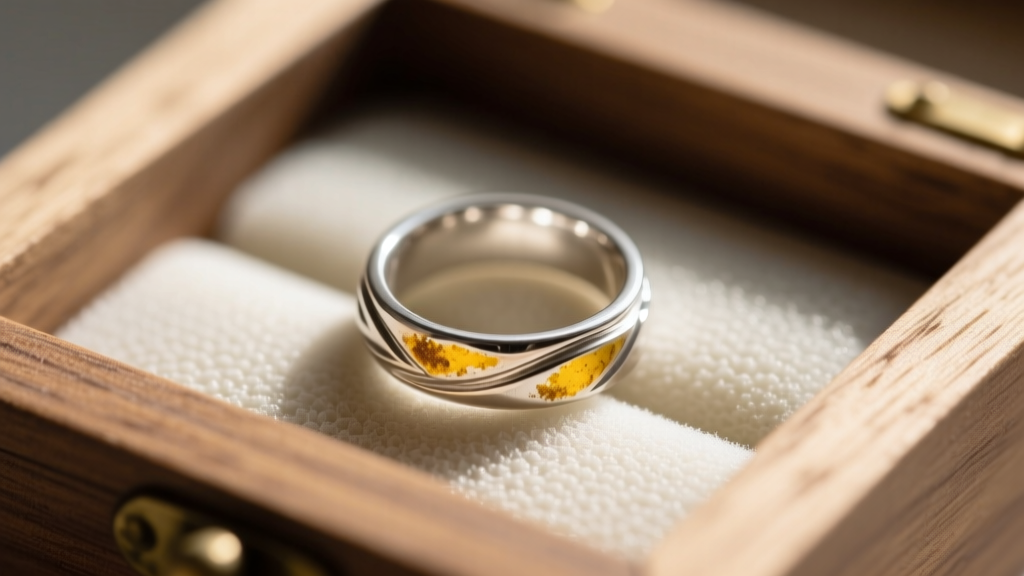
Furthermore, the interior lining of a porcelain trinket box is usually adhered with synthetic glues. If a collector purchases a vintage Lenox box, the degradation of these adhesives can introduce localized acidic hotspots. Modern archival storage requires the use of inert, acid-free adhesives or mechanical friction-fits for interior linings. When evaluating any ceramic jewelry box, always inspect the interior fabric backing for signs of glue bleed-through, which manifests as stiff, yellowed, or crusty patches on the velvet or silk.
Best Practices for Storing Fine Jewelry in Porcelain Boxes
To maximize the archival benefits of a Lenox porcelain or bone china jewelry box while mitigating its structural and interior lining risks, follow these expert-level storage protocols:
- Upgrade the Interior Lining: If the box features standard polyurethane foam or acidic felt, carefully remove it and replace it with archival-grade polyethylene foam (such as Ethafoam) or line the cavity with Pacific Silvercloth, which actively absorbs tarnish-causing gases.
- Utilize Anti-Tarnish Strips: Because porcelain boxes are often smaller and lack the deep drawers of a traditional valet, air exchange is limited. Place a 3M Anti-Tarnish Strip or a charcoal-based desiccant packet inside the cavity to scavenge any residual hydrogen sulfide trapped when the lid is closed.
- Avoid Thermal Shock: Never store porcelain jewelry boxes in areas with extreme temperature fluctuations, such as near radiators, in direct sunlight, or in unclimate-controlled attics. Rapid thermal expansion and contraction can cause micro-fractures in the ceramic glaze (crazing), compromising the structural integrity of the box.
- Segregate by Hardness: While the porcelain exterior is hard, the interior space is often compact. Store diamonds (Mohs 10) separately from softer gemstones like opals (Mohs 5.5) and pearls (Mohs 2.5) to prevent the diamonds from scratching both the jewelry and the interior ceramic walls.
"The most common mistake collectors make is assuming that an inert exterior shell guarantees an inert interior environment. The adhesives and foams used inside decorative ceramic boxes are often the true culprits behind localized tarnishing." — Archival Jewelry Storage Guidelines, Gemological Institute of America (GIA).
Final Verdict: When to Choose a Lenox Jewelry Box
A Lenox jewelry box represents a triumph of decorative arts and offers a chemically inert, moisture-impermeable exterior shell that outperforms traditional wood and MDF in preventing VOC-induced tarnishing. For storing small, high-value items like diamond stud earrings, platinum bands, or delicate gold chains, a porcelain or bone china trinket box is an excellent, museum-grade choice—provided the interior lining is verified to be acid-free. However, for large, heavy pieces or extensive collections requiring modular organization, the brittle nature of porcelain and the compact size of these boxes make them less practical than lined solid-wood valets equipped with active tarnish-filtration systems. Ultimately, by understanding the material science behind your storage, you can ensure your fine jewelry remains as pristine as the day it was crafted.


