The Anatomy of a Premium White Wooden Jewelry Box: An Expert Guide
Discover the technical details behind a premium white wooden jewelry box, from MDF vs. solid wood joinery to anti-tarnish lining chemistry.

Introduction: Beyond the Aesthetic
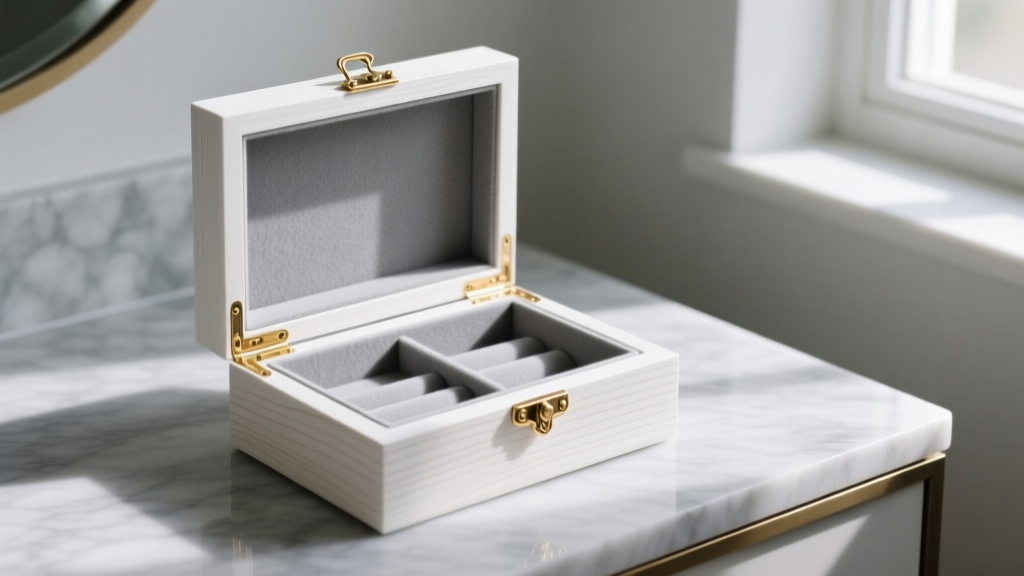
When curating a high-value collection of fine metals and gemstones, the storage environment is just as critical as the pieces themselves. A white wooden jewelry box is often chosen for its clean, minimalist aesthetic and ability to reflect light, making it easier to inspect gemstones for inclusions or prong wear. However, beneath the pristine white exterior lies a complex intersection of materials science, woodworking engineering, and conservation chemistry. In 2026, the market is flooded with visually identical boxes that range from archival-quality heirlooms to acidic hazards that will actively degrade your silver and pearls. This deep dive dissects the technical specifications you must evaluate before investing in premium jewelry storage.
Core Substrate Analysis: Solid Wood vs. Engineered MDF
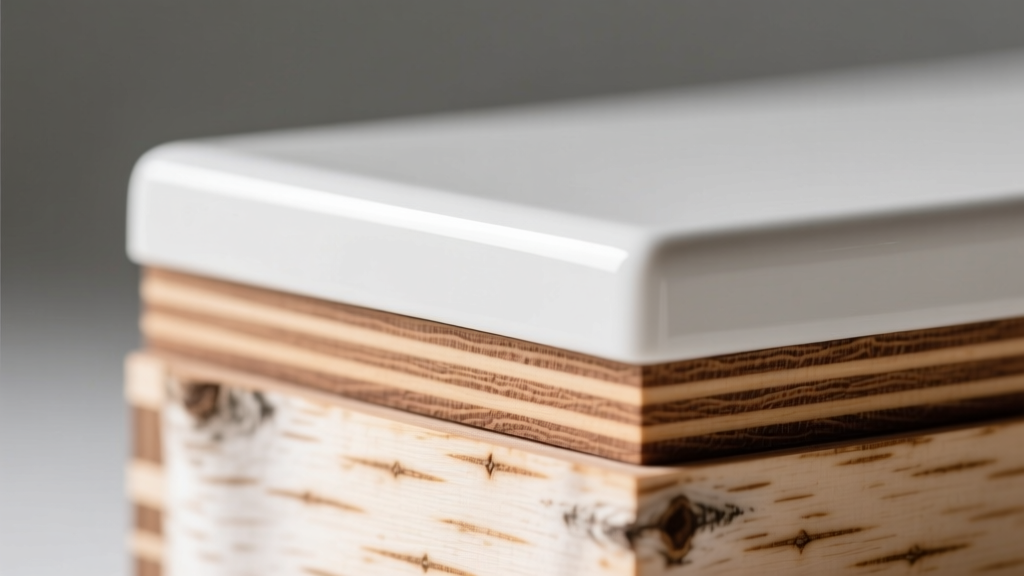
The structural integrity and chemical neutrality of a white wooden jewelry box begin with its substrate. Manufacturers typically utilize either kiln-dried solid wood (like paulownia or birch) or Medium-Density Fiberboard (MDF). While MDF offers a perfectly smooth surface for white finishes, it introduces severe chemical risks if not properly sourced.
Moisture Content and Warping Tolerances
Solid wood substrates must be kiln-dried to a moisture content (MC) of exactly 6% to 8%. If a manufacturer uses air-dried wood with an MC of 12% or higher, the wood will inevitably acclimate to the 40% relative humidity of a modern climate-controlled home. This differential causes the wood to shrink, resulting in micro-cracking (crazing) of the rigid white finish and the failure of corner glue joints. Always request the MC specification from custom woodworkers or look for brands that advertise climate-controlled manufacturing facilities.
The Formaldehyde Hazard in MDF
Cheap MDF is bound with urea-formaldehyde resins. As these resins degrade, they off-gas formic acid and formaldehyde. According to the Environmental Protection Agency (EPA), these volatile organic compounds (VOCs) are not only respiratory irritants but formic acid is highly corrosive to silver, accelerating the formation of silver sulfide (tarnish). If you opt for an MDF-based white wooden jewelry box for its flawless painted finish, it must be certified as CARB Phase 2 compliant or, ideally, NAF (No Added Formaldehyde), which uses polyurethane-based binders instead.
The Chemistry of White Finishes: Polyurethane vs. Lacquer
Achieving a durable, non-yellowing white finish requires specific pigment chemistry and topcoat formulations. The white color is typically achieved using Titanium Dioxide (TiO2) pigments. For archival storage, the manufacturer must use the rutile crystalline form of TiO2, which offers superior UV resistance and opacity compared to the cheaper anatase form, which can chalk and degrade under prolonged sunlight exposure.
The clear topcoat dictates the longevity of the box. According to Penn State Extension, traditional nitrocellulose lacquers are prone to ambering (yellowing) over time due to UV degradation, which ruins the crisp white aesthetic. Modern premium boxes utilize waterborne aliphatic polyurethanes.
| Finish Type | UV Resistance | VOC Off-Gassing | Yellowing Risk | Archival Rating |
|---|---|---|---|---|
| Nitrocellulose Lacquer | Poor | High (Initial) | High | Not Recommended |
| Oil-Based Polyurethane | Moderate | Moderate | Severe (Ambers) | Not Recommended |
| Waterborne Aliphatic Poly | Excellent | Ultra-Low | None (Water-White) | Archival Grade |
| Catalyzed Conversion Varnish | Excellent | High (Curing) | Low | Good (Post-Cure) |
Joinery and Hardware: The Hidden Failure Points
The mechanical stress of opening and closing a heavy, multi-tiered white wooden jewelry box places immense shear force on the hinges and corner joints. Mass-produced boxes rely on simple butt joints secured with pneumatic brad nails and cyanoacrylate (superglue), which become brittle and fail within a few years.
Hardware Specifications
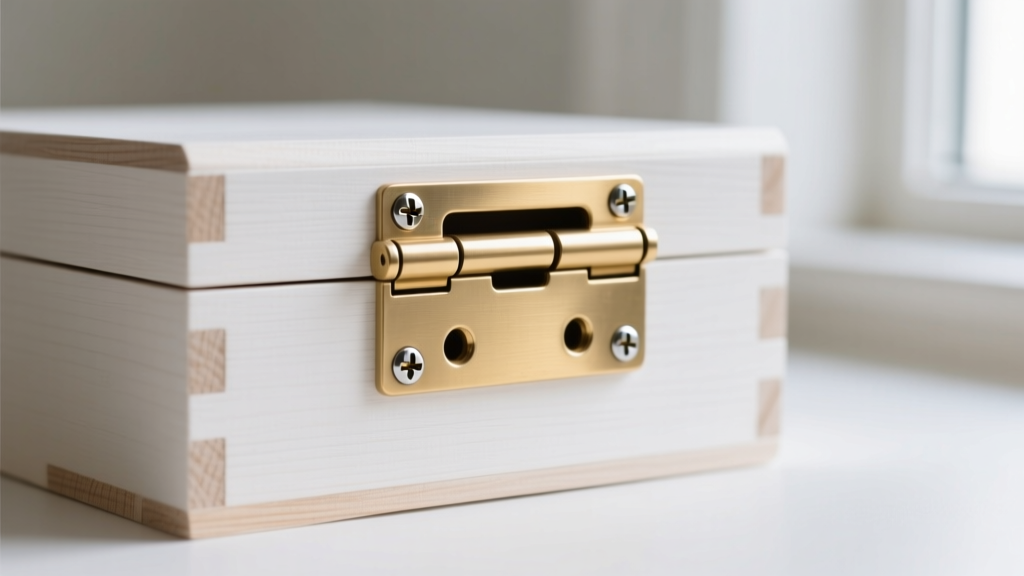
Premium boxes utilize traditional woodworking joinery, such as blind dovetails or miter joints reinforced with hardwood splines. When evaluating hardware, look for the following technical specifications:
- Hinge Material: Solid brass or 304-grade stainless steel. Avoid zinc alloys (often marketed as 'pot metal'), which suffer from 'zinc pest'—a crystalline degradation that causes hinges to swell, crumble, and seize.
- Hinge Gauge: Minimum 18-gauge thickness for lid hinges to prevent sagging over time.
- Fasteners: Hinges should be secured with #4 or #5 steel wood screws driven into pre-drilled pilot holes, never with friction-fit metal pins or staples.
- Lid Supports: Quadrant stays or friction lid supports must be rated for the exact weight of the lid plus a 20% safety margin to prevent the lid from slamming shut, which can shatter delicate gemstone settings inside.
Interior Microclimates: Anti-Tarnish Lining Technologies
The interior lining of a white wooden jewelry box is the final barrier between your collection and environmental degradation. The National Park Service (NPS) Museum Management Program explicitly warns against storing silver and organic gems (like pearls and tortoiseshell) in contact with certain plastics and treated fabrics.
The PVC Danger
Many budget-friendly boxes use synthetic velvet backed with Polyvinyl Chloride (PVC). PVC requires plasticizers (phthalates) and sulfur-based heat stabilizers to remain flexible. These chemicals actively off-gas sulfur compounds, which react with silver to form black silver sulfide at an accelerated rate. Furthermore, PVC degrades over time, becoming sticky and leaving a permanent, acidic residue on gold and platinum.
Archival Lining Solutions
True archival storage requires linings that are chemically inert or actively scavenging. Polyethylene (PE) foam and unbleached, acid-free cotton are the baseline standards for inert storage.
For active protection, premium boxes incorporate Pacific Silvercloth or similar metallized fabrics. These linings are embedded with microscopic particles of zinc and silver. Because these metals are more reactive than your jewelry, they act as sacrificial anodes, absorbing ambient hydrogen sulfide and chlorine gases before they can reach your sterling silver or white gold. When evaluating a high-end white wooden jewelry box, verify that the adhesive used to bond the lining to the wood substrate is a water-based, acid-free PVA (polyvinyl acetate) glue, as solvent-based contact cements can penetrate the fabric and damage soft stones like opals and turquoise.
Price Tiers and What They Actually Buy You
Understanding the technical realities of jewelry storage helps contextualize market pricing. Here is what you can expect across different manufacturing tiers:
- Under $50 (Fast Furniture Grade): Uncertified MDF, nitrocellulose lacquer, zinc-alloy hinges, and PVC-backed synthetic velvet. High risk of chemical tarnish and structural failure within 24 months.
- $80 - $200 (Mid-Tier Commercial): CARB Phase 2 MDF or pine/paulownia solid wood, water-based polyurethane finishes, basic brass-plated steel hinges, and PE foam inserts with cotton flocking. Safe for most modern jewelry, but lacks active anti-tarnish properties.
- $300 - $800+ (Archival & Bespoke): Kiln-dried hardwoods (birch, walnut, or mahogany) with blind dovetail joinery, 18-gauge solid brass hardware, waterborne aliphatic finishes, and active metallized anti-tarnish linings. Engineered for multi-generational use and museum-grade conservation.
Conclusion: Selecting Your Archival Storage
A white wooden jewelry box is a significant investment in the preservation of your collection. By looking past the exterior color and scrutinizing the substrate moisture content, finish chemistry, hardware metallurgy, and lining polymers, you transition from a passive consumer to an informed collector. Always demand material safety data regarding off-gassing and adhesives, ensuring your storage solution protects your assets rather than silently destroying them.


